
Lib Dems Face Religious Discrimination Scandal as Ex-Deputy Leader Demands Independent Inquiry
Lib Dems Face Religious Discrimination Scandal as Ex-Deputy Leader Demands Independent Inquiry By Erica Thornton, Staff Writer The Deselection of David Campanale and Initial Admissions The Liberal Democrats have admitted to breaching the human rights of former BBC journalist David Campanale after he was deselected as a candidate for Sutton and Cheam ahead of the 2024 election s
The Deselection of David Campanale and Initial Admissions
The Liberal Democrats have admitted to breaching the human rights of former BBC journalist David Campanale after he was deselected as a candidate for Sutton and Cheam ahead of the 2024 election solely because of his Christian beliefs. This admission followed revelations in The Independent that the party allowed unlawful religious discrimination by a rival candidate whom Campanale had defeated in the selection process. The case centres on multiple counts of discrimination involving the current Sutton and Cheam MP Luke Taylor, the local association, and the party leadership itself.
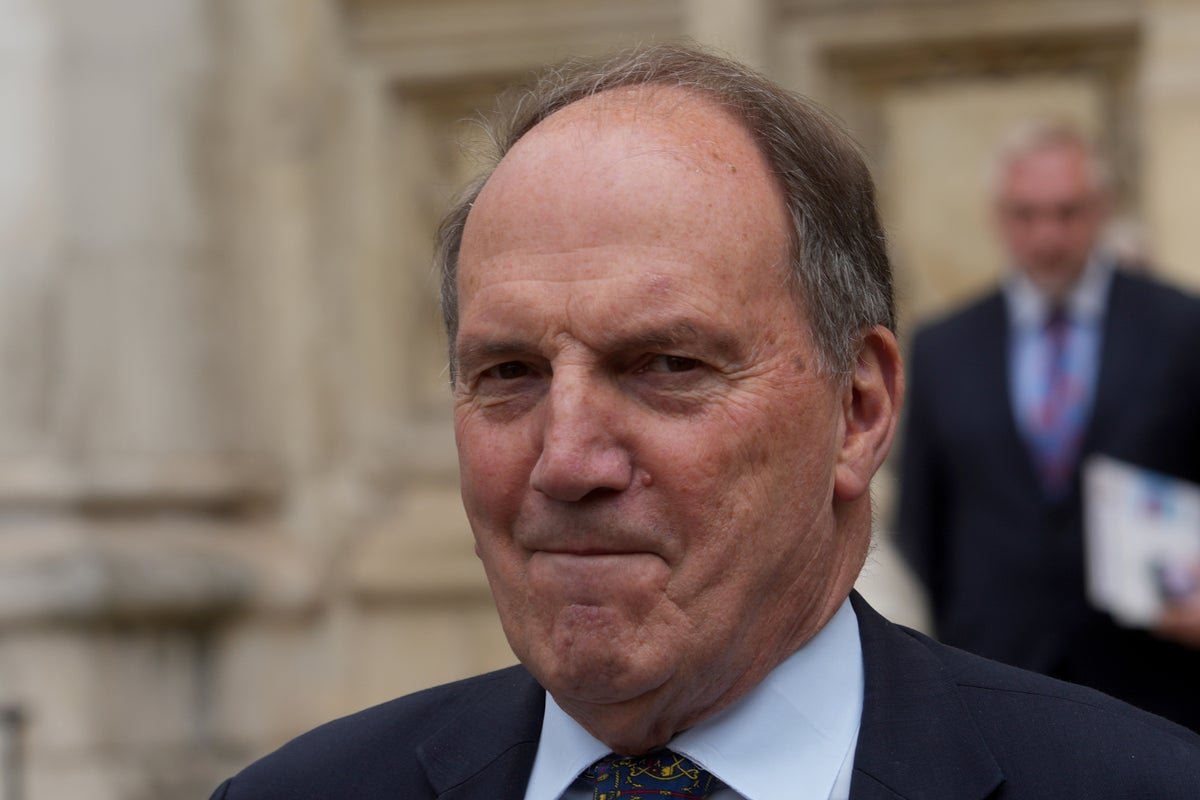
Sir Simon Hughes has called for an independent inquiry into the Campanale case (Global 1 News)
Such an admission carries significant weight in British politics, where parties routinely position themselves as defenders of equality and inclusion. The controversy highlights how internal selection procedures can inadvertently or deliberately sideline individuals based on faith, raising questions about the robustness of safeguards within the Liberal Democrats. Campanale, an award-winning journalist, found his candidacy undermined despite prevailing in the initial contest, exposing procedural weaknesses that the party has now conceded violated human rights standards.
Sir Simon Hughes Demands an Independent Inquiry
Former deputy leader Sir Simon Hughes has called for an independent inquiry into the handling of the Campanale case, describing it as essential for restoring trust in the party's commitment to fairness. His intervention follows the party's formal acceptance of liability and precedes a court hearing this week at the London County Court, which will determine damages and legal costs. Sir Simon, who served as deputy leader from 2010 to 2014 and as party president, emphasised that Christians and members of other faiths must retain the right to participate fully in politics without facing discrimination over matters of conscience.
In his statement Sir Simon said: "Liberal Democrats and all members of democratic and law-abiding UK parties must respect that Christians, like those of other faiths, must be entitled to live and vote in accordance with the beliefs of their faith on matters of conscience - such as termination of life before birth and for dying adults. People with religious faith are as much needed in British politics now as ever. And I trust that there will be zero tolerance of any recurrence of discrimination in the future."
He further noted that he would make internal recommendations to the Federal President, the Leader, and regional officers for improved procedures. Sir Simon also backed the Liberal Democrat Christian Fellowship's request for an urgent independent enquiry, suggesting it might benefit from oversight by someone outside the party membership.
Legal Proceedings and Party Response
The London County Court hearing this week represents the final stage in a process where the Liberal Democrats have already conceded multiple breaches of human rights law. The party's acceptance covers actions by Luke Taylor, the Sutton and Cheam association, and senior leadership figures. A Liberal Democrat spokesperson stated: "This is an ongoing legal case so it would not be appropriate to comment. The Liberal Democrats are home to people of all faiths and none, including many Christians. Three Liberal Democrat MPs in neighbouring seats to Sutton and Cheam are practising Christians including party leader Ed Davey."
This measured response contrasts with the gravity of the admissions, which have already drawn attention from senior religious figures. During the general election period the bishops of Winchester and Guildford, along with former Archbishop of Canterbury Rowan Williams, raised the Campanale case publicly. The episode underscores the tension between internal party discipline and external expectations of religious tolerance in candidate selection.
Implications for Sir Ed Davey and Westminster Standing
The scandal poses particular challenges for Liberal Democrat leader Sir Ed Davey, whose Kingston constituency borders Sutton and Cheam. Proximity amplifies the risk that local voters may perceive the party as inconsistent in its application of equality principles. In Westminster terms, the episode risks undermining the Liberal Democrats' efforts to present themselves as a progressive force capable of holding the government to account on human rights issues.
Broader analysis suggests that repeated internal disputes over faith and belief could erode the party's appeal among moderate voters who value pluralism. The admission of unlawful discrimination may fuel opposition narratives that the Liberal Democrats apply different standards depending on the issue at hand, particularly when religious views intersect with contested social questions.
Religious Freedom and Political Participation in Britain
The Campanale case forms part of a wider debate about the place of religious conviction in contemporary British politics. Sir Simon Hughes explicitly linked the matter to the need for Christians and others to engage on conscience issues without penalty. His remarks reflect ongoing concerns that faith-based perspectives are increasingly marginalised within certain political structures, despite legal protections under human rights frameworks.
Analysts note that the Liberal Democrats' difficulties mirror similar tensions across other parties, where selection processes must balance ideological alignment with legal obligations. The requirement for an independent enquiry, potentially led by a non-member, indicates recognition that internal reviews alone may lack sufficient credibility. This development could influence how other Westminster parties review their own candidate vetting procedures to avoid comparable litigation.
Pattern of Disputes and Future Party Reforms
The Campanale matter is not isolated. The party previously lost a case brought by a women's group barred from conference over critical views on transgender issues. Founding member Jo Hayes is also scheduled to appear in court regarding her 2022 expulsion. These parallel cases suggest systemic challenges in managing internal dissent and belief-based differences.
Sir Simon's commitment to making recommendations on improved procedures offers one route toward reform. An external enquiry could provide recommendations that strengthen protections for religious participation while clarifying boundaries around candidate suitability. The outcome may shape how the Liberal Democrats approach future selections, particularly in marginal seats where personal beliefs could become electoral liabilities.
Ultimately the episode tests the party's stated commitment to being a home for people of all faiths and none. The court's final determination on damages will quantify the cost of the admitted breaches, yet the longer-term reputational impact on the Liberal Democrats in Westminster and beyond remains to be seen.
Source: The Independent
This article was produced with AI-assisted research and editorial support. Reporting is based on sources cited in the article.
What's Your Reaction?
 Like
0
Like
0
 Dislike
0
Dislike
0
 Love
0
Love
0
 Funny
0
Funny
0
 Wow
0
Wow
0
 Sad
0
Sad
0
 Angry
0
Angry
0

US Politics and Policy Correspondent at Global1.News. Based in Washington DC, covering American politics, policy, elections, and the courts. Knows how the system works and tells you what it actually means.















Comments (0)