
Japan-India LNG Task Force Bolsters Energy Security
Japan and India Forge LNG Stockpiling Alliance Amid Middle East Tensions Background on Japan-India Energy Relations Japan and India have steadily deepened energy ties over the past decade, with cooperation accelerating after the 2022 global energy shock. The current discussions build on existing bilateral frameworks managed through MOFA and METI channels, focusing on mutual vul
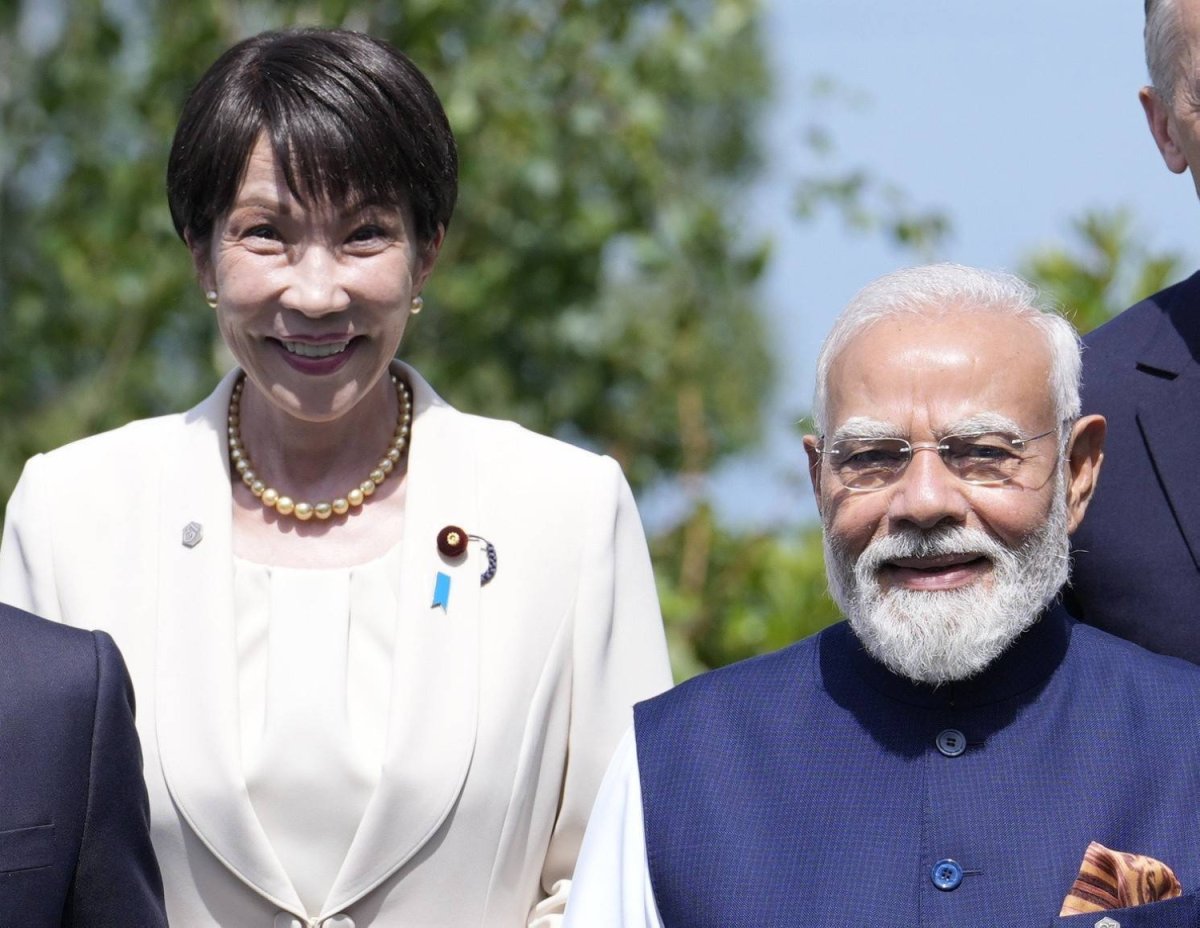
Japan and India Forge LNG Stockpiling Alliance Amid Middle East Tensions
Background on Japan-India Energy Relations
Japan and India have steadily deepened energy ties over the past decade, with cooperation accelerating after the 2022 global energy shock. The current discussions build on existing bilateral frameworks managed through MOFA and METI channels, focusing on mutual vulnerabilities in liquefied natural gas procurement. This week’s planned agreement represents a concrete step beyond previous memoranda, emphasizing practical stockpiling mechanisms rather than abstract policy declarations.
Historical patterns show Japan providing technical expertise in LNG terminal operations while India has expanded its regasification capacity at ports such as Dahej and Mundra. The upcoming task force will formalize information exchange that both governments have pursued informally since 2023. Concrete examples include joint simulations of supply disruptions conducted last year under METI auspices, which highlighted the need for coordinated reserve releases.
Market impact from this evolution is already visible in pricing benchmarks. Asian spot LNG prices have shown reduced volatility during recent Hormuz Strait tensions compared with 2022 levels, partly due to improved transparency between major importers. Future outlook suggests this partnership could stabilize procurement costs for both nations through shared storage strategies over the next five years.
Analysis of Middle East Supply Risks
Lingering tensions in the Middle East continue to pose acute risks for global LNG flows, particularly through key chokepoints like the Strait of Hormuz. Japan currently sources only about 10 percent of its LNG from the region, yet even this modest share creates exposure during prolonged disruptions. India faces far greater exposure at approximately 90 percent dependency, making coordinated stockpiling a logical hedge against sudden cutoffs.
Implications extend beyond immediate price spikes. A sustained disruption could force both countries to activate emergency reserves simultaneously, potentially straining global shipping availability. Historical context from the 2019 attacks on Saudi facilities demonstrates how quickly such events cascade into Asian market tightness lasting several months. The task force mechanism is designed to enable preemptive dialogue on reserve drawdowns before markets react.
Future outlook indicates that without such cooperation, competition for spot cargoes during crises could drive prices 30-40 percent higher than baseline forecasts. Japan’s experience with diversified suppliers from Australia and the United States offers lessons India can adapt, while India’s growing import terminals provide additional storage options for regional contingency planning.
India’s Specific LNG Vulnerability and Japan’s Strategy Evolution
India’s heavy reliance on Middle East LNG creates procurement risks that differ markedly from Japan’s diversified portfolio. With domestic production covering less than 50 percent of demand, any interruption in Qatari or Emirati shipments directly threatens power generation and fertilizer output. The proposed task force will prioritize information-sharing protocols to allow India early access to Japanese market intelligence during emerging crises.
Japan’s energy security strategy has evolved significantly since the 2011 Fukushima disaster, shifting from nuclear-heavy planning toward flexible LNG reserves managed by METI. This evolution now incorporates international partnerships as a core pillar, recognizing that unilateral stockpiling reaches diminishing returns. The New Delhi agreement on Thursday will embed this approach within the bilateral relationship.
Market impact analysis shows that joint mechanisms could reduce India’s exposure by enabling access to Japanese floating storage during peak summer demand. Future outlook points to expanded cooperation extending to third-country terminals in Southeast Asia, creating a de facto regional buffer against Middle East volatility over the coming decade.
Details of the Task Force Mechanism and Takaichi’s Diplomatic Positioning
The joint task force will focus on advancing dialogue and information-sharing specifically around LNG stockpiling, with establishment confirmed in the joint statement following the bilateral summit. Officials expect regular working-level meetings to begin next month, covering reserve levels, release triggers, and shipping coordination. This structure avoids binding commitments while creating operational habits that proved valuable during past supply shocks.
Prime Minister Sanae Takaichi’s three-day visit starting Wednesday marks her first trip to India since taking office last October. The shuttle diplomacy format, involving reciprocal leader visits, allows both sides to maintain momentum on energy issues amid competing domestic priorities. Takaichi is expected to frame the task force as a practical extension of Japan’s broader energy security doctrine.
Diplomatic positioning also serves to sustain high-level contact at a time when U.S.-India relations face strains and no Quad summit appears imminent. By emphasizing concrete deliverables like the LNG mechanism, Japan positions itself as a reliable partner less affected by Washington-New Delhi frictions. A Japanese government official described India as “the linchpin of our strategies over China,” underscoring the strategic weight attached to this week’s outcomes.
The ¥10 Trillion Investment and Critical Minerals Collaboration
At the economic forum accompanying the summit, Takaichi will highlight planned Japanese private-sector investments worth ¥10 trillion in India over ten years. These commitments span energy infrastructure, manufacturing, and technology, providing economic ballast to the security-focused task force. Representatives from major Japanese companies and organizations will participate directly, signaling sustained corporate interest.
Parallel agreements on critical minerals and semiconductor supply chains will complement the LNG initiative. Japan seeks to reduce concentration risks in rare earth processing while India aims to develop downstream capabilities. METI has already identified specific projects in Rajasthan and Odisha as pilot sites for joint exploration and processing ventures.
Implications for supply chain resilience are substantial. Coordinated stockpiling of both energy and minerals could mitigate simultaneous disruptions from geopolitical events. Future outlook suggests these frameworks may expand to include Australia under Quad auspices, creating trilateral buffers against single-point failures in Asian technology manufacturing.
Quad Framework, China Implications, and Asian Energy Market Outlook
India’s role within the Quad framework makes cooperation on energy security particularly valuable for countering China’s military and economic coercion. The task force and technology agreements provide tangible substance to Quad objectives even without a leaders’ summit this year. Japan hopes these programs will help maintain close ties despite India’s continued engagement with both China and Russia.
Expert analysis indicates that successful LNG coordination could influence spot market dynamics across Asia. Reduced panic buying during Middle East flare-ups would benefit smaller importers in Southeast Asia and South Korea. Historical patterns from 2022 show that transparent reserve policies among major players dampen speculative premiums within weeks of implementation.
Future outlook for Asian energy markets hinges on whether this bilateral model scales regionally. If the task force demonstrates effectiveness by late 2026, similar arrangements with other Quad partners become more feasible. The combination of energy, minerals, and semiconductor cooperation positions Japan and India to shape more resilient supply architectures amid ongoing geopolitical uncertainty.
Tags: Japan India LNG, Takaichi Modi, energy security, Middle East, Quad, critical minerals, semiconductors, Asian markets
By Kenji Tanaka, Staff Writer
This article was produced with AI-assisted research and editorial support. Reporting is based on sources cited in the article.
What's Your Reaction?
 Like
0
Like
0
 Dislike
0
Dislike
0
 Love
0
Love
0
 Funny
0
Funny
0
 Wow
0
Wow
0
 Sad
0
Sad
0
 Angry
0
Angry
0

Japan Correspondent at Global1.News. Tokyo-based voice covering Japanese politics, technology, economy, and culture. Tracks the intersection of tradition and innovation in one of the world's most dynamic societies.














Comments (0)