
B.C. Wildfire Tally Surges Past 100 After Lightning Strikes
British Columbia's wildfire season has taken a dramatic turn following an intense lightning event that ignited nearly 100 new fires in just 24 hours. The BC Wildfire Service reported more than 4,000 lightning strikes across the province on Friday, July 17, 2026, pushing the total number of active wildfires past the 100 mark. The vast majority of these new ignitions are attributed directly to lightning activity concentrated in the southern Interior.
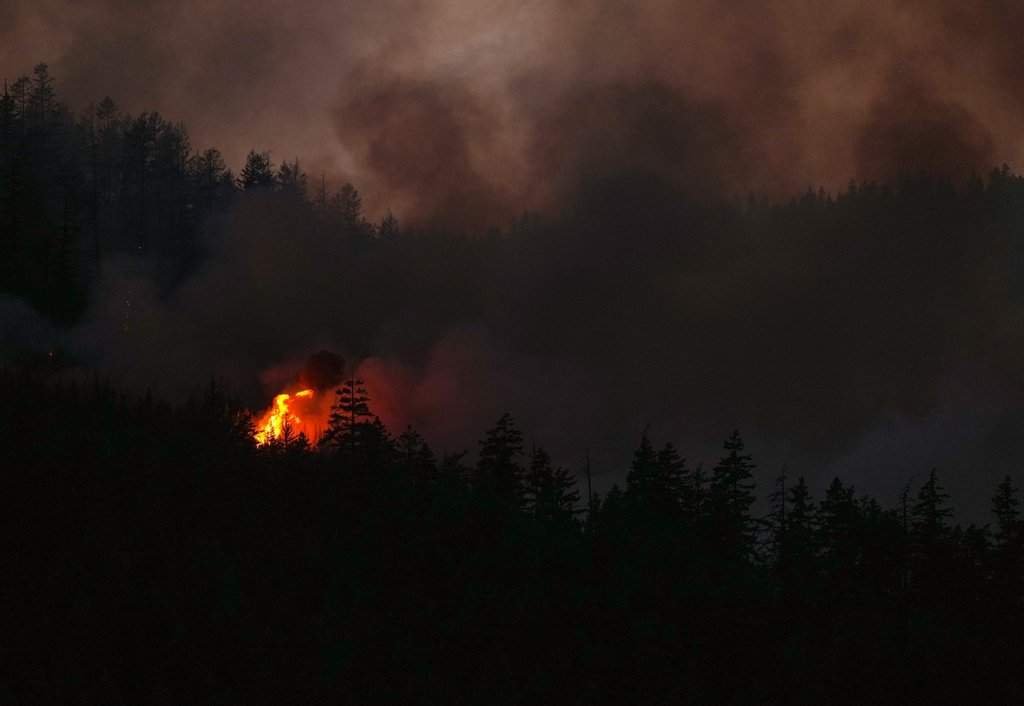
British Columbia's wildfire season has taken a dramatic turn following an intense lightning event that ignited nearly 100 new fires in just 24 hours. The BC Wildfire Service reported more than 4,000 lightning strikes across the province on Friday, July 17, 2026, pushing the total number of active wildfires past the 100 mark. The vast majority of these new ignitions are attributed directly to lightning activity concentrated in the southern Interior.
Lightning Event Drives Rapid Increase in Active Fires
The scale of the lightning storm caught many observers by surprise. In a single day, the province moved from a relatively manageable fire load to a situation where two-thirds of all active wildfires are now classified as out of control. The BC Wildfire Service has emphasised that lightning remains the dominant cause, with human-caused fires representing only a small fraction of the new activity.
Most of the fresh ignitions are located in the southern BC Interior, where dry conditions and available fuels have allowed fires to establish quickly. Officials note that the combination of frequent strikes and receptive forest fuels has created multiple simultaneous starts that are challenging to contain from the outset.
In the southern Interior, the combination of steep terrain, dense coniferous forests, and prolonged dry spells creates conditions where lightning can ignite multiple blazes across remote valleys and plateaus. These areas often feature thick understory fuels that have accumulated over decades, allowing fires to establish quickly once sparked. Unlike coastal regions with higher moisture levels, the Interior's rain-shadow effect leaves vegetation particularly vulnerable during peak summer months.
This event stands apart from typical summer fire activity because the concentrated lightning activity overwhelms initial detection systems and strains ground crews before fires can be contained. Historical patterns show that while lightning is a regular ignition source, clusters of strikes over a short period tend to produce more simultaneous starts than the gradual ignitions seen in average seasons. The result is a rapid escalation that shifts resources from prevention to immediate response across a wide geographic area.
Analysis of long-term trends indicates that such intense lightning episodes are becoming more influential in driving early-season fire loads, particularly when paired with existing drought stress on forest ecosystems. This dynamic challenges traditional response models that assume more staggered ignition patterns throughout the summer.
Fiftynine Creek Fire Grows Beyond 1,500 Hectares
One of the most concerning new fires is the Fiftynine Creek wildfire, discovered on Friday, July 17, 2026 near Big Bar Lake. By the following day the fire had expanded to an estimated 1,500 hectares or more. The BC Wildfire Service has determined that this blaze was also started by lightning.
The Thompson-Nicola Regional District issued an evacuation order covering more than 100 properties along Big Bar Lake Road and Fiftynine Creek Road. Residents were advised that the fire is "rapidly escalating," prompting immediate action to ensure public safety. Alternative routes through Meadow Lake to the north and Jesmond to the south remain available for those leaving the area.
Evacuation Logistics and Regional District Response
Evacuation orders of this size require careful coordination between the regional district, local fire departments, and the BC Wildfire Service. Officials have prioritised clear communication about safe exit routes to avoid congestion on narrow rural roads. Reception centres have been established to support displaced residents, though specific locations were not detailed in initial announcements.
The Thompson-Nicola Regional District continues to monitor the situation closely, with updates expected as crews assess containment lines and fire behaviour. Property owners in the affected zones have been urged to prepare for potential extended absences.
For rural communities such as Big Bar Lake, the evacuation of more than one hundred properties disrupts daily life in areas where residents rely on limited road networks and scattered services. Livestock must be moved on short notice, often requiring coordination with neighbouring farms or temporary holding areas that may lack adequate feed or shelter. Property owners face immediate concerns about securing homes and outbuildings against potential loss, while livelihoods tied to agriculture or tourism experience sudden interruptions that can extend for weeks.
The psychological toll arises from prolonged uncertainty, as shifting fire behaviour leaves families unsure whether they can return within days or must prepare for extended displacement. This stress is compounded in tight-knit rural settings where community support networks are also affected by the same evacuation orders. Regional district officials must balance timely alerts with the practical limits of local infrastructure, ensuring that information reaches dispersed households without reliable internet or cellular coverage.
The RCMP plays a central role in maintaining the integrity of evacuation zones, enforcing access restrictions to protect both residents and responders. Their presence helps prevent unauthorised returns that could endanger lives or hinder firefighting operations, though this enforcement adds another layer of tension for those separated from their properties.
Provincial Investments and Resource Allocation
British Columbia has increased its firefighting capacity in recent years, adding aircraft and crew resources in response to previous intense seasons. These enhancements are now being tested by the current surge. The BC Wildfire Service is deploying both ground crews and aerial support to priority fires, though the sheer number of new starts has stretched initial response capabilities.
Provincial officials have noted that the current season follows patterns seen in 2017, 2018, 2021, and 2023, when large areas burned under similar lightning-driven events. The added resources are intended to improve initial attack success rates, yet the volume of simultaneous ignitions remains a significant operational challenge.
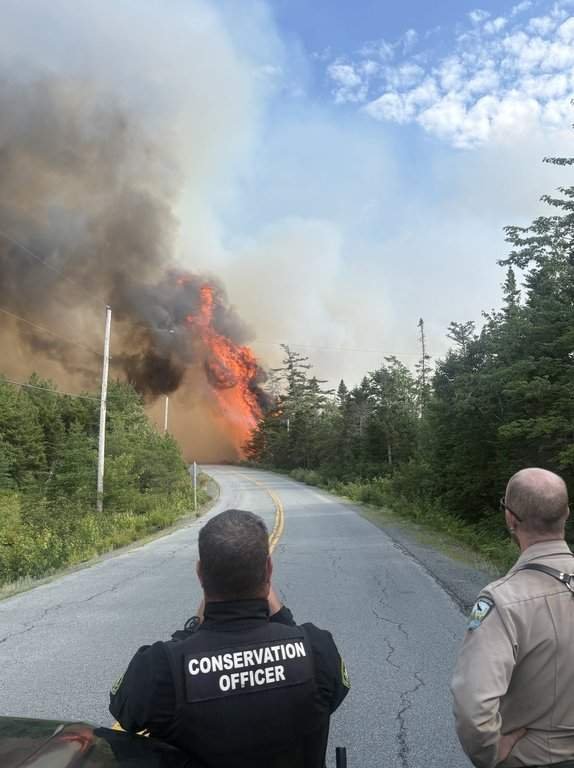
British Columbia has directed funding toward expanding aerial fleets, training additional crews, and upgrading equipment caches positioned across fire-prone zones. These investments aim to improve response times, yet the sheer number of active fires can still stretch resources when simultaneous incidents demand attention in multiple regions. Budget allocations have grown in recent years to address rising operational demands, though comparisons with earlier seasons reveal that sustained high fire counts continue to test the limits of available personnel and machinery.
The core challenge lies in balancing initial attack efforts, which seek to contain new starts before they grow, against the need for ongoing suppression on larger, established fires. When more than one hundred fires burn at once, crews and aircraft must be prioritised, sometimes leaving smaller incidents to smoulder while resources focus on threats to communities or infrastructure. This allocation pressure highlights the difficulty of maintaining readiness across an entire province during peak activity periods.
Further analysis shows that investments in technology for detection and mapping have helped, but the fundamental constraint remains the availability of trained firefighters willing to work extended deployments in remote locations. Provincial planners continue to refine strategies that integrate contracted resources with core ministry teams to ease seasonal strain.
Federal Support and Interprovincial Context
The federal government has indicated that Canadian Armed Forces assistance remains available should provincial resources become further stretched. This offer aligns with established protocols for major wildfire events that exceed provincial capacity. Other provinces, including Ontario and Nova Scotia, are also managing active fires, highlighting the national scope of the current fire season.
Coordination between federal and provincial agencies continues through established emergency management channels. Jurisdictional responsibilities remain clear, with the province leading operational decisions while federal support stands ready if requested.
Climate Influences and Future Season Outlook
Longer and more destructive wildfire seasons have become a recurring feature in British Columbia, influenced by changing climate patterns that produce drier fuels and increased lightning frequency. While individual events cannot be attributed solely to climate change, the overall trend toward extended fire seasons is well documented by provincial agencies.
Forestry sector impacts, insurance implications for rural property owners, and effects on tourism in affected regions are expected to receive further attention as the season progresses. Indigenous communities in the Interior also face ongoing risks, with many First Nations territories overlapping high-fire areas.
Tags: British Columbia, wildfires, lightning, BC Wildfire Service, Thompson-Nicola Regional District, evacuation orders, climate change, Canadian Armed Forces
Scientific studies examining western Canada document a measurable rise in lightning-caused fires linked to shifting weather patterns that favour more intense convective storms during drier periods. These trends suggest that future seasons may see ignition sources concentrated in shorter windows, increasing the likelihood of rapid fire growth in vulnerable forest types. Researchers emphasise the value of long-term monitoring to distinguish natural variability from broader climatic shifts.
Indigenous land management practices, including the reintroduction of controlled burning, offer proven methods for reducing fuel loads and creating natural firebreaks in strategic locations. Collaboration with First Nations communities has expanded in recent years, recognising that these techniques can complement modern suppression tactics while restoring ecological balance. Such approaches require careful planning to align with regulatory frameworks and public safety considerations.
Insurance industry assessments of wildfire losses in British Columbia point to rising claims related to property damage and business interruption, underscoring the economic stakes for homeowners and local economies. Looking ahead, the remainder of the season will depend heavily on precipitation patterns and temperature anomalies, with the potential for continued activity if dry conditions persist into late summer. Preparedness measures therefore remain essential to mitigate both immediate and longer-term risks.
By Alex Thompson, Staff Writer
This article was produced with AI-assisted research and editorial support. Reporting is based on sources cited in the article.
What's Your Reaction?
 Like
0
Like
0
 Dislike
0
Dislike
0
 Love
0
Love
0
 Funny
0
Funny
0
 Wow
0
Wow
0
 Sad
0
Sad
0
 Angry
0
Angry
0

Canada Correspondent at Global1.News. Based in Toronto, covering Canadian politics, energy, trade, and US-Canada relations. Provides the Canadian perspective on North American and global affairs.














Comments (0)