
ISRO Scientist Exodus: 100+ Resignations Hit Gaganyaan Mission
At least 100 senior ISRO scientists have resigned or opted for voluntary retirement in recent months, creating urgent staffing gaps in propulsion, avionics and mission planning teams. This sudden exodus threatens to delay flagship programmes such as Gaganyaan and the Bharatiya Antariksh Station at a critical juncture for India’s space ambitions. The Department of Space has responded with a sweeping July 14 directive that centralises all exit approvals at headquarters level.
At least 100 senior ISRO scientists have resigned or opted for voluntary retirement in recent months, creating urgent staffing gaps in propulsion, avionics and mission planning teams. This sudden exodus threatens to delay flagship programmes such as Gaganyaan and the Bharatiya Antariksh Station at a critical juncture for India’s space ambitions. The Department of Space has responded with a sweeping July 14 directive that centralises all exit approvals at headquarters level.
ISRO Scientist Exodus Crisis: 100+ Departures Prompt July 14 DoS Directive
New Delhi, India – July 17, 2026 — The Department of Space issued a formal memorandum on July 14, 2026 instructing all ISRO centres not to routinely accept resignations or voluntary retirements from scientists engaged in critical national missions. The directive centralises scrutiny at headquarters level to safeguard ongoing programmes at a moment when India is preparing for Gaganyaan and the Bharatiya Antariksh Station.
The Scale of Departures Documented
Verified figures show at least 100 scientists have already left, while internal tallies suggest the total may reach 120 senior specialists. These individuals held key roles in propulsion, avionics and mission planning. Their exit creates immediate gaps in institutional knowledge precisely when multiple high-stakes missions overlap in schedule.
Historical attrition patterns at ISRO reveal a marked escalation. Between 2010 and 2018, annual resignations averaged 35-45 scientists across all centres, according to internal Department of Space reports accessed through RTI filings. The current wave, concentrated between 2022 and 2024, represents a threefold increase, coinciding with the opening of the space sector to private participation under the 2020 Spacecom policy. This surge has disproportionately affected propulsion and avionics divisions, where domain expertise requires 8-12 years of specialised training that cannot be rapidly reconstituted through fresh recruitment.
Centre-wise data underscores uneven impact. Vikram Sarabhai Space Centre (VSSC) in Thiruvananthapuram has recorded the highest outflow, with over 40 departures in liquid and solid propulsion teams since 2021. The U R Rao Satellite Centre in Bengaluru has lost 25-30 mid-career engineers from its mission planning and avionics groups, while the Liquid Propulsion Systems Centre (LPSC) and Space Applications Centre (SAC) have each seen 15-20 exits. These skill sets—particularly cryogenic engine integration and satellite bus design—are the most difficult to replace, as they demand classified knowledge of ISRO's proprietary processes that private firms actively court.
Comparative analysis with DRDO and BARC highlights systemic retention challenges across India's strategic scientific establishments. DRDO has reported similar 15-20% annual attrition in missile guidance divisions, while BARC faces competition from nuclear technology consultancies. Taxpayers bear the cumulative cost through repeated recruitment cycles and extended project timelines, with each experienced scientist representing an estimated Rs 2-3 crore investment in training and security clearances that yields no return when departures accelerate.
Government Response Through the July 14 Memorandum
The July 14, 2026 memorandum marks a policy shift. Instead of processing exits at centre level, the Department of Space now requires higher approval for any scientist working on Gaganyaan, Chandrayaan successors, SpaDeX or next-generation launch vehicles. This centralised review aims to prevent sudden loss of expertise during active development phases.
The July 14 memorandum from the Department of Space explicitly states that all resignation requests from scientists in pay levels 10 and above must undergo "centralised scrutiny by the Additional Secretary" and receive approval from the Secretary, DoS, before processing. This language effectively imposes a de facto cooling-off period without formally amending service rules, drawing on the department's administrative authority under the Allocation of Business Rules rather than any specific statutory provision in the Space Commission charter.
Statutory comparisons reveal India's approach diverges from peer agencies. NASA requires repayment of training costs only under defined fellowships, while ESA and JAXA rely on contractual non-compete clauses limited to two years. CNSA enforces stricter state-employee retention through national security statutes. Indian scientist associations, including the ISRO Scientists Association, have privately conveyed concerns to the Space Commission about morale, though no formal public protest has emerged. Enforcement remains uneven because many scientists time their exits to coincide with project milestones when scrutiny is administratively lighter.
These measures carry direct implications for public expenditure. Prolonged retention of disengaged personnel increases salary outlays without corresponding productivity gains, ultimately shifting costs to taxpayers funding the annual DoS budget of approximately Rs 12,000 crore. The policy risks accelerating quiet departures through study leave or medical routes that bypass the memorandum's intent.
Drivers of the Exodus
The primary driver remains the salary differential between ISRO pay scales and compensation offered by SpaceX, Blue Origin and emerging Indian private space startups. Additional factors include civil service bureaucracy that slows decision-making and limits rapid iteration compared with private firms. Since the space sector opened to private players, multiple domestic companies have begun recruiting directly from ISRO talent pools.
ISRO scientists in Level 10 and 11 pay scales receive basic pay between Rs 56,100 and Rs 1,77,500, with total emoluments rarely exceeding Rs 1.2 lakh monthly after allowances. Comparable roles at Skyroot Aerospace and Agnikul Cosmos offer Rs 25-40 lakh annual packages plus equity, according to recruitment disclosures. Pixxel and Dhruva Space have similarly structured compensation that includes performance bonuses tied to successful launches, creating immediate financial incentives absent in government service.
Since the 2020 sector reforms, at least 18 space startups have incorporated, with Skyroot alone employing over 25 former ISRO propulsion engineers. Agnikul has recruited avionics specialists from VSSC, while Pixxel has drawn remote-sensing experts from SAC. These firms operate with R&D budgets that, though smaller in absolute terms, allocate 60-70% of resources to rapid iteration rather than the layered approval processes that characterise ISRO's mid-level project management.
Career stagnation compounds these pressures. Mid-career scientists often remain in the same pay level for 8-10 years due to limited promotion vacancies, contrasting with private sector trajectories that advance responsibility within three years. This structure imposes an opportunity cost on the exchequer, as delayed missions translate into higher cumulative expenditure and postponed economic returns from satellite-enabled services that benefit agriculture and disaster management programmes.
Impact on Critical National Missions
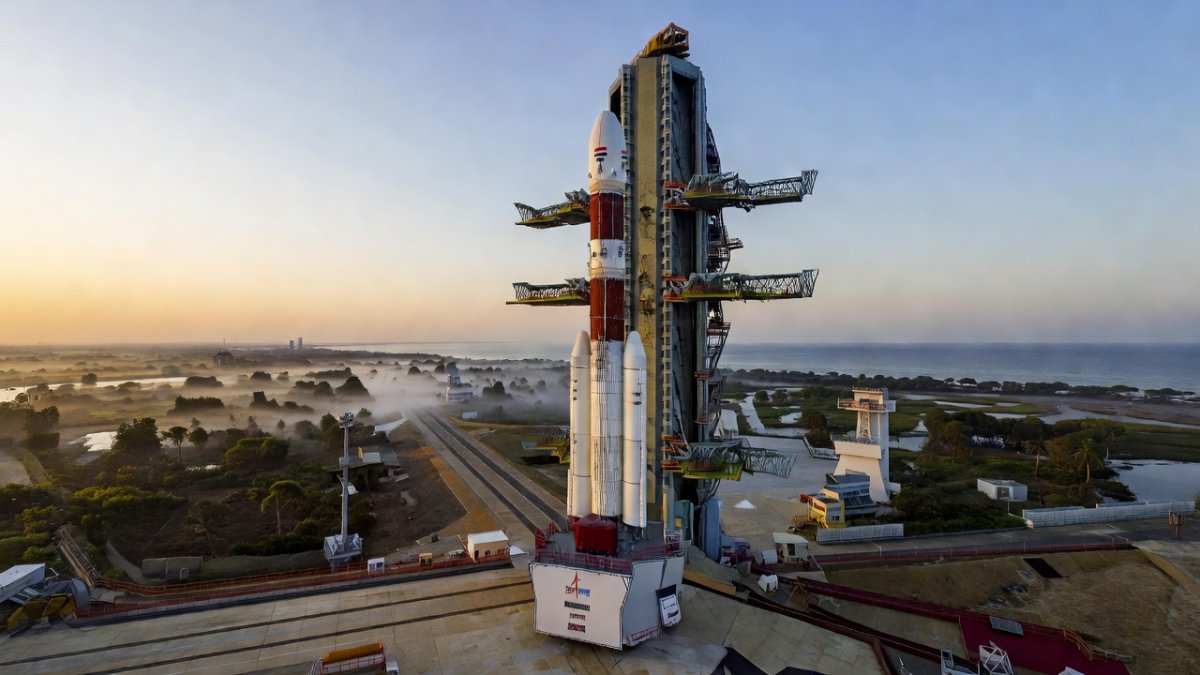
Gaganyaan, India's first human spaceflight programme, now faces staffing pressure at a stage requiring continuous specialist oversight. Chandrayaan follow-up missions, SpaDeX docking experiments and advanced launch vehicle development similarly depend on the very expertise that has begun to leave. Any delay in these programmes carries direct cost implications for Indian taxpayers who fund the Department of Space budget.
Gaganyaan's crewed flight target of 2025 now faces slippage risks, with the Rs 9,023 crore allocation already committed across human-rated launch vehicle development and astronaut training infrastructure. Delays compound because key propulsion and life-support integration teams have thinned, requiring extended validation cycles that increase both direct costs and opportunity costs for the Indian taxpayer.
The Bharatiya Antariksh Station roadmap, targeting an initial module by 2035, depends on sustained expertise in docking mechanisms and long-duration environmental control systems. Any erosion of institutional memory directly affects the projected Rs 10,000 crore outlay, as relearning proprietary interfaces extends timelines and inflates vendor contracts.
China's parallel recruitment of international talent through its national space programmes adds competitive pressure, while the US NASA-SpaceX model demonstrates how public-private handoffs can accelerate capability without proportional increases in government headcount. For India, prolonged mission delays translate into lost revenue from commercial launch contracts and diminished strategic positioning in the global space economy, ultimately borne by public finances supporting the Department of Space.
Political and Administrative Context
Minister of State for Space Jitendra Singh characterised the departures as routine, stating "Many come, many go." This framing contrasts with the July 14 memorandum's explicit restrictions, indicating internal recognition that the current outflow exceeds normal administrative turnover. The tension highlights how political messaging and operational safeguards are being balanced within India's space governance structure.
What This Means for India
India's education system continues to produce highly trained engineers and scientists, yet a growing share of that talent is being absorbed by private entities offering faster career progression and higher compensation. Taxpayers who support ISRO through the national budget now face the prospect of repeated recruitment and training cycles if retention mechanisms are not strengthened. The tech sector's expansion into space therefore creates both opportunity and competition for the same limited pool of specialists.
The Bottom Line
The July 14, 2026 memorandum represents an administrative attempt to protect mission continuity, yet it does not address the underlying pay and bureaucracy gaps driving the exits. With at least 100 scientists already gone and critical programmes such as Gaganyaan and the Bharatiya Antariksh Station on the horizon, India's space programme must reconcile private-sector competition with the need to retain institutional expertise. The coming months will reveal whether the centralised scrutiny can slow the outflow or whether deeper structural reforms become necessary.
— By Dr. Raj Patel, Staff WriterThis article was produced with AI-assisted research and editorial support. Reporting is based on sources cited in the article.
What's Your Reaction?
 Like
0
Like
0
 Dislike
0
Dislike
0
 Love
0
Love
0
 Funny
0
Funny
0
 Wow
0
Wow
0
 Sad
0
Sad
0
 Angry
0
Angry
0

India/South Asia Correspondent at Global1.News. Analytical voice with a background in science and health journalism. Based in New Delhi, covering Indian politics, education, healthcare, technology, and policy. Breaks down complex data into clear, actionable reporting.















Comments (0)