
US Denies Hitting Civilian Targets as Iran War Escalates
In a recent BBC News report, the United States has escalated its military campaign against Iran, launching fresh waves of air strikes and reimposing a naval blockade of Iranian ports as the fragile ceasefire that took hold in June collapses entirely.
In a recent BBC News report, the United States has escalated its military campaign against Iran, launching fresh waves of air strikes and reimposing a naval blockade of Iranian ports as the fragile ceasefire that took hold in June collapses entirely. The White House insists the strikes have been confined to military targets, but Iranian officials and international observers report damage to civilian infrastructure, raising urgent questions about the legal boundaries of modern warfare.
US Denies Hitting Civilian Infrastructure as Iran War Escalates Into Sixth Night of Strikes
Washington, D.C. – 19 July 2026 — The United States has launched a sixth consecutive night of air strikes against Iran, targeting sites across southern Iranian provinces while reimposing a full naval blockade of Iranian ports in the Persian Gulf. The White House insists the strikes have been exclusively directed at military targets, but Iranian officials report damage to bridges, an airport, and a railway station, fuelling an intensifying dispute over the legal boundaries of modern warfare as the fragile June ceasefire collapses.
Collapse of the Ceasefire: From June Talks to Open Conflict
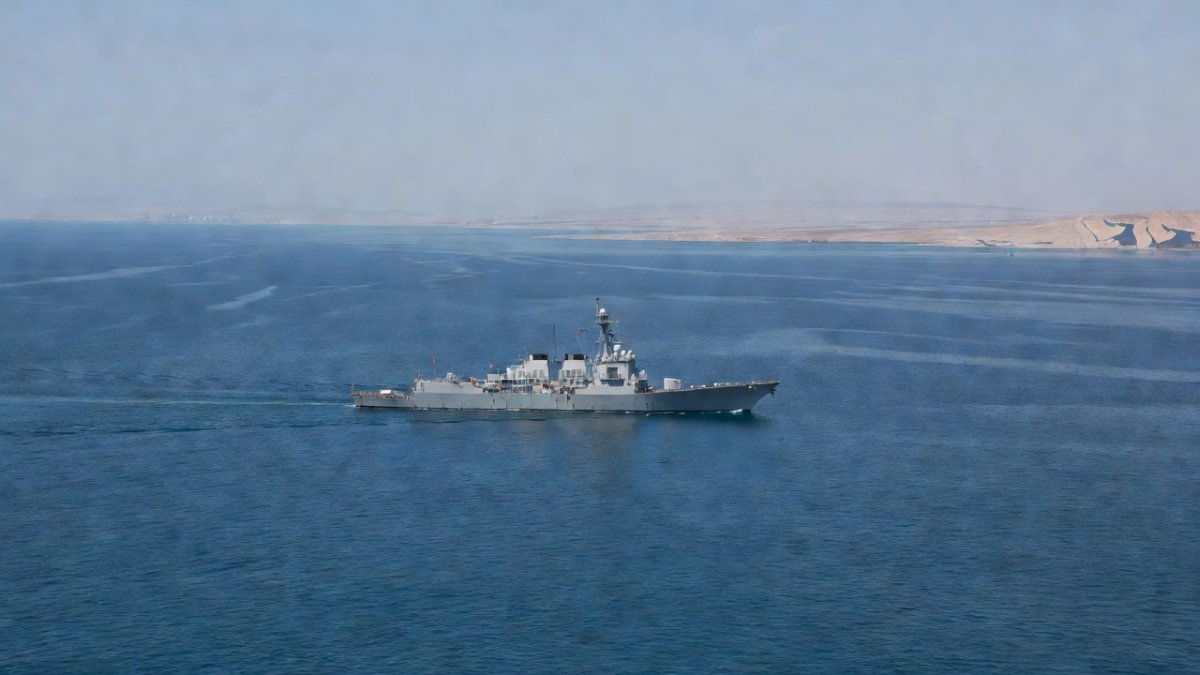
The fragile ceasefire that halted open hostilities between the United States and Iran in June has unravelled completely. For several weeks, the truce was largely observed, even though there were periodic Iranian attacks on oil tankers in the Strait of Hormuz to enforce Tehran's demand that vessels seek authorisation before crossing. The US responded with limited strikes against Iranian coastal defence sites. However, negotiations in Oman made no substantive progress — both sides accused each other of bad faith — and President Donald Trump declared the ceasefire dead last week. Within days, the US military launched its most sustained bombing campaign since the war began in February, striking targets across southern Iran for six consecutive nights and reimposing a full naval blockade of Iranian ports. The rapid escalation has dashed hopes of a diplomatic resolution and raised fears of a wider regional war.
According to US officials, the decision to resume strikes followed repeated Iranian attempts to interdict commercial shipping. Iranian state media, however, framed the tanker attacks as legitimate enforcement measures against vessels violating Tehran's declared exclusion zone. The absence of progress in Oman talks stemmed from fundamental disagreements over sanctions relief and nuclear limits, with each side blaming the other for intransigence. President Donald Trump stated publicly that further diplomacy required renewed pressure, leading directly to the naval blockade and nightly air operations. Centcom coordinated the renewed campaign, focusing on logistics nodes that Washington described as dual-use facilities supporting Iranian military movements.
Regional actors have watched the breakdown with growing alarm. Gulf states that previously maintained distance from direct involvement now face spillover risks, as Iranian retaliation has already reached Kuwait and Bahrain. The collapse leaves no active diplomatic channel, increasing the likelihood that military actions will continue without restraint. Both Washington and Tehran have signalled willingness to absorb costs rather than concede core demands, locking the conflict into a cycle of strike and counter-strike.
Civilian Infrastructure Dispute: What Was Hit and Who Is Right
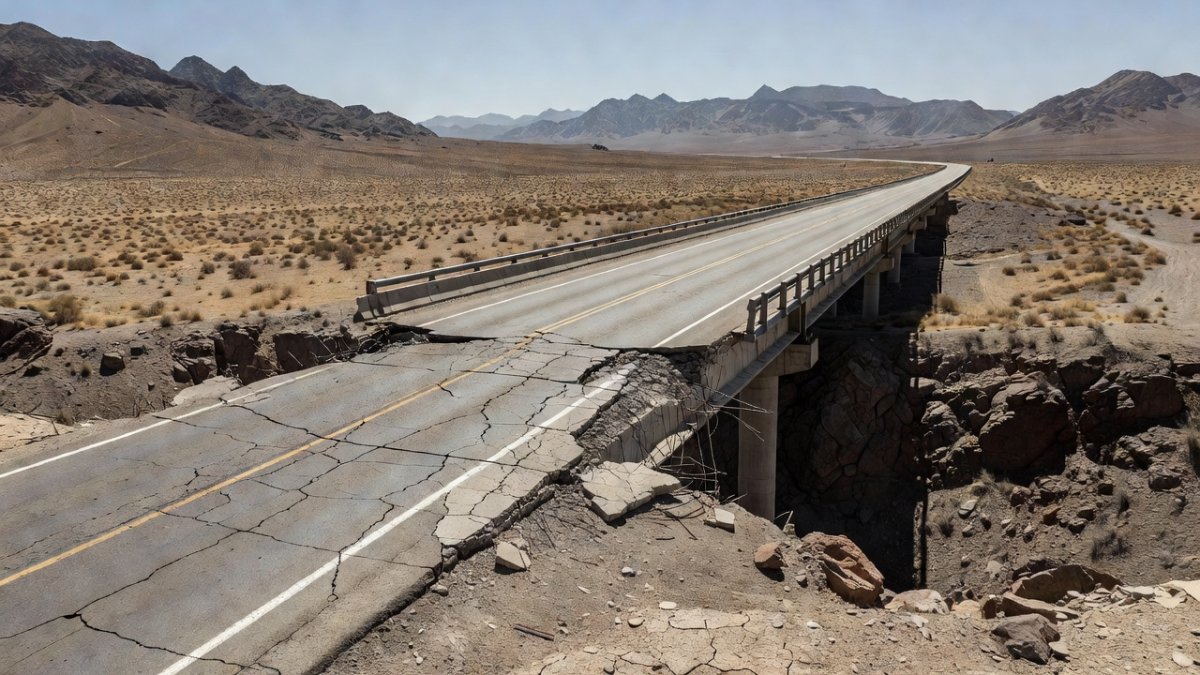
The central flashpoint of the current escalation is a heated dispute over whether US strikes have targeted civilian infrastructure. Iranian state media and provincial authorities in Hormozgan province said Iranshahr Airport, a railway station, and six bridges were hit on Thursday night — the sixth consecutive night of US strikes. BBC Verify and BBC Persian have confirmed damage to the Gariveh Bridge in Hormozgan, analysing night footage that showed a ball of flames on the structure and daylight images revealing a crumbled stretch of road surrounded by rubble. Seven people were killed in the strikes, according to Hormozgan provincial authorities. The White House pushed back forcefully, with a spokesperson telling the BBC that the US had "carried out strikes exclusively on military targets, including military logistics infrastructure." Under international law, attacking civilians or civilian objects is illegal, but civilian infrastructure can lose its protected status if it is being used to support an enemy's war effort. This legal grey area has become the battlefield on which both sides are fighting the information war.
Iranian officials have released imagery and witness accounts asserting that the Gariveh Bridge served primarily civilian traffic between rural communities and regional markets. Provincial authorities in Hormozgan documented the seven fatalities and described the destruction of Iranshahr Airport's civilian terminal alongside the railway station. These claims have been amplified by Iranian state media to portray the US campaign as indiscriminate. In contrast, the White House maintains that all selected targets retained military utility, including bridges used for troop and supply movement. A spokesperson emphasised that targeting decisions followed strict legal review by Centcom lawyers.
Independent verification remains limited. BBC Verify's analysis of the Gariveh Bridge footage established physical damage but could not determine prior military use. International observers note that the legal distinction between military and civilian objects often hinges on intent and function at the moment of attack, a determination difficult to assess from open-source material alone. The dispute has drawn direct comment from UN human rights chief Volker Türk, who reiterated that deliberate strikes on civilian objects constitute war crimes regardless of claimed dual use.
Iran's Retaliation: Striking US Allies Across the Region
Iran's Islamic Revolutionary Guard Corps has responded forcefully, targeting US assets and allies across the Middle East. The IRGC said it struck US maritime surveillance radar sites in Oman as well as targets in Kuwait and Bahrain. It also claims to have attacked a US special operations command centre at al-Tanf in Syria. Kuwait bore the brunt of the Iranian response: Kuwaiti authorities reported that Iranian strikes had hit power generation and water desalination stations, and the Kuwaiti army said several personnel were wounded by Iranian drones targeting facilities and camps on Friday morning. Centcom said in a post on X that no US troops in the region had recently been killed or captured. The broadening of the conflict to include Gulf states that have no direct role in the US-Iran war marks a dangerous new phase — one that could trigger a cascading regional confrontation.
From the Iranian perspective, these strikes serve as proportionate retaliation against US escalation and its regional partners. IRGC statements described the attacks on Kuwaiti infrastructure as responses to facilities allegedly supporting American operations. Kuwaiti officials, however, condemned the strikes as unjustified aggression against a neutral state and reported damage to civilian power and water systems. The wounding of Kuwaiti army personnel has prompted emergency medical deployments and heightened alert status across Gulf militaries.
US Central Command has sought to reassure allies that American forces remain capable of defending partner nations while continuing operations against Iran. The involvement of Oman and Bahrain alongside Kuwait illustrates how the conflict has drawn in states previously peripheral to the fighting. Analysts note that sustained Iranian pressure on these countries could strain US alliance commitments and complicate future diplomatic efforts.
The Strait of Hormuz: A Chokehold on Global Energy
The Strait of Hormuz has been effectively shut throughout the war, with devastating consequences for global energy markets. A fifth of the world's oil and liquefied natural gas used to transit through this narrow waterway off Iran's coast. Tehran's forces have attacked tankers attempting to cross, while the US blockade prevents vessels from reaching Iranian ports. The head of the International Energy Agency, Fatih Birol, told the BBC he is "worried" about global energy supplies. "We should be worried, and I am worried, if the situation does not improve in the next few weeks," Birol said. On Friday, the UK Maritime Trade Operations reported that a tanker was hit by an unknown projectile while sailing near Khasab in Oman. All crew members were reported safe, but the incident underscores the danger facing commercial shipping in these waters.
The closure has forced rerouting of energy cargoes around Africa, sharply increasing shipping costs and delivery times. Fatih Birol's remarks reflect broader industry concern that prolonged disruption could trigger price spikes and supply shortages in import-dependent economies. Iranian authorities have justified tanker interdictions as enforcement of sovereign rights over the strait, while the United States portrays the naval blockade as a necessary measure to prevent Iranian resupply.
Commercial operators now face elevated insurance premiums and uncertain transit conditions. The Thursday incident near Khasab demonstrates that even vessels avoiding direct Iranian waters remain vulnerable. Energy analysts warn that any further closure of alternative routes would compound existing market stress.

International Reaction: UN Warning and Legal Concerns
The international community has reacted with alarm to the escalating conflict. UN Secretary-General Antonio Guterres expressed concern about the escalation, particularly over "attacks on civilian infrastructure in Iran and across the region," his spokesperson said. The UN human rights chief, Volker Türk, has been even more pointed. After Trump said in April that the US would bomb civilian infrastructure in Iran, including bridges and power plants, Türk warned that "deliberately attacking civilians and civilian infrastructure is a war crime." These statements place the US military campaign under intense legal scrutiny, though Washington maintains that its targeting decisions comply with international humanitarian law. The absence of a functioning diplomatic channel has amplified the risk of unchecked escalation.
Antonio Guterres has called for immediate de-escalation and renewed talks, citing the humanitarian toll already visible in affected provinces. Volker Türk's explicit reference to war crimes has placed additional pressure on both parties to document targeting procedures. European governments have echoed these concerns while urging restraint from all sides.
Washington continues to assert that its operations adhere to the principles of distinction and proportionality. Iranian representatives have countered that US actions violate these same standards, pointing to the confirmed bridge damage and reported civilian deaths. The lack of an active UN Security Council resolution leaves enforcement of international norms dependent on voluntary compliance.
Analysis — A War Without Off-Ramps
The collapse of the June ceasefire and the resumption of full-scale hostilities have left both the United States and Iran locked in a conflict that neither appears able to end on favourable terms. For Washington, the blockade and sustained bombing campaign have failed to force Tehran back to the negotiating table — indeed, they have provoked ever-wider retaliation against US allies. For Tehran, the war has devastated its military infrastructure and closed its ports, but its asymmetric response — striking at Gulf state infrastructure and targeting commercial shipping — ensures that the costs of the conflict are felt far beyond Iran's borders. The Strait of Hormuz remains closed, global energy markets are under strain, and the risk of miscalculation grows with each night of strikes. With no ceasefire talks on the horizon and both sides dug into maximalist positions, the conflict shows no signs of de-escalation.
President Donald Trump's earlier threats to target bridges and power stations have now materialised in the current campaign, yet Iranian resolve appears undiminished. The IRGC's regional strikes demonstrate Tehran's capacity to impose costs on US partners even while absorbing direct blows. This dynamic suggests that military pressure alone is unlikely to produce the diplomatic outcome both sides claim to seek. Observers assess that any path to renewed talks would require significant concessions neither government has shown willingness to offer.
The involvement of additional regional actors further complicates exit strategies. Kuwait's reported casualties and infrastructure damage have introduced new grievances that could outlast the immediate US-Iran confrontation. Without a credible mediator or shared interest in de-escalation, the present trajectory points toward continued attrition rather than negotiated settlement.
By Irina Volkov, Staff Writer
This article was produced with AI-assisted research and editorial support. Reporting is based on sources cited in the article.
What's Your Reaction?
 Like
0
Like
0
 Dislike
0
Dislike
0
 Love
0
Love
0
 Funny
0
Funny
0
 Wow
0
Wow
0
 Sad
0
Sad
0
 Angry
0
Angry
0

Russia/Eastern Europe Correspondent at Global1.News. Covering Russian politics, energy, security, and the shifting dynamics of the post-Soviet space. Provides clear-eyed analysis on one of the world's most opaque regions.










Comments (0)