
At least 11 dead, iconic Kyiv cathedral burns in new Russian strikes
Russia launched 70 missiles and 611 drones in a coordinated overnight barrage that struck multiple districts across Kyiv. Ukrainian air defenses reported intercepting or suppressing 632 of the 681 aerial targets, yet the scale of the assault overwhelmed protective measures in several neighborhoods. The strikes killed at least 11 civilians and emergency workers while wounding 53
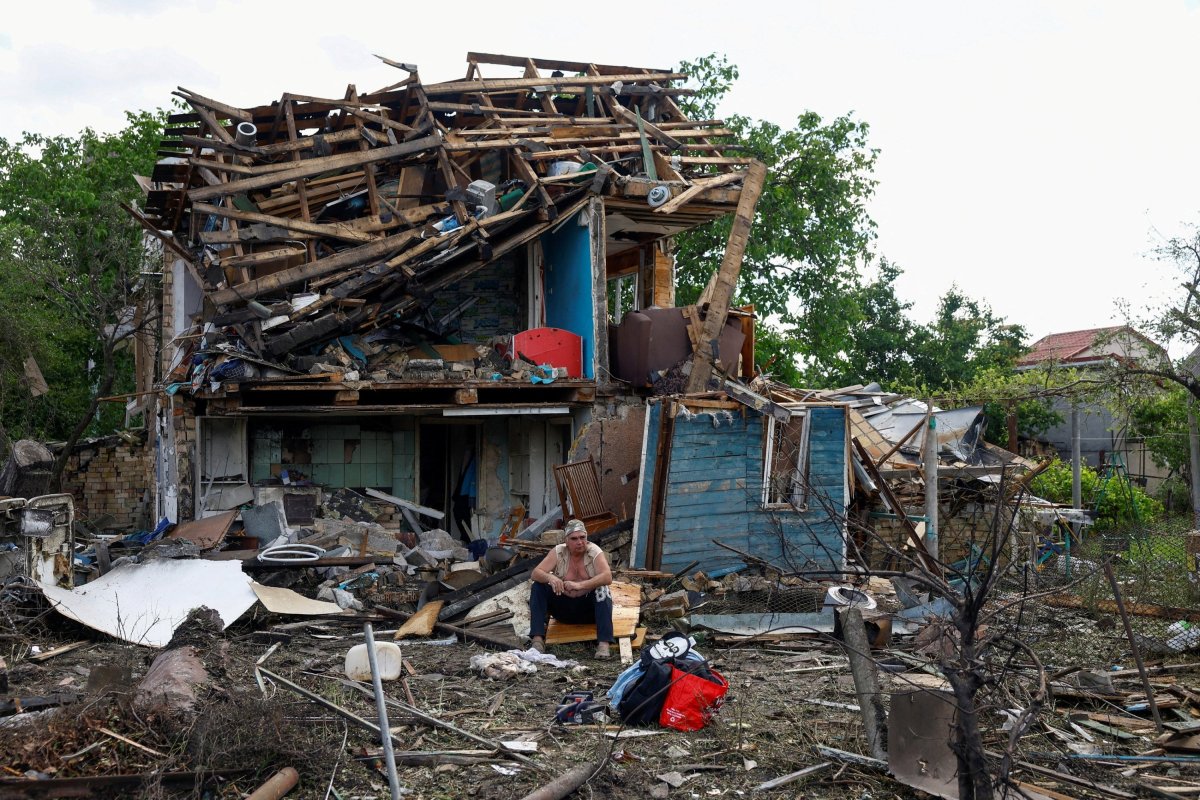
Russia launched 70 missiles and 611 drones in a coordinated overnight barrage that struck multiple districts across Kyiv. Ukrainian air defenses reported intercepting or suppressing 632 of the 681 aerial targets, yet the scale of the assault overwhelmed protective measures in several neighborhoods. The strikes killed at least 11 civilians and emergency workers while wounding 53 others, underscoring the persistent vulnerability of urban centers despite repeated warnings of escalation.
At least 11 dead, iconic Kyiv cathedral burns in new Russian strikes
Beirut, Lebanon – June 15, 2026 — The overnight Russian strikes on Kyiv mark a significant escalation that carries implications far beyond the battlefield, reshaping calculations from Ankara to Riyadh and testing the coherence of Western diplomatic strategy.
The Overnight Assault: Missiles, Drones, and Civilian Toll
Russia launched 70 missiles and 611 drones in a coordinated overnight barrage that struck multiple districts across Kyiv. Ukrainian air defenses reported intercepting or suppressing 632 of the 681 aerial targets, yet the scale of the assault overwhelmed protective measures in several neighborhoods. The strikes killed at least 11 civilians and emergency workers while wounding 53 others, underscoring the persistent vulnerability of urban centers despite repeated warnings of escalation.
In the Shevchenkivskyi district, a 25-story apartment building, market, and grocery store sustained direct hits, scattering debris across residential streets. The Obolonskyi district saw a nine-story building damaged, forcing residents into shelters amid ongoing fires. Among the wounded were two children aged five and six, highlighting how the attacks penetrated everyday civilian spaces rather than purely military sites.
These figures reflect a deliberate choice to combine mass drone waves with precision missiles, testing Ukrainian interception capacity at multiple altitudes. The resulting casualties and infrastructure damage illustrate the human cost of sustained aerial pressure, even when most incoming threats are neutralized. Regional observers note that such operations serve both tactical and signaling purposes in a conflict that continues to draw in wider strategic calculations.
Damage to the Kyiv-Pechersk Lavra: A Cultural Catastrophe
Two drones struck the historic Kyiv-Pechersk Lavra, an 11th-century monastery complex, igniting a fire on the roof of the Dormition Cathedral. The damage to this UNESCO-recognized site prompted immediate condemnation from Ukrainian leaders who described the attack as an assault on shared cultural heritage. President Zelenskyy called it the biggest crime yet against Christian culture, while Metropolitan Epiphanius labeled the strike a crime against history and Christianity itself.
Russian statements claimed without evidence that a Ukrainian Patriot missile caused the destruction, shifting responsibility away from the incoming drones. French officials drew parallels to the 2019 Notre Dame fire, framing the incident as an attack on European civilizational landmarks. Such rhetoric elevates the Lavra beyond a local religious site into a symbol of broader cultural stakes.
The episode reveals how aerial campaigns can intersect with heritage protection concerns, complicating diplomatic narratives around proportionality. Damage to centuries-old structures risks alienating neutral observers and reinforcing arguments that the conflict extends beyond military objectives into the realm of identity and memory. This dimension adds layers to international responses that already balance security assistance with cultural preservation priorities.
Diplomatic Timing: Strikes After Trump Calls
Zelenskyy and Putin held separate conversations with President Trump on Sunday, yet the Russian strikes commenced hours afterward. This sequence suggests Moscow sought to demonstrate that military operations would proceed independently of high-level diplomatic engagement. The timing appears calibrated to shape expectations ahead of the G7 summit scheduled in France on Tuesday, where both Zelenskyy and Trump are expected to attend.
By maintaining pressure on Kyiv immediately after the calls, Russia signals that negotiations will occur under conditions of ongoing battlefield initiative rather than pauses. Such moves complicate efforts to establish de-escalation frameworks and remind participants that aerial campaigns remain a core instrument of leverage. Observers interpret the pattern as an attempt to influence the parameters of any future talks.
The episode underscores the challenges of synchronizing personal diplomacy with operational realities in a multi-front conflict. European capitals monitoring the G7 preparations now face the task of addressing both the immediate humanitarian fallout and the broader strategic message embedded in the timing of the assault.
Russia-Iran Drone Cooperation: The Shahed Pipeline
The drones deployed in the Kyiv attack trace their origins to established Russia-Iran military cooperation centered on Shahed designs. This partnership supplies Russia with scalable strike capacity while providing Iran with revenue and battlefield testing data. The volume of 611 drones launched overnight illustrates the depth of this production and transfer arrangement, which has evolved since 2022 into a sustained supply line.
Iranian drone proliferation raises parallel concerns for Israel and Gulf states monitoring Tehran's regional reach. The same technology enabling strikes on Ukrainian cities could be adapted for other theaters, linking the European conflict to Middle Eastern security calculations. Western sanctions have not severed this channel, allowing both parties to circumvent restrictions through indirect routes.
Strategic analysts view the Shahed pipeline as a durable feature of Russia-Iran alignment rather than a temporary wartime expedient. Its persistence affects threat assessments across multiple regions and influences debates over sanctions enforcement and technology controls. The Kyiv operation serves as a visible demonstration of how this cooperation translates into operational outcomes.
Russia's Syrian Footprint: Strategic Depth and Diversion
Russian bases at Tartous and Hmeimim continue to anchor Moscow's presence in Syria, providing logistical reach and coordination with Iran-backed militias. These facilities offer a hedge against Western pressure on the Ukrainian front by maintaining alternative avenues for influence and resupply. The Syrian theater allows Russia to project power into the Mediterranean while sustaining partnerships that complicate NATO planning.
Questions persist over whether elements of these forces could be redeployed to support operations elsewhere, though current commitments suggest Syria functions more as a fixed strategic asset. Energy security implications arise from Russian naval access near key shipping lanes, affecting European calculations around diversification. The continued coordination with local actors reinforces Moscow's ability to shape outcomes beyond its immediate borders.
This footprint illustrates how conflicts in one region can sustain leverage in others through established infrastructure. Gulf and European policymakers track these movements closely, recognizing that Syrian stability remains tied to broader Russian strategic options amid the ongoing Ukrainian campaign.
Energy Markets and European Dependence
European gas dependence has shifted since 2022 toward LNG imports from Qatar and the United States, yet vulnerability persists amid prolonged conflict. OPEC+ dynamics, particularly Saudi Arabia and UAE production decisions, influence price stability as higher energy costs accompany sustained fighting. Winter supply concerns for 2026-2027 already factor into European planning documents.
The Kyiv strikes contribute to market volatility by signaling that infrastructure targeting remains a Russian option. This uncertainty encourages Gulf producers to balance output levels carefully, weighing revenue needs against the risk of renewed sanctions pressure. European diversification efforts continue but face limits in storage capacity and contractual flexibility.
Analysts note that energy price spikes could accelerate during peak demand periods, affecting both household costs and industrial competitiveness. The intersection of Ukrainian developments with Middle Eastern production decisions creates a feedback loop that shapes fiscal and security policies across the continent.
The Iran War Divides Western Attention
President Zelenskyy has expressed concern that conflict involving Iran diverts G7 focus from Ukraine at a critical juncture. Managing simultaneous crises strains U.S. weapons resupply chains and European defense budgets already stretched by commitments to multiple theaters. Diplomatic bandwidth becomes limited when attention splits between Eastern Europe and the Middle East.
Allocation decisions over advanced systems now compete with requirements for Israel, reducing the margin for additional Ukrainian support. European governments face domestic pressures to prioritize regional stability while maintaining solidarity with Kyiv. This division risks diluting coordinated responses that previously characterized Western policy.
The dynamic highlights how regional flare-ups can alter the strategic environment for ongoing conflicts. Observers anticipate that G7 discussions will need to address both immediate Ukrainian needs and the wider implications of divided resources, potentially affecting the pace of future assistance packages.
Gulf State Hedging: Saudi Arabia and UAE Between Washington and Moscow
Saudi Arabia and the UAE maintain OPEC+ coordination with Russia while pursuing Vision 2030 economic diversification that requires regional stability. Trade ties with Moscow persist alongside formal compliance with Western sanctions regimes, reflecting a calculated approach to balancing relationships. Independent diplomacy allows Gulf capitals to preserve leverage as energy swing producers.
This hedging strategy enables engagement with both Washington and Moscow without full alignment. The Ukrainian conflict adds pressure on these calculations, as energy market fluctuations directly affect Gulf revenues and investment timelines. Western partners monitor the extent to which Gulf states might facilitate indirect channels that sustain Russian capabilities.
Strategic autonomy in the Gulf thus intersects with European security concerns, creating space for quiet diplomacy that may influence sanctions effectiveness. The pattern suggests that energy-producing states will continue navigating multiple alignments rather than choosing exclusive partnerships.
Turkey's Dual Role: NATO Ally and Russian Mediator
Turkey's NATO membership coexists with direct communication channels to President Putin, enabling past mediation successes such as the grain deal and prisoner exchanges. This dual positioning positions Ankara to explore new opportunities as G7 attention fragments across competing crises. Black Sea security remains a core Turkish interest tied to both alliance obligations and bilateral arrangements.
Erdogan's balancing act allows Turkey to facilitate dialogue without appearing to favor either side exclusively. The current environment of divided Western focus may create openings for Turkish initiatives that address immediate humanitarian or economic issues. Such efforts could complement or occasionally diverge from G7 approaches.
Regional actors recognize that Turkish mediation carries credibility derived from sustained engagement rather than formal alignment. This role could prove relevant in managing spillover effects from the Ukrainian conflict into adjacent theaters where Ankara holds influence.
Outlook: Fragmented Diplomacy and Regional Risks
G7 summit outcomes remain uncertain as competing crises reduce collective leverage over the Ukrainian conflict. Energy price volatility continues to affect European economies while Gulf and Turkish independent diplomacy introduces additional variables into negotiations. The risk of prolonged fighting carries ripple effects that extend into Middle Eastern security calculations.
Fragmented attention may slow weapons deliveries and diplomatic initiatives, allowing battlefield dynamics to dictate terms. Regional powers positioned between major blocs could gain influence as intermediaries or energy suppliers. These trends suggest that the conflict's trajectory will increasingly intersect with broader geopolitical realignments.
Observers anticipate sustained volatility rather than decisive breakthroughs, with Middle Eastern actors playing expanded roles in managing consequences. The interplay between European security needs and Gulf-Turkish maneuvering will shape the parameters of any emerging settlement framework.
By Malik Hassan, Staff WriterThis article was produced with AI-assisted research and editorial support. Reporting is based on sources cited in the article.
What's Your Reaction?
 Like
0
Like
0
 Dislike
0
Dislike
0
 Love
0
Love
0
 Funny
0
Funny
0
 Wow
0
Wow
0
 Sad
0
Sad
0
 Angry
0
Angry
0

Middle East Correspondent at Global1.News. Based in Beirut, covering politics, conflict, energy, and society across the Middle East. Brings context and depth to a region often reduced to headlines.












Comments (0)