
Oil Spill Dispute in the Gulf of Paria Highlights Need for Stronger Regional Environmental Ties
Oil Spill Dispute in the Gulf of Paria Highlights Need for Stronger Regional Environmental Ties The Spill Detection and Initial Response in Trinidad and Tobago Waters In the early hours of May 1, 2026, Heritage Petroleum Company Limited identified an oil spill at its offshore Main Field operation in the Gulf of Paria. The detection occurred around 7:25 a.m., and the company pro
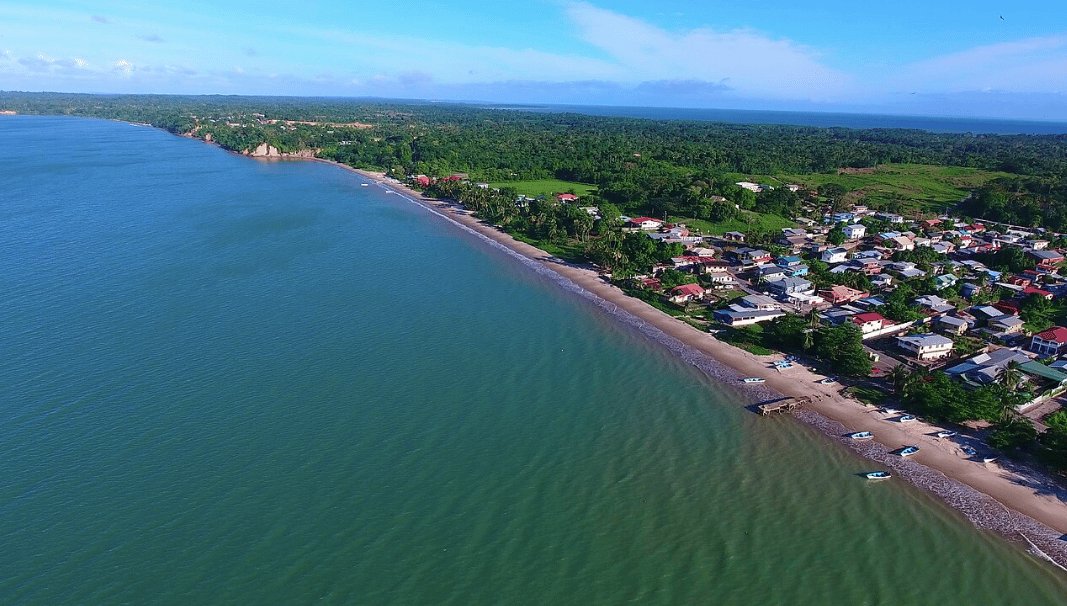
The Spill Detection and Initial Response in Trinidad and Tobago Waters
In the early hours of May 1, 2026, Heritage Petroleum Company Limited identified an oil spill at its offshore Main Field operation in the Gulf of Paria. The detection occurred around 7:25 a.m., and the company promptly alerted the Ministry of Energy and Energy Industries, the Coast Guard, and the Environmental Management Authority. According to reports from Port of Spain, roughly 10 barrels were released before the leak was contained the same day, with repairs completed and operations resuming on May 2. This incident, though described locally as minor, has since sparked a diplomatic exchange that touches the heart of our shared Caribbean waters.
Trinidad and Tobago's energy sector remains a cornerstone of the national economy, supporting jobs and revenue in communities from Point Fortin to the northern coast. The Main Field forms part of that vital infrastructure, yet events like this remind us how quickly an offshore issue can ripple outward. Modelling conducted by local authorities indicated that untreated hydrocarbons might have drifted toward Venezuelan waters, leading to the deployment of chemical dispersants some six to eight nautical miles from the maritime border. Follow-up checks by drone and vessel showed no visible surface hydrocarbons afterward, offering some reassurance to those of us who live by these waters.
Venezuela Raises the Alarm and Presents Its Evidence
Venezuela went public on May 12, 2026, with Foreign Minister Yván Gil calling for information and possible compensation. Acting President Delcy Rodríguez directed a team of environmental specialists, biologists, and naval personnel to assess impacts. Caracas pointed to satellite imagery dating back to April 28, which it says showed a slick originating from Trinidadian waters well before the official May 1 detection. This timeline detail has added layers of complexity to the discussions between the two neighbours.
The Venezuelan side warned of risks across 1,625 square kilometres, affecting 12 wetland systems, four national parks, and the livelihoods of more than 500 fishermen in Sucre and Delta Amacuro states. For fishing families on both sides of the Gulf of Paria, such concerns feel immediate. In Trinidad and Tobago, communities along the western coast also depend on these waters for their daily catch, and any cross-border effect could influence market prices and household incomes in places like Icacos or Cedros.
Trinidad and Tobago Maintains Its Account of Events
Port of Spain has characterised the event as a contained 10-barrel spill that posed limited threat once addressed. Officials note that the rapid response prevented wider spread, and trajectory modelling guided the targeted use of dispersants near the border area. Neither Heritage Petroleum nor the government issued a public statement until Venezuela brought the matter forward internationally on May 12. This sequence has prompted questions at home about communication practices in the energy sector.
Our small island state realities make transparent handling of such incidents essential. The Gulf of Paria serves as both an energy hub and a source of food security for coastal villages. When information stays internal for days or weeks, it can leave fishing communities uncertain about the safety of their grounds and the long-term health of the marine environment that sustains them.
Former Minister Stuart Young Calls for Immediate Investigation
Former Energy Minister Stuart Young has urged prompt action, stating: "There must be an investigation now into who suppressed this information of an oil spill since May 1." His remarks reflect a broader desire within Trinidad and Tobago for clarity on internal processes. Such calls resonate with citizens who value accountability, especially when energy operations sit so close to shared ecosystems and livelihoods.
Current Energy Minister discussions with Venezuelan counterparts are now being arranged. These talks could open space for joint review of response protocols and data sharing. In a region where energy projects often cross invisible lines on the map, timely dialogue helps prevent minor incidents from growing into larger disputes.
Impacts on Fishing Communities and Local Economies
More than 500 fishermen in Venezuelan states stand to feel the effects if pollutants reach the wetlands and parks mentioned. On the Trinidad side, similar concerns arise for families who have fished these waters for generations. The cost of living pressures already felt across the Caribbean make any threat to marine resources particularly sensitive. A single spill, even if limited in volume, can influence catch sizes and the confidence of buyers in local markets.
Environmental governance in small island states like ours requires constant attention to these interconnections. The Gulf of Paria is not just a body of water separating two countries; it is a shared resource that supports both energy production and traditional fishing practices. Strengthening cross-border notification systems could help protect both sectors while maintaining the trust of coastal residents.
CARICOM and the Case for Improved Regional Frameworks
This episode underscores the value of CARICOM mechanisms in addressing transboundary environmental matters. Neighbouring states that share marine spaces benefit from agreed procedures for notification, joint monitoring, and compensation discussions. Without such frameworks, incidents can quickly move from technical responses to diplomatic exchanges, as seen here.
Trinidad and Tobago's position within CARICOM places it at the centre of conversations about collective standards for offshore operations. Neighbouring countries face similar challenges with energy development and ecosystem protection. Coordinated approaches could reduce the likelihood of future disagreements and support the sustainable use of resources that matter to fishing villages and energy workers alike.
Political Climate and Territorial Context
The current row occurs against a backdrop of longstanding territorial claims by Venezuela, including assertions regarding Trinidad and Tobago. Maduro is currently in US custody, adding another dimension to an already charged atmosphere. In such conditions, environmental incidents can intersect with wider political narratives, making measured responses all the more important.
Both nations have histories of managing shared waters through practical cooperation. The present situation offers an opportunity to revisit those channels with fresh attention to transparency and community involvement. For residents of the Gulf of Paria region, steady bilateral engagement remains preferable to prolonged public exchanges.
Path Forward for Neighbours Sharing the Gulf
Arranged talks between energy officials represent a constructive next step. They could cover improved satellite data sharing, standardised spill modelling, and clearer public communication timelines. Such measures would align with the realities of operating in a busy, ecologically sensitive waterway that supports livelihoods on both sides.
Trinidad and Tobago continues to balance its energy responsibilities with environmental stewardship. The recent events in the Gulf of Paria serve as a reminder that vigilance and openness benefit everyone who depends on these waters, from offshore workers to fishing families in coastal communities. Continued focus on practical cooperation may help turn this episode into a foundation for stronger regional practices. By Sharon Sahatoo, Staff Writer
This article was produced with AI-assisted research and editorial support. Reporting is based on sources cited in the article.
What's Your Reaction?
 Like
0
Like
0
 Dislike
0
Dislike
0
 Love
0
Love
0
 Funny
0
Funny
0
 Wow
0
Wow
0
 Sad
0
Sad
0
 Angry
0
Angry
0

Caribbean Correspondent at Global1.News. Based in Port of Spain, Trinidad, covering Caribbean politics, economy, energy, climate, and culture. Amplifying the voices and stories of the Caribbean region.









Comments (0)