
Kurdish Doctor Tortured by Hamas in Gaza: i24NEWS Exclusive Interview Reveals Inside Account
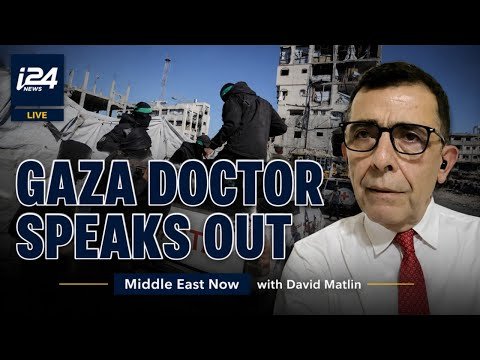
In a recent i24NEWS exclusive report, Kurdish volunteer doctor Bakhtyar Baram described his detention and torture by Hamas members near Kamal Adwan Hospital in northern Gaza. The interview, conducted by i24NEWS correspondent Matthias Inbar and published this week, offers a direct account from a foreign medical worker who entered the territory multiple times since the war began.
In a recent i24NEWS exclusive report, Kurdish volunteer doctor Bakhtyar Baram described his detention and torture by Hamas members near Kamal Adwan Hospital in northern Gaza. The interview, conducted by i24NEWS correspondent Matthias Inbar and published this week, offers a direct account from a foreign medical worker who entered the territory multiple times since the war began. Baram, an orthopedic surgeon originally from Iraqi Kurdistan and now based in Denmark, detailed how Hamas fighters accused him of espionage for Israel during his work in the area.
The conflict between Israel and Hamas has now reached its 20th month, with IDF operations continuing to target Hamas infrastructure across Gaza. Baram's account aligns with repeated statements from the IDF Spokesperson's Unit regarding Hamas's embedding of military assets inside civilian sites. His testimony arrives as the Prime Minister's Office and Foreign Ministry coordinate diplomatic responses to ongoing UN and WHO statements about Gaza's healthcare facilities.
Exclusive Testimony Emerges from Gaza's War Zone
Jerusalem, Israel — In a recent i24NEWS report, Kurdish volunteer doctor Bakhtyar Baram described his detention and torture by Hamas members near Kamal Adwan Hospital in northern Gaza. The interview, conducted by i24NEWS correspondent Matthias Inbar and published this week, offers a direct account from a foreign medical worker who entered the territory multiple times since the war began. Baram, an orthopedic surgeon originally from Iraqi Kurdistan and now based in Denmark, detailed how Hamas fighters accused him of espionage for Israel during his work in the area.
Detention and Torture Near Kamal Adwan Hospital
Baram recounted the specific incident in which Hamas operatives attacked and detained him while he provided orthopedic care near Kamal Adwan Hospital. The group held him on charges of spying for Israel, despite his status as a volunteer unaffiliated with any military force. He described physical torture during the detention before his eventual release.
This event occurred in northern Gaza, where the IDF has conducted targeted operations against Hamas battalions since the war's early phases. The Shin Bet has previously documented cases of foreign nationals being used as leverage by Hamas in similar accusations. Baram's experience highlights the risks faced by humanitarian workers operating in zones where Hamas maintains active command structures.
Israeli security assessments have long warned that such detentions serve to deter independent medical activity and reinforce Hamas control over access to treatment sites. The Foreign Ministry has cited comparable incidents when briefing European governments on the challenges of delivering aid without Hamas interference.
Hamas Exploitation of Medical Infrastructure
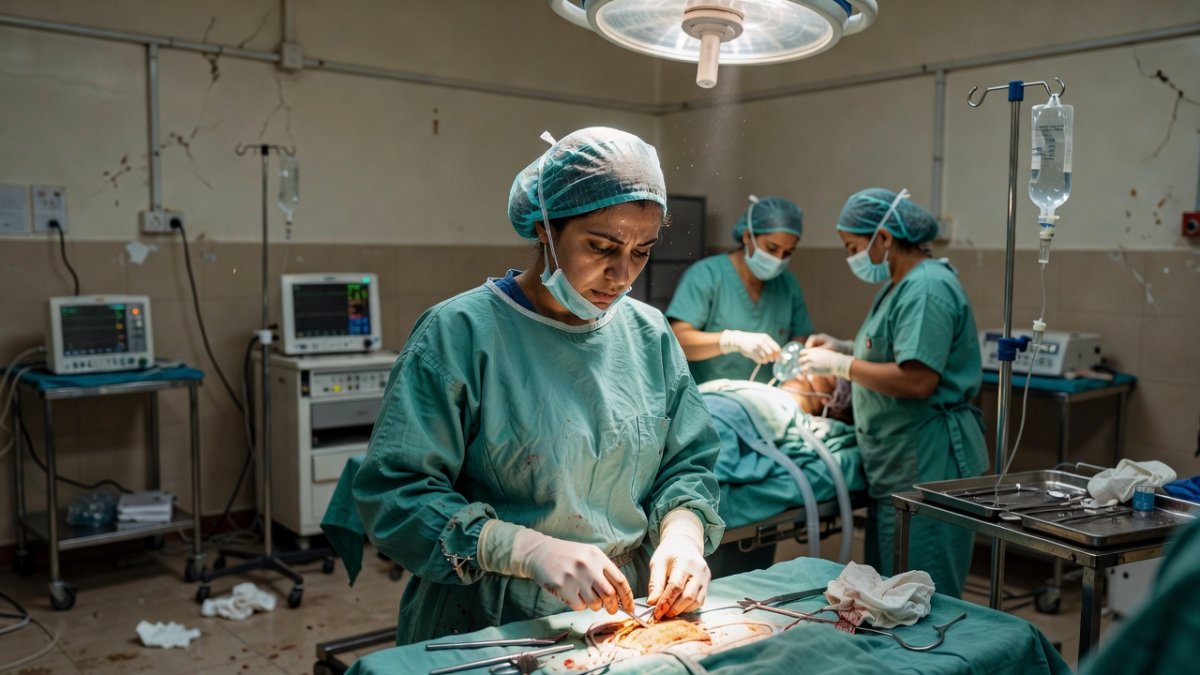
Baram stated that Hamas systematically uses hospitals and medical facilities for military purposes, including command centers and weapons storage. He referenced patterns at both Shifa Hospital in Gaza City and Kamal Adwan Hospital in the north, consistent with IDF findings from raids that uncovered tunnels and operational rooms beneath these sites.
The IDF has released footage and documents from Shifa Hospital showing Hamas use of the facility for planning attacks on Israeli communities. Similar evidence emerged from operations at Kamal Adwan Hospital, where troops found military equipment stored alongside patient wards. Baram's observations as an on-site volunteer add a firsthand layer to these military disclosures.
These practices directly affect daily security calculations in southern Israel, where communities near the Gaza border remain under threat from Hamas rocket and tunnel operations launched from civilian areas. The Ministry of Defense continues to adjust operational protocols based on such intelligence to minimize risks to both Israeli forces and Gaza civilians.
Popular Support Levels and Intimidation Tactics
Baram estimated that only about 10 percent of Gazans actively support Hamas, with the organization sustaining its rule through systematic intimidation rather than broad consent. He noted that Hamas refused medical treatment to Palestinians it viewed as disloyal, a claim he first made in a 2024 interview with Rudaw.
This dynamic shapes the environment in which the IDF operates during its campaign to dismantle Hamas governance structures. Israeli officials in the Knesset Foreign Affairs and Defense Committee have referenced similar internal Gaza dynamics when discussing the need for long-term deradicalization measures beyond immediate military objectives.
Regional analysts in Tel Aviv note that Hamas's reliance on coercion limits its resilience against sustained pressure from Israeli operations. The testimony underscores why Palestinian Authority officials in Ramallah have remained sidelined in Gaza affairs since Hamas seized control in 2007.
Implications for Israeli Diplomacy and Security Policy
Baram's account provides concrete support for Israel's position in international forums where the UN and WHO have criticized IDF actions against Gaza healthcare sites without addressing Hamas's documented military use of those locations. The Foreign Ministry has circulated such volunteer testimonies to EU capitals to counter narratives that ignore Hamas's tactics.
Israeli defense planners view these reports as validation for continued operations targeting dual-use infrastructure, even as humanitarian access remains restricted by Hamas diversion of supplies. The episode also reinforces Mossad assessments of Hamas's willingness to target neutral actors to maintain internal discipline.
For residents of Israel, the interview highlights the persistent threat environment that necessitates ongoing vigilance by the IDF and security services. It further illustrates the challenges of achieving stable post-conflict arrangements in Gaza while Hamas retains coercive power over the population.
Baram's decision to speak publicly after returning to Denmark adds to a limited set of independent accounts from inside the territory. Israeli media and policy circles continue to track such statements for insights into conditions that affect both the pace of the current campaign and prospects for future arrangements along the border.
By Hannah Berg, Staff Writer
This article was produced with AI-assisted research and editorial support. Reporting is based on sources cited in the article.
What's Your Reaction?
 Like
0
Like
0
 Dislike
0
Dislike
0
 Love
0
Love
0
 Funny
0
Funny
0
 Wow
0
Wow
0
 Sad
0
Sad
0
 Angry
0
Angry
0
Israel Correspondent at Global1.News. Based in Tel Aviv, covering Israeli politics, security, technology, and society. Provides balanced, deeply-sourced reporting on one of the most closely-watched regions in the world.















Comments (0)