
Louise Arbour Installed as Canada's 31st Governor General
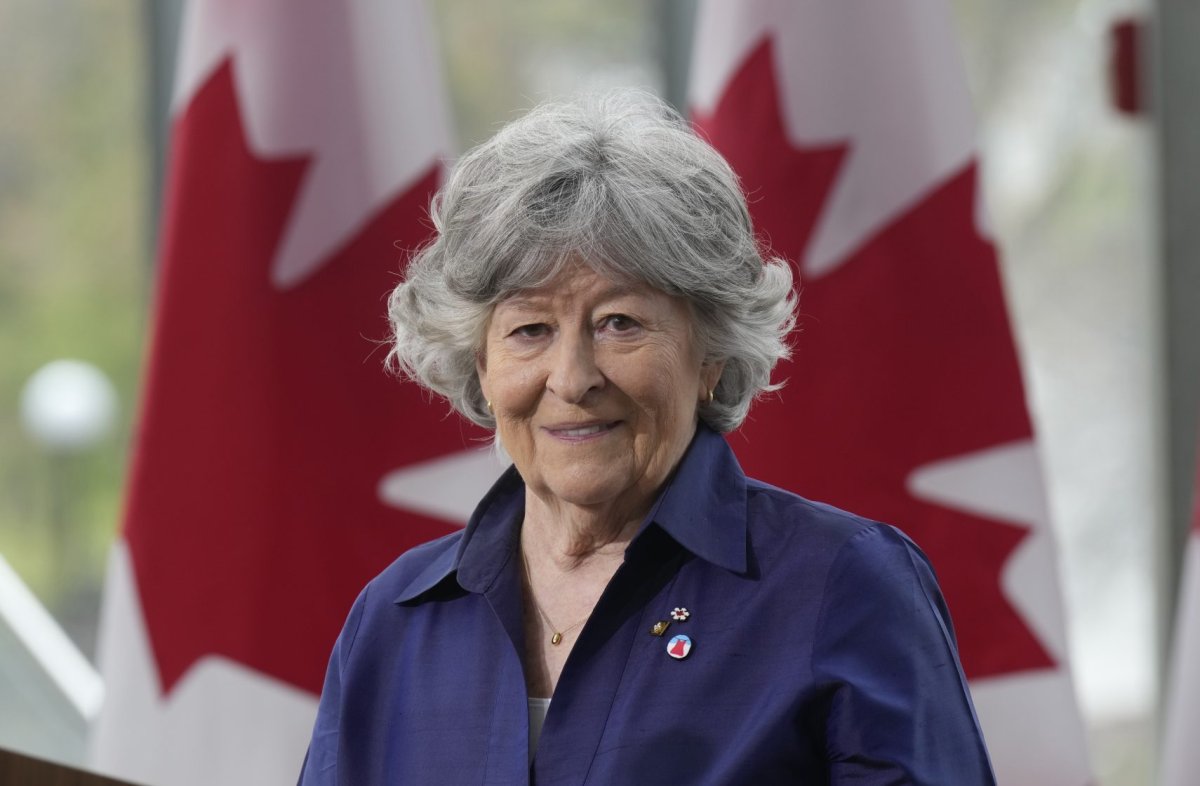
Louise Arbour Installed as Canada's 31st Governor General The installation of Louise Arbour as Canada's 31st governor general took place today, Monday, June 8, 2026, at the Senate of Canada building. The ceremony began at approximately 10 a.m. and featured a 21-gun salute, a poetry reading, and two musical performances by Canadian artists. Arbour succeeds Mary Simon, who served
Louise Arbour Installed as Canada's 31st Governor General
The installation of Louise Arbour as Canada's 31st governor general took place today, Monday, June 8, 2026, at the Senate of Canada building. The ceremony began at approximately 10 a.m. and featured a 21-gun salute, a poetry reading, and two musical performances by Canadian artists. Arbour succeeds Mary Simon, who served as the first Indigenous viceregal representative since her own installation in 2021.
Attendees included outgoing governor general Mary Simon, Prime Minister Mark Carney, Chief Justice Richard Wagner, House of Commons Speaker Francis Scarpaleggia, and National Chief of the Assembly of First Nations Cindy Woodhouse Nepinak. Before proceedings opened, an Inuk elder lit a qulliq, the traditional Inuit oil lamp that remained burning throughout the event.
Highlights of the Installation Ceremony
The program opened with a musical performance by francophone artist Sara Dufour, who sang "La Reine" by Les Cowboys Fringants. Anglophone artist Tyler Shaw followed with "Like Me and You" by Raffi. Parliament's poet laureate, Chimwemwe Undi, read her original poem "Reasons," composed specifically for the occasion. A French translation was delivered by a student from the Louise Arbour Elementary School in Ottawa.
Arbour then delivered her first address to the nation as governor general, setting out the priorities she intends to pursue during her tenure. As she ascended the throne in the Senate chamber, a 21-gun salute sounded from Parliament Hill. The Central Band of the Canadian Armed Forces performed "God Save the King," and the Governor General's Flag was raised on the Peace Tower.
Arbour's Distinguished Career in Law and Justice
At 79, Arbour brings an extraordinary record of public service to Rideau Hall. The Montreal native is fluently bilingual and previously served as United Nations High Commissioner for Human Rights. She also acted as chief prosecutor at the International Criminal Tribunal for the former Yugoslavia and the International Criminal Tribunal for Rwanda.
Arbour made history as the first prosecutor to indict a sitting head of state when she charged Serbia's Slobodan Milosevic with crimes against humanity. She secured the first conviction for genocide since the 1948 Genocide Convention in the case of a former Rwandan mayor. She was likewise the first to prosecute sexual assaults as crimes against humanity, establishing important precedents in international criminal law.
Symbolism of the Great Seal and Oaths
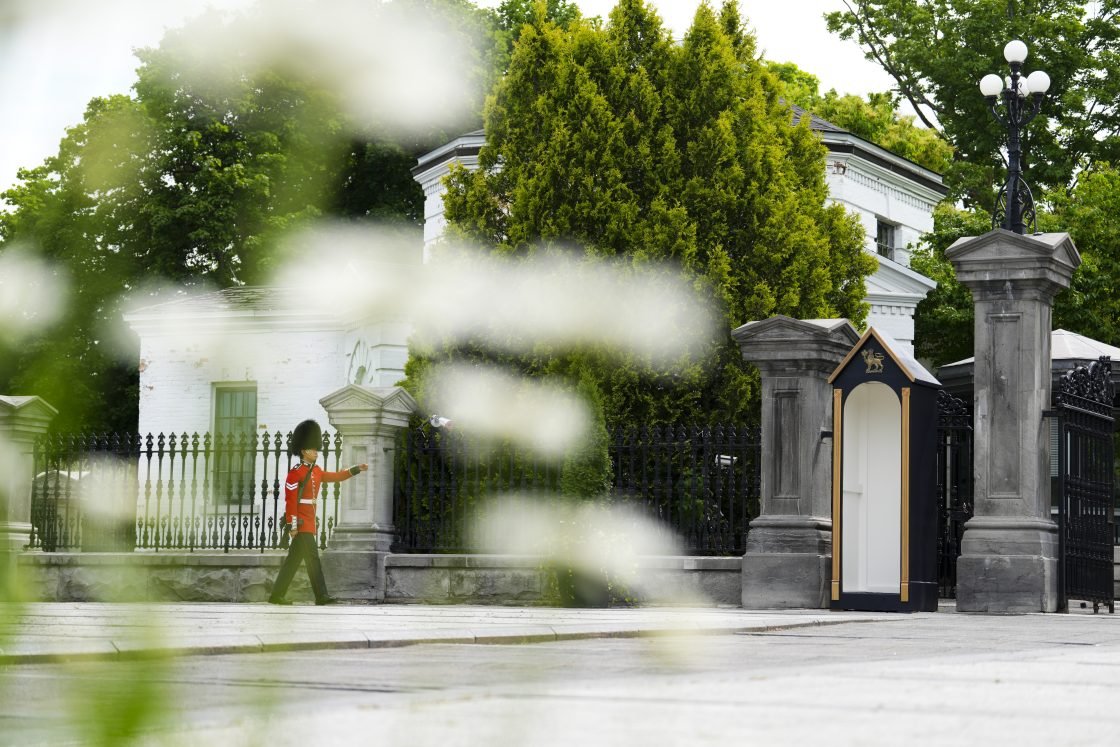
During the installation, Arbour received the Great Seal of Canada, which was then entrusted to the registrar general, currently Industry Minister Mélanie Joly, for safekeeping. The seal symbolises the power and authority of the Crown and is used to authenticate state documents such as royal proclamations and commissions appointing ministers, lieutenant-governors, senators, and judges.
King Charles III approved a new design featuring the royal crown during his visit to Canada last year. Arbour took three oaths: the Oath of Allegiance, the oath of the Office of the Governor General and Commander-in-Chief of Canada, and the oath of the Keeper of the Great Seal of Canada. The documents were signed by Arbour, Chief Justice Richard Wagner, Prime Minister Mark Carney, and Clerk of the Privy Council Michael Sabia.
The Governor General's Role and Constitutional Duties
The governor general serves as commander-in-chief of the Canadian Armed Forces and represents Canada at home and abroad. Core responsibilities include swearing cabinet ministers into office, proroguing and dissolving Parliament, making appointments on the advice of the prime minister, and granting Royal Assent to legislation.
Arbour also becomes chancellor of the Order of Canada, the Order of Military Merit, and the Order of Merit of the Police Forces, as well as head of the Canadian Heraldic Authority. The collars of office associated with these roles are worn during ceremonial events and represent the authority vested in the viceregal office.
The Governor General's Flag and Canadian Sovereignty
The Governor General's Flag is blue with the crest of the Arms of Canada at its centre, a symbol of Canadian sovereignty. The crest features a gold lion wearing the royal crown and holding a red maple leaf in its right paw, standing on a wreath in Canada's official colours. The flag was approved by Queen Elizabeth II in 1981.
These symbols underscore the continuity of the Crown in Canada while reflecting the country's distinct identity. Arbour's installation reinforces the constitutional framework that has evolved since Confederation.
Context of Reconciliation and National Leadership
Prime Minister Mark Carney noted last week that Canada remains grateful for Mary Simon's service and thanked her for advancing Indigenous reconciliation. The presence of National Chief Cindy Woodhouse Nepinak and the lighting of the qulliq highlight ongoing efforts to integrate Indigenous traditions into national ceremonies.
Arbour's background in human rights and international justice aligns with Canada's long-standing commitment to multilateral institutions and the rule of law. Her appointment arrives at a time when Canadians continue to grapple with questions of equity, accountability, and the country's place in a changing world.
Implications for Canadians and the Road Ahead
Arbour's installation marks the first viceregal appointment approved by King Charles since he ascended the throne in 2022. She met with the King at Buckingham Palace last week, underscoring the personal link between the Canadian Crown and the monarch.
For Canadians, the governor general embodies both continuity and change. Arbour's extensive experience prosecuting war crimes and defending human rights offers a distinctive perspective as she undertakes the largely ceremonial yet symbolically powerful role. Observers will watch closely how she uses the office to promote dialogue on justice, reconciliation, and national unity.
The full ceremony, combining military honours, Indigenous elements, artistic performances, and constitutional formalities, illustrated the multifaceted character of Canada's viceregal tradition. As Arbour begins her mandate, the country looks to her leadership in representing the Crown and the people of Canada at home and on the international stage.
Tags: Louise Arbour, governor general, Mary Simon, King Charles, 21-gun salute, Great Seal of Canada, reconciliation, Supreme Court justice, international criminal law, Canadian Armed Forces, Senate ceremony, qulliq, Order of Canada
By Alex Thompson, Staff Writer
This article was produced with AI-assisted research and editorial support. Reporting is based on sources cited in the article.
What's Your Reaction?
 Like
0
Like
0
 Dislike
0
Dislike
0
 Love
0
Love
0
 Funny
0
Funny
0
 Wow
0
Wow
0
 Sad
0
Sad
0
 Angry
0
Angry
0

Canada Correspondent at Global1.News. Based in Toronto, covering Canadian politics, energy, trade, and US-Canada relations. Provides the Canadian perspective on North American and global affairs.















Comments (0)