
Kota Fake Oxytocin Deaths: 5 Women Die After Water-Only Injections
The Kota Tragedy Unfolds In late May and early June 2026, five women died following caesarean sections at New Medical College Hospital and JK Lone Hospital in Kota, Rajasthan. All received TOCIN brand oxytocin injections manufactured by Jackson Laboratories Pvt Ltd. Laboratory tests later confirmed the 1 ml vials contained only sterile water and zero active pharmaceutical ingre
The Kota Tragedy Unfolds
In late May and early June 2026, five women died following caesarean sections at New Medical College Hospital and JK Lone Hospital in Kota, Rajasthan. All received TOCIN brand oxytocin injections manufactured by Jackson Laboratories Pvt Ltd. Laboratory tests later confirmed the 1 ml vials contained only sterile water and zero active pharmaceutical ingredient. At least nine women were affected in total, including four post-C-section patients and one pregnant woman who had undergone prior uterine surgery.
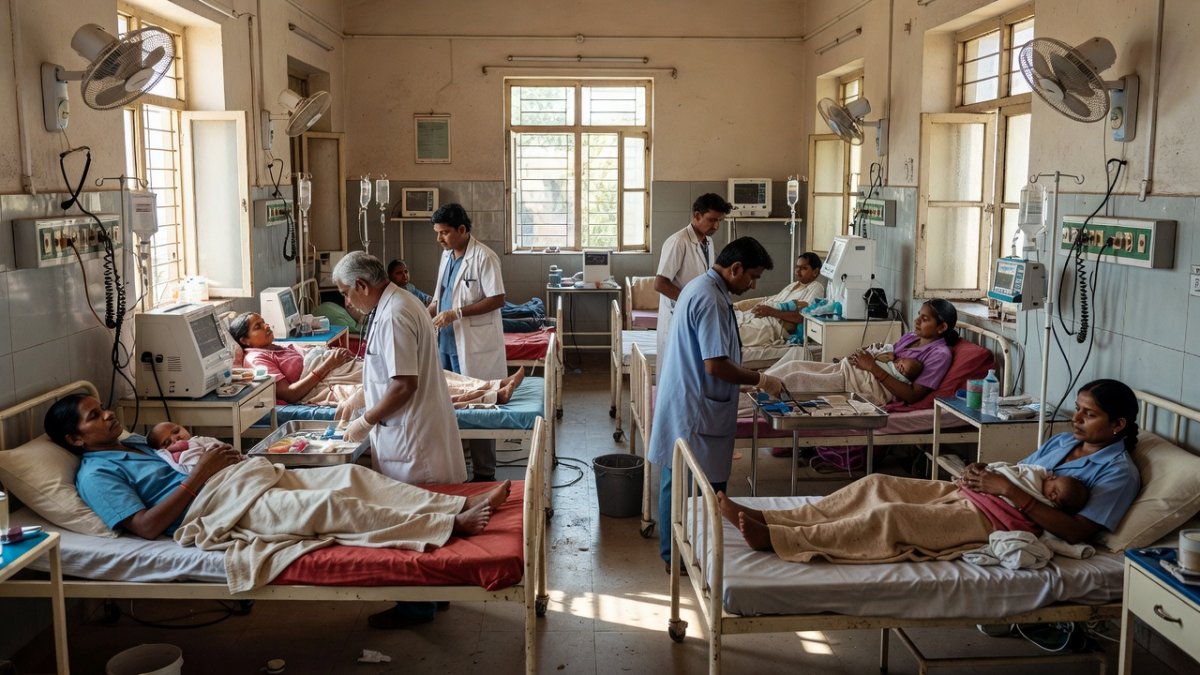
Rajasthan recorded 5 maternal deaths directly linked to the counterfeit product. The women developed acute renal complications, severe hypotension, thrombocytopenia and urinary blockage within hours of administration. These outcomes occurred despite standard C-section protocols that rely on oxytocin to control postpartum haemorrhage.
Composition of the Counterfeit Drug and Batch Details
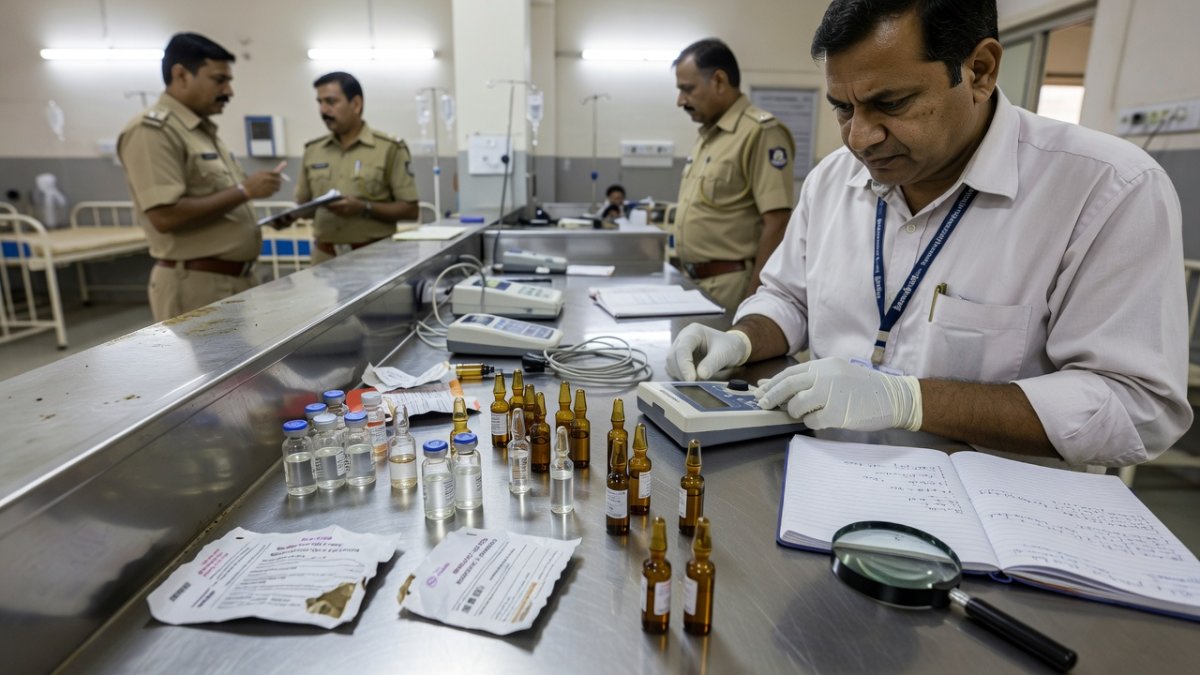
Analysis by the Rajasthan Drug Control Department showed TOCIN vials held 0 % oxytocin. The product was supplied in both 5 ml and 1 ml presentations. The 5 ml batch was banned first, yet the 1 ml vials used in the Kota hospitals belonged to a separate batch that had not been recalled in time. Approximately 3,500 vials were seized across the state following the deaths.
Oxytocin is a critical uterotonic listed on India’s National List of Essential Medicines. Its absence during C-section procedures directly contributed to uncontrolled bleeding and subsequent organ failure in the affected patients. The complete lack of active ingredient turned a life-saving drug into a placebo with fatal consequences.
Regulatory Actions and Official Response
Drug Controller Rajasthan Ajay Phatak ordered an immediate ban on TOCIN. Assistant Drug Controller Kota Devendra Garg led the local seizure operation. Action was initiated under the Drugs and Cosmetics Act against both the manufacturer and the supplier. The company’s manufacturing licence was subsequently revoked, as reported in the India Today investigation titled “Kota Maternal Deaths: Fake Oxytocin Vials Had Only Water”.
State authorities also issued show-cause notices and initiated criminal proceedings. This response follows similar enforcement patterns seen after earlier incidents involving fake cough syrups and contaminated paediatric medicines in other Indian states.
Health Impacts and Clinical Complications
The nine affected women experienced rapid deterioration. Four post-C-section patients developed acute kidney injury requiring dialysis. One woman suffered prolonged hypotension leading to multi-organ failure. Thrombocytopenia and urinary blockage further complicated recovery, extending hospital stays by an average of 18 days for survivors.
These complications increased treatment costs per patient by an estimated ₹2.8 lakh, largely borne by Rajasthan’s public health budget. The deaths also contributed to a temporary rise in the state’s maternal mortality ratio, which stood at 113 per 100,000 live births in the latest Sample Registration System data.
Systemic Issues in India’s Pharmaceutical Supply Chain
India’s pharmaceutical market exceeds US$42 billion, yet estimates from the Central Drugs Standard Control Organisation suggest 8–10 % of drugs in certain segments may be substandard or counterfeit. The Kota incident mirrors previous cases of falsified medicines entering government hospital supply chains through tendering loopholes.
Weak batch testing at the point of procurement and limited real-time tracking under the current Drugs and Cosmetics Act allowed the water-only vials to reach operating theatres. Similar vulnerabilities have been documented in paediatric syrup and antibiotic batches in the past five years.
Implications for Indian Patients and Taxpayers
Public hospital patients in states like Rajasthan bear the direct burden when quality-assurance systems fail. Families lose primary earners and face long-term medical expenses. Taxpayers fund both the original procurement of fake medicines and the subsequent intensive care costs, estimated at ₹1.4 crore for the Kota cluster alone.
The episode erodes trust in government facilities, pushing more patients toward private providers and increasing out-of-pocket expenditure, which already accounts for 48.8 % of total health spending in India according to National Health Accounts 2019-20.
Path Forward: Strengthening Drug Regulations
Experts recommend mandatory real-time track-and-trace systems, increased random sampling at district hospitals, and stricter pre-qualification criteria for suppliers under the National Health Mission. Integration with the Ayushman Bharat Digital Mission could enable rapid recall of suspect batches.
Until these measures are scaled, similar tragedies remain possible across India’s 1.3 billion population reliant on public-sector oxytocin and other essential injectables.
— By Dr. Raj Patel, Staff WriterThis article was produced with AI-assisted research and editorial support. Reporting is based on sources cited in the article.
What's Your Reaction?
 Like
0
Like
0
 Dislike
0
Dislike
0
 Love
0
Love
0
 Funny
0
Funny
0
 Wow
0
Wow
0
 Sad
0
Sad
0
 Angry
0
Angry
0

India/South Asia Correspondent at Global1.News. Analytical voice with a background in science and health journalism. Based in New Delhi, covering Indian politics, education, healthcare, technology, and policy. Breaks down complex data into clear, actionable reporting.












Comments (0)