
Stray Dog Menace Exposes Systemic Governance Failures in Indian Healthcare
On June 10, 2026, an 8-year-old girl from Bhagu village in Bathinda district suffered bites in 40 places after a pack of stray dogs dragged her into a field, exposing the lethal gaps in India's stray dog management that leave 15.3 million animals roaming freely and account for 36 percent of global rabies deaths. This single incident in Punjab forms part of a national pattern re
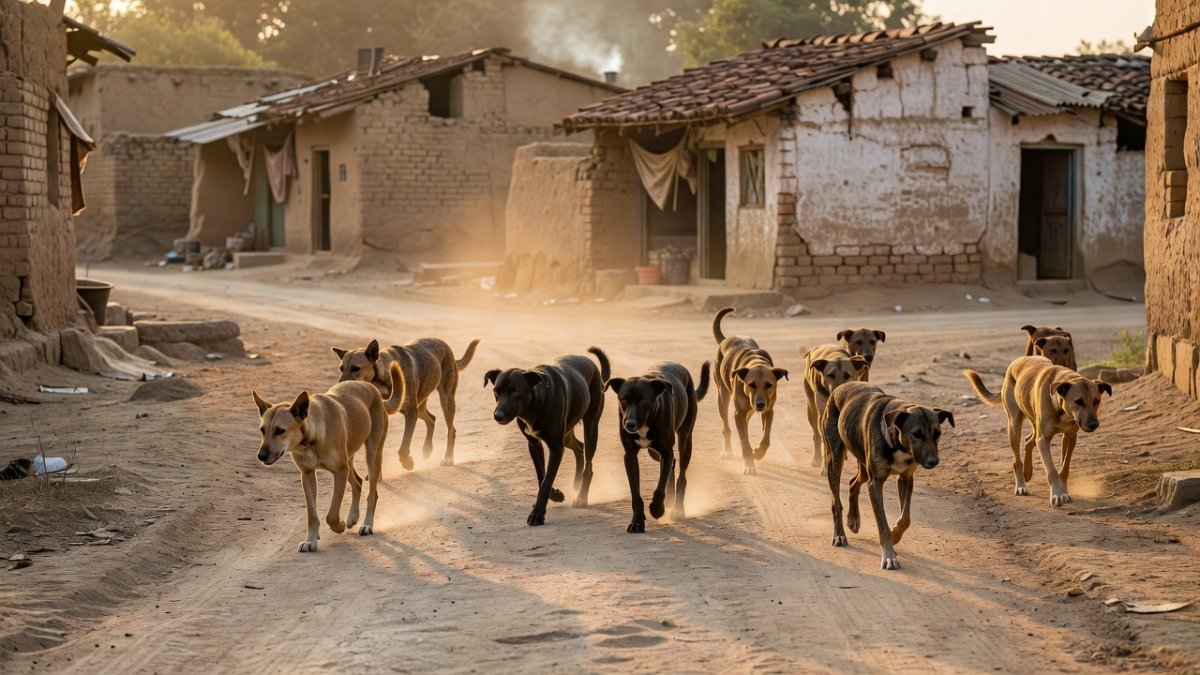
On June 10, 2026, an 8-year-old girl from Bhagu village in Bathinda district suffered bites in 40 places after a pack of stray dogs dragged her into a field, exposing the lethal gaps in India's stray dog management that leave 15.3 million animals roaming freely and account for 36 percent of global rabies deaths. This single incident in Punjab forms part of a national pattern recording 3,81,676 dog bite cases every month in 2025. The crisis directly undermines child safety and public health infrastructure across Indian states.
Stray Dog Menace Exposes Systemic Governance Failures in Indian Healthcare
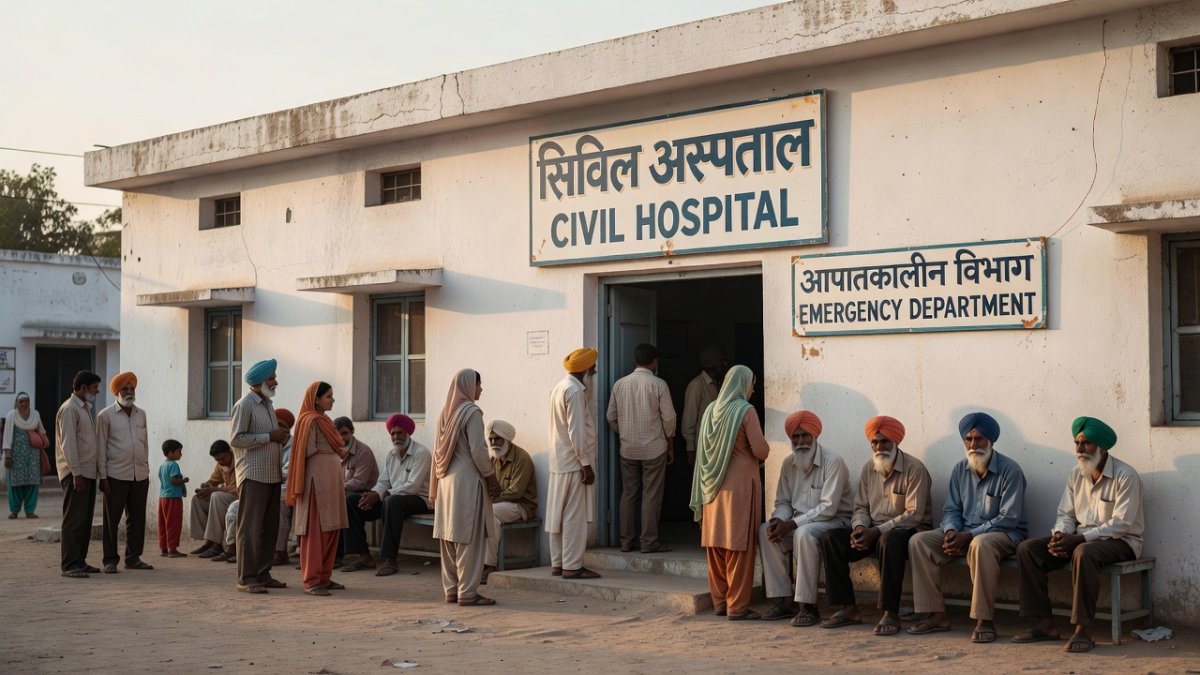
Bathinda, Punjab – June 10, 2026 — An 8-year-old girl was mauled by stray dogs in Bhagu village, Bathinda district, Punjab. She sustained bites in 40 places across her body and was admitted to Civil Hospital Bathinda in critical condition. Her mother, Karamjit Kaur, reported that the child had stepped outside to play when a pack of dogs attacked and dragged her into a nearby field.
The Brutal Reality of the Bhagu Village Attack
The attack occurred on June 10, 2026, in Bhagu village within Bathinda district. Villagers confirmed this was not an isolated event, as stray dogs had previously attacked multiple children in the same area. The girl required immediate intensive care at Civil Hospital Bathinda due to the severity of her 40 bite wounds.
Local Governance and Panchayat Inaction in Punjab
Karamjit Kaur stated that residents had repeatedly complained to the local panchayat about the stray dog population, yet no concrete measures followed. Social worker Gurjant Singh noted that no one remains safe in the village, with stray dogs preying on children daily alongside other social threats. These repeated complaints highlight chronic policy failures at the grassroots level in Bathinda district and across Punjab.
India's National Stray Dog Crisis by the Numbers
India hosts an estimated 15.3 million stray dogs, the highest total worldwide, alongside broader counts reaching 60 million free-roaming dogs. The country records 3,81,676 dog bite cases monthly as of 2025 data. Safdarjung Hospital in Delhi alone handled 91,009 cases, while Delhi's stray dog population reached an estimated 10 lakh during 2022-23. WHO figures confirm India accounts for 36 percent of global rabies deaths, equating to approximately 59,000 fatalities annually.
Public Health and Child Safety Implications
These statistics translate into direct risks for Indian children in rural and urban settings alike, particularly in districts like Bathinda where healthcare access remains limited. Rabies exposure demands immediate post-exposure prophylaxis that many primary health centers struggle to supply consistently. The pattern of attacks on minors in Bhagu village demonstrates how policy inaction endangers the most vulnerable citizens and strains already overburdened facilities such as Civil Hospital Bathinda.
Supreme Court Intervention and ABC Rule Enforcement Gaps
The Supreme Court intervened in August 2025 regarding stray dog policies in Delhi-NCR, yet Animal Birth Control rules remain poorly enforced across states. This uneven implementation allows populations to grow unchecked in Punjab and other regions. The result is a widening gap between national directives and ground-level execution that leaves villages like Bhagu exposed to daily threats.
Broader Policy Trends and Healthcare System Strain
India's stray dog crisis reflects deeper governance shortcomings in integrating animal control with public health frameworks. Persistent underfunding of sterilization programs and weak coordination between panchayats and district health authorities perpetuate the cycle. For citizens in Punjab and nationwide, this means sustained exposure to preventable diseases and repeated trauma for families reliant on under-resourced institutions like Civil Hospital Bathinda.
— By Dr. Raj Patel, Staff Writer
This article was produced with AI-assisted research and editorial support. Reporting is based on sources cited in the article.
What's Your Reaction?
 Like
0
Like
0
 Dislike
0
Dislike
0
 Love
0
Love
0
 Funny
0
Funny
0
 Wow
0
Wow
0
 Sad
0
Sad
0
 Angry
0
Angry
0

Caribbean Correspondent at Global1.News. Based in Port of Spain, Trinidad, covering Caribbean politics, economy, energy, climate, and culture. Amplifying the voices and stories of the Caribbean region.















Comments (0)