
EU Proposes Visa Ban on Russian War Veterans in New Sanctions
EU Targets Russian Veterans with Entry Ban in New Sanctions Push European Commission President Ursula von der Leyen announced on Tuesday a proposal to bar entry into the European Union for any Russian who has served in the armed forces since the start of the conflict in Ukraine. The measure forms the centerpiece of the bloc's latest sanctions package aimed at Moscow. This step
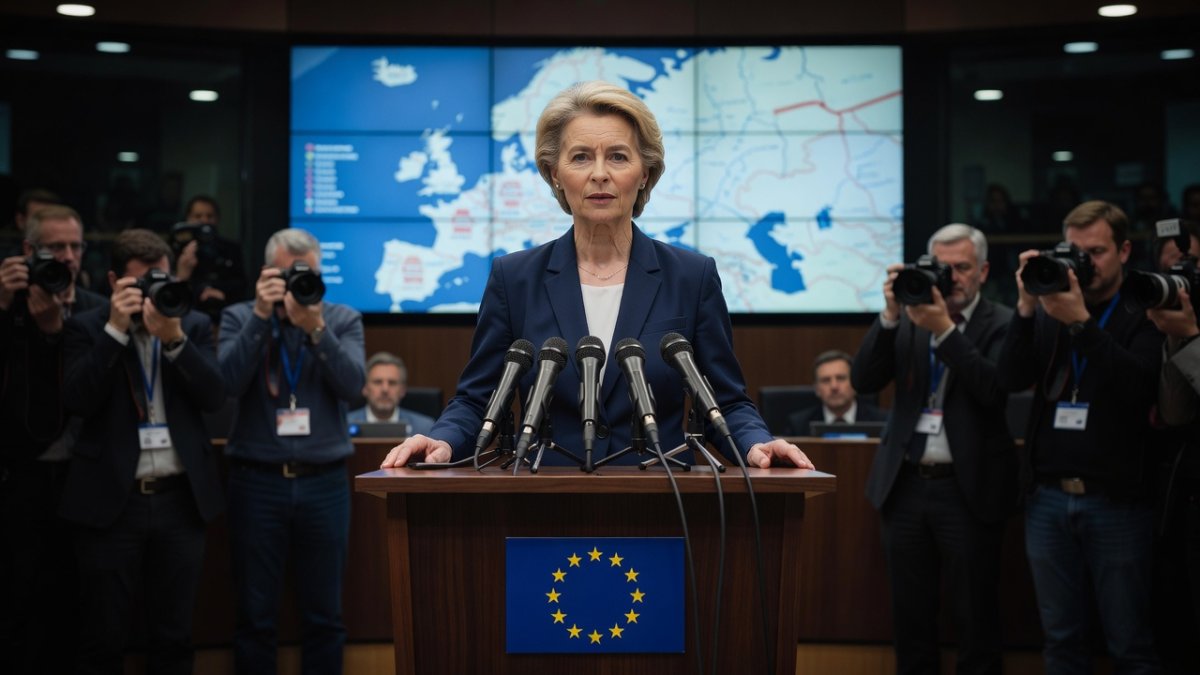
EU Targets Russian Veterans with Entry Ban in New Sanctions Push
European Commission President Ursula von der Leyen announced on Tuesday a proposal to bar entry into the European Union for any Russian who has served in the armed forces since the start of the conflict in Ukraine. The measure forms the centerpiece of the bloc's latest sanctions package aimed at Moscow. This step extends beyond previous restrictions by focusing directly on individuals with military service records rather than solely on high-profile officials or oligarchs.
The proposal arrives amid ongoing efforts by Brussels to maintain pressure on Russia while global oil prices fluctuate due to tensions in the Middle East. Von der Leyen framed the visa ban as essential to keeping Europe closed to those involved in the invasion. The package now moves to the 27 EU member states for discussion and requires unanimous approval before adoption.
Specifics of the Proposed Visa Restrictions
The visa ban would apply to anyone who has served in the Russian armed forces since February 2022. Von der Leyen stated that this ensures Europe remains off-limits for participants in the Ukraine operation. Unlike earlier sanctions that targeted specific commanders or units, this measure casts a wider net across military personnel.
Officials in Brussels described the step as a direct response to the scale of Russian mobilization. It builds on the existing list of nearly 2,400 sanctioned individuals and entities accumulated since the initial measures in February 2022. The 18th sanctions package, adopted in July 2025, already included various personal and sectoral restrictions, but this proposal marks the first explicit military service prohibition.
Oil Price Cap and Shadow Fleet Enforcement
A major element of the new package seeks to lock the price cap on Russian crude at its current level of approximately $44 per barrel through January. Brussels aims to prevent Moscow from benefiting from any surge in global energy prices linked to Middle East developments. The cap mechanism has been in place since earlier rounds of sanctions and remains a core tool for limiting Kremlin revenues.
To strengthen enforcement, the EU plans to add 30 more tankers from Russia's shadow fleet to its blacklist. These vessels have been used to transport oil while evading existing restrictions. The package also expands measures against crypto platforms, banks, and third-party traders that assist in sanctions circumvention. Additional trade limits will cover imports of certain Russian seafood products, including cod and Alaska pollock.
Effects on Russia's Economy and Daily Life
Von der Leyen noted that the cumulative weight of sanctions falls primarily on Russian citizens, who face both personal losses and reduced living standards. The energy sector remains central to state finances, and sustained limits on oil sales could constrain budget resources allocated to military and social spending. Ordinary Russians in regions dependent on energy-related employment may encounter further wage pressures and supply chain disruptions.
Defense Ministry contracts and state-linked enterprises continue to absorb significant portions of available funds. This dynamic affects pension payments, regional infrastructure projects, and consumer goods availability across the country. Analysts in Moscow have observed gradual adjustments in domestic production as import substitution efforts expand, though results vary by sector.
Moscow's Position and Potential Countermeasures
Russia's Foreign Ministry has repeatedly described EU sanctions as violations of international law. Kremlin spokesman Dmitry Peskov has stated on prior occasions that such measures will not alter Russia's approach in Ukraine. Officials have signaled possible retaliatory steps, including limits on European goods and adjustments to energy export routes.
These responses align with established patterns where Moscow redirects trade toward alternative partners in Asia and the Middle East. The Defense Ministry continues to prioritize domestic manufacturing for military needs, reducing reliance on restricted imports. Retaliation could also involve reciprocal visa policies or barriers for EU companies operating in Russia.
Tensions Involving Chinese and Hong Kong Entities
The package includes bans on 14 firms based in mainland China and Hong Kong from purchasing certain EU goods. Brussels has identified these companies as suppliers that indirectly support Russian military production. This development adds friction to EU-China economic relations at a time when both sides maintain extensive trade ties.
Chinese authorities have not issued detailed public responses to this specific list, but past statements from Beijing emphasize opposition to unilateral sanctions that affect third countries. The move reflects Brussels' broader strategy to close loopholes involving foreign intermediaries. It may prompt Chinese firms to reassess supply chains connected to the EU market.
Longer-Term Implications for Regional Stability
The proposed measures illustrate the EU's commitment to sustained economic pressure while navigating internal divisions among member states. Unanimous approval remains necessary, and debates could focus on enforcement feasibility and economic costs to European industries. For Russia, the combination of personal restrictions and revenue limits tests the resilience of state institutions and public tolerance for ongoing hardships.
Regional dynamics in post-Soviet space continue to shift as energy politics and security alignments evolve. The sanctions framework, now spanning multiple years, shapes daily realities for citizens on both sides of the divide without clear resolution in sight.
By Irina Volkov, Staff WriterThis article was produced with AI-assisted research and editorial support. Reporting is based on sources cited in the article.
What's Your Reaction?
 Like
0
Like
0
 Dislike
0
Dislike
0
 Love
0
Love
0
 Funny
0
Funny
0
 Wow
0
Wow
0
 Sad
0
Sad
0
 Angry
0
Angry
0

Russia/Eastern Europe Correspondent at Global1.News. Covering Russian politics, energy, security, and the shifting dynamics of the post-Soviet space. Provides clear-eyed analysis on one of the world's most opaque regions.










Comments (0)