
Korea's Panda Twins: Potential Early Return to China This Winter
Korea's panda twins Rui Bao and Hui Bao, born in July 2023 at Everland in Yongin, now face the prospect of an earlier-than-expected return to China this winter. This development follows the precedent set by their sister Fu Bao's repatriation in April 2024 and reflects careful planning by international experts to ensure smooth transitions. The situation underscores the complexit
Korea's panda twins Rui Bao and Hui Bao, born in July 2023 at Everland in Yongin, now face the prospect of an earlier-than-expected return to China this winter. This development follows the precedent set by their sister Fu Bao's repatriation in April 2024 and reflects careful planning by international experts to ensure smooth transitions. The situation underscores the complexities of panda diplomacy between South Korea and China.
Korea's Panda Twins Face Winter Return to China Under Panda Diplomacy Framework
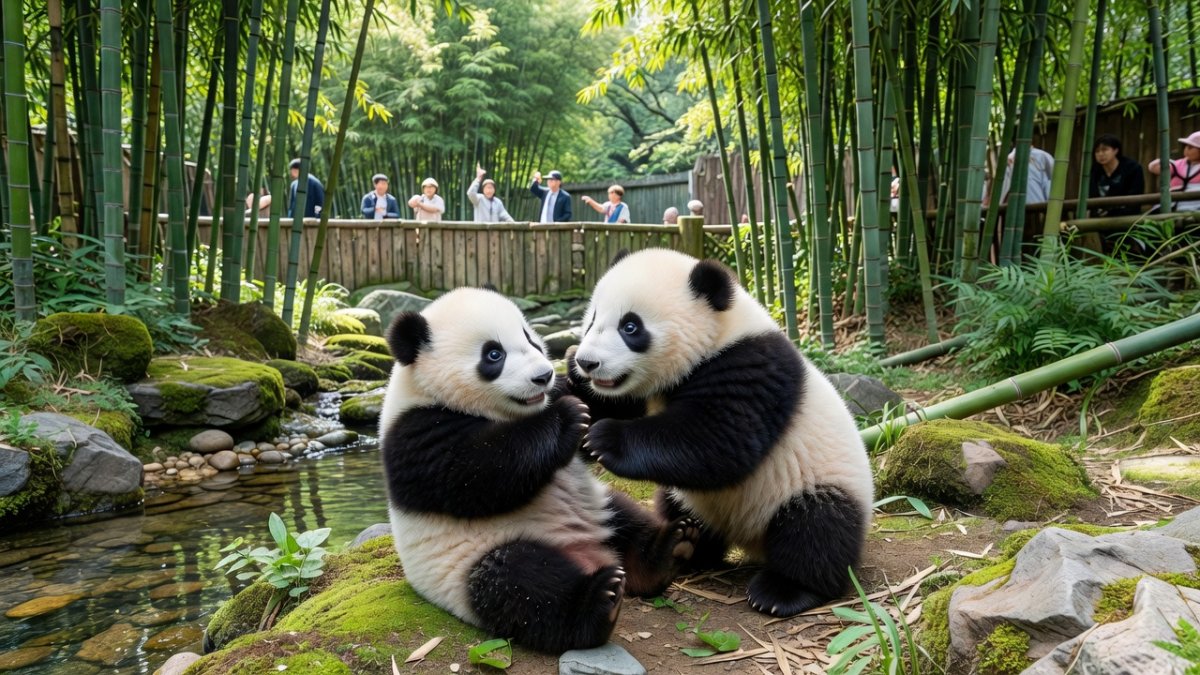
Seoul, South Korea – June 8, 2026 — The potential early repatriation of Rui Bao and Hui Bao represents a pivotal moment in South Korea's engagement with panda conservation and bilateral diplomacy with China. Born at Everland, operated by Samsung C&T, the twins have grown from their initial weights of 180g and 140g to approximately 90kg each, signaling their approach to breeding age as they near their third birthday. Zookeeper Kang Cheol-won has emphasized the need for a timely return, stating, "Fu Bao had a difficult time going through those changes. We are considering sending the twins back a little earlier, around this winter, so the transition can be as smooth and comfortable as possible." This article examines the historical, diplomatic, and practical dimensions of this process, drawing on official channels including the Ministry of Foreign Affairs (MOFA) and comparative cases from Japan.
Historical Context of Panda Diplomacy in South Korea
Panda diplomacy between South Korea and China traces its modern roots to March 2016 when President Xi Jinping gifted Ai Bao and Le Bao during a state visit. These animals arrived under a standard 10-15 year loan agreement stipulating that all offspring must eventually return to China. This framework has governed the presence of giant pandas at Everland, fostering public interest while reinforcing cultural and scientific exchanges between the two nations.
The arrival of Ai Bao and Le Bao marked an important chapter in bilateral relations, symbolizing goodwill amid evolving geopolitical dynamics. Over the subsequent years, the pandas became national icons, drawing millions of visitors to the Samsung C&T-operated facility. Their successful breeding in 2023 produced the twins, extending the diplomatic narrative into a new generation.
Scholars at the Asan Institute for Policy Studies note that such loans serve dual purposes of conservation education and soft power projection. South Korea's participation aligns with global efforts to protect endangered species while navigating the contractual obligations inherent in these agreements.
The Birth and Development of Rui Bao and Hui Bao
Rui Bao and Hui Bao entered the world in July 2023 at Everland, weighing just 180g and 140g respectively. Their rapid growth to around 90kg each demonstrates the effectiveness of care protocols at the facility. As they approach their third birthday, the twins are nearing breeding age, a critical factor influencing repatriation timelines.
Everland's veterinary and zookeeping teams have documented every stage of their development, ensuring optimal health. This meticulous record-keeping supports arguments for an orderly return to China, where specialized breeding programs can continue their lineage.
The twins' story mirrors broader trends in international panda management, where offspring are integrated into global conservation networks. Their impending transition highlights the balance between public affection in Korea and China's central role in species preservation.
The Precedent Established by Fu Bao's Return
Fu Bao's repatriation in April 2024 provided a direct template for handling the twins. As the first offspring of Ai Bao and Le Bao, her departure illustrated both the emotional and logistical challenges involved. Korean authorities observed significant adjustment difficulties during her relocation process, informing their approach to this new case.
This experience prompted proactive discussions about accelerating the twins' return. By learning from Fu Bao's case, experts aim to minimize stress through earlier timing and enhanced preparation measures. The precedent underscores the contractual reality that all pandas born under loan agreements belong ultimately to China.
Public response to Fu Bao's departure also informed current planning, revealing deep emotional connections formed by Korean citizens with these animals. Such sentiments must be weighed against international obligations under the existing framework.
Zookeeper Perspectives on Transition Timing
Zookeeper Kang Cheol-won, widely known as "Fu Bao's grandfather" for his dedicated care of the panda family, has been instrumental in shaping the discourse around the twins' future. His direct quote captures the institutional rationale: "Fu Bao had a difficult time going through those changes. We are considering sending the twins back a little earlier, around this winter, so the transition can be as smooth and comfortable as possible." This statement reflects years of hands-on experience with panda welfare at Everland.
Kang's insights emphasize animal-centric decision-making over rigid adherence to the 10-15 year loan maximum. Early repatriation could allow the twins to acclimate before reaching peak breeding maturity, potentially benefiting long-term conservation outcomes in China.
Colleagues at Everland support this view, citing improved veterinary coordination between Korean and Chinese specialists. The approach prioritizes behavioral adaptation and health monitoring during the critical winter window.
Role of MOFA in Diplomatic Negotiations
The Ministry of Foreign Affairs (MOFA) has played a central coordinating role in ongoing talks with Chinese counterparts. Negotiations focus on precise timing, transportation logistics, and post-return care arrangements. MOFA officials stress that decisions remain collaborative, respecting both scientific recommendations and the broader bilateral relationship.
These discussions occur within established diplomatic channels, ensuring transparency and mutual consent. MOFA's involvement guarantees that any repatriation aligns with broader foreign policy objectives, including cultural exchange programs that have defined Korea-China engagement since normalization of relations in 1992.
Regular updates from MOFA have kept the public informed while maintaining the confidentiality required for sensitive animal transfers. This institutional framework provides stability amid evolving circumstances in Northeast Asian diplomacy.
Comparative Analysis with Japan's Panda Returns
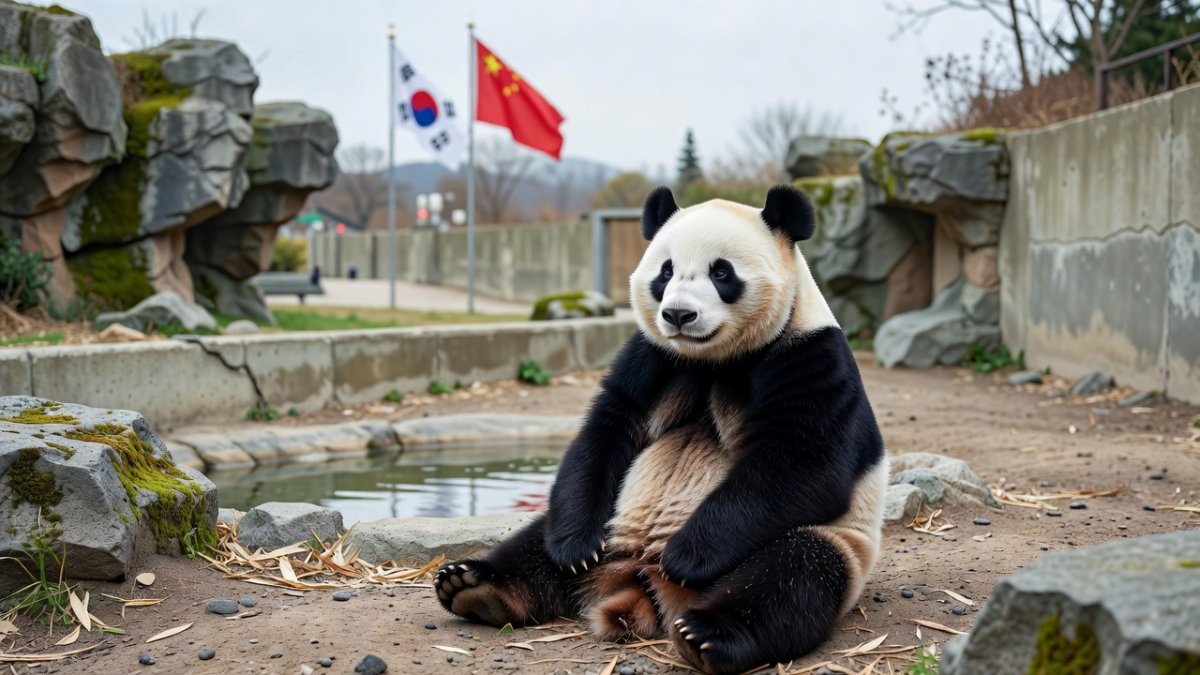
Japan offers instructive parallels through its own experiences with panda repatriations. Like South Korea, Japan hosted pandas under similar loan terms, with offspring required to return to China upon reaching certain milestones. Several Japanese facilities managed transitions around the third birthday, mirroring the current Korean situation.
Japanese zookeepers reported comparable adjustment challenges, leading to refined protocols that Korea now studies closely. These include phased separation from parents and extended quarantine periods to facilitate acclimatization. The comparisons reveal shared best practices across East Asian panda programs.
Unlike some Japanese cases marked by public protests, Korea's approach appears more measured and institutionally coordinated, informed directly by Fu Bao's precedent. Both nations demonstrate how panda diplomacy can strengthen regional ties despite occasional repatriation tensions.
Future Implications for Conservation and Bilateral Relations
The twins' return will likely influence future panda loans and conservation collaborations between Seoul and Beijing. Successful management could pave the way for renewed agreements or expanded scientific partnerships. Everland's expertise, developed under Samsung C&T, positions Korea as a valuable contributor to global panda conservation efforts.
Long-term, the episode reinforces the importance of flexible timelines within fixed contractual frameworks. As Rui Bao and Hui Bao integrate into Chinese breeding programs, their genetic contributions will support species survival and biodiversity goals.
Ultimately, this transition exemplifies how cultural icons can advance diplomatic understanding while serving ecological imperatives. Continued monitoring by MOFA and international conservation bodies will help ensure positive outcomes for all stakeholders involved.
By Prof. David Park, Staff Writer
This article was produced with AI-assisted research and editorial support. Reporting is based on sources cited in the article.
What's Your Reaction?
 Like
0
Like
0
 Dislike
0
Dislike
0
 Love
0
Love
0
 Funny
0
Funny
0
 Wow
0
Wow
0
 Sad
0
Sad
0
 Angry
0
Angry
0
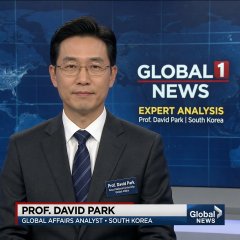
East Asia/Technology Correspondent at Global1.News. Seoul-based voice covering Korean politics, technology, business, and culture. Analyzes how technology and geopolitics intersect across East Asia.












Comments (0)