
Keiko Fujimori Wins Peru Presidency: Environmental...
Election results and thin mandate context Keiko Fujimori has been declared the winner of Peru's tight presidential election nearly a month after the vote. The 51-year-old secured 50.135 percent of voters' support in the runoff held on 7 June, compared with 49.865 percent for left-wing candidate Roberto Sánchez. This margin of less than 50,000 votes was certified by Peru's elect
Election results and thin mandate context
Keiko Fujimori has been declared the winner of Peru's tight presidential election nearly a month after the vote. The 51-year-old secured 50.135 percent of voters' support in the runoff held on 7 June, compared with 49.865 percent for left-wing candidate Roberto Sánchez. This margin of less than 50,000 votes was certified by Peru's electoral court. It marks the fourth time the daughter of disgraced former President Alberto Fujimori has sought the South American nation's presidency. She promised this time to oversee a crackdown on organised crime.
Fujimori stated she would assume the role of president with responsibility, humility and a deep sense of duty. Each day of this transition process is an opportunity to listen, engage in dialogue and arrive prepared at the start of the new government, she added, with what appeared to be a nod to her thin mandate. Sánchez, 57, has alleged the runoff election had been seriously compromised and threatened legal action. He argued that strong support for Fujimori among Peruvian voters abroad was a sign of irregularities. After the result was declared on Friday, his party appealed against the electoral court's proclamation, calling for the vote to be nullified.
While Sánchez, a former foreign trade minister, stood on a platform of broad economic reforms, Fujimori benefited from concerns over crime and political instability dominating the race. She will become the Andean country's ninth president in a decade. Her swearing-in ceremony is expected to take place on 28 July. The narrow victory leaves her government with limited room for sweeping changes in areas such as environmental oversight by agencies including the Ministry of Environment and SERFOR forestry service.
(Global 1 News)
Rightward shift in Latin American politics
Fujimori's election, coinciding with the election of Abelardo de la Espriella in Colombia, marks a shift towards the right in Latin American politics. When she assumes office, she will be the latest addition to a host of ideologically aligned, right-wing leaders in Latin America who have assumed power in recent years, often unseating left-wing governments. Colombia's president-elect, de la Espriella, will take office a few days later, having won a similarly razor-thin election on the promise of combatting organised crime.
He and others like El Salvador's Nayib Bukele and Ecuador's Daniel Noboa have sought to align themselves with US President Donald Trump, who has taken more of an interest in Latin American political affairs in his second term. The trend means Brazil's Luiz Inácio Lula da Silva, who is facing the son of convicted former president Jair Bolsonaro in elections later this year, is now the region's predominant left-wing standard-bearer. This configuration could influence cross-border environmental cooperation involving Peru's Ministry of Environment and Brazil's efforts in the Amazon basin.
The broader pattern of right-leaning victories suggests reduced emphasis on multilateral climate initiatives. Peru's incoming administration may prioritise domestic security concerns over expanded roles for SERNANP protected areas service or OEFA environmental oversight. Observers note that such alignments often redirect resources away from biodiversity protection in regions like the Peruvian Amazon toward immediate law-and-order measures.
What this means for the Peruvian Amazon and deforestation
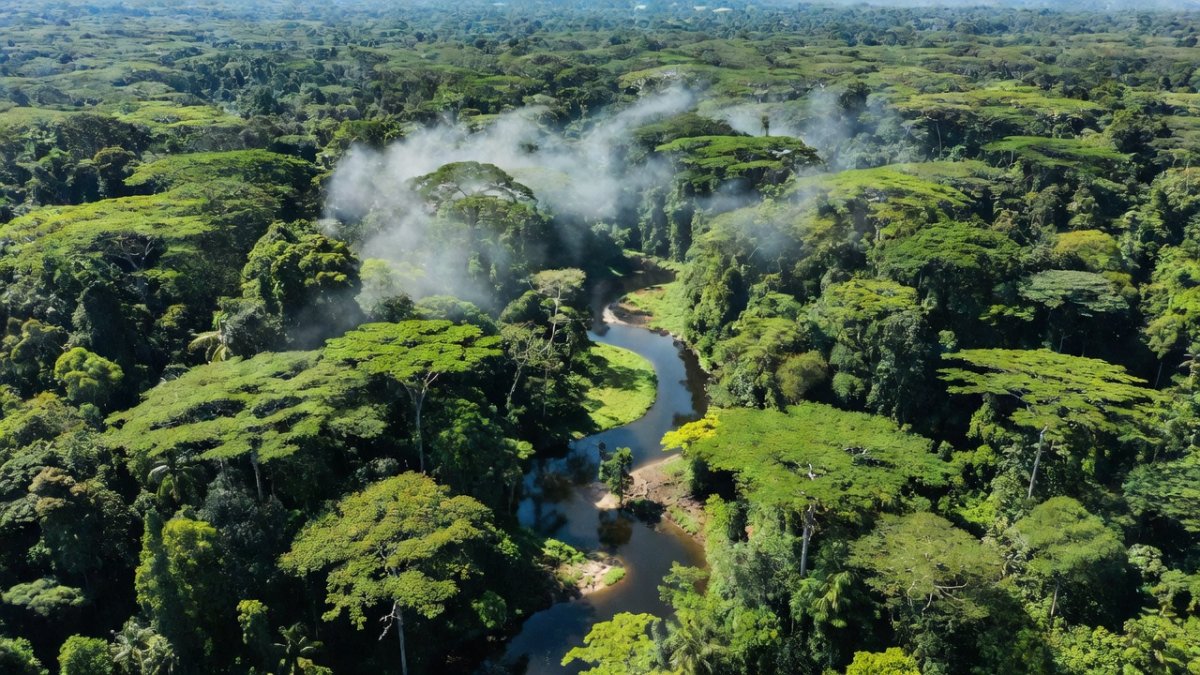
The Peruvian Amazon spans regions including Loreto, Madre de Dios, Ucayali, San Martín and Cusco. Fujimori's emphasis on a military crackdown on organised crime could intersect with enforcement against illegal logging in these areas. During her campaign she leant on the controversial legacy of her father, promising a military crackdown on organised crime, in particular extortion incidents that have soared in recent years. If implemented, this approach might extend to timber trafficking networks operating near Iquitos and Puerto Maldonado.
However, the thin margin of victory and ongoing legal challenges from Sánchez's camp create uncertainty about the pace of any policy shifts. Peru's environmental agencies such as SERFOR forestry service and MINAM have historically faced capacity constraints in remote zones. A focus on crime reduction may either strengthen or divert attention from monitoring deforestation rates in Madre de Dios and Loreto, depending on how resources are allocated after the 28 July swearing-in.
Analysts expect dialogue during the transition period to clarify whether Fujimori will expand or limit field operations by SERNANP in protected zones. The narrow mandate suggests incremental rather than abrupt changes to forest governance, with potential ripple effects on carbon emissions from the Peruvian Amazon that contribute to regional climate patterns.
Mining and extractive industry implications
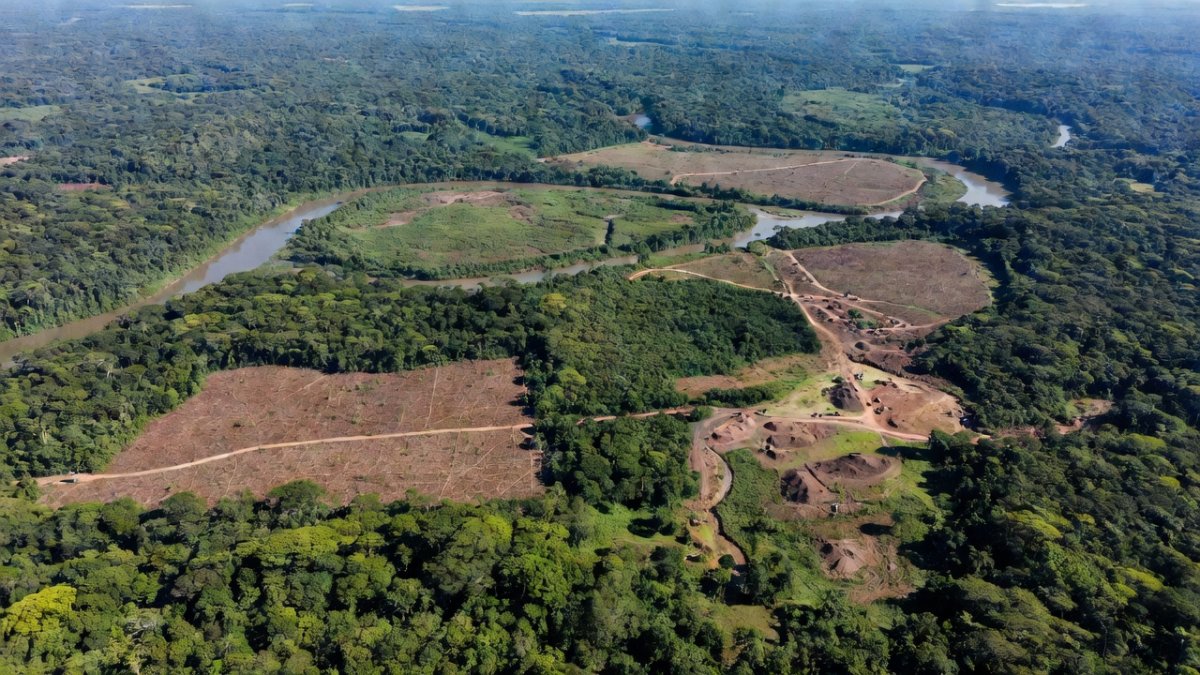
Fujimori pledged to attract private investment to promote economic growth and to immediately expel any undocumented immigrants found to be committing crimes in Peru. This platform could shape oversight of formal and informal gold mining in Madre de Dios and other parts of the Peruvian Amazon. OEFA environmental oversight currently monitors compliance in extractive zones, yet the incoming administration's security priorities may influence how quickly violations are addressed.
The election outcome arrives amid Peru's history of political instability, with nine presidents in a decade. Investors may view the promise of stability as an opening for expanded mining concessions in Ucayali and San Martín. At the same time, the razor-thin victory limits Fujimori's ability to enact rapid regulatory reforms without broad consensus.
Relations with neighbouring countries could affect transboundary mining impacts. Cooperation with Brazil under Lula on shared Amazon issues may continue through existing channels, though the rightward regional trend could slow joint enforcement initiatives against illegal operations near the border areas of Loreto and Cusco.
(Global 1 News)
Indigenous rights and environmental justice
Indigenous territories in the Peruvian Amazon face ongoing pressures from extractive activities. Fujimori's campaign did not detail changes to prior consultation rights, yet her focus on crime and investment attraction raises questions about how the Ministry of Environment will handle community input in Loreto and Madre de Dios. The thin mandate may encourage caution in altering existing consultation processes managed through MINAM.
Sánchez alleged irregularities and called for the vote to be nullified, highlighting divisions that could affect policy continuity on indigenous issues. Environmental justice concerns in areas such as Puerto Maldonado often centre on access to enforcement by OEFA and SERNANP. A new government prioritising organised crime may redirect attention toward security in indigenous communities rather than expanding land rights frameworks.
Local economies in Iquitos and Cusco depend on both resource extraction and traditional livelihoods. The transition period offers Fujimori opportunities to engage stakeholders, though the narrow electoral margin suggests limited political capital for major overhauls of consultation mechanisms that affect biodiversity and community well-being.
Peru's international climate commitments
Peru maintains Nationally Determined Contributions under the Paris Agreement through the Ministry of Environment. Fujimori's victory does not immediately alter these targets, yet the rightward political shift across Latin America could influence domestic implementation timelines. Agencies including OEFA and SERFOR play roles in tracking progress on forest protection and emissions reductions in the Peruvian Amazon.
The coincidence of Fujimori's win with de la Espriella's election in Colombia may affect regional coordination on climate finance. Peru's incoming administration has pledged economic growth through private investment, which could support or compete with resources allocated to meeting Paris Agreement goals in regions such as San Martín and Ucayali.
Uncertainty remains because of the less than 50,000-vote margin and pending appeals. During the period leading to the 28 July swearing-in, Fujimori has indicated a willingness to listen and engage in dialogue, potentially shaping how MINAM advances enforcement capacity and protected area management under SERNANP.
Regional outlook and conclusion
The broader rightward shift in Latin America, now including Peru and Colombia alongside El Salvador and Ecuador, positions Lula da Silva as the main left-wing counterweight ahead of Brazil's elections later this year. This configuration may slow joint Amazon cooperation initiatives that previously involved Peru's environmental agencies and Brazilian counterparts. Fujimori's emphasis on crime reduction and investment could redirect priorities away from expanded climate action in the short term.
Peru's history of tight electoral contests and frequent leadership changes suggests the new government will proceed cautiously on issues affecting the Peruvian Amazon. Deforestation pressures in Madre de Dios and Loreto, mining oversight by OEFA, and indigenous consultation processes will likely see continuity rather than abrupt reversal during the initial months after 28 July.
Stakeholders across Iquitos, Puerto Maldonado and Cusco will monitor how the thin mandate influences enforcement capacity and international commitments. The coming transition offers space for dialogue that could determine whether Peru strengthens or maintains its approach to biodiversity protection and environmental justice amid the regional political realignment.
By Elena Vasquez, Staff WriterThis article was produced with AI-assisted research and editorial support. Reporting is based on sources cited in the article.
What's Your Reaction?
 Like
0
Like
0
 Dislike
0
Dislike
0
 Love
0
Love
0
 Funny
0
Funny
0
 Wow
0
Wow
0
 Sad
0
Sad
0
 Angry
0
Angry
0

Latin America Correspondent at Global1.News. Based in Mexico City, covering politics, economics, energy, and culture across the region. Brings an on-the-ground perspective to stories spanning from the Rio Grande to Patagonia.













Comments (0)