
Russian Black Sea Oil Terminal Halts Operations Amid Ukrainian Drone Threat
Russia's largest Black Sea oil export terminal, Sheskharis in Novorossiysk, has suspended tanker loadings following Ukrainian drone attacks, disrupting one-fifth of the country's seaborne crude exports. The halt raises concerns over energy revenues and grain shipments as Ukraine's drone campaign ...
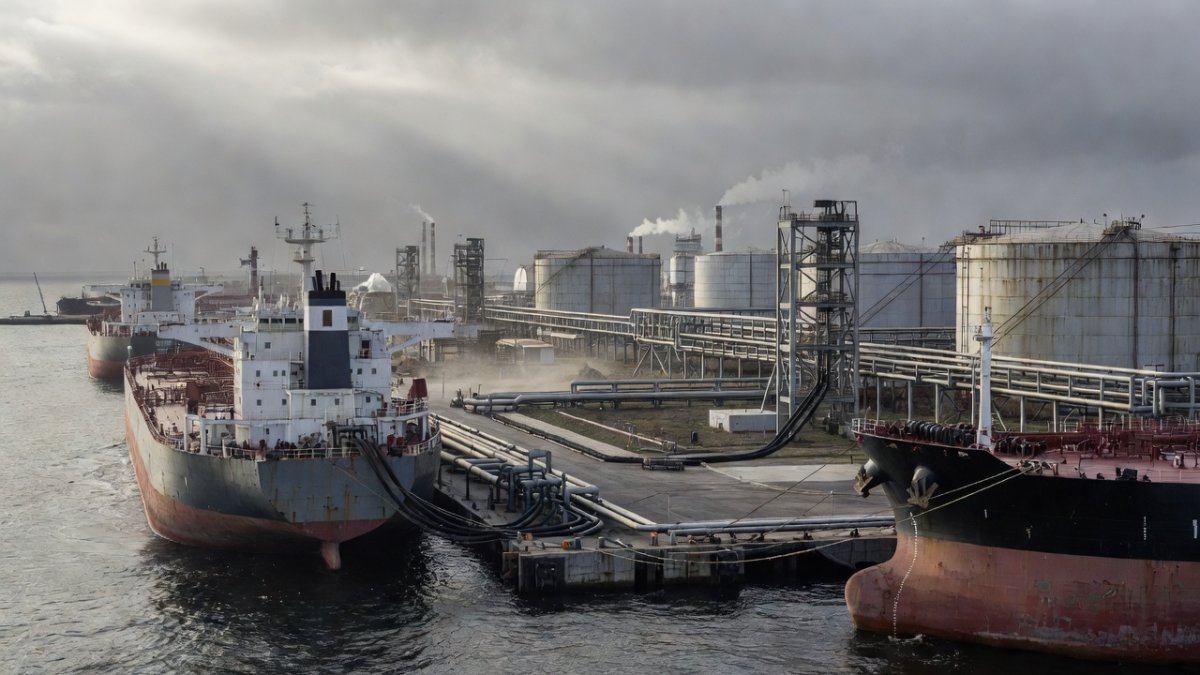
Russia's critical energy export infrastructure is under increasing strain from Ukraine's expanding drone campaign, with the latest disruption targeting one of the country's most important Black Sea oil terminals and raising fresh questions about the Kremlin's ability to protect its economic lifelines.
Russian Black Sea Oil Terminal Halts Operations Amid Ukrainian Drone Threat
Novorossiysk, Russia — Russia's largest Black Sea oil export terminal has suspended tanker loadings following a surge in Ukrainian drone attacks, disrupting roughly one-fifth of the country's seaborne crude exports, according to shipping data and satellite imagery.
The Sheskharis Terminal Shutdown
The Sheskharis terminal in the Black Sea port of Novorossiysk has not loaded any tankers since Tuesday morning. The suspension is unlikely to have been caused by bad weather, as storm warnings for the area were issued only two days after the terminal's last loading operation, Bloomberg reported, citing vessel-tracking services and satellite imagery.
Scale of the Export Disruption
The Sheskharis terminal exported an average of about 650,000 barrels of oil per day during the first seven months of the year. With Russia's average seaborne oil exports running at about 3.6 million barrels per day this year, the suspension has effectively halted around one-fifth of the country's oil exports. This represents a significant blow to Russia's energy revenue stream that funds its military operations.
Escalating Ukraine Drone Campaign
This marks the latest sign that Ukraine's expanding drone campaign is increasingly affecting Russia's energy export infrastructure. The attacks follow recent strikes that also interrupted operations at the nearby Caspian Pipeline Consortium (CPC) export terminal and forced Kazakhstan to reduce oil production. The pattern suggests a coordinated effort to target Russia's critical energy nodes.
Impact on Kazakhstan and Regional Exports
Earlier this week, increased drone activity prevented tankers from loading crude at the nearby CPC terminal, which handles about 80% of Kazakhstan's oil exports. The disruption forced the terminal to suspend operations, leading Kazakhstan to begin cutting oil production. This development underscores the regional ripple effects of the conflict on post-Soviet energy networks.
Russian Authorities Issue Safety Warning
On Thursday, Russian authorities warned all vessels operating within the country's exclusive economic zone in the Black Sea that the area was unsafe because of the potential threat posed by Ukrainian aerial and naval drones. The warning reflects the Kremlin's acknowledgment of the growing reach of Ukraine's asymmetric capabilities.
Concerns Over Grain Exports
The warning also raised concerns about Russian grain exports. Novorossiysk handles roughly one-third of Russia's grain exports, making it the country's most important grain export hub. Disruptions here could affect global food supplies and add pressure on international markets already strained by the ongoing conflict.
Energy Politics and Kremlin Vulnerabilities
Analysts suggest the escalation in drone strikes on energy infrastructure could indicate a strategic shift by Ukraine to target Russia's economic foundations supporting the war effort. The Kremlin has long depended on energy revenues to sustain military spending, and these disruptions expose vulnerabilities in the protection of critical infrastructure far from the front lines.
Geopolitical and Economic Implications
The disruptions highlight the vulnerability of Russia's export routes and the effectiveness of Ukraine's drone tactics in an asymmetric conflict. International observers note that sustained pressure on energy infrastructure could further strain Russia's economy amid existing Western sanctions and complicate the Kremlin's efforts to maintain stable export revenues.
Broader Context of the Ukraine Conflict
The Black Sea terminal halt comes amid continued Ukrainian strikes on Russian territory and infrastructure. The pattern of attacks on energy facilities suggests an evolution in tactics designed to impose economic costs on Russia and limit its ability to fund prolonged military operations.
Looking Ahead for Russian Energy Strategy
As the situation develops, the impact on global oil markets, Russia's war financing, and the stability of regional energy supplies remains a central concern. The Kremlin faces mounting challenges in safeguarding its energy export infrastructure against evolving drone threats, with potential long-term consequences for its economic resilience and geopolitical positioning.
By Irina Volkov, Staff Writer
This article was produced with AI-assisted research and editorial support. Reporting is based on sources cited in the article.
What's Your Reaction?
 Like
0
Like
0
 Dislike
0
Dislike
0
 Love
0
Love
0
 Funny
0
Funny
0
 Wow
0
Wow
0
 Sad
0
Sad
0
 Angry
0
Angry
0

Russia/Eastern Europe Correspondent at Global1.News. Covering Russian politics, energy, security, and the shifting dynamics of the post-Soviet space. Provides clear-eyed analysis on one of the world's most opaque regions.















Comments (0)