
US Strikes Damage Iran Desalination Plant in Hormozgan
US Strikes on Southern Iran Target Dual-Use Infrastructure Near Key Maritime Chokepoint The reported damage to a seawater desalination plant in the Bonji area of Jask County has left roughly 10,000 residents across 20 coastal villages without reliable drinking water. Iranian provincial authorities s
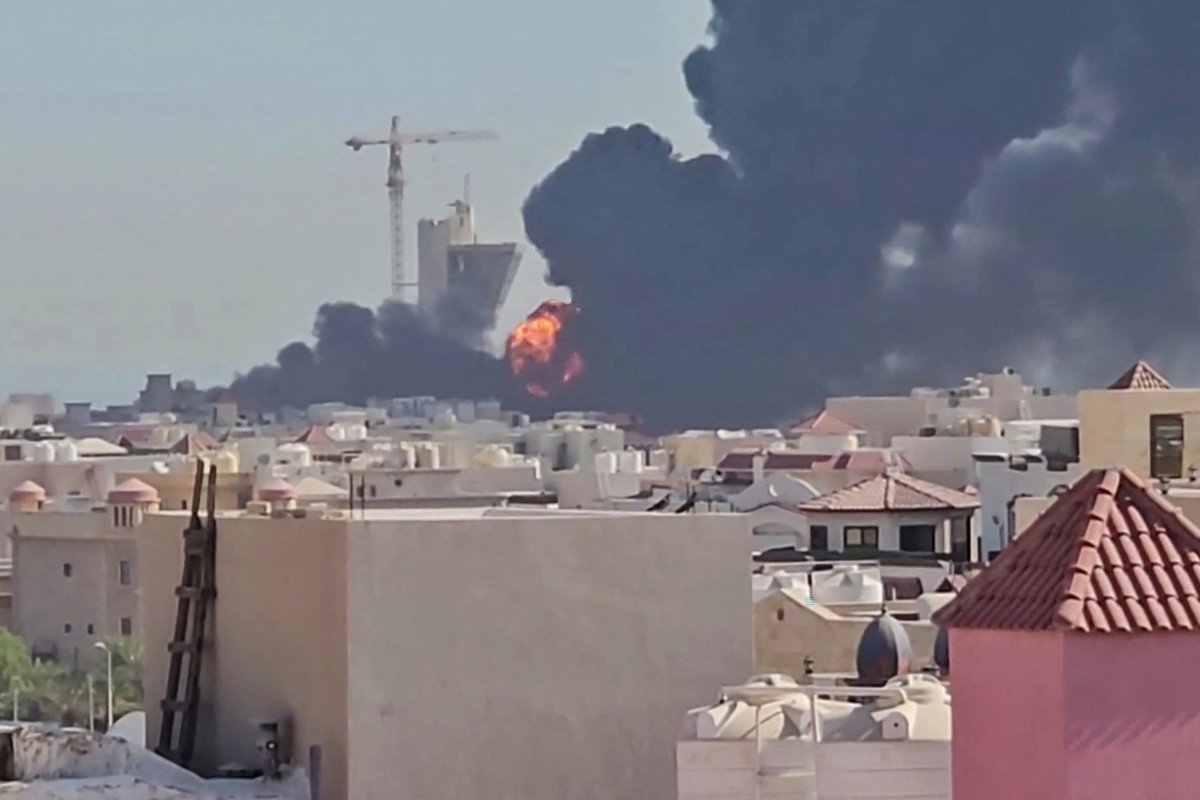
Immediate Humanitarian Consequences in Hormozgan Province
Local officials have described the loss of the Bonji plant as an acute hardship for villages that already face chronic water stress. With the facility offline, residents must rely on emergency supplies whose delivery capacity is limited by damaged roads and high summer demand. Previous strikes in the nearby Sirik area in June produced similar short-term disruptions affecting around 20,000 people before partial restoration occurred. The current outage compounds existing pressures from drought and depleted groundwater, leaving little margin for extended service interruptions.
Health authorities in the province have warned that extended lack of potable water increases the likelihood of heat-related illness, particularly among children and the elderly. Sanitation challenges also rise when households cannot maintain basic hygiene standards. Iranian state media have framed the incident as a direct threat to civilian survival, while independent verification of the precise extent of damage remains difficult given restricted access to the area.
Iran's ongoing water crisis provides critical context for the severity of the Bonji outage, with national drought conditions persisting across 85 percent of the country according to recent meteorological assessments and aquifer depletion rates in southern provinces averaging 1.2 meters per year due to over-extraction and climate variability. Desalination investments have surged, with Tehran allocating over $4 billion since 2018 to expand coastal capacity, yet these facilities remain vulnerable to both environmental strain and conflict. The June Sirik incident, which disrupted water access for 20,000 residents for nearly three weeks before partial repairs, offers a direct historical parallel; long-term health implications from such outages include elevated rates of gastrointestinal diseases, chronic dehydration leading to kidney complications, and increased vector-borne illnesses as sanitation collapses, patterns documented in prior regional water emergencies that disproportionately affect vulnerable populations over months of recovery.
Prolonged exposure to water scarcity in Hormozgan could mirror the multi-year public health deterioration seen after earlier disruptions, where child malnutrition rates rose by 15 percent and respiratory infections spiked due to inadequate hygiene infrastructure. Regional analysts note that without rapid intervention, the current situation risks compounding these effects amid already strained medical resources.
Strategic Context of the Seventh Night of US Operations
US Central Command has described its ongoing strikes as aimed at degrading Iranian military capabilities that threaten shipping through the Strait of Hormuz. Targets have included surveillance installations, logistics nodes, underground storage sites, and transportation routes. The reported strike on the Bonji desalination facility occurred within this broader campaign, now entering its seventh consecutive night. Iranian officials maintain that several strikes have hit dual-use civilian infrastructure, including power facilities and water installations in Jask, Sirik, and Bandar Abbas.
The Strait of Hormuz remains central to the calculus on both sides. Roughly one-fifth of global oil trade passes through the narrow waterway, giving Iran a potential lever even as its own southern coast becomes a theater of operations. US planners appear focused on reducing Tehran’s ability to monitor or interdict traffic, while Iranian authorities seek to highlight the civilian costs of such pressure.
Tehran's structural dependence on coastal desalination amplifies the strategic stakes, as national groundwater reserves have declined by 20 percent over the past two decades amid erratic rainfall patterns averaging below 250 millimeters annually in Hormozgan. Investments in reverse osmosis technology have reached 1.5 million cubic meters daily capacity, yet security vulnerabilities persist. This reliance underscores how targeted infrastructure damage can rapidly escalate humanitarian pressures while testing Iran's adaptive water management strategies in contested zones.
Iran’s Growing Reliance on Coastal Desalination
Hormozgan province exemplifies Iran’s structural water vulnerability. Decades of aquifer depletion, reduced rainfall, and population growth have forced greater dependence on desalination plants along the Persian Gulf and Gulf of Oman. These facilities supply not only drinking water but also support limited agriculture and industry in coastal zones where groundwater is brackish or insufficient. The Bonji plant’s role in serving 20 villages underscores how quickly localized damage can translate into widespread hardship when alternative sources are absent.
Tehran has invested heavily in expanding desalination capacity over the past decade, yet these plants remain exposed to both environmental and security risks. The current conflict has now placed several such installations within the operational theater, raising questions about their resilience under sustained military pressure.
Iran faces acute national water stress, with drought affecting over 97 percent of its landmass in varying intensities and aquifer depletion accelerating at rates exceeding sustainable yields by 5 billion cubic meters annually. Desalination investments have prioritized Gulf and Oman coastlines, committing billions to plants that now provide 70 percent of Hormozgan's potable supply. These developments highlight systemic vulnerabilities where military actions intersect with climate-induced scarcity, potentially forcing accelerated but costly infrastructure redundancies.
International Humanitarian Law and Civilian Infrastructure
Installations indispensable to civilian survival, including drinking-water facilities, receive special protection under international humanitarian law. Parties to a conflict are required to avoid targeting such objects unless they are being used for military purposes and no feasible alternative exists. Iranian authorities have condemned the reported strike on the Jask plant as a violation of these protections, while US officials have not addressed the specific incident and continue to emphasize military objectives.
Disputes over dual-use infrastructure are common in such conflicts. Roads, bridges, and power grids often serve both civilian and military traffic, complicating legal assessments. Independent observers note that verification of intent and military necessity will require detailed investigation once access improves. In the meantime, the humanitarian consequences continue to accumulate.
Historical precedents like the Sirik disruption reveal recurring patterns of water infrastructure strain, where recovery timelines extended beyond initial estimates due to supply chain limitations. Long-term health data from similar events indicate sustained increases in waterborne pathogens and heat stress mortality, emphasizing the need for robust legal safeguards amid escalating regional tensions.
Broader US-Iran Escalation and Regional Ripple Effects
The collapse of the recent fragile ceasefire has returned both sides to a cycle of strikes and counter-accusations centered on the Strait of Hormuz. For Washington, the objective appears to be raising the cost to Tehran of maintaining forward military postures that could threaten maritime traffic. For Iran, the response has included highlighting civilian impacts and signaling that further pressure could affect energy transit routes vital to global markets.
Neighboring Gulf states are watching closely. Any sustained disruption to Hormuz traffic would immediately affect oil and LNG exports from Saudi Arabia, the UAE, and Qatar, potentially driving price volatility. Even short-term uncertainty tends to prompt higher insurance premiums and rerouting considerations among tanker operators. The involvement of critical water infrastructure adds another layer of regional concern, as similar facilities exist along other Gulf coasts.
Proxy dynamics introduce additional complexity, as Hezbollah could intensify border operations against Israel to divert attention, Iraqi militias might target US assets in the Levant, and Houthis could resume Red Sea shipping attacks in solidarity. These groups' coordinated responses risk broadening the conflict, potentially drawing in more regional actors and complicating de-escalation efforts through asymmetric retaliation channels.
Energy Market and Alliance Implications
Global energy markets remain sensitive to developments in the Strait. Although current strikes have not yet produced a measurable closure of the waterway, the pattern of targeting logistics and surveillance assets near Jask and Bandar Abbas signals an effort to limit Iran’s ability to project power across the chokepoint. OPEC+ members outside the immediate conflict zone are assessing spare capacity and diplomatic options should flows be threatened.
At the same time, the humanitarian dimension risks complicating diplomatic efforts by other regional actors seeking to contain the escalation. Countries such as Oman and Qatar, which maintain channels with both sides, face renewed pressure to facilitate de-escalation talks. The longer the strikes continue without clear off-ramps, the greater the chance that secondary effects on water security and energy prices will draw wider international involvement.
OPEC+ dynamics reveal Saudi Arabia and the UAE hedging by boosting output from spare capacity to stabilize prices, while China and Russia advocate restraint through diplomatic channels to protect their energy investments and avoid supply shocks. These positions could foster parallel mediation tracks, influencing alliance realignments as Gulf states balance security ties with economic imperatives amid prolonged uncertainty.
By Malik Hassan, Staff WriterThis article was produced with AI-assisted research and editorial support. Reporting is based on sources cited in the article.
What's Your Reaction?
 Like
0
Like
0
 Dislike
0
Dislike
0
 Love
0
Love
0
 Funny
0
Funny
0
 Wow
0
Wow
0
 Sad
0
Sad
0
 Angry
0
Angry
0

Middle East Correspondent at Global1.News. Based in Beirut, covering politics, conflict, energy, and society across the Middle East. Brings context and depth to a region often reduced to headlines.










Comments (0)