
European Heatwave 2026: UK Amber Warnings, Record Deaths and Infrastructure Strain
Keywords: European heatwave 2026, Met Office amber warning, UK heat deaths, climate adaptation funding, omega block, Heathrow Gatwick disruption, Public Health England, Climate Change Committee, record temperatures Europe, Deutsche Bahn cancellations The Met Office has extended its amber weather warning across eastern and south-eastern England, placing Kent, Essex, Suffolk and
The Met Office has extended its amber weather warning across eastern and south-eastern England, placing Kent, Essex, Suffolk and Norfolk on high alert as temperatures climb and thunderstorms trigger major travel chaos at Heathrow and Gatwick. With six drownings recorded on 27 June alone, ministers face mounting pressure to address how Britain's ageing housing and limited adaptation measures are leaving residents exposed.
UK Heatwave Warnings Intensify as Continental Records Shatter
London, UK – 28 June 2026 — The Met Office extended its amber weather warning for eastern and south-eastern England on 28 June, covering Kent, Essex, Suffolk and Norfolk amid forecasts of sustained high temperatures and severe thunderstorms. Transport operators reported widespread disruption at Heathrow and Gatwick, where lightning strikes and heavy rain forced runway closures and flight cancellations throughout the weekend.
Amber Alerts and Airport Disruption Hit Eastern England Hardest
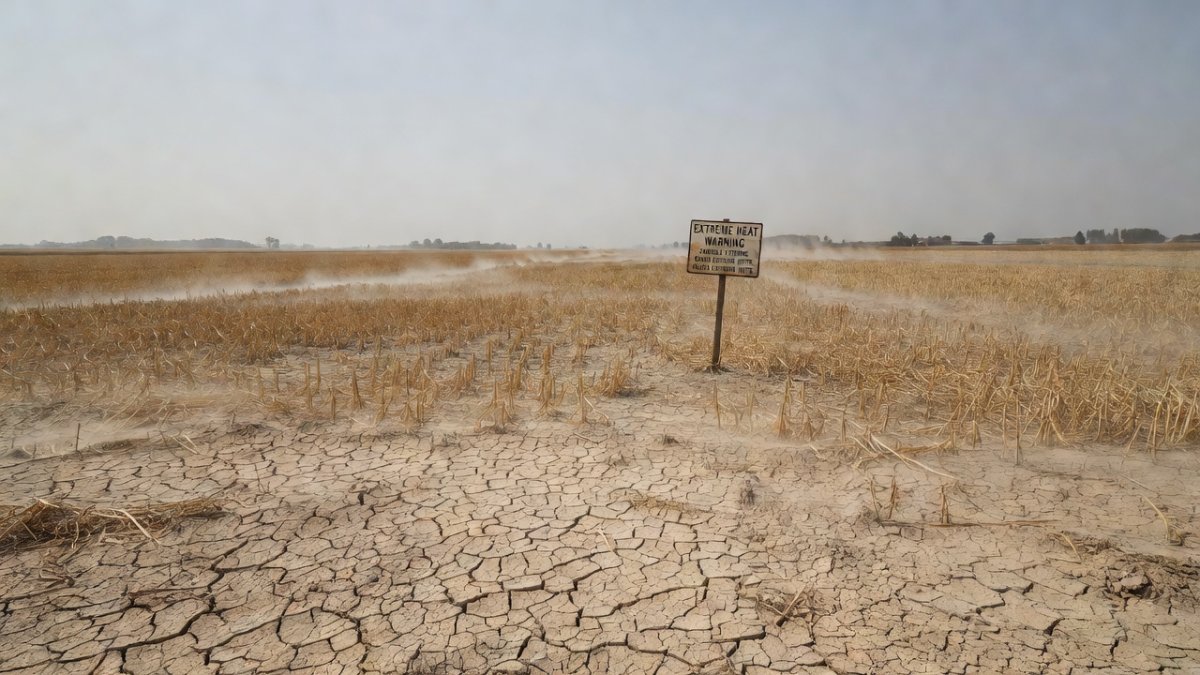
The Met Office warning specifically targeted Kent, Essex, Suffolk and Norfolk, where daytime temperatures are expected to remain elevated through the coming week. Local councils in these counties activated emergency cooling centres and issued guidance to residents in older properties known to retain heat. Transport operators at Heathrow and Gatwick cancelled dozens of flights after thunderstorms caused power fluctuations and standing water on runways.
Passengers reported lengthy delays and diverted services, with both airports confirming that the combination of extreme heat earlier in the day and subsequent storms created unprecedented operational challenges. Rail services into London were also affected, adding pressure on already stretched commuter networks serving the south-east.
Public Health England simultaneously renewed its advice against open-water swimming, citing the rising number of incidents linked to people seeking relief from the heat. The agency highlighted that older terraced housing across these counties offers little natural ventilation, leaving vulnerable groups particularly at risk during prolonged warm spells.
Continent Records New Highs While UK Infrastructure Strains
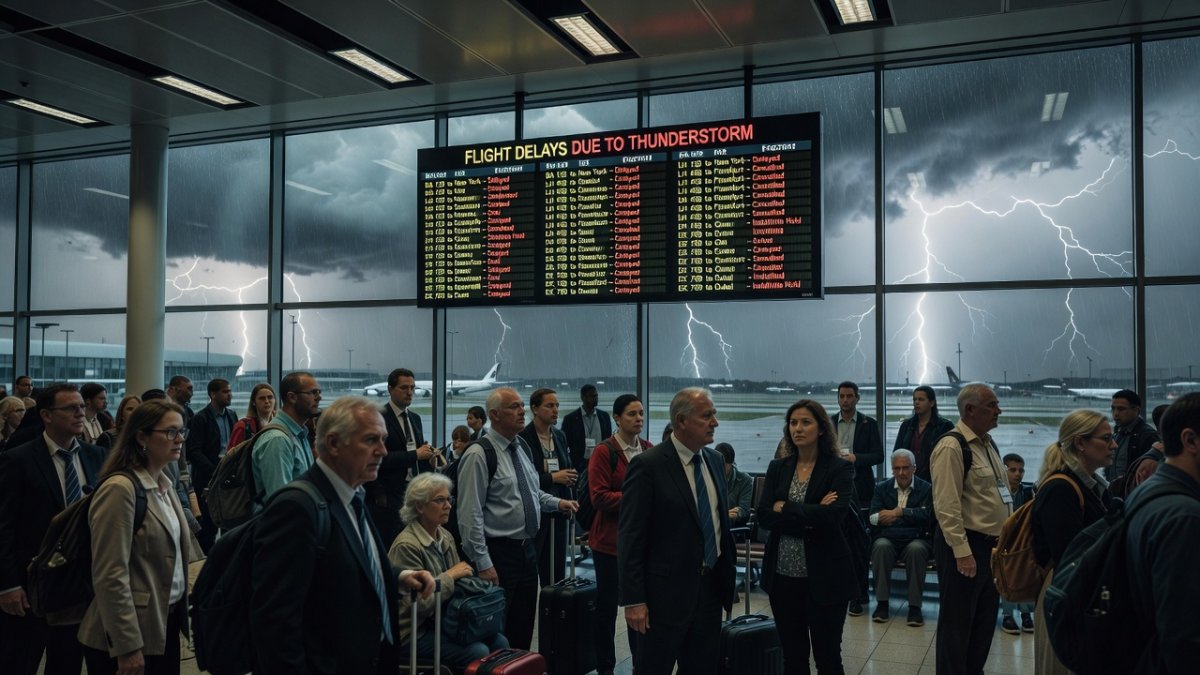
Denmark recorded its highest temperature ever at 36.6°C north of Odense, surpassing records dating back to 1874. Slovakia logged its warmest night on record with a minimum of 26.3°C, while Germany posted a preliminary national record of 41.3°C near Saarbrücken on 26 June. Italy placed 18 cities including Milan, Rome, Turin, Venice, Genoa, Florence and Bologna under red alert, and the Netherlands braced for temperatures above 40°C.
Red alerts were also expanded into Romania, Czech Republic and Hungary as temperatures ran 18°C above seasonal averages across affected regions. These extremes have prompted Asian air-conditioning manufacturers to report a sharp boom in European sales, with UK retailers noting a parallel surge in demand for electric fans.
Northern European housing stock, built to retain heat, has left residents across the UK and neighbouring countries vulnerable in ways not seen during previous heat events. The contrast with southern European building practices has become a focal point for UK housing policy discussions.
Water-Related Deaths Rise Sharply Across the UK
Six people drowned in the UK during this heatwave, including a teenager, two men and a woman on Saturday 27 June alone. These incidents follow 15 water-related deaths recorded during the May 2026 heatwave, prompting Public Health England to issue repeated warnings about the dangers of open-water swimming in rivers, lakes and reservoirs.
Emergency services in coastal and inland areas reported increased call-outs as people attempted to cool off in unsupervised locations. Local authorities in Kent and Essex have now deployed additional lifeguards at popular spots, yet officials acknowledge that enforcement remains difficult during periods of intense public demand.
The pattern has drawn attention to gaps in public messaging and the absence of dedicated cooling infrastructure in many communities. NHS trusts in the south-east have also noted higher admissions linked to heat exhaustion, adding further strain on services already managing summer pressures.
France and Germany Face Rail, Power and Safety Failures
France reported dozens of heat-related deaths alongside widespread rail disruption, reduced power generation, alcohol bans in several départements, school suspensions and a marked increase in wildfires compared with last year. Germany's Deutsche Bahn offered free long-distance cancellations while the A7 autobahn near Saarbrücken was closed after asphalt split under extreme temperatures.
These continental failures have direct implications for UK supply chains and travel, with freight operators warning of delays affecting fresh produce and manufacturing components. Ministers have been urged to review contingency plans for cross-Channel infrastructure resilience.
The Climate Change Committee has highlighted that similar vulnerabilities exist within Britain's rail and energy networks, particularly in the south-east where older tracks and substations are less equipped for sustained high temperatures.
Omega Block Pattern Confirmed as Climate Crisis Signature
Scientists attribute the current heat to a persistent "omega block" atmospheric pattern that has trapped warm air over western Europe. Research indicates such intensity would be virtually impossible without the influence of the climate crisis, with models showing the event lies well outside historical natural variability.
The Met Office and academic partners have stressed that adaptation measures must now account for these amplified extremes rather than relying on past baselines. This assessment has intensified calls for accelerated funding to retrofit public buildings and transport hubs.
Opposition parties and the Climate Change Committee have jointly pressed the government to bring forward adaptation spending commitments, arguing that current allocations fall short of the scale required to protect NHS facilities, schools and housing stock.
Ministers Under Pressure to Accelerate Adaptation Funding
UK ministers face coordinated calls from the Climate Change Committee and opposition parties to increase adaptation funding following the latest heatwave. NHS trusts, local councils and transport operators are reporting mounting operational pressures as they manage both immediate heat impacts and longer-term resilience gaps.
Parliamentary questions have focused on the pace of housing retrofits and the adequacy of cooling provisions in social housing, particularly in older properties across London and the south-east. Campaigners argue that without rapid investment, heat-related health inequalities will widen.
Department for Environment, Food and Rural Affairs officials have acknowledged the need for updated national adaptation plans, yet no revised funding timetable has been announced. Local authorities in affected regions continue to absorb additional costs for emergency measures.
The Bottom Line — What Comes Next
The current heatwave has exposed how Britain's infrastructure and housing stock remain poorly prepared for extremes now occurring with greater frequency. With the Climate Change Committee and opposition parties demanding accelerated funding, the government's response over the coming weeks will determine whether adaptation keeps pace with the changing climate.
Residents in Kent, Essex, Suffolk and Norfolk, alongside communities across northern Europe, are already experiencing the daily consequences of delayed action. Further heat events are projected for July, placing renewed scrutiny on whether current policies can protect the most vulnerable before the next crisis arrives.
By Erica Thornton, Staff Writer
This article was produced with AI-assisted research and editorial support. Reporting is based on sources cited in the article.
What's Your Reaction?
 Like
0
Like
0
 Dislike
0
Dislike
0
 Love
0
Love
0
 Funny
0
Funny
0
 Wow
0
Wow
0
 Sad
0
Sad
0
 Angry
0
Angry
0

US Politics and Policy Correspondent at Global1.News. Based in Washington DC, covering American politics, policy, elections, and the courts. Knows how the system works and tells you what it actually means.














Comments (0)