
Ivorian Rapper Didi B Charts New Paths with BAYO Album and Stadium Triumphs
Didi B has emerged as a pivotal figure in West African music, infusing Ivorian rhythms with a global appeal that resonates far beyond Côte d'Ivoire's borders. His journey highlights the growing prominence of Francophone African artists in international music scenes, fostering cultural dialogues that celebrate linguistic diversity and shared heritage. Didi B Charts New Paths wit
Didi B has emerged as a pivotal figure in West African music, infusing Ivorian rhythms with a global appeal that resonates far beyond Côte d'Ivoire's borders. His journey highlights the growing prominence of Francophone African artists in international music scenes, fostering cultural dialogues that celebrate linguistic diversity and shared heritage.
Didi B Charts New Paths with BAYO Album and Stadium Triumphs
Dakar, Senegal – June 2026 — In the heart of Abidjan, where the pulse of urban music beats strongest, Didi B continues to redefine possibilities for artists from the region. His trajectory reflects broader shifts in how Francophone voices claim space alongside their Anglophone counterparts across the continent and beyond.
From Abidjan to the World: Didi B's Rise
Didi B is a 33-year-old Ivorian rapper from Côte d'Ivoire whose grounded storytelling and linguistic versatility have positioned him at the forefront of a new wave. His previous album MOJOTRÔNE II: HISTORY achieved multiple gold and platinum certifications in Côte d'Ivoire, establishing him as a commercial force within the domestic market while earning respect from peers who value substance over fleeting trends. He sings in French, English, Yoruba, Nouchi (Ivorian slang), and Pidgin, allowing his messages to travel fluidly between communities that might otherwise remain separated by language barriers.
Headlining Zénith Paris – La Villette on April 19, 2026 marked a historic moment for Ivorian music, as the venue filled with fans eager to witness an artist who refuses to confine himself to one scene. His music bridges Francophone and Anglophone African music scenes by weaving together influences that honor both traditions without forcing artificial choices. This approach has opened doors for younger creators who see in him proof that hybrid identities can thrive on major stages.
The background of Ivorian hip-hop reveals a scene born from street corners and youth centers in Abidjan during the 1990s, where artists adapted American forms to local realities marked by political upheaval and economic aspiration. Didi B emerged within this lineage by absorbing the raw energy of early pioneers while adding layers of melody and multilingual flair that distinguish his work. His rise mirrors the maturation of the genre from underground expression to mainstream cultural export.
Cultural significance attaches to Ivorian artists reaching global audiences because it challenges long-standing narratives that positioned Paris or London as the sole gateways for African talent. When Didi B performs abroad, he carries the textures of Abidjan markets and the resilience of post-conflict generations, inviting listeners to engage with stories that feel both specific and universal. This visibility strengthens the entire ecosystem of West African creators who benefit from expanded platforms.
His consistent output and refusal to dilute Nouchi expressions for foreign ears have cultivated a loyal following that spans generations. Fans appreciate how he remains anchored in Ivorian realities even as collaborations multiply. Such authenticity sustains long-term careers in an industry often driven by momentary virality.
Observers note that Didi B's trajectory parallels the broader ascent of Francophone African music, where economic growth in cities like Abidjan fuels investment in studios and live events. This infrastructure supports artists who blend local slang with international rhythms, creating sounds that travel well yet retain distinctive flavor. The result is a more interconnected musical map of the continent.
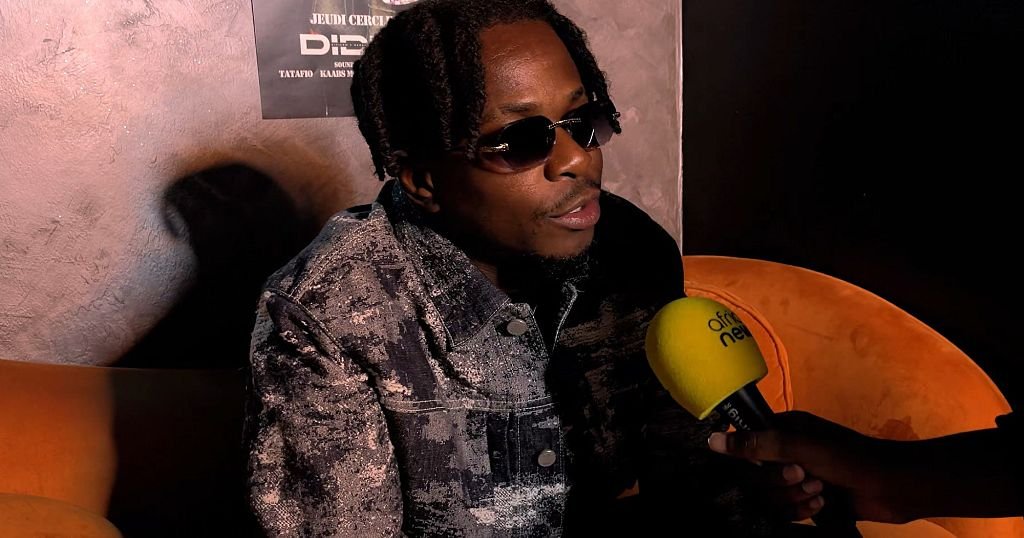
BAYO: A New Chapter in Ivorian Hip-Hop
The new album project BAYO arriving imminently in 2026 carries the campaign hashtag #BAYOISCOMING, signaling an intentional build-up that has already generated widespread anticipation across social platforms and radio waves. Features on BAYO include Davido, Victony, Zlatan, Fally Ipupa, Focalistic, and Young Jonn, each chosen to extend the album's reach while deepening its sonic palette. These partnerships reflect a deliberate strategy to connect Ivorian roots with Nigerian, Congolese, and South African currents.
Recent singles such as IGBO released on June 12, 2026, RABA with Young Jonn, CHÉRIE COCO with Fally Ipupa which went platinum, and JE M'APPELLE with Zlatan and Chley have previewed the album's range. Didi B's statement captures the evolution: "I've always tried different styles in my singles, but my albums were mainly rap. This time, I blended both to really show myself to the public without holding back." This shift allows listeners to experience his full artistic identity rather than segmented versions.
BAYO represents a move from rap-only albums to genre-blending that mirrors how young people in Abidjan actually consume and create music today. The role of Nouchi slang in Ivorian music identity remains central, serving as both a marker of belonging and a creative tool that resists easy translation. By embedding these expressions within tracks that also feature Yoruba and Pidgin, Didi B affirms the legitimacy of hybrid tongues in global conversations.
The collaborative nature of the album's features brings distinct energies: Davido contributes stadium-ready hooks, Victony adds introspective melodies, Zlatan injects streetwise bravado, Fally Ipupa layers Congolese warmth, Focalistic brings amapiano bounce, and Young Jonn supplies polished production sensibility. Each artist arrives with their own audience, expanding the potential reach while enriching the final sound. Such cross-pollination strengthens pan-African networks that benefit the entire industry.
Listeners can expect BAYO to balance high-energy anthems with reflective passages that explore personal growth and communal pride. The production choices honor both club environments and intimate listening sessions, ensuring the album functions across contexts. This versatility positions it for sustained rotation on playlists and radio throughout West Africa and diaspora communities.
Industry watchers view the project as evidence that Ivorian hip-hop has matured into a confident genre capable of leading rather than following trends. By inviting established voices from neighboring scenes, Didi B models generosity that elevates the collective profile of African urban music. The result promises to be both commercially viable and culturally resonant.
Preparation for the release has involved careful coordination between Abidjan-based teams and international partners, underscoring the logistical sophistication now available to regional artists. Fans anticipate not only new tracks but also accompanying visuals that showcase Ivorian aesthetics on equal footing with global standards. This attention to presentation reinforces the album's status as a landmark statement.
Breaking Barriers at Félix Houphouët-Boigny Stadium
Didi B performed at Félix Houphouët-Boigny Stadium ("Félicia") in Abidjan on May 3, 2025 as the first Ivorian urban artist to fill the venue, a milestone that shifted perceptions of what local genres could achieve in large-scale settings. His quote captures the ambition: "Expect a huge show, real staging, a historic and unforgettable event. My entire team — Diva, Jarlo, Johnny, everyone in Abidjan — is working very hard to make history for Ivorian music." The preparation involved months of coordination to deliver production values previously associated only with international headliners.
The venue's capacity and historical significance in Ivorian culture make the achievement particularly meaningful, as the stadium has long hosted national celebrations, football matches, and performances by zouglou legends. What it means for an urban artist to fill a venue previously reserved for those established acts signals a generational transition in which hip-hop and its variants now command equivalent respect and infrastructure. Young fans seeing their stories reflected on stage through Nouchi-infused lyrics experience validation that extends beyond entertainment into cultural affirmation.
Echoes of similar stadium breakthroughs by Senegalese artists remind observers that such moments build upon one another across borders. When Didi B took the stage, he carried not only Ivorian pride but also awareness of the path cleared by predecessors from Dakar and beyond. This continuity fosters a sense of shared progress among West African urban music communities.
The event transformed the stadium into a temporary home for thousands who sang along to tracks blending local slang with global rhythms. Security and logistics teams adapted to the unique energy of an urban music crowd, proving that the infrastructure could support these audiences safely and effectively. Success here opens doors for future bookings that keep revenue and attention circulating within the region.
Media coverage emphasized the emotional weight for families who had watched Didi B progress from smaller clubs to this national landmark. The performance served as both celebration and inspiration, encouraging emerging artists to envision their own trajectories toward major venues. Such visibility helps normalize the idea that Ivorian urban music deserves institutional support comparable to more traditional genres.
Post-concert reflections highlighted how the staging incorporated elements of Ivorian daily life, from market motifs to neighborhood symbols, grounding the spectacle in recognizable realities. This attention to cultural detail distinguished the show from generic large-scale productions and deepened audience connection. The memory of that night continues to circulate in conversations about the future of live music in Abidjan.
Ultimately the Félix Houphouët-Boigny Stadium performance demonstrated that scale and authenticity need not conflict when artists remain rooted in their communities. Didi B's team leveraged local expertise while incorporating international production techniques, modeling a hybrid approach that other regional acts can study and adapt. The precedent strengthens the case for sustained investment in West African live music ecosystems.
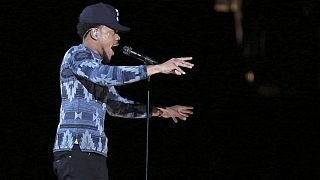
The Sound of a Generation: Blending Rap with Afrobeats and Rumba
Didi B blends rap, Afrobeats, amapiano, Congolese rumba, and Ivorian Nouchi slang into a cohesive sound that feels both innovative and inevitable given the region's musical conversations. The single CHÉRIE COCO with Fally Ipupa exemplifies Congolese rumba elements through its guitar lines and swaying rhythms, demonstrating how these traditions can enhance rather than dilute hip-hop foundations. IGBO showcases his multilingual approach spanning French, English, Nouchi, Yoruba, and Pidgin, proving that linguistic multiplicity can serve emotional clarity rather than confusion.
His ability to move between genres without losing authenticity stems from deep respect for each form's origins and audiences. Connections to the griot traditions that still influence Senegalese and Ivorian music appear in his narrative focus and call-and-response structures, updated for contemporary production. These threads create continuity between ancestral storytelling practices and today's streaming platforms.
How this fusion mirrors musical conversations in Dakar markets and Abidjan studios reveals shared creative impulses across borders, where producers exchange ideas freely and artists absorb influences without hierarchy. The rise of genre-bending across West Africa's recording studios reflects economic realities in which versatility maximizes opportunities in fragmented markets. Didi B exemplifies this pragmatism while maintaining artistic integrity.
Listeners encounter tracks that reward repeated plays, revealing new layers of percussion or linguistic nuance with each listen. This density rewards engagement and builds lasting fandom rather than transient streams. The approach aligns with how communities in both Senegal and Côte d'Ivoire have historically valued music that carries multiple meanings across contexts.
Production teams in Abidjan have embraced these hybrid possibilities, investing in equipment and training that support complex arrangements. The resulting sound travels well to international festivals while retaining the specificity that makes it meaningful at home. This balance sustains careers and cultural relevance simultaneously.
Critics have noted that Didi B avoids the trap of treating fusion as mere novelty, instead allowing each element to serve the song's emotional core. Whether addressing resilience, romance, or celebration, the arrangements feel organic rather than assembled. This maturity distinguishes his work within a crowded field of cross-genre experiments.
The broader impact includes inspiring producers and songwriters throughout the region to experiment similarly, accelerating the evolution of West African urban music. As these sounds gain traction globally, they carry with them the lived experiences of Abidjan and Dakar youth, enriching worldwide musical vocabularies in the process.
Francophone Africa's Global Ambitions
Didi B expressed goals that extend beyond current achievements: "There are other goals: winning major awards like the Grammys, doing major collaborations, and filling other stadiums internationally." These ambitions reflect confidence grounded in recent milestones rather than empty aspiration. Scheduled for Afrobae Festival in Quebec, Canada on August 29, 2026, he will introduce his evolving sound to North American audiences already familiar with Afrobeats crossovers.
Guest appearance at TRK's concert at Palais des Congrès du Sofitel Abidjan Hôtel Ivoire on July 18, 2026 keeps him connected to home audiences while preparing for larger international dates. What these international dates mean for Francophone African representation involves increased visibility for languages and cultural references often sidelined in global music discourse. The growing influence of Ivorian music on global platforms creates pathways for peers who share similar backgrounds and aspirations.
Comparisons to Senegalese musicians who have carried West African music onto world stages underscore a collective momentum rather than isolated success stories. When Didi B performs in Quebec or collaborates across borders, he contributes to a wider narrative of Francophone excellence that benefits the entire region. This interconnected progress strengthens negotiating power with international labels and festivals.
Industry analysts observe that sustained international presence requires not only talent but also strategic partnerships and infrastructure support from governments and private investors. Didi B's trajectory demonstrates what becomes possible when these elements align. His example encourages emerging artists to pursue global stages without abandoning local foundations.
The cultural diplomacy dimension of these tours should not be overlooked, as performances abroad introduce audiences to Ivorian perspectives on contemporary African life. Language barriers diminish when music carries the message, allowing Nouchi-infused tracks to communicate resilience and creativity across linguistic divides. This soft power complements more formal channels of international engagement.
Preparation for upcoming dates involves balancing rehearsal demands with ongoing creative work on BAYO, illustrating the multitasking required of artists operating at this level. Support teams in Abidjan coordinate logistics that keep the focus on performance quality. Such professionalism signals the maturation of the Ivorian music sector as a whole.
Ultimately these global ambitions serve to elevate the profile of Francophone African creators collectively, opening doors that subsequent generations can walk through with greater ease. Didi B's willingness to articulate these goals publicly models aspirational thinking that counters narratives of limitation often projected onto the region.
What Lies Ahead for Didi B
BAYO release set for 2026 promises fans an expansive listening experience that showcases his growth while honoring the communities that shaped him. Pan-African dialogue through music continues as the central thread, with each collaboration functioning as a bridge between distinct yet overlapping musical traditions. Future stadium shows and international recognition appear increasingly attainable given the momentum from recent milestones.
Using multiple languages to carry messages of resilience and joy across borders remains a defining strength that allows his work to resonate in diverse contexts. How Didi B's success strengthens the collective voice of West African creators becomes evident in the opportunities now available to younger artists inspired by his path. The infrastructure built through his achievements supports an ecosystem that extends well beyond any single performer.
Observers anticipate that the coming years will bring further refinement of his genre-blending approach as he responds to audience feedback and evolving production technologies. Maintaining connection to Abidjan's streets while navigating global circuits requires deliberate choices that prioritize cultural integrity. His track record suggests he will continue making those choices with consistency and care.
The broader implications include heightened interest from international platforms in Ivorian and Francophone talent, potentially shifting industry investment patterns. As Didi B fills stadiums and collects accolades, he contributes to a rebalancing of global music narratives that have historically privileged certain regions. This shift benefits creators across West Africa who now see expanded possibilities for their own work.
Ultimately his journey affirms that grounded artistry rooted in specific cultural realities can achieve universal reach without compromise. Fans and fellow musicians alike watch with anticipation as the next chapters unfold, confident that the values of community and linguistic richness will remain central to whatever comes next.
By Amara Diop, Staff Writer
This article was produced with AI-assisted research and editorial support. Reporting is based on sources cited in the article.
What's Your Reaction?
 Like
0
Like
0
 Dislike
0
Dislike
0
 Love
0
Love
0
 Funny
0
Funny
0
 Wow
0
Wow
0
 Sad
0
Sad
0
 Angry
0
Angry
0
West Africa/Sahel Correspondent at Global1.News. Dakar-based journalist covering politics, security, climate, and development across Francophone and Anglophone West Africa. Tells the stories of a region undergoing profound transformation.










Comments (0)