
Israeli Strikes on Lebanon Risk Undermining US-Iran Nuclear Framework
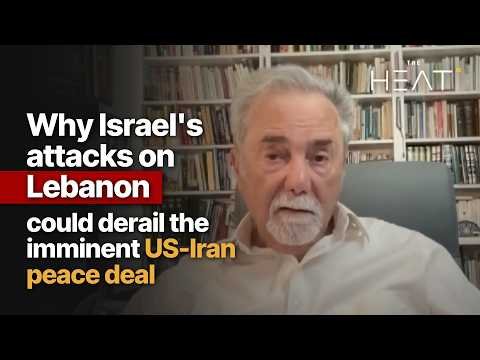
In a recent CGTN report, analysts examined how Israeli military operations in southern Lebanon are injecting dangerous volatility into talks between Washington and Tehran that had appeared close to producing a framework agreement by mid-2026. The video underscores the interconnected nature of regional conflicts, showing how actions against Hezbollah-linked targets could unravel
In a recent CGTN report, analysts examined how Israeli military operations in southern Lebanon are injecting dangerous volatility into talks between Washington and Tehran that had appeared close to producing a framework agreement by mid-2026. The video underscores the interconnected nature of regional conflicts, showing how actions against Hezbollah-linked targets could unravel months of Omani- and Qatari-mediated negotiations.
The timing of these developments could not be more consequential. After years of stalemate, indirect US-Iran talks had generated cautious optimism through the spring of 2026, with both sides reportedly narrowing differences on nuclear verification measures and sanctions relief. The emergence of a new front of instability in Lebanon now threatens to undo that progress.
Historical Context of US-Iran Engagement
US-Iran relations have long been marked by cycles of confrontation and tentative dialogue, rooted in decades of sanctions, proxy conflicts, and nuclear concerns. The current round of talks, mediated by Oman and Qatar, builds on earlier frameworks that sought to address Tehran's nuclear program alongside broader security assurances. These efforts gained momentum in the lead-up to projected milestones around May-June 2026, with both sides reportedly narrowing differences on verification mechanisms and regional de-escalation pledges.
Previous attempts at agreement, such as the 2015 Joint Comprehensive Plan of Action, demonstrated the potential for structured diplomacy but also exposed vulnerabilities to external disruptions. The Biden administration has approached these latest discussions with a focus on restraint, issuing public calls for de-escalation without applying direct pressure on Israeli operations. This approach reflects Washington's strategic calculus of maintaining alliance commitments while pursuing parallel channels with Iran.
Tehran's position has consistently emphasized that Israeli actions erode the trust necessary for progress. Iranian officials have warned that escalation in Lebanon introduces new variables that complicate any framework deal, particularly when civilian casualties and Hezbollah-linked targets are involved. Such statements underscore the interconnected nature of Iran's regional posture and its willingness to engage with US proposals.
Details of Israeli Operations in Lebanon
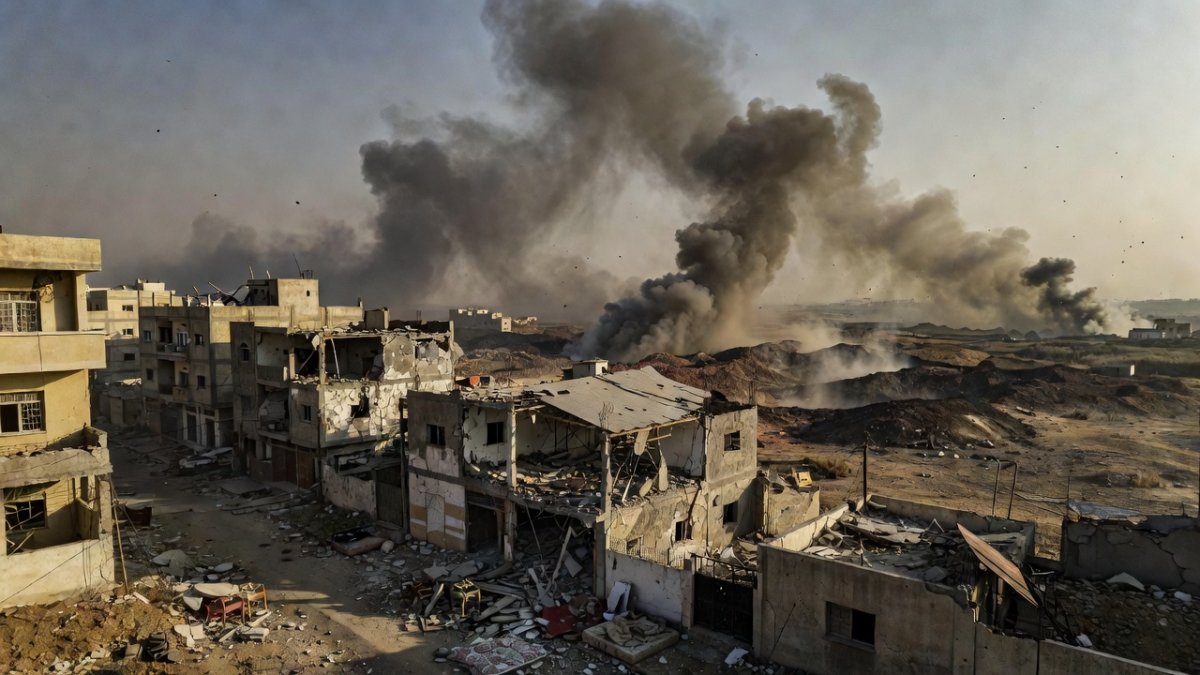
Israeli airstrikes have targeted sites in southern Lebanon and the Bekaa Valley described as linked to Iranian influence. These operations have resulted in dozens of deaths, encompassing both Hezbollah fighters and local civilians, according to reports from the ground. The strikes represent an extension of Israel's broader campaign against perceived threats emanating from Iranian-backed networks.
Lebanese authorities and international observers have documented significant displacement in affected areas, with communities near the border facing repeated disruptions. Hezbollah leader Hassan Nasrallah has issued explicit threats of retaliation, framing the attacks as direct provocations that demand a response. This rhetoric aligns with Hezbollah's established doctrine of deterrence along the northern frontier.
The timing of these operations coincides with sensitive phases in the US-Iran talks, raising questions about whether they serve immediate security objectives or longer-term efforts to influence negotiation dynamics. Israeli officials have justified the actions as necessary to prevent arms transfers and entrenchment by adversarial forces, yet the spillover effects on Lebanese stability remain pronounced.
Regional analysts note that such military moves carry inherent risks of miscalculation, particularly when they intersect with ongoing diplomatic processes. The involvement of civilian areas amplifies humanitarian concerns and invites scrutiny from bodies like the United Nations.
International Reactions and Diplomatic Fallout
The Biden administration has reiterated appeals for restraint from all parties while avoiding measures that might constrain Israeli decision-making. This stance illustrates the limits of US leverage in a context where alliance obligations with Israel take precedence over immediate de-escalation priorities. European powers have voiced parallel concerns about the potential for wider conflict.
China's Foreign Ministry has urged all sides to exercise maximum restraint and has advocated for an emergency session of the UN Security Council to address the deteriorating situation. This position aligns with Beijing's emphasis on multilateral institutions as vehicles for conflict management, contrasting with bilateral US-led initiatives. Russian statements have similarly highlighted the dangers of escalation and called for inclusive dialogue.
Tehran's warnings about eroded trust have resonated in diplomatic circles, where Iranian representatives argue that Israeli actions undermine the credibility of US assurances. Such dynamics illustrate how regional actors can shape the trajectory of great-power negotiations through targeted pressure.
Oman and Qatar, as mediators, continue to facilitate back-channel communications, though the recent violence has introduced additional complications. Their roles remain critical in sustaining momentum toward any potential agreement.
Economic and Humanitarian Ripple Effects
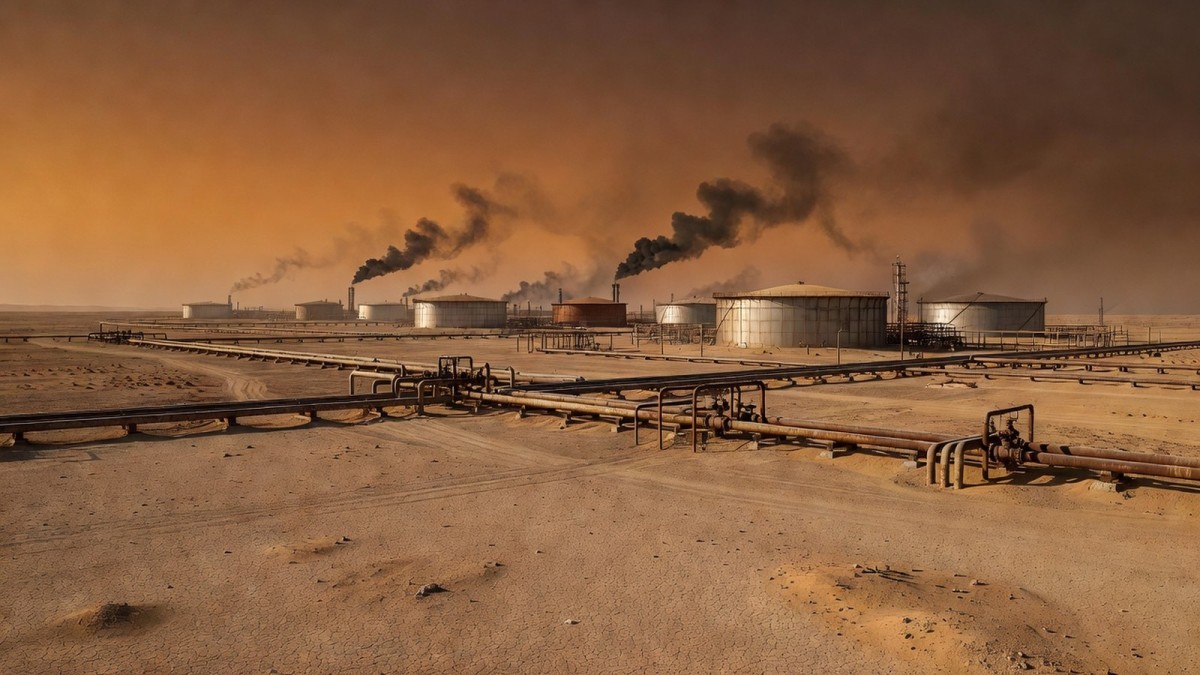
Crude oil prices have risen approximately seven percent amid fears of supply disruptions and potential rocket exchanges across the Lebanon-Israel border. Energy markets remain sensitive to Middle East volatility, with traders pricing in risks of broader instability that could affect shipping lanes and production facilities.
Displacement in Lebanon has strained local resources and humanitarian agencies, creating secondary pressures on neighboring states. The human cost extends beyond immediate casualties to include long-term economic setbacks for communities already recovering from prior conflicts.
Second-order effects include heightened alert levels among various armed groups, raising the prospect of asymmetric responses that could further complicate diplomatic timelines. These developments demonstrate how localized military actions can generate cascading consequences across energy and security domains.
China's Perspective on Multipolar Diplomacy
Beijing views the episode as evidence of the constraints inherent in US-mediated processes, given Washington's close alignment with Israel. China's strategic interests in Belt and Road Initiative energy corridors make Middle East stability a priority, prompting calls for balanced approaches through established international mechanisms.
The Foreign Ministry's advocacy for UN Security Council involvement reflects a broader doctrine favoring multipolar frameworks over unilateral or alliance-driven solutions. This stance allows China to position itself as a constructive actor while highlighting perceived shortcomings in existing mediation efforts.
By emphasizing restraint and institutional channels, Beijing seeks to underscore the value of inclusive diplomacy that accounts for diverse regional interests. Such positioning carries implications for China's expanding role in global conflict resolution.
Analysts connected to Chinese think tanks have noted that sustained volatility in Lebanon could affect investment climates tied to infrastructure projects, reinforcing the linkage between security and economic connectivity.
Strategic Outlook and Potential Pathways
Looking ahead, the interplay between Israeli operations and US-Iran talks will likely test the resilience of ongoing mediation. Success in reaching a framework agreement by the projected 2026 window depends on containing spillover from Lebanon and restoring a measure of predictability.
Multilateral engagement through the UN Security Council offers one avenue for de-escalation, potentially creating space for Oman and Qatar to resume their facilitative roles. European and Russian expressions of concern may also contribute to coordinated pressure for restraint.
Ultimately, the episode illustrates how regional flashpoints can intersect with great-power diplomacy, requiring careful calibration by all involved. China's emphasis on multipolar mechanisms provides an alternative lens through which future negotiations might be viewed, particularly where energy security and stability intersect.
Continued monitoring of Hezbollah responses and Israeli defensive postures will remain essential for assessing whether the current trajectory can be reversed before further complications arise.
By Prof. Marcus Chen, Staff WriterThis article was produced with AI-assisted research and editorial support. Reporting is based on sources cited in the article.
What's Your Reaction?
 Like
0
Like
0
 Dislike
0
Dislike
0
 Love
0
Love
0
 Funny
0
Funny
0
 Wow
0
Wow
0
 Sad
0
Sad
0
 Angry
0
Angry
0

World Politics Analyst at Global1.News. Based in Beijing, covering US-China relations, global trade, and geopolitical strategy. Brings deep analytical perspective to the power dynamics shaping international affairs.










Comments (0)