
El Niño Declared Underway in Pacific, Affects Latin America
NOAA Declares El Niño Underway as Pacific Waters Warm The US National Oceanic and Atmospheric Administration has declared that El Niño conditions are now under way in the tropical Pacific, with sea surface temperatures having risen sharply in recent months. This announcement by NOAA is not a surprise as forecasters have expected this warming phase after the cooler sister patter
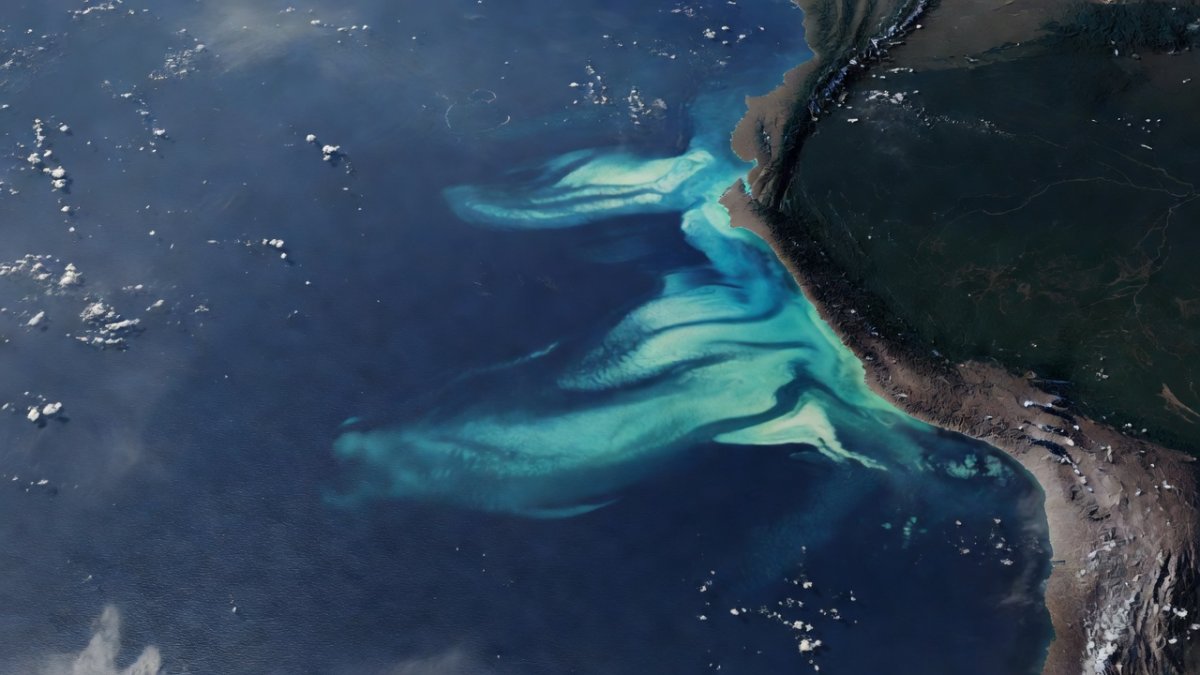
NOAA Declares El Niño Underway as Pacific Waters Warm
The US National Oceanic and Atmospheric Administration has declared that El Niño conditions are now under way in the tropical Pacific, with sea surface temperatures having risen sharply in recent months. This announcement by NOAA is not a surprise as forecasters have expected this warming phase after the cooler sister pattern La Niña ended earlier this year. Sea surface temperatures in the central and tropical Pacific have now passed the 0.5C-above-average threshold that US scientists use to define an El Niño event. El Niño conditions developed over the past month as shown by above-average sea surface temperatures across the central to eastern equatorial Pacific Ocean the agency said.
NOAA has also seen the winds above the equatorial Pacific begin to shift a sign that the atmosphere is now responding to the warmer ocean not just the ocean warming on its own. This development marks the official start of a natural Pacific weather pattern that pushes up global temperatures. For communities across Latin America the declaration signals the beginning of a period where weather patterns will shift in ways that affect daily life and long-term planning. The agency noted that these changes follow directly from the end of La Niña conditions earlier in the year.
Many forecasts suggest this could end up as a so-called super El Niño and even be among the strongest ever recorded. Coming on top of decades of human-caused warming it could bring another record-hot year most likely in 2027 with disruption to weather food supplies and economies running well into that year. Latin American nations from Brazil to Peru must now prepare for these shifts that will influence everything from river levels in the Amazon basin to coastal fisheries in Ecuador. The threshold crossing confirms the transition into this new phase of the Pacific cycle.
Forecasters Warn This Could Become a Super El Niño
El Niño intensity is measured by how far sea surface temperatures rise above average in a key zone of the Pacific. A strong event is defined as more than 1.5C above average a very strong one above 2C. According to NOAA June outlook there is a 63 percent chance of a very strong El Niño during November-January that would rank among the largest El Niño events in the historical record going back to 1950 the agency said. The three strongest events since then have been in 1982/83 1997/98 and 2015/16.
Some of the latest US and European models go further showing temperatures in the tropical Pacific potentially climbing more than 3C above average by the end of the year. What has surprised the researchers is how confident the computer models already are about its strength. This level of projected warming carries direct consequences for northern South America where drought risks could intensify across the Amazon region and affect agricultural output in Brazil. Forecasters emphasize that model agreement on potential strength has grown notably in recent assessments.
The US agency urged some caution on what their strength prediction implies. Even very strong El Niño events do not lead to the expected impact everywhere but stronger events can more significantly tilt the odds in favour of expected outcomes. For Peru and Ecuador this means monitoring both the flood risks along the Pacific coast and the broader effects on regional food supplies. The historical comparisons to past super events provide a reference point for what Latin American governments may face in the coming seasons.
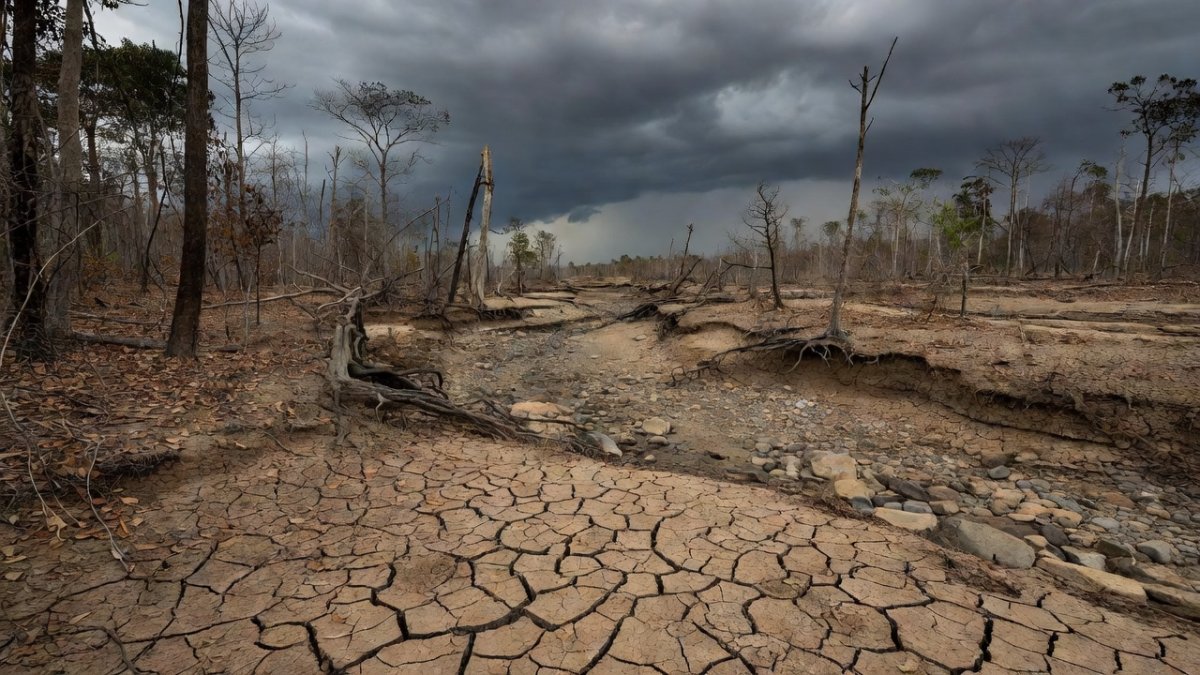
Drought and Wildfire Danger Loom Over the Amazon and Northern South America
At the same time the risk of drought and wildfire rises across much of Australia Indonesia and northern South America hitting agriculture and global food stocks. This pattern places the Amazon basin and surrounding areas in Brazil under heightened stress as reduced rainfall threatens both ecosystems and farming communities. The disruption to weather patterns will be felt most sharply in the tropics where northern South America stands to experience prolonged dry conditions that affect crop yields and water availability. El Niño tends to suppress rainfall in these zones leading to cascading effects on food production that extend beyond immediate borders.
Agriculture across northern South America faces direct pressure from these drier conditions with global food stocks potentially impacted as a result. In Brazil the Amazon region could see increased vulnerability to fires as vegetation dries out under the influence of the warming Pacific waters. Communities that rely on consistent seasonal rains for their livelihoods will need to adapt quickly to the altered patterns that El Niño brings. The combination of natural variability and existing pressures makes this period particularly challenging for the region.
Food supplies in Latin America stand to face interruptions as drought conditions take hold across northern South America. This affects not only local markets but also export chains that support economies in Brazil and neighboring countries. The wildfire risk adds another layer of concern as dry vegetation becomes more susceptible to ignition during the peak months of the event. Historical patterns show that such conditions can persist and influence recovery efforts well into subsequent years.
Flood Threat Rises for Peru, Ecuador, and Pacific Coastal Regions
Flooding is common in northern Peru and southern Ecuador and can reach parts of East Africa Central Asia and the southern United States. No two El Niños are alike but the disruption is felt most sharply in the tropics where these coastal areas often bear the brunt of heavy rains. Infrastructure in these regions faces risks from sudden downpours that can overwhelm drainage systems and damage roads critical for transporting goods. Coastal economies dependent on fishing and tourism may experience interruptions as waters rise beyond normal levels.
Early warning systems in Peru and Ecuador will play a vital role in mitigating the worst effects of these floods during the current event. Historical context from prior El Niños shows that northern Peru and southern Ecuador have repeatedly dealt with inundations that displace families and disrupt planting cycles. The Pacific coastal regions must balance preparations for excess water with the knowledge that stronger events can amplify these outcomes. This dual challenge requires coordinated responses across local and national levels.
The flood threat extends beyond immediate safety concerns to longer-term economic stability in Peru and Ecuador. Agricultural lands near the coast can suffer from both erosion and contamination when waters overflow their banks. Communities in these areas have learned from past cycles that timely action can reduce losses though the scale of a potential super El Niño adds uncertainty. Regional cooperation becomes essential as the event unfolds through the coming months.
Climate Change Supercharges a Natural Cycle
The bigger concern is that all this is happening on an already much hotter planet. We do need to worry about the impacts said Prof Adam Scaife head of monthly to decadal prediction at the UK Met Office. The current El Niño is riding on top of a substantial amount of global warming. This means that the actual temperatures in affected regions could well be unprecedented as the warming from El Niño is being topped up by climate change.
A very strong El Niño typically lifts global air temperatures by around 0.2C releasing heat stored in the ocean into the atmosphere. That extra blast now lands on a world that is already setting records. The year 2024 the warmest on record was boosted by an El Niño that was not even especially strong. And despite the cooling drag of a La Niña event 2025 still came in as the third warmest year on record hotter even than the super El Niño year of 2016.
At the end of this year and into 2027 we are likely to see very high temperatures globally Prof Scaife said. In 2027 we are likely to see excess heat on top of the global warming we have already got and that could easily lead to another year above 1.5 degrees of warming above late-19th-Century levels. An El Niño declaration is not just another weather forecast for millions of people it is a deadly siren to be feared said Mohamed Adow director of campaign group Power Shift Africa. It means failed rains dying crops rising food prices and families pushed to the edge yet again.
Central America Faces Reduced Rainfall as Atlantic Hurricanes Decline
El Niño also tends to suppress Atlantic hurricanes and forecasters already expect a quieter-than-average season. While that sounds like a good thing for Central America that leads to a lot less rainfall and potentially drought conditions said Liz Stephens professor of climate risk and resilience at the University of Reading. This reduction in rainfall carries serious implications for agriculture across the isthmus where communities depend on consistent precipitation for staple crops. The quieter hurricane season removes one source of moisture that normally helps offset dry periods in the region.
Food security in Central America stands to be tested as drought conditions develop under the influence of the El Niño pattern. Reduced rainfall affects not only large-scale farming but also smallholder operations that form the backbone of rural economies. The suppression of Atlantic hurricanes while potentially lowering storm damage elsewhere creates a different set of challenges for water management in countries like those in the Central American corridor. Liz Stephens highlighted how this shift tilts conditions toward prolonged dryness.
The broader tropical disruption from El Niño reaches across multiple regions including Central America where the rainfall deficit compounds existing vulnerabilities. Agricultural planning must account for these altered patterns that can last through several growing seasons. Communities in the region have experienced similar cycles before yet the added factor of global warming raises the stakes for recovery and adaptation efforts. The forecast points to sustained pressure on water resources and crop production through the peak of the event.
Preparing for Cascading Climate Impacts Across Latin America
Government preparations across Latin America must now account for the range of outcomes associated with a potentially very strong El Niño. Brazil Peru and Ecuador face distinct but interconnected challenges from drought in the Amazon basin to flooding along the Pacific coast. Community-level resilience efforts will be critical in translating forecasts into actionable steps that protect vulnerable populations. The need for targeted action grows as the event strengthens through the remainder of the year.
Coordination between national agencies and local authorities can help buffer the effects on food supplies and economies that may extend well into 2027. Peru and Ecuador have opportunities to strengthen flood defenses based on lessons from earlier events while Brazil monitors conditions across northern South America. Community-level resilience builds through education and resource allocation that anticipates both dry and wet extremes. These preparations draw on the understanding that stronger El Niño events tilt odds toward more pronounced impacts.
Japan Meteorological Agency takes a similar view to NOAA judging that El Niño conditions are present. This international alignment reinforces the urgency for Latin American nations to act decisively on the forecasts. Targeted action at all levels from regional planning to household strategies will determine how effectively the region navigates the disruptions ahead. The cascading effects on weather food supplies and economies require sustained attention through the duration of this event and beyond.
By Elena Vasquez, Staff WriterThis article was produced with AI-assisted research and editorial support. Reporting is based on sources cited in the article.
What's Your Reaction?
 Like
0
Like
0
 Dislike
0
Dislike
0
 Love
0
Love
0
 Funny
0
Funny
0
 Wow
0
Wow
0
 Sad
0
Sad
0
 Angry
0
Angry
0

Latin America Correspondent at Global1.News. Based in Mexico City, covering politics, economics, energy, and culture across the region. Brings an on-the-ground perspective to stories spanning from the Rio Grande to Patagonia.











Comments (0)