
Iran Threatens UK Bases as US Strikes Continue
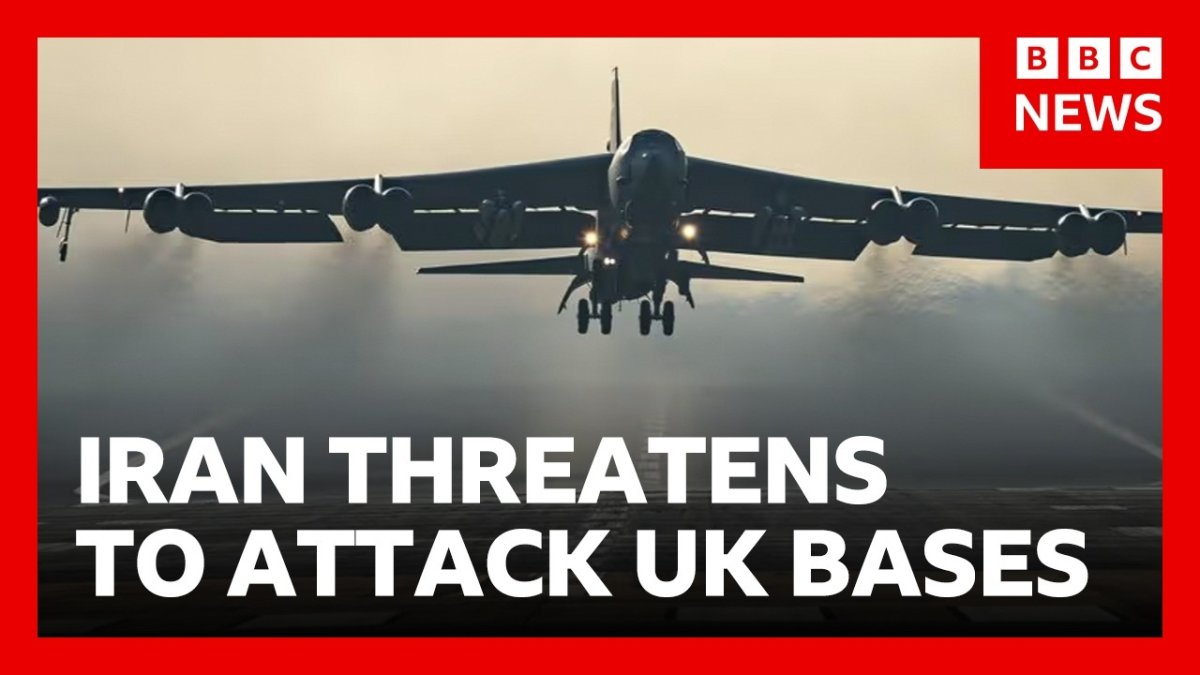
In a recent BBC News report, Iran's Islamic Revolutionary Guard Corps issued a direct warning to the United Kingdom: any British military base used by American forces to strike Iranian targets would be considered a "legitimate target." The threat, delivered through the IRGC-linked Tasnim News Agency
In a recent BBC News report, Iran's Islamic Revolutionary Guard Corps issued a direct warning to the United Kingdom: any British military base used by American forces to strike Iranian targets would be considered a "legitimate target." The threat, delivered through the IRGC-linked Tasnim News Agency on July 23, marks a sharp escalation in the confrontation between Tehran and London — one that has been simmering since the US-Israel led war against Iran began in late February.
Iran Threatens UK Bases as US Strikes Enter 13th Night — London Vows to Defend Itself
London, United Kingdom – 24 July 2026 — The British government has declared it "stands ready 24/7 to defend itself" after Iran warned that UK military bases hosting American forces are now considered legitimate targets for attack. The confrontation, unfolding against the backdrop of a 13th consecutive night of US strikes against Iran, has placed London at the center of a widening geopolitical crisis with implications for global energy markets and the balance of power in the Middle East.
The IRGC Warning and the UK Response
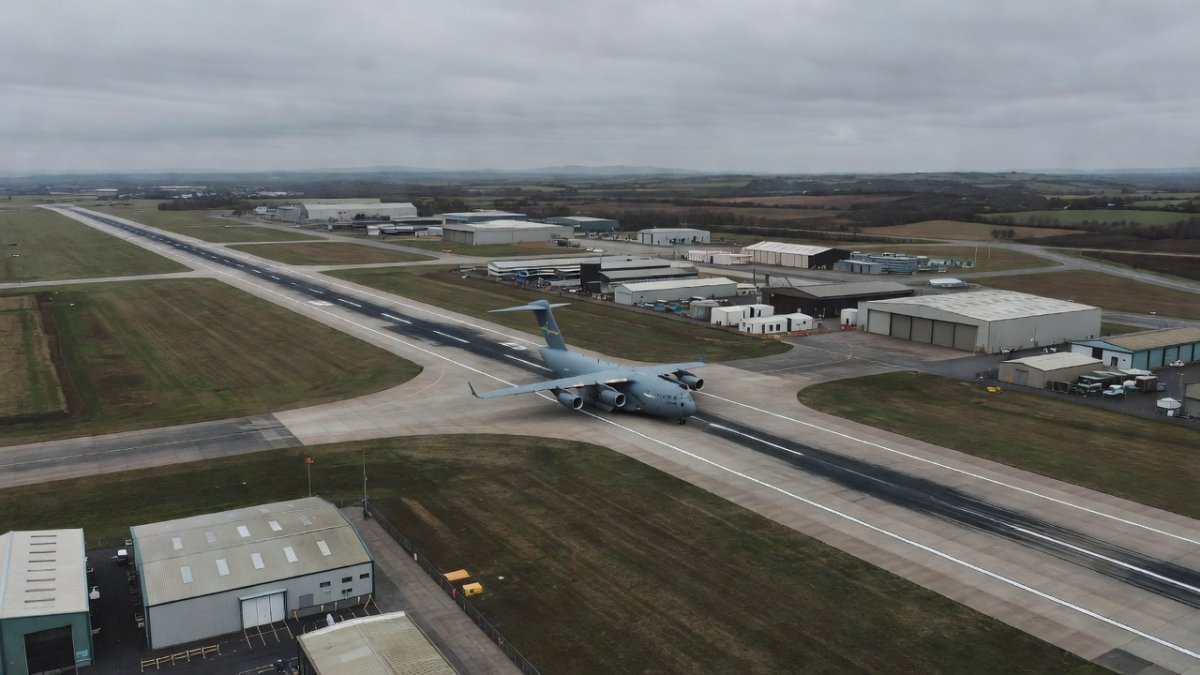
The Islamic Revolutionary Guard Corps — Iran's most powerful military institution — issued its warning through the Tasnim News Agency on Thursday, claiming that American bombing missions had been launched from RAF Fairford in Gloucestershire as recently as two days earlier. The IRGC did not provide independent verification of the operations, but the timing of the statement was unambiguous: Iran considers any country that permits its territory to be used for strikes against the Islamic Republic to be a party to the conflict.
The UK government's response was swift and unequivocal. In a statement, a government spokesperson said the armed forces were operating "a layered approach to air and missile defence, provided by Royal Navy, British Army and Royal Air Force assets equipped with a range of advanced capabilities, working closely with our Nato allies." The statement emphasised that the UK's approach "remains the same — we are committed to defending our people, our interests and our allies, acting in accordance with international law and not getting drawn into the wider conflict."
The carefully calibrated language reveals London's delicate position. Prime Minister Andy Burnham, who took office recently, was notified last week that the previous administration's agreement with the United States — permitting "defensive" operations from British bases — had been extended. The policy, originally set by former Prime Minister Sir Keir Starmer in the early days of the war, allows the US to use RAF Fairford and the Diego Garcia base in the Indian Ocean for operations that London defines as defensive, while the UK officially refuses to participate in offensive strikes against Iran.
Thirteen Nights of American Strikes
US Central Command confirmed the completion of a 13th consecutive night of strikes on Thursday evening, targeting Iranian military infrastructure across multiple sites. According to Centcom, the operations aim to further degrade Iran's ability to threaten civilian mariners and commercial vessels transiting regional waters. The sustained campaign has focused on missile storage facilities, command nodes, and launch platforms that Washington assesses as central to Tehran's capacity to disrupt shipping lanes. US Defense Secretary Pete Hegseth testified recently that the war has already cost $37.5 billion, underscoring the scale of resources committed since the conflict opened on 28 February 2026 with US-Israeli airstrikes that killed several Iranian officials, including Supreme Leader Ali Khamenei.
US assessments indicate that repeated strikes have significantly reduced the operational readiness of Iran's missile arsenal. Officials in Washington claim that key production sites and launch units have been damaged or destroyed, limiting Tehran's ability to sustain long-range salvos. Independent analysts, however, have raised doubts about the reliability and accuracy of Iran's remaining missiles, noting inconsistent performance in earlier exchanges and potential vulnerabilities in guidance systems. These assessments suggest that while Iran's inventory remains substantial on paper, actual battlefield effectiveness may be lower than previously estimated.
The human cost of the campaign has grown steadily. Iranian state media report rising civilian casualties in areas near targeted military installations, though independent verification remains limited. The collapse of a brief ceasefire that had paused hostilities earlier in the summer has removed any immediate restraint on further escalation. Iran has claimed responsibility for attacks on vessels in the Strait of Hormuz as well as strikes against targets in Bahrain and Jordan, framing these actions as retaliation for the sustained US bombing. The pattern of mutual strikes has eliminated the fragile pause that existed only weeks earlier, returning both sides to a cycle of nightly operations and public threats.
London's position remains one of calibrated support for defensive US operations while avoiding direct participation in offensive missions. The extension of the basing agreement notified to Prime Minister Andy Burnham last week preserves this distinction, yet the IRGC warning directly challenges the viability of that line. British officials continue to stress that any response would remain within international law and focused on national defence rather than broader entanglement.
Diego Garcia, Ballistic Missiles, and the Question of Reach
On 19 March, Iran fired two ballistic missiles toward the Diego Garcia base in the Indian Ocean. One missile failed during flight, while the second was intercepted and destroyed by a US warship. The attempted strike highlighted the geographic reach of Iran's arsenal and the distance involved — approximately 2,360 miles from Iranian territory to the British Indian Ocean Territory facility. The episode prompted immediate questions about whether Iran possessed missiles capable of reliably striking distant Western bases used by US forces.
Israel has publicly claimed that Iran maintains missiles with ranges up to 4,000 km, or 2,485 miles, a distance that would theoretically place parts of the United Kingdom and continental Europe within reach. Such statements have circulated in Western capitals since the early weeks of the war. Then-Housing Secretary Steve Reed stated at the time that there was "no specific assessment that the Iranians are targeting the UK," reflecting the British government's assessment that no immediate threat to the British homeland had been identified. Analysts continue to question the reliability and accuracy of Iran's missile systems, citing past test failures and the technical challenges of sustaining precision over intercontinental distances.
Iran has conducted strikes against several Gulf countries that host US military facilities, demonstrating a willingness to target locations used by American forces. US officials maintain that sustained bombing has severely degraded Iran's missile capabilities, reducing both the number of operational launchers and the quality of remaining munitions. Despite these claims, Tehran continues to assert that its forces retain the capacity to strike US and allied positions across the region. The combination of demonstrated range, disputed accuracy, and ongoing degradation creates a fluid threat environment for planners in London and Washington.
The IRGC warning issued on 23 July explicitly links RAF Fairford and Diego Garcia to this broader pattern. By naming British bases as legitimate targets, Iran seeks to deter further US use of UK territory while testing the limits of London's defensive commitments. British military planners must now account for both the theoretical reach of Iranian missiles and the practical limitations that repeated US strikes may have imposed on Tehran's arsenal.
Oil, the Strait of Hormuz, and Global Economic Fallout
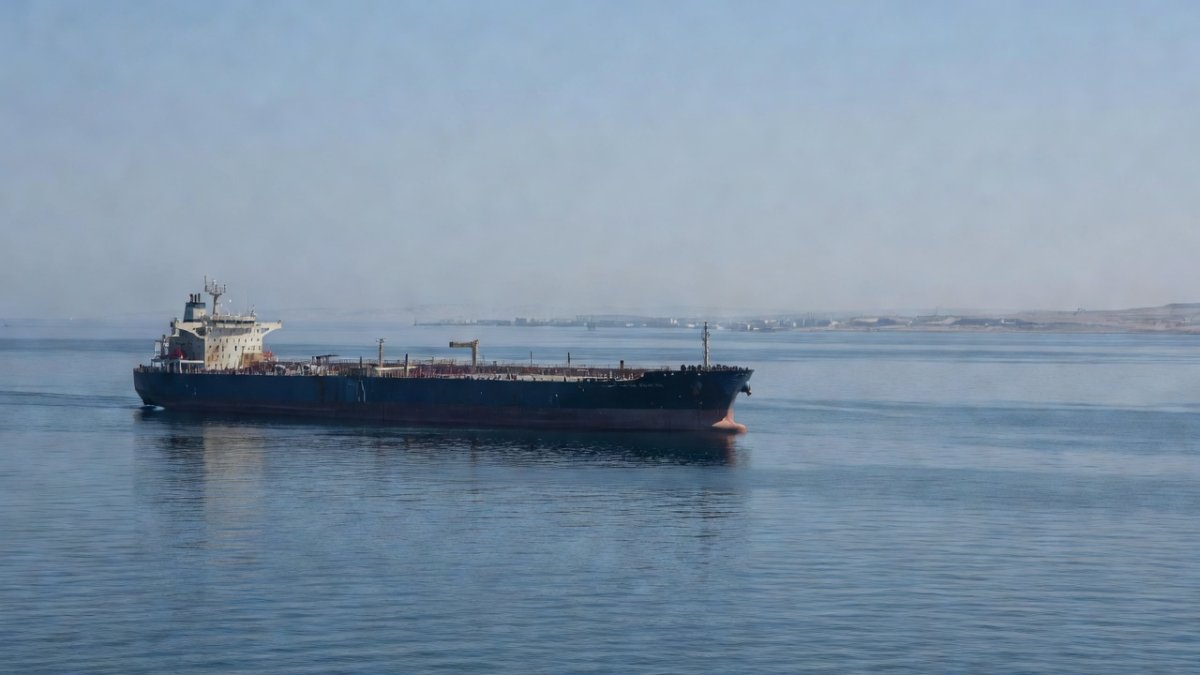
The effective closure of the Strait of Hormuz to commercial shipping has driven oil prices above $100 per barrel, creating immediate pressure on global energy markets. Attacks on vessels and the resulting insurance costs have sharply reduced tanker traffic through the vital chokepoint that carries a significant share of the world's oil supply. Centcom continues to state that the strait "remains open for transit" under US military protection, yet commercial operators have largely avoided the route since the conflict intensified.
The surge in prices has translated into higher fuel costs across the United Kingdom and Europe, adding to inflationary pressures already present in both economies. Governments in London and Brussels face growing domestic demands for diplomatic engagement to restore safe passage. Russia and China have observed the disruption with strategic interest. Russia, as a major energy exporter, benefits from elevated prices that offset some effects of Western sanctions. China, heavily reliant on Gulf oil, has sought to negotiate safe passage for its tankers while avoiding direct involvement in the military confrontation.
The economic consequences extend beyond immediate fuel costs. Financial markets have experienced volatility tied to uncertainty over the duration of the Strait closure and the potential for wider regional disruption. European governments have accelerated discussions on alternative supply routes and strategic reserves. The absence of a diplomatic breakthrough has left the economic fallout as an open-ended factor influencing policy calculations in multiple capitals.
London's decision to maintain the distinction between defensive and offensive operations from its bases occurs against this backdrop of energy market turbulence. Any further escalation that draws British territory more directly into the conflict risks compounding both security and economic pressures on the United Kingdom.
Geopolitical Implications — Russia, China, and the Shifting Balance
From Moscow's perspective, the US-Israel-Iran war offers a strategic opening. Elevated oil prices strengthen Russia's energy export revenues at a moment when sanctions have limited other sources of income. The deep commitment of US military resources in the Middle East simultaneously reduces Washington's bandwidth for other priorities, including support for Ukraine and presence in the Indo-Pacific. Russian officials have avoided direct commentary on the IRGC warning to the United Kingdom, yet the overall dynamic aligns with Kremlin interests in prolonging Western entanglement in the region.
Beijing has adopted a more cautious posture. China has worked to preserve its energy relationship with Tehran while negotiating arrangements for tanker transit through the Strait of Hormuz. At the same time, Chinese diplomats have positioned the country as a potential mediator, wary that a prolonged conflict could destabilise its primary energy supply corridor. The balance between these objectives remains delicate, as any perception of Chinese support for Iran risks complicating relations with Gulf states and the United States.
The involvement of British bases adds another layer to these calculations. London's insistence on limiting cooperation to defensive operations has so far prevented full alignment with US offensive strikes. However, the IRGC threat directly challenges that boundary. Both Russia and China will monitor whether the United Kingdom maintains its current stance or faces pressure to expand its role in response to Iranian warnings.
The shifting balance of attention and resources among major powers creates opportunities for secondary actors to advance their own agendas while the primary confrontation continues. The economic and military costs already incurred suggest that external powers will weigh their involvement carefully before committing further.
Analysis — A Confrontation with No Off-Ramp
The United Kingdom now confronts a dilemma it has sought to avoid since the war began: the possibility of being drawn directly into a conflict it has attempted to keep at arm's length. Iran's missile threat, even if degraded by sustained US strikes, introduces a new layer of risk for British military planners responsible for RAF Fairford and Diego Garcia. The situation echoes earlier Middle Eastern conflicts that gradually pulled in outside powers, yet the closure of the Strait of Hormuz gives this crisis a global economic dimension that previous episodes lacked.
Without a diplomatic off-ramp, the cycle of threats, strikes, and retaliation appears self-reinforcing. Each round of US operations prompts Iranian warnings and counter-claims, while the economic consequences of the Strait disruption increase pressure on all parties to find an exit. The IRGC statement through Tasnim News Agency on 23 July makes clear that Tehran views British territory as part of the battlefield when used by US forces. London’s response has emphasised defence and international law, yet the underlying tension remains unresolved.
Looking ahead, the coming weeks will test whether the distinction between defensive and offensive operations can be sustained under continued Iranian pressure. The combination of missile threats, energy market volatility, and competing interests among Russia, China, and Western powers suggests that any resolution will require coordinated diplomacy beyond the immediate military exchanges. Absent such an effort, the confrontation risks expanding further, with consequences that extend well beyond the region.
By Irina Volkov, Staff Writer
This article was produced with AI-assisted research and editorial support. Reporting is based on sources cited in the article.
What's Your Reaction?
 Like
0
Like
0
 Dislike
0
Dislike
0
 Love
0
Love
0
 Funny
0
Funny
0
 Wow
0
Wow
0
 Sad
0
Sad
0
 Angry
0
Angry
0

Russia/Eastern Europe Correspondent at Global1.News. Covering Russian politics, energy, security, and the shifting dynamics of the post-Soviet space. Provides clear-eyed analysis on one of the world's most opaque regions.















Comments (0)