
Iran's World Cup Team Departs Tijuana After Warm Send-Off from Mexican Community
In a recent DW News report on Iran's World Cup base in Tijuana, the focus rested on the team's arrival and the immediate embrace from border residents. On Sunday, June 14, 2026, the Iranian squad departed their hotel in Tijuana for the flight to Los Angeles ahead of their Group G opener against New Zealand on June 15. Supporters stood five-deep along the sidewalk outside the ho
In a recent DW News report on Iran's World Cup base in Tijuana, the focus rested on the team's arrival and the immediate embrace from border residents. On Sunday, June 14, 2026, the Iranian squad departed their hotel in Tijuana for the flight to Los Angeles ahead of their Group G opener against New Zealand on June 15.
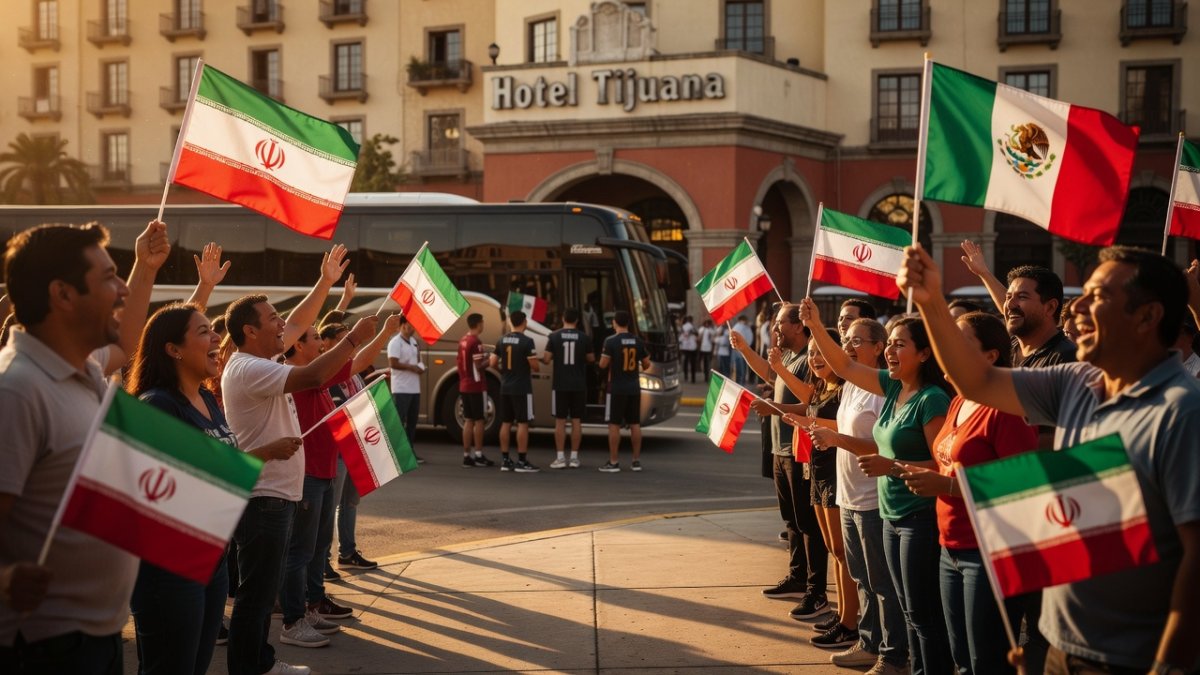
Supporters stood five-deep along the sidewalk outside the hotel, chanting "Team Melli" while waving Iranian flags. Several sang the Spanish phrase "Iran, brother, you are Mexican now." One man held a handmade sign that read "Iran, you will never walk alone. Mexico stands with you."
Iranian Football Federation president Mehdi Taj stood on the curb and observed the crowd. The send-off occurred one day before Iran's match at SoFi Stadium in Los Angeles.
Security Alert Near Caliente Stadium Training Site
A decomposed body was discovered inside a vehicle in the parking lot outside Caliente Stadium, the complex where Iran conducted training sessions. The lot sits a one-minute drive from the team hotel in Tijuana.
Guardia Nacional officers cordoned off the area while forensic teams from the Baja California state prosecutor's office processed the scene. The discovery added to existing security measures already in place across Mexican World Cup host cities.
Local residents in the surrounding colonia reported heightened patrols by municipal police and elements of the Guardia Nacional in the days leading up to the team's departure. Families living near the stadium expressed concern that the incident could affect daily routines around the sports complex.
Visa Denials Force Relocation from Arizona to Tijuana
Iran abandoned its original plan to base the team at a sports complex in Tucson, Arizona, after the United States entered a state of war with Iran. Fifteen members of the Iranian delegation initially received visa denials from U.S. authorities.
Ten of those individuals reapplied from Mexico, and four ultimately won appeals. Those denied entry included FFIRI president Mehdi Taj, one vice-president, two administrators, one media officer, and one security officer. The team's allocation of tickets for Iranian supporters in the United States was also revoked.
The move to Tijuana placed the squad under Mexican jurisdiction for training while still allowing access to Los Angeles for matches. This arrangement highlighted the practical cooperation between Mexican and U.S. authorities during the joint World Cup hosting period that also includes Canada.
Small Iranian Community in Tijuana Extends Welcome
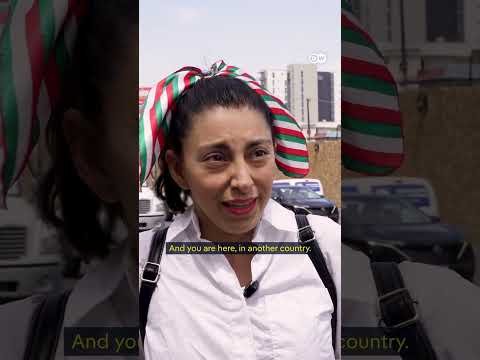
Tijuana's Iranian population numbers roughly twenty people, a sharp contrast to the tens of thousands of Iranian-Americans who reside in Los Angeles' Tehrangeles neighborhood. Despite the small numbers, Iranian flags appeared alongside Mexican flags on several streets near the team hotel.
Shop owners in the area reported increased foot traffic from local families curious about the visitors. Taquería operators near Caliente Stadium prepared extra batches of food for journalists and support staff covering the team's activities.
Teachers at nearby schools incorporated brief lessons about Iran's participation in the tournament into their classes, using the event to discuss international sports and border-city hospitality.
Coach Ghalenoei and Striker Taremi Lead Group G Campaign
Head coach Amir Ghalenoei oversaw final preparations before the squad boarded buses for the airport. Star striker Mehdi Taremi spoke briefly with waiting reporters about the importance of focusing on the pitch despite off-field complications.
Iran's Group G schedule includes matches against New Zealand on June 15 in Los Angeles, Belgium on June 21 in Los Angeles, and Egypt on June 26 in Seattle. All three venues fall under the U.S. portion of the tournament.
The Federación Mexicana de Fútbol maintained regular contact with Iranian officials throughout the base-camp period to coordinate logistics and security protocols.
Implications for Mexico as World Cup Co-Host
The episode tested Mexico's ability to manage security and diplomatic sensitivities while sharing hosting duties with a nation currently at war with one of the participating teams. SEDENA and SEMAR units increased presence at border crossings and major venues in Tijuana, Monterrey, and Guadalajara.
Small business owners in Tijuana noted a temporary boost in hotel bookings and restaurant sales during Iran's stay. Campesinos who supply produce to local markets benefited from the added demand for fresh goods.
Residents in the colonias surrounding Caliente Stadium said the visible presence of both Mexican and Iranian flags created a brief sense of shared international identity, even as they navigated the discovery of the body and ongoing security checks.
The Sheinbaum administration emphasized that Mexico would continue to fulfill its World Cup commitments while protecting public safety. The experience in Tijuana offered an early example of how the country balances its role as host with complex geopolitical realities involving the United States.
By Rosa Martinez, Staff Writer
This article was produced with AI-assisted research and editorial support. Reporting is based on sources cited in the article.
What's Your Reaction?
 Like
0
Like
0
 Dislike
0
Dislike
0
 Love
0
Love
0
 Funny
0
Funny
0
 Wow
0
Wow
0
 Sad
0
Sad
0
 Angry
0
Angry
0
Latin America/Andes Correspondent at Global1.News. Based in Bogota, covering politics, environment, energy, and social movements across the Andean region. Passionate about environmental journalism and communities protecting their land.












Comments (0)