
Iran's Six-Day State Funeral for Ayatollah Ali Khamenei Draws Millions as Leadership Transition Unfolds
As the CBC News YouTube video captured in vivid detail, millions gathered across Tehran in a display of collective grief and political fervour that underscored the profound divisions within Iran and its global diaspora. The state funeral of Iran's late Supreme Leader Ayatollah Ali Khamenei unfolded on a massive scale, drawing hundreds of thousands of mourners to the capital's s
As the CBC News YouTube video captured in vivid detail, millions gathered across Tehran in a display of collective grief and political fervour that underscored the profound divisions within Iran and its global diaspora. The state funeral of Iran's late Supreme Leader Ayatollah Ali Khamenei unfolded on a massive scale, drawing hundreds of thousands of mourners to the capital's streets and mosques. For Canadians, the event carries particular resonance given the large Iranian-Canadian community spread across Toronto, Vancouver and Montreal, many of whom maintain family ties to Iran despite Ottawa's decision to sever diplomatic relations in 2012 over concerns about human rights and nuclear ambitions. With no embassy in Tehran, dual citizens face heightened vulnerabilities amid the ongoing regional conflict.
Iran's Six-Day State Funeral for Ayatollah Ali Khamenei Draws Millions as Leadership Transition Unfolds
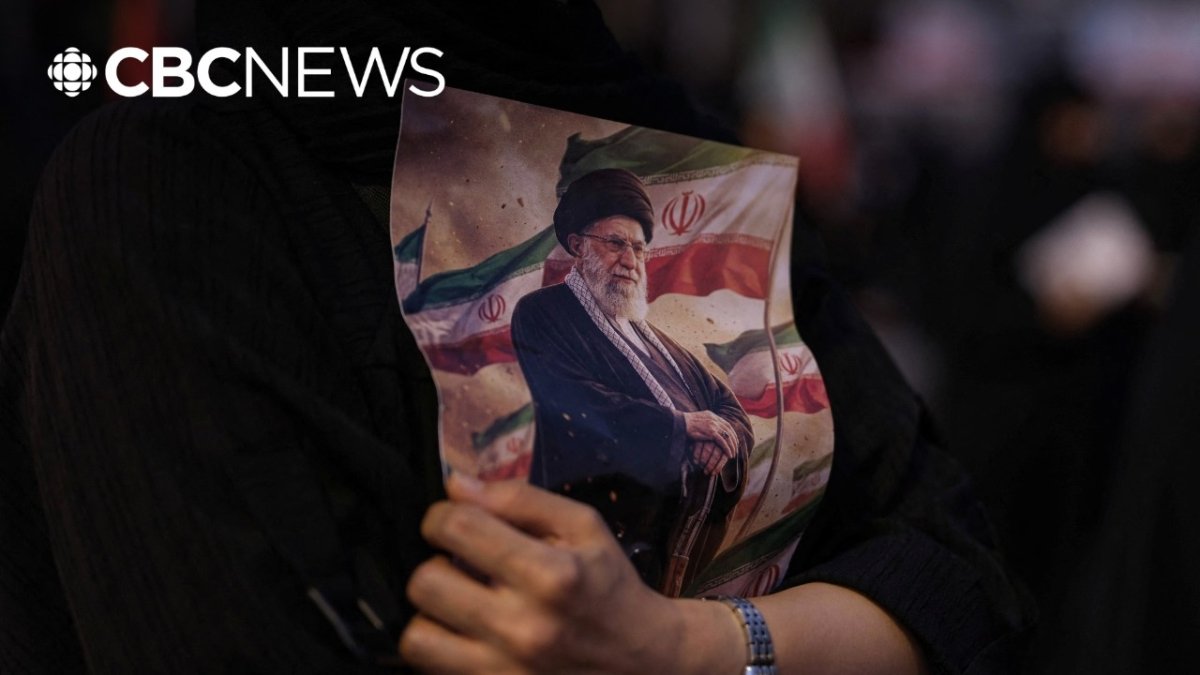
Tehran, Iran – This week — The ceremony began at the Imam Khomeini Grand Mosalla in Tehran on July 4, where the flag-draped coffin of Ayatollah Ali Khamenei rested inside a transparent glass case for public viewing. Hundreds of thousands of mourners, and by some estimates several million over the course of the day, filled the vast prayer hall and surrounding plazas, many beating their chests in traditional displays of mourning. Chants of "Death to America" and "Death to Israel" echoed repeatedly through the crowd, accompanied by explicit calls for revenge against those responsible for the leader's death. The Guardian reported that some attendees openly advocated for the killing of former United States President Donald Trump, reflecting the intense anti-Western sentiment that permeated the proceedings.
Khamenei's 37-year rule, which began in 1989 following the death of Ayatollah Ruhollah Khomeini, came to an abrupt end on February 28 when a joint United States-Israeli airstrike targeted his residence in Tehran. The precision operation, conducted amid escalating tensions over Iran's nuclear programme and regional proxy activities, killed the Supreme Leader instantly and injured several close aides. Security forces maintained tight control throughout the funeral, with snipers positioned on rooftops and plainclothes agents moving among the mourners to prevent any outbreaks of violence. The atmosphere combined genuine sorrow with orchestrated political messaging, as state media broadcast the event live to reinforce narratives of resilience and defiance against foreign aggression.
A Symbolic Date Chosen
Iranian authorities deliberately scheduled the funeral proceedings to begin on July 4, coinciding with United States Independence Day and the 250th anniversary of the American republic. This choice served as a pointed counterpoint to American celebrations, framing the mourning rituals as a direct rebuke to Washington and its allies. While fireworks lit up skies over the National Mall in Washington, images from Tehran showed black-clad crowds and coffins draped in the Iranian flag, highlighting the stark contrast between the two nations' national moods.
During a Fourth of July rally on the National Mall, President Trump remarked that no shots would be fired during the funeral, a statement interpreted by Iranian officials as both a warning and an attempt to project restraint. The date selection amplified the geopolitical theatre surrounding the event, with Iranian state television repeatedly emphasising how the timing exposed American hypocrisy. Observers noted that the symbolism extended beyond mere scheduling, aiming to rally domestic support by linking national grief to longstanding grievances against the United States and Israel.
Succession and the Absent Supreme Leader
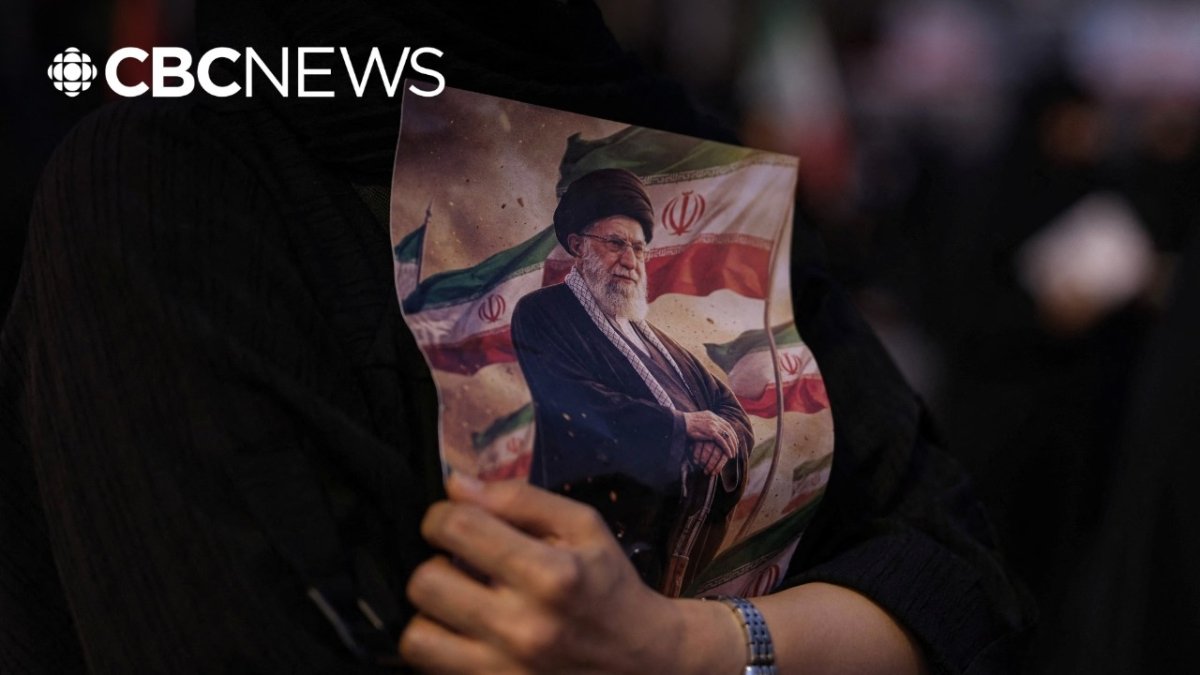
Mojtaba Khamenei, the 56-year-old son of the late Supreme Leader, was named as his father's successor shortly after the February 28 airstrike. He sustained injuries in the same attack that killed Ayatollah Ali Khamenei but has not appeared publicly since that day. Security officials barred Mojtaba from attending the funeral proceedings in Tehran due to credible assassination threats from Israeli intelligence services, which reportedly tracked his movements closely in the weeks following the strike. His three brothers stood beside the coffin during key portions of the ceremony, representing the family in his absence.
Gholamali Haddad Adel, Mojtaba's father-in-law and a prominent conservative politician, attended the rites and delivered remarks praising the continuity of the Islamic Republic's leadership. The succession process, conducted largely behind closed doors by the Assembly of Experts, has raised questions about the new Supreme Leader's ability to consolidate power amid internal factional rivalries and external pressures. Mojtaba's low public profile since the airstrike has fuelled speculation about his health and the extent of his influence within the Revolutionary Guard.
The Multi-City Procession
The six-day funeral procession moved through Tehran, Qom and Mashhad, allowing mourners in multiple provinces to pay respects. The route was designed to honour Khamenei's legacy across Iran's religious and political centres. Burial is scheduled for July 9 near the tomb of Imam Reza in Mashhad, the city of Khamenei's birth and a major Shia pilgrimage site. Original plans developed in March 2026 had called for a more modest ceremony, but those arrangements were postponed indefinitely because of the ongoing war with Israel and its allies.
Logistical challenges included managing massive crowds and ensuring security along the entire route. Special trains and buses transported mourners from rural areas to the urban centres, while state television provided continuous coverage to maintain national unity. The extended timeline reflected both the regime's desire to maximise political impact and the practical difficulties of organising such a large-scale event during active conflict.
Canadian Context — A Divided Diaspora
Canada severed diplomatic relations with Iran in 2012, closing its embassy in Tehran and expelling Iranian diplomats from Ottawa. Successive governments have maintained autonomous sanctions targeting Iranian officials and entities involved in human rights abuses and nuclear activities. The Iranian-Canadian communities in Toronto, Vancouver and Montreal remain deeply divided over Khamenei's death, with some members celebrating the end of a repressive regime while others express fear that the resulting power vacuum could trigger wider war and endanger relatives still living in Iran.
Without a Canadian embassy in Tehran, dual citizens lack access to consular assistance during the funeral period and the uncertain weeks ahead. Community organisations have reported increased requests for information on travel advisories and family safety protocols. Advocacy groups in Canada continue to press Ottawa to monitor the situation closely, particularly regarding the treatment of political dissidents inside Iran and the potential for refugee flows if instability grows.
International Implications
President Trump's public comments on the funeral have drawn sharp reactions from Tehran and its regional allies. The geopolitical fallout extends beyond the immediate mourning period, as the war continues to reshape alliances across the Middle East. Iran's isolation has deepened, with several neighbouring states restricting airspace and limiting economic cooperation until the succession is clarified. The elevation of Mojtaba Khamenei signals an intent to preserve the existing theocratic structure, yet questions remain about whether he can maintain the same level of control exercised by his father.
Regional stability now hinges on how the new leadership manages relations with proxy groups in Lebanon, Syria and Yemen. Western governments, including Canada, are assessing whether the transition will produce any moderation in Iran's foreign policy or simply entrench existing hostilities.
What Happens Next
In the weeks following the burial, attention will turn to the practicalities of leadership transition and the consolidation of Mojtaba Khamenei's authority. Regional stability concerns are paramount, as any perceived weakness could invite further external pressure or internal challenges from reformist factions. Canadian officials have indicated they will continue to coordinate with allies on sanctions policy while monitoring developments that could affect the safety of dual nationals. The coming months will reveal whether the funeral's displays of unity translate into lasting political cohesion or merely mask deeper fractures within the Islamic Republic.
By Alex Thompson, Staff Writer
This article was produced with AI-assisted research and editorial support. Reporting is based on sources cited in the article.
What's Your Reaction?
 Like
0
Like
0
 Dislike
0
Dislike
0
 Love
0
Love
0
 Funny
0
Funny
0
 Wow
0
Wow
0
 Sad
0
Sad
0
 Angry
0
Angry
0
Canada Correspondent at Global1.News. Based in Toronto, covering Canadian politics, energy, trade, and US-Canada relations. Provides the Canadian perspective on North American and global affairs.









Comments (0)