
Iran-US Missile Exchanges Heighten Uncertainty Over Ceasefire Prospects and Global Energy Stability
Iran-US Missile Exchanges Heighten Uncertainty Over Ceasefire Prospects and Global Energy Stability The latest round of military activity between Iran and the United States has introduced fresh complications into ongoing discussions about a possible ceasefire. Overnight strikes involving ballistic missiles and drones directed toward Bahrain and Kuwait prompted defensive respons
Iran-US Missile Exchanges Heighten Uncertainty Over Ceasefire Prospects and Global Energy Stability
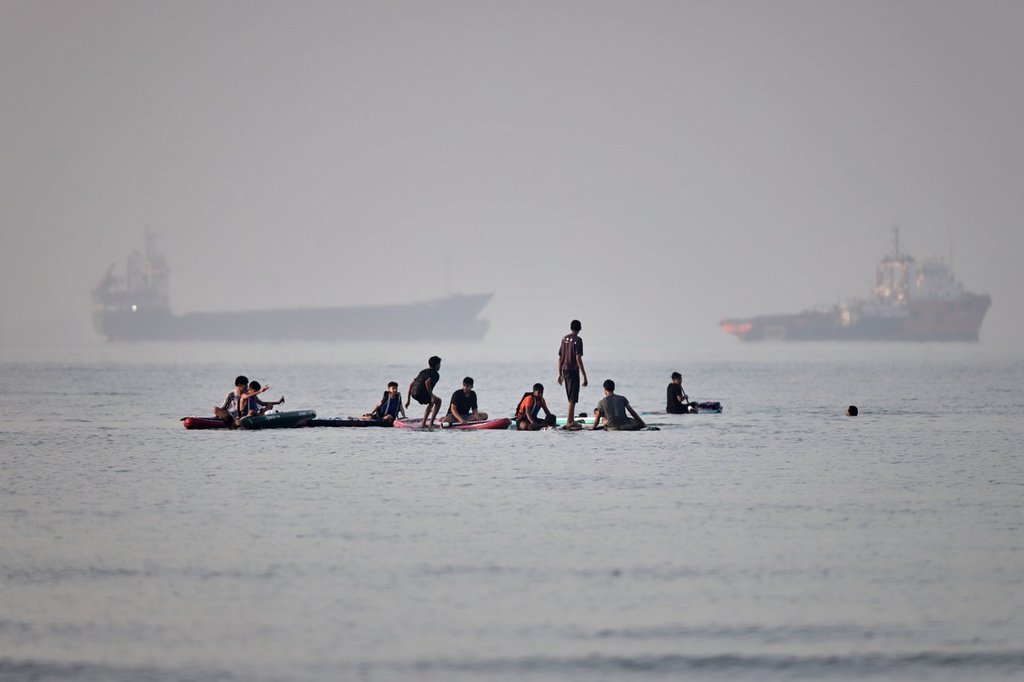
The latest round of military activity between Iran and the United States has introduced fresh complications into ongoing discussions about a possible ceasefire. Overnight strikes involving ballistic missiles and drones directed toward Bahrain and Kuwait prompted defensive responses from American forces in the Gulf region.
U.S. Central Command confirmed that it intercepted the incoming projectiles before conducting strikes on Iranian surveillance and radar installations, including sites near the Strait of Hormuz. The command stated that the targeted facilities had posed an immediate threat to regional maritime traffic.
Tags: Iran US tensions, Strait of Hormuz, Donald Trump, Canadian energy prices, Gulf ceasefire talks, U.S. Central Command
Details of the Overnight Exchanges
Iran launched seven ballistic missiles and drones toward locations in Bahrain and Kuwait, according to reports from state-run Islamic Republic News Agency. Iranian officials indicated that the Ali Al Salem air base in Kuwait, which hosts American forces, and the U.S. Navy's Fifth Fleet headquarters in Bahrain were among the intended targets.
U.S. Central Command reported that its forces successfully intercepted the projectiles and subsequently struck Iranian radar sites on an island in the Strait of Hormuz. The command described the action as necessary to defend against further attacks on maritime traffic.
No casualties among American personnel have been reported so far, according to Reuters. The exchanges occurred despite earlier statements from U.S. President Donald Trump suggesting that a deal could be reached within days.
Diplomatic Messaging and Unresolved Issues
Global News Washington correspondent Reggie Cecchini noted that communications from Tehran indicate negotiations remain stalled on several key points. One persistent area of disagreement involves Iran's nuclear program, with President Trump maintaining that any agreement must prevent Iran from acquiring a nuclear weapon.
Iranian officials have indicated that nuclear matters are not part of the current round of discussions. This divergence has contributed to the current impasse, even as diplomatic channels continue to operate.
Energy Market Pressures and Canadian Implications
Instability around the Strait of Hormuz has already contributed to rising global energy prices, adding to inflation concerns in Canada and other countries. Energy analysts have long warned that disruptions in this critical shipping route could exert upward pressure on oil costs that Canadian consumers ultimately feel at the pump and in household expenses.
Canadian households and businesses remain sensitive to fluctuations in global crude prices, given the country's position as both a major energy producer and a net importer of refined products in certain regions. Continued volatility in the Gulf could therefore translate into broader economic effects north of the border.
Regional Context and Maritime Security Concerns
The Strait of Hormuz serves as a vital passage for a significant share of the world's oil supply. Actions that threaten safe transit through this waterway carry consequences that extend well beyond the immediate parties involved.
U.S. Central Command's response focused on protecting maritime traffic, reflecting the international interest in keeping the route open. Canadian officials have historically supported efforts to maintain freedom of navigation in such strategic locations, consistent with the country's broader foreign policy emphasis on rules-based international order.
Outlook for Ceasefire Discussions
President Trump has expressed optimism that the United States would conclude the conflict quickly, yet the most recent military exchanges suggest that obstacles remain substantial. Observers note that bridging the gap on core issues, including the nuclear question, will require sustained diplomatic engagement.
Canadian analysts continue to monitor developments closely because of the potential spillover effects on energy markets and global stability. Any resolution that reduces tensions in the Gulf would likely ease some of the pricing pressures currently affecting Canadian consumers.
By Alex Thompson, Staff Writer
This article was produced with AI-assisted research and editorial support. Reporting is based on sources cited in the article.
What's Your Reaction?
 Like
0
Like
0
 Dislike
0
Dislike
0
 Love
0
Love
0
 Funny
0
Funny
0
 Wow
0
Wow
0
 Sad
0
Sad
0
 Angry
0
Angry
0

Canada Correspondent at Global1.News. Based in Toronto, covering Canadian politics, energy, trade, and US-Canada relations. Provides the Canadian perspective on North American and global affairs.











Comments (0)