
Boston Bar Wildfires: Resident Defies Order as Brunswick Complex Surpasses 19,000 Hectares
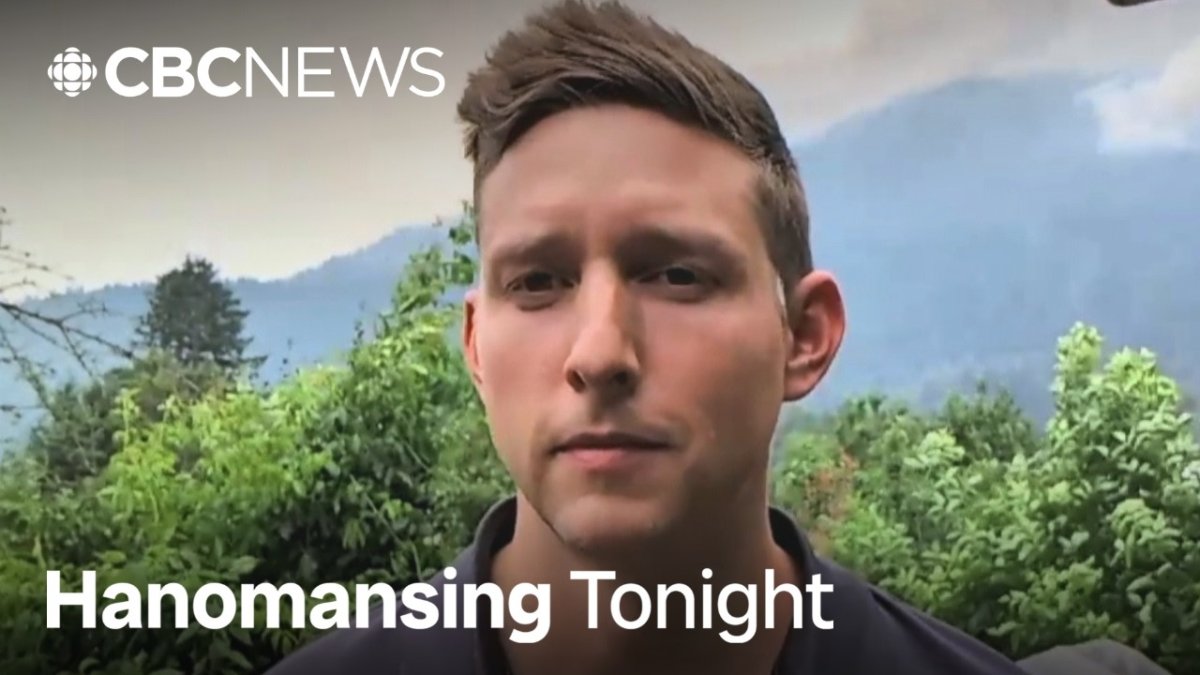
Attila Banhegyi stays to defend his North Bend property as Brunswick Complex fires exceed 19,000 hectares near Boston Bar. The CBC video shows his choice amid 195 properties under evacuation order, 43 active BC fires, and 38°C heat.
In a recent CBC News report from Hanomansing Tonight, North Bend resident Attila Banhegyi explains his decision to stay and protect his property as the Brunswick Complex wildfires rage near Boston Bar in British Columbia's Fraser Canyon. The fires, which have now surpassed 19,000 hectares, continue to threaten homes and critical infrastructure as crews battle extreme heat and dry lightning conditions across the province. As evacuation orders expand and Highway 1 remains closed, the human toll of Canada's intensifying wildfire season comes into sharp focus.
Boston Bar Wildfires: Resident Defies Order as Brunswick Complex Surpasses 19,000 Hectares
Boston Bar, British Columbia – July 17, 2026 —
Brunswick Complex Fires Reach Critical Size
The Brunswick Creek fire covers approximately 36 square kilometres while the Ainslie Creek fire spans 166 square kilometres, according to BC Wildfire Service mapping released this week. These two fires form the core of the Brunswick Complex near Boston Bar and have already damaged seven structures in the past 24 hours. Twenty-two of the 43 active wildfires currently burning across British Columbia were ignited by lightning, with 22 new starts recorded in the last 24 hours alone.
Environment Canada issued an air quality warning for the Fraser Canyon region as smoke from the complex thickened. The fires first expanded rapidly in early July when the Brunswick Creek blaze ballooned, prompting repeated evacuation alerts over subsequent weeks. Dry lightning remains forecast for the area, raising the prospect of additional ignitions on parched slopes.
Climate data from Environment and Climate Change Canada show that average summer temperatures in the Fraser Canyon have risen 1.8 degrees Celsius since 1970, extending the province's wildfire season by nearly three weeks compared with conditions in the 1990s. The 2023 season, which burned more than 2.8 million hectares, established a new benchmark for lightning-driven ignitions; current patterns in 2026 mirror those extremes, with drought indices in the Boston Bar area already exceeding 2023 levels by mid-July.
Provincial records indicate that firefighting expenditures surpassed $1.1 billion in 2023 alone, a figure that included interprovincial crew deployments and Canadian Armed Forces support. Similar costs are projected for this season if the Brunswick Complex continues to grow under persistent heat and low humidity.
Residents Defy Evacuation Orders
Attila Banhegyi of North Bend decided to stay and defend his house and livestock rather than join the 195 properties now under the Evacuation Order issued for the Boston Bar townsite at 8:30 a.m. on July 16. He told CBC News he understands the risks but believes he can protect his assets. Previous orders for the North Bend/Chaumox and Canyon Alpine areas remain in effect, yet a small number of residents continue to shelter in place.
Evacuee Fernando Valanta described watching an entire mountain disappear as flames raced through timber, likening burning trees to Q-Tips soaked in gasoline. His account aligns with reports from others directed to Shxwhá:y Village in Chilliwack for Emergency Support Services. Boston Bar First Nation also issued an Evacuation Order for Indian Reserve 1 Tuckkwiowhum on the Anderson Creek side.
Boston Bar First Nation's emergency management team coordinated the Tuckkwiowhum evacuation using protocols refined after the 2021 Lytton fire, when the community lost critical cultural sites. First Nations leaders have emphasised that federal funding for Indigenous emergency preparedness remains insufficient relative to the scale of repeated displacements along the Fraser Canyon.
Community members note that traditional knowledge of fire behaviour on these slopes is increasingly integrated into provincial response plans, yet gaps persist in real-time communication between band councils and the BC Wildfire Service during rapid fire growth.
BC Wildfire Service Shifts to Structure Defence
BC Wildfire Service information officer Julia Carinci stated crews are switching tactics to focus on structure defence for the next 24 to 48 hours because of safety concerns on the fire line. The decision reflects extreme heat and wind forecasts that could endanger ground personnel. Firefighters continue to receive support from the Canyon Alpine Motel, where owner Gurvinder Badyal is hosting 35 personnel despite smoke so thick it is sometimes impossible to breathe outside.
Highway 1 remains closed to through traffic between Boston Bar and Lytton, with only local access permitted. Travellers must use the Coquihalla Highway or Highway 3 detours. These closures disrupt supply routes and isolate communities already under evacuation orders issued by the Fraser Valley Regional District.
Air Quality and Health Warnings Issued
Environment Canada warnings highlight hazardous smoke levels affecting residents who have not yet left the Fraser Canyon. The thick smoke has forced adjustments in firefighting operations and limited visibility along evacuation routes. Officials continue to direct those under order to Chilliwack for support services coordinated through the regional district.
Local businesses such as the Canyon Alpine Motel have become de facto staging areas for crews, illustrating how private operators step in when provincial resources stretch thin during peak wildfire season. The current conditions echo patterns seen across British Columbia this summer as 43 fires burn simultaneously.
Long-term respiratory studies from the BC Centre for Disease Control indicate that repeated exposure to wildfire smoke increases hospital admissions for asthma and chronic obstructive pulmonary disease by up to 30 percent in the Fraser Valley. With Chilliwack General Hospital already operating near capacity, health officials have activated surge protocols to manage potential smoke-related cases from the current evacuation zone.
Five Years After the Lytton Fire
The current emergency arrives five years after the 2021 Lytton wildfire destroyed that community just south of Boston Bar. Multiple evacuation orders and alerts have been issued for the Boston Bar area since early July, when the Brunswick Creek fire first grew rapidly. Residents and First Nations governments now manage overlapping threats that have persisted for weeks.
These repeated disruptions affect daily life, agriculture, and tourism along the Fraser Canyon corridor. The pattern of lightning-caused fires and extreme heat demonstrates ongoing pressures on British Columbia's wildfire management system and the communities it protects.
Property losses from the 2021 Lytton fire exceeded $120 million, with insurance claims still unresolved for many residents. Tourism operators along Highway 1 reported a 65 percent drop in visitors during the 2023 season, a decline that has not fully recovered and now faces renewed pressure from the Brunswick Complex closures.
The BC NDP government has increased wildfire preparedness funding by 40 percent since 2021, yet critics argue that federal support through the Canadian Armed Forces and interprovincial mutual aid agreements remains reactive rather than preventive.
Implications for British Columbia and Canada
The decision by some residents to remain behind, as shown in the CBC video, underscores tensions between personal property defence and official safety directives during rapidly changing fire behaviour. With 22 fires started by lightning in a single day, the province faces sustained demand on crews and equipment that may require interprovincial support. Canadian taxpayers ultimately fund these extended operations through federal and provincial budgets.
Highway closures and air quality alerts also ripple into national transportation networks and public health planning. The events near Boston Bar illustrate how individual choices and government responses intersect when wildfires threaten both lives and livelihoods across British Columbia's interior.
Economic modelling from the Insurance Bureau of Canada projects that annual wildfire-related insured losses in British Columbia could reach $1.5 billion by 2030 if current climate trends continue. Supply-chain analysts warn that repeated Highway 1 disruptions through the Fraser Canyon threaten just-in-time delivery of goods to the Lower Mainland, adding upward pressure on consumer prices.
By Alex Thompson, Staff Writer
This article was produced with AI-assisted research and editorial support. Reporting is based on sources cited in the article.
What's Your Reaction?
 Like
0
Like
0
 Dislike
0
Dislike
0
 Love
0
Love
0
 Funny
0
Funny
0
 Wow
0
Wow
0
 Sad
0
Sad
0
 Angry
0
Angry
0

Canada Correspondent at Global1.News. Based in Toronto, covering Canadian politics, energy, trade, and US-Canada relations. Provides the Canadian perspective on North American and global affairs.












Comments (0)