
India Rolls Out Three Major Healthcare Initiatives in 2026
**Keywords:** National Ambulance Services 2026, SUMAN Roadmap 2030, SSBSK, Jagat Prakash Nadda, CCHFW, maternal mortality ratio, infant mortality rate, SDG 3, ASHA workers, emergency obstetric care, GPS ambulance tracking, high-burden districts, first 1000 days, Ministry of Health Union Government Unveils Three Healthcare Initiatives at CCHFW The Union government announced thre
Union Government Unveils Three Healthcare Initiatives at CCHFW
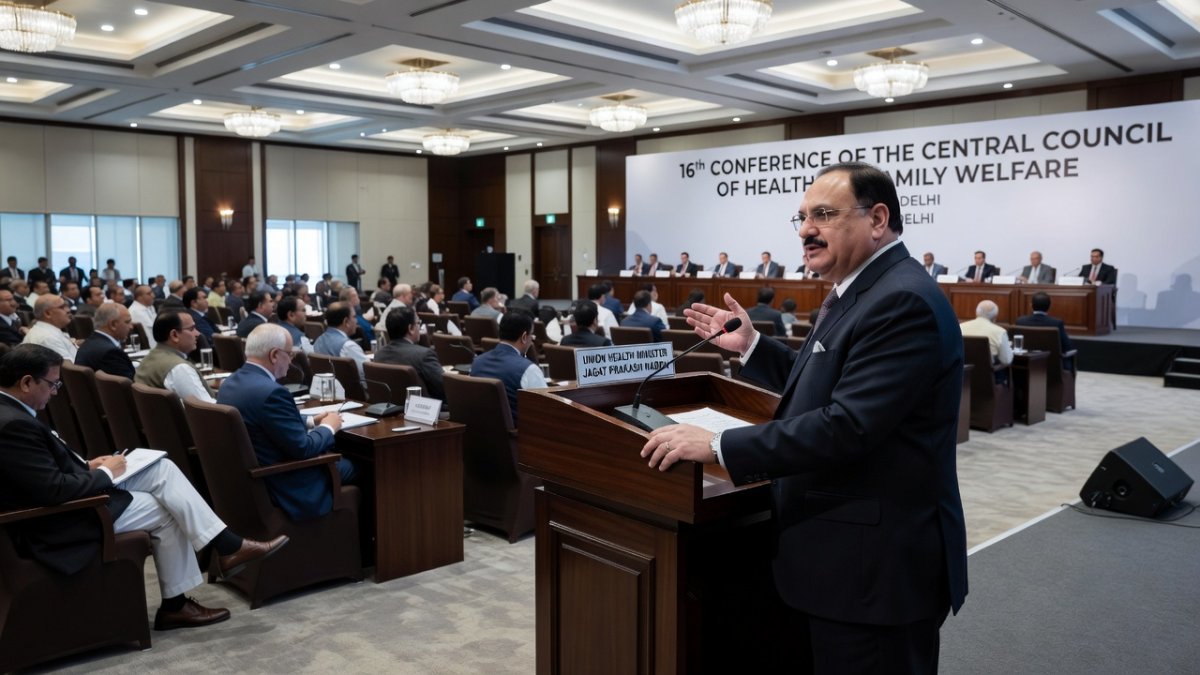
The Union government announced three major healthcare programmes on 29 June 2026 during the 16th Conference of the Central Council of Health and Family Welfare in New Delhi. Union Health Minister Jagat Prakash Nadda chaired the meeting that brought together health ministers from all states and Union Territories along with senior officials from the Ministry of Health.
Operational Guidelines on National Ambulance Services 2026
The Operational Guidelines on National Ambulance Services 2026 establish uniform standards for ambulance categories, equipment, staffing and EMT training across every state and Union Territory. The guidelines require GPS-enabled tracking, Integrated Command and Dispatch Centres and direct coordination with the national emergency helpline 112. These measures aim to shorten response times and strengthen pre-hospital care for patients in both urban and rural areas.
SUMAN Roadmap 2030 Targets Maternal and Newborn Survival
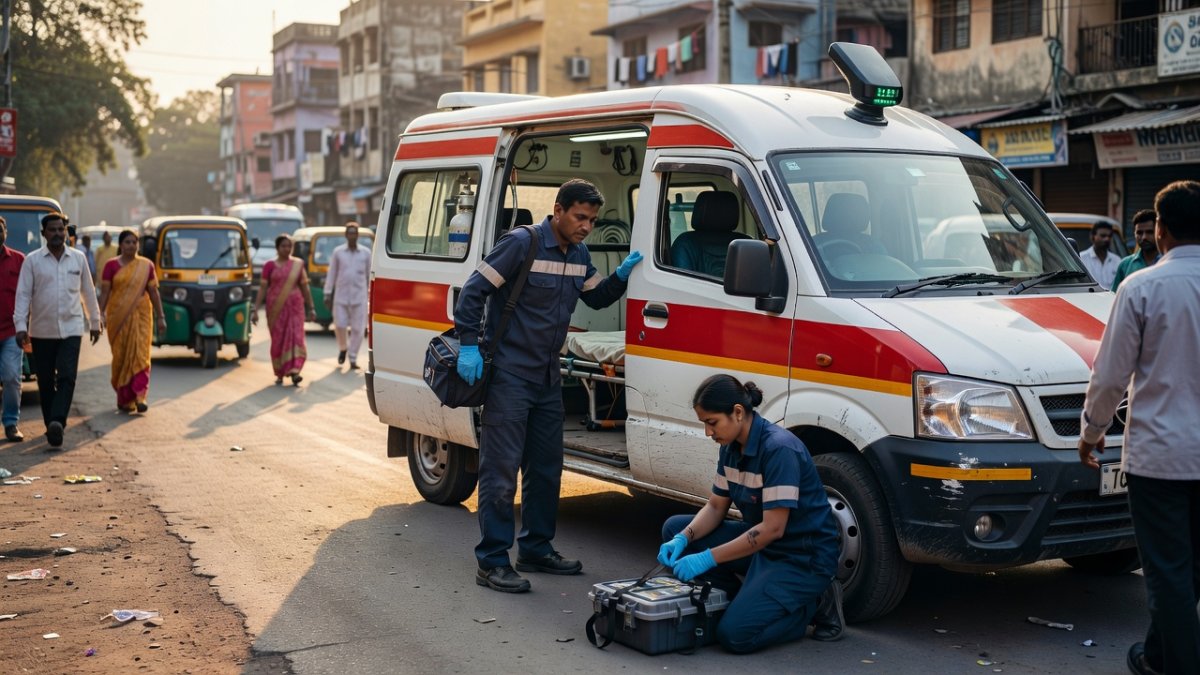
The SUMAN Roadmap 2030 focuses on high-burden districts to reduce maternal and newborn deaths. It covers the full continuum from pre-pregnancy care through antenatal check-ups, childbirth and postnatal care. The plan introduces stricter monitoring of high-risk pregnancies, third-trimester home visits by ASHA workers, improved referral transport and stronger emergency obstetric care facilities. India’s maternal mortality ratio fell from 130 per 100,000 live births in 2014-16 to 97 per 100,000 in 2018-20, yet the figure remains above the SDG target of 70.
Samagra Shishu Bal Swasthya Karyakram Integrates Early Childhood Services
The Samagra Shishu Bal Swasthya Karyakram creates a single integrated system for children from birth to three years. It merges existing home-based newborn and young child care services and adds extra home visits for high-risk infants, well-baby sessions, monthly health camps and digital tracking of each child’s health record. The programme also includes routine maternal mental health screening and promotes early learning, nutrition and responsive caregiving during the critical first 1,000 days.
Current Mortality Data and SDG 3 Trajectory
India’s infant mortality rate stands at 28 per 1,000 live births according to NFHS-5 data. The three initiatives are designed to accelerate progress toward SDG 3 targets by 2030. States with persistently high maternal and infant mortality figures will receive focused support through the SUMAN Roadmap and SSBSK components.
Implications for Indian Patients, Citizens and Taxpayers
Standardised ambulance services will benefit citizens in remote districts by ensuring faster access to emergency care. Integrated tracking of high-risk pregnancies and digital records for young children will allow health workers to intervene earlier, reducing complications that currently strain district hospitals. Taxpayers will see public funds directed toward measurable outcomes such as lower response times and improved survival rates rather than fragmented schemes.
Implementation Across States and Union Territories
Health ministers from every state and Union Territory participated in the CCHFW deliberations. The Ministry of Health will coordinate rollout through existing frameworks, with particular attention to high-burden districts. Successful execution depends on timely training of ASHA workers, procurement of GPS-equipped ambulances and establishment of command centres in each state.
— By Dr. Raj Patel, Staff WriterThis article was produced with AI-assisted research and editorial support. Reporting is based on sources cited in the article.
What's Your Reaction?
 Like
0
Like
0
 Dislike
0
Dislike
0
 Love
0
Love
0
 Funny
0
Funny
0
 Wow
0
Wow
0
 Sad
0
Sad
0
 Angry
0
Angry
0

India/South Asia Correspondent at Global1.News. Analytical voice with a background in science and health journalism. Based in New Delhi, covering Indian politics, education, healthcare, technology, and policy. Breaks down complex data into clear, actionable reporting.















Comments (0)