
The Strait of Hormuz and the US-Iran MoU: A Fragile 60-Day Window
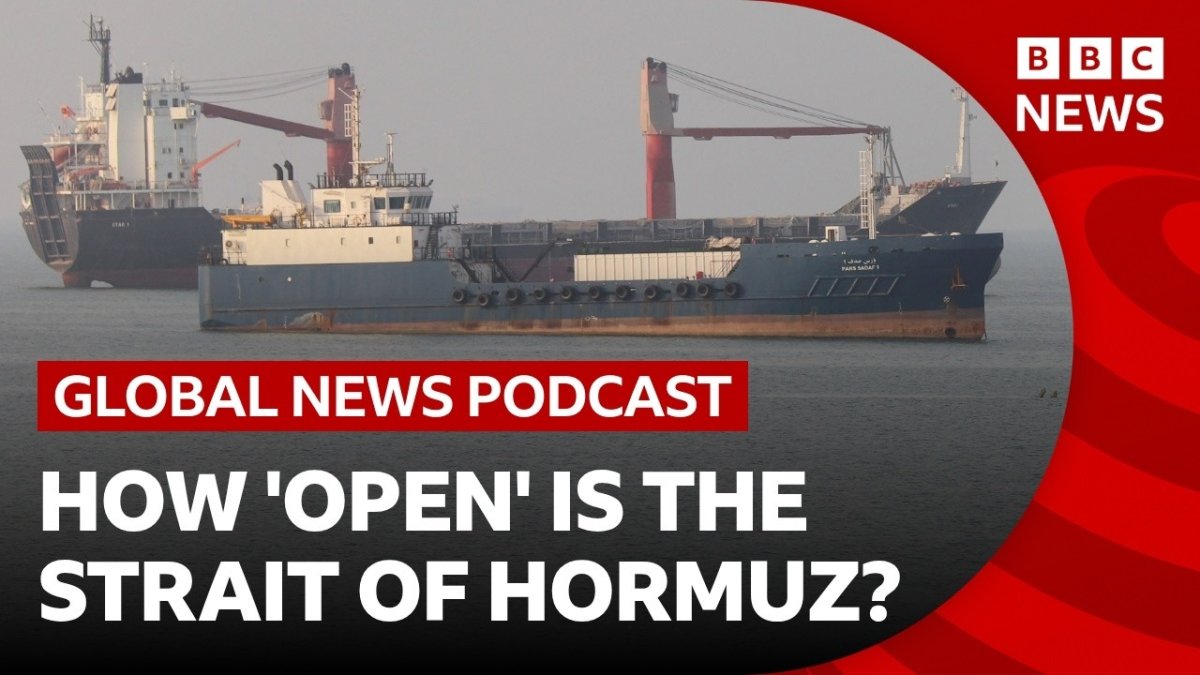
In a recent BBC News report, the Global News Podcast examined the fragile reopening of the Strait of Hormuz after the United States and Iran signed a Memorandum of Understanding on 17 June 2026, raising critical questions about whether the waterway can return to normal operations amid ongoing disputes over tolls, inspections, and the underlying geopolitical tensions. The Strait
In a recent BBC News report, the Global News Podcast examined the fragile reopening of the Strait of Hormuz after the United States and Iran signed a Memorandum of Understanding on 17 June 2026, raising critical questions about whether the waterway can return to normal operations amid ongoing disputes over tolls, inspections, and the underlying geopolitical tensions.
The Strait of Hormuz and the US-Iran MoU: A Fragile 60-Day Window for One of the World's Most Critical Energy Chokepoints
London – 29 June 2026 — The Memorandum of Understanding signed between the United States and Iran on 17 June 2026 has reopened the Strait of Hormuz after months of effective closure, but the fragile arrangement faces mounting disputes over tolls, inspection regimes, and the deeper geopolitical contest between Washington, Tehran, Moscow, and Beijing in one of the world's most vital maritime chokepoints.
The 14-Paragraph Framework: What the MoU Actually Says
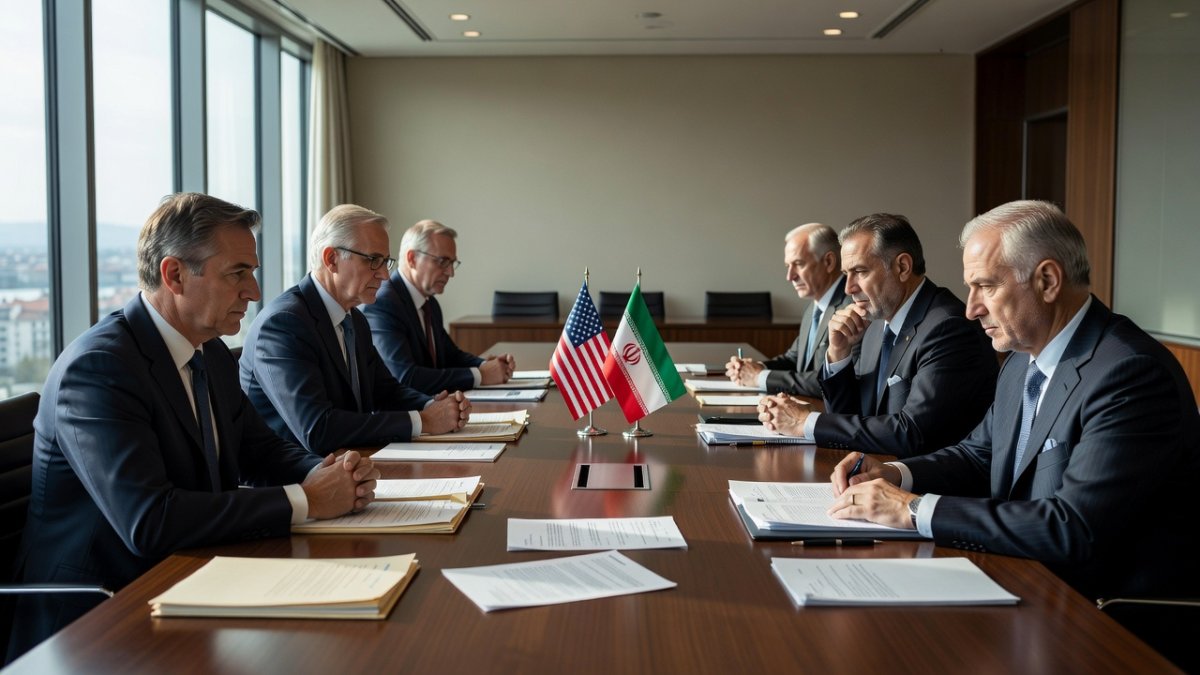
The Memorandum of Understanding signed on 17 June 2026 between the United States and Iran consists of 14 paragraphs that outline an immediate end to fighting, the reopening of the Strait of Hormuz, Iranian nuclear commitments, and a $300 billion redevelopment package for Iran. The agreement establishes a strict 60-day window for final negotiations on the nuclear program, sanctions relief, and broader regional matters. Under the terms, the United States partially lifted sanctions on Iranian oil exports to facilitate implementation.
US statements emphasize that Iran agreed to the highest level of nuclear inspections by the IAEA extending long into the future. President Trump posted that Iran has fully and completely agreed to these highest-level inspections. However, Iranian officials have disputed the scope of inspections, particularly regarding nuclear sites previously bombed by the United States and Israel. Iran's President Pezeshkian stated that Iran will never negotiate about its defensive capabilities, while Supreme Leader Khamenei described the deal as Trump's desperation move.
Implementation challenges remain significant. The first round of follow-up talks in Switzerland produced what both sides called encouraging progress, yet core disagreements over inspection access and the precise sequencing of sanctions relief persist. The $300 billion redevelopment package is tied to verifiable compliance milestones, creating pressure on both capitals to deliver results within the 60-day period.
Analysts suggest that channeling the $300 billion reconstruction fund will encounter substantial implementation obstacles stemming from stringent compliance benchmarks and entrenched Iranian domestic divisions. This could indicate intensifying debates between pragmatic factions advocating measured cooperation to unlock funds and conservative voices prioritizing sovereignty, potentially stalling vital projects and exposing fractures in Tehran's political consensus over the agreement's long-term viability.
The Strait of Hormuz: Return to Normal or Controlled Passage?
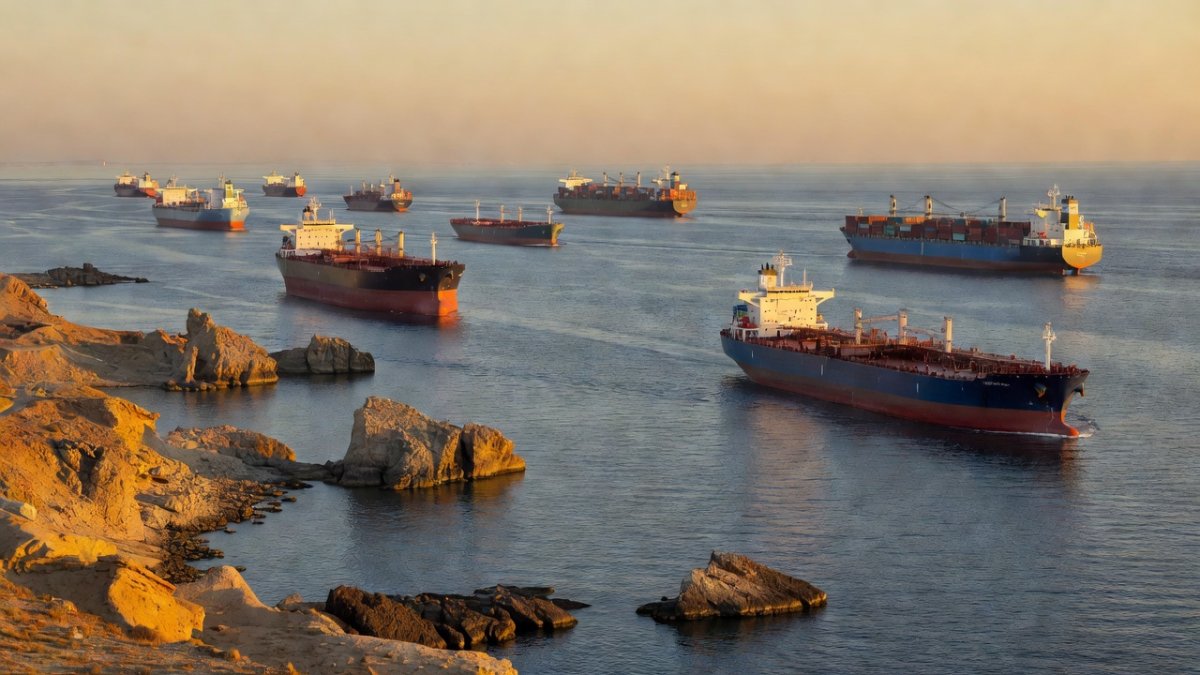
The Strait of Hormuz reopened on 18 June after being effectively closed since 28 February. As of the latest counts, 172 vessels have crossed, including 42 ships on a single Saturday according to Kpler data. This remains well below the pre-war average of 138 crossings per day, with current traffic averaging only 40 to 50 vessels daily. Two temporary routes have been established: a northern corridor operating with Iranian permission and a southern route declared mine-free by the US Navy.
The International Maritime Organization is coordinating the evacuation of more than 11,000 stranded sailors in what its Secretary-General Dominguez described as a large-scale operation. US Secretary of State Rubio stated during his Gulf tour that no country is allowed to charge tolls on an international waterway. Iran, however, insists it will impose maritime service fees rather than tolls, a distinction Tehran maintains through state media outlets Fars and IRIB.
Qatar and Pakistan have served as mediators to keep the communication line between Washington and Tehran operational and prevent misunderstandings at sea. Rubio's visits to the UAE, Kuwait, and Bahrain focused on securing Gulf state support for the new transit arrangements while addressing concerns over Iranian fee proposals.
Oman's longstanding neutral posture could indicate its emerging function as a discreet facilitator for deconflicting traffic flows, while the IMO's oversight of temporary northern and southern routes suggests a pragmatic balancing of Iranian regulatory assertions against established international transit norms, potentially influencing how future chokepoint governance accommodates competing sovereignty and navigation interests.
Oil Markets in a Delicate Calm
Brent crude prices fell below the pre-war level of $72.48 per barrel before settling around $73.23. This marks a sharp decline from the April 2026 peak near $120 per barrel. Despite the drop in benchmark prices, fuel prices at the pump remain above pre-war levels across many markets. President Trump ordered an investigation into oil companies for alleged gouging in response to consumer complaints.
Economist Pratibha Thaker of the Economist Intelligence Unit noted that markets are still watching closely, highlighting the risk that any renewed disruption could quickly reverse recent gains. The partial lifting of sanctions on Iranian oil exports has contributed to the price moderation, yet analysts caution that sustained low prices could strain producers dependent on higher revenues.
The partial sanctions relief allows Iran to increase oil exports, intensifying competition with Russia in key Asian markets and altering global supply dynamics. Moscow must now contend with lower prices and reduced market share as Tehran leverages the temporary window to rebuild its energy revenues. This shift underscores Russia's vulnerability to Iranian resurgence, prompting strategic adjustments in its energy diplomacy to safeguard long-term interests against emerging competitors.
Russian and Chinese Strategic Calculus
Russia has maintained close ties with Iran throughout the recent crisis, preserving longstanding military and energy cooperation. China remains the largest buyer of Iranian oil, giving Beijing a direct stake in the stable reopening of the Strait of Hormuz. Both countries are monitoring developments for implications on their energy security, particularly regarding diversification away from routes vulnerable to Western influence.
Kremlin officials view the Hormuz situation through the lens of parallel chokepoints such as the Black Sea and Caspian corridors, where control over maritime access affects export revenues. Stable but not excessively low oil prices serve Russian interests by supporting budget planning while limiting incentives for rapid shifts in global supply patterns. Chinese state energy firms have quietly increased purchases of Iranian crude since the partial sanctions relief, underscoring Beijing's priority on securing affordable supplies.
This could indicate that Moscow and Beijing are leveraging the Shanghai Cooperation Organisation framework to coordinate contingency planning for diversified energy corridors, with Russia's parallel vigilance over the Turkish Straits underscoring a wider effort to reduce exposure to Western-dominated maritime bottlenecks across multiple theatres simultaneously.
Regional Turbulence: Lebanon, Yemen, and the Fragile Ceasefire
The US-Iran framework intersects with ongoing tensions involving Iran-backed networks in Lebanon and Yemen. Hezbollah's position in Lebanon and Houthi operations in the Red Sea remain linked to Tehran's broader regional posture. Saudi Arabia and other Gulf states have reacted cautiously, welcoming reduced shipping risks while expressing concern over any Iranian maritime fees that could set precedents for future transit arrangements.
Pakistan's prime minister emphasized that ballistic missiles are not on the table in current discussions, reflecting efforts to contain escalation. The wider regional dynamics continue to influence Hormuz traffic, as any flare-up involving proxies could undermine the fragile transit corridors established under the MoU.
The Houthi forces in Yemen continue to pose risks to Red Sea shipping lanes, mirroring the chokepoint vulnerabilities seen in the Strait of Hormuz. Their strategic positioning enables potential disruptions that could compound transit uncertainties, affecting global trade flows through this critical alternative route. Such parallel dynamics highlight how proxy activities in the region sustain pressure on maritime security, complicating efforts to stabilize multiple energy corridors simultaneously.
Analysis — A 60-Day Race Against the Clock
The 60-day negotiation window presents a narrow path for converting the MoU into durable agreements on nuclear inspections, sanctions, and regional security. Interpretation disputes over inspection scope and service fees represent the most immediate risks of breakdown. Iranian domestic politics, including statements from Pezeshkian and Khamenei, constrain Tehran's flexibility, while US election-cycle pressures could limit Washington's willingness to extend concessions.
Russian and Chinese maneuvering adds another layer of complexity, as both powers seek to preserve influence without directly challenging the emerging framework. Failure to reach final agreements within the deadline would likely trigger renewed volatility in global energy markets, with Brent prices potentially returning toward April peaks and further disruptions to shipping lanes. The coming weeks will test whether the current calm in the Strait of Hormuz can evolve into sustained normal operations or merely a temporary pause.
Failure scenarios could encompass renewed closures triggered by inspection standoffs or fee disputes, which analysts suggest would accelerate a fundamental reconfiguration of global energy architecture through accelerated diversification of supply routes, heightened investment in strategic reserves, and faster transitions toward alternative sources to insulate economies from recurrent chokepoint vulnerabilities.
The involvement of external actors such as Russia, China, and the EU introduces both mediating potential and spoiler risks into the 60-day negotiations. While these powers could facilitate compromises on sanctions and inspections through diplomatic channels, their competing interests in energy markets and regional influence may also encourage delays or alternative alignments that undermine the US-Iran framework.
By Irina Volkov, Staff Writer
This article was produced with AI-assisted research and editorial support. Reporting is based on sources cited in the article.
What's Your Reaction?
 Like
0
Like
0
 Dislike
0
Dislike
0
 Love
0
Love
0
 Funny
0
Funny
0
 Wow
0
Wow
0
 Sad
0
Sad
0
 Angry
0
Angry
0
Russia/Eastern Europe Correspondent at Global1.News. Covering Russian politics, energy, security, and the shifting dynamics of the post-Soviet space. Provides clear-eyed analysis on one of the world's most opaque regions.















Comments (0)