
Travel Ban Issued Against Marcoleta and Defensor as Philippine Graft Cases Intensify
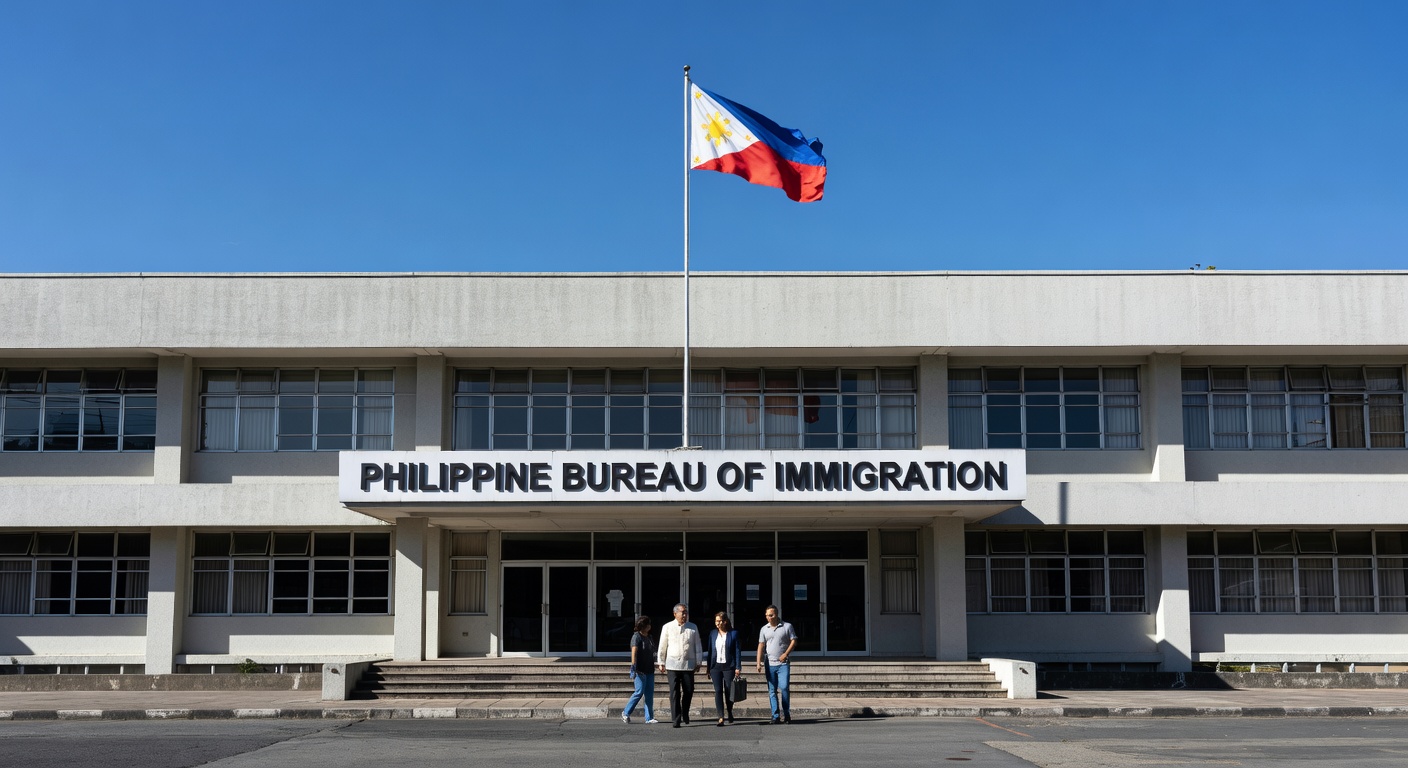
Travel Ban Issued Against Marcoleta and Defensor as Philippine Graft Cases Intensify
In a significant escalation of the legal battles facing former Philippine lawmakers, the Bureau of Immigration has confirmed receiving Preventive Hold Departure Orders (PHDOs) against suspended congressmen Rodante Marcoleta and Arthur Defensor, among others. The orders — issued by the Sandiganbayan, the country's anti-graft court — effectively prevent the named individuals from leaving the Philippines while their corruption cases are pending.
This development marks a turning point in the ongoing crackdown on corruption in the Philippines, signaling that the Sandiganbayan is taking an increasingly aggressive stance against public officials accused of graft.
The Cases Behind the Bans
Marcoleta and Defensor are facing separate graft charges that stem from their time in office. The Sandiganbayan found sufficient grounds to issue the PHDOs after reviewing the evidence presented by prosecutors, concluding that there was a risk the accused might attempt to flee the jurisdiction.
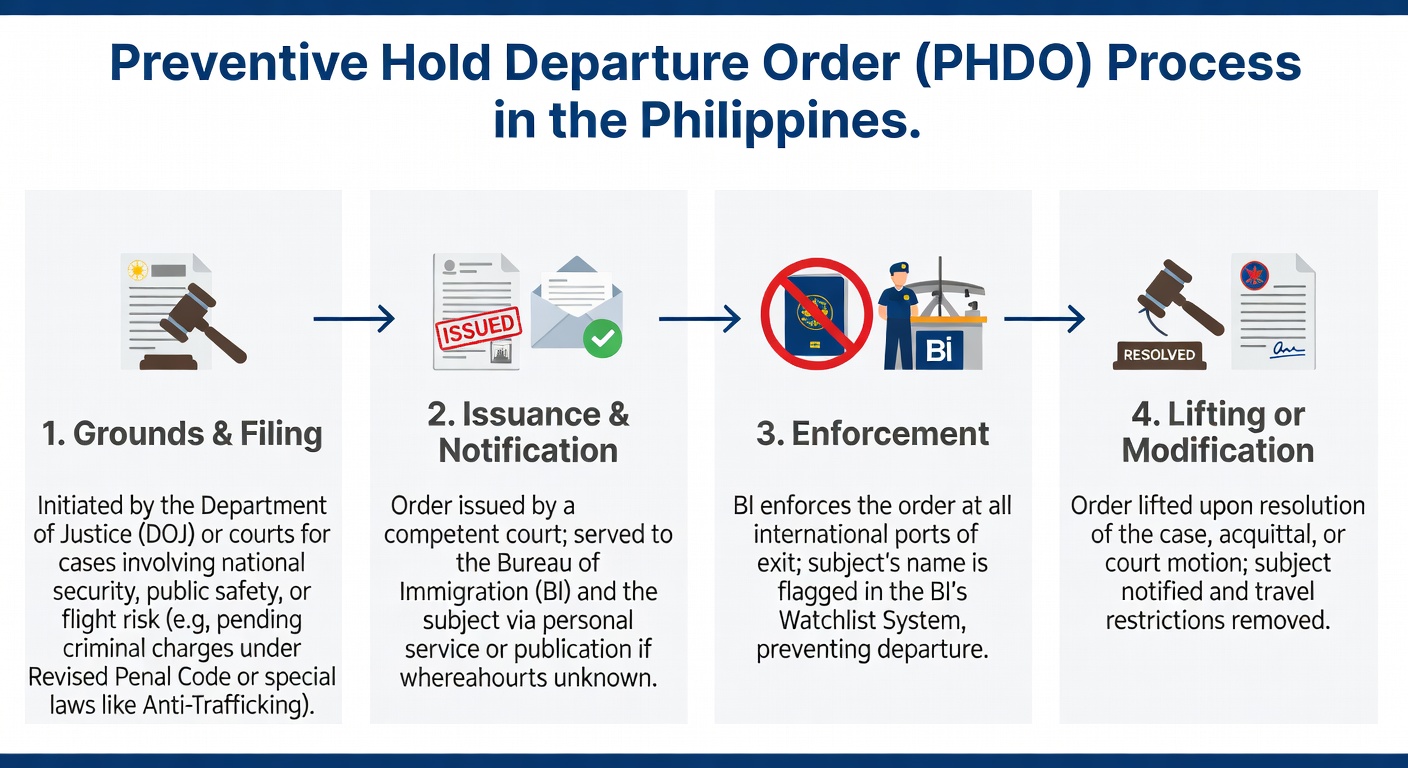
A Preventive Hold Departure Order is a legal instrument used by Philippine courts to restrict the travel of individuals facing criminal charges. Unlike a hold departure order, which is typically issued after a conviction, a PHDO can be issued during the pendency of a case if the court believes there is a risk of flight. It is a powerful tool, and its use against high-profile political figures sends a strong message.
Marcoleta, a controversial figure in Philippine politics known for his强硬 (hardline) stances in the House of Representatives, has been a vocal ally of the administration on many issues. His legal troubles have complicated his political positioning. Defensor, a former governor and congressman, has faced allegations of financial impropriety that date back several years.

The Sandiganbayan's Role
The Sandiganbayan is a special court in the Philippines that handles criminal and civil cases involving public officials and government employees. It was established to combat corruption by ensuring that cases against erring officials are heard quickly and efficiently. Over the years, it has built a reputation as one of the more effective anti-corruption institutions in the country.
The issuance of PHDOs against Marcoleta and Defensor is consistent with the Sandiganbayan's recent pattern of more aggressive action. The court has been under pressure to demonstrate that it can hold powerful figures accountable, particularly as public frustration with corruption grows.
Political Fallout
The travel bans have significant political implications. Marcoleta, in particular, has been a key figure in the House majority, and his legal troubles could shift the balance of power in Congress. The bans also complicate the political calculations of both parties as the country approaches the next election cycle.
For the public, the travel bans are a rare moment of satisfaction — seeing powerful figures who have long seemed untouchable finally facing consequences. But the broader question remains: will this lead to actual convictions, or will the cases languish in the courts as so many have before?
Key Takeaways
- The Bureau of Immigration has confirmed receiving Preventive Hold Departure Orders against Marcoleta and Defensor.
- The orders were issued by the Sandiganbayan, the Philippine anti-graft court, citing risk of flight.
- The cases represent an escalation in anti-corruption enforcement against high-profile political figures.
- Marcoleta and Defensor's legal teams are expected to challenge the orders.
- The travel bans could have significant implications for Philippine politics ahead of the next election cycle.
Conclusion
The travel bans against Marcoleta and Defensor are a sign that the Sandiganbayan is serious about holding public officials accountable. Whether this translates into actual convictions — or whether the cases become yet another chapter in the Philippines' long history of impunity — remains to be seen. But for now, two powerful politicians are grounded. And that, in itself, is a noteworthy development.
This is Bella Reyes for Global1 News, reporting from Manila. 🇵🇭
The Sandiganbayan's Renewed Vigor
The Sandiganbayan has undergone something of a transformation in recent years. Once criticized as slow and ineffective — a court where corruption cases could languish for years or even decades — it has shown signs of renewed vigor under its current leadership. The issuance of PHDOs against high-profile figures like Marcoleta and Defensor is part of a broader pattern of more aggressive enforcement.
Legal analysts point to several factors behind the change. New leadership at the court has prioritized clearing the backlog of cases. The Office of the Ombudsman, which prosecutes graft cases, has been more active in building strong evidentiary records. And public pressure — fueled by growing frustration with corruption — has created political space for more assertive judicial action.
"The Sandiganbayan is sending a message," said a Manila-based legal analyst. "No one is above the law — not even powerful congressmen with political connections. Whether that message holds depends on whether they can secure convictions."
The Political Calculus
The travel bans against Marcoleta and Defensor are not just legal actions — they are political events with significant implications. Both men have been influential figures in Philippine politics. Their legal troubles weaken the administration's congressional support base and create openings for political opponents.
Marcoleta, in particular, has been a key figure in advancing the administration's legislative agenda. His absence from Congress — whether due to travel restrictions or potential detention — could shift the balance of power in the House. The opposition has already begun capitalizing on the situation, calling for greater scrutiny of the administration's anti-corruption record.
What This Means for Anti-Corruption Efforts
The PHDOs represent a tangible victory for anti-corruption advocates — proof that the system can work when it chooses to. But advocates caution against over-optimism. The Philippines has a long history of high-profile corruption cases that begin with promise and end in acquittals, delays, or political settlements.
"The issuance of a PHDO is the easy part," said a transparency advocate. "The hard part is following through with a thorough prosecution, securing a conviction, and ensuring that the punishment is meaningful. We've seen this movie before. We know how it usually ends."
The Marcoleta and Defensor cases will be closely watched as indicators of whether the Sandiganbayan's new vigor is real — or just another false dawn in the fight against Philippine corruption.
The Human Cost of Graft
Corruption in the Philippines is not an abstract problem. Every peso stolen through graft is a peso that could have been spent on schools, hospitals, roads, and social services. The Philippines has one of the highest poverty rates in Southeast Asia, and the corrosive effect of corruption on public trust and economic development is well-documented. Cases like those of Marcoleta and Defensor matter not just because of who is accused but because of what their alleged crimes represent: a system that has allowed the powerful to enrich themselves at public expense for too long.
The Sandiganbayan's renewed activism is a positive development, but it is only one piece of a much larger puzzle. The Philippines needs comprehensive reforms to its campaign finance system, procurement rules, and conflict-of-interest regulations if it wants to make real progress against corruption. The travel bans are a step forward. But the journey is far from complete.
The Broader War on Corruption
The travel bans against Marcoleta and Defensor arrive at a moment when anti-corruption sentiment in the Philippines is running high. Public frustration with graft has been growing for years, fueled by high-profile scandals, rising inequality, and a sense that the wealthy and powerful are simply not subject to the same rules as ordinary Filipinos. The Sandiganbayan's actions are, in part, a response to this public mood. Courts do not operate in a vacuum — they respond to political and social pressures, and the pressure for accountability is mounting.
The cases also highlight the importance of institutional independence. The Sandiganbayan has demonstrated that it can act against politically connected figures when it chooses to. The question is whether it will maintain this independence when the cases involve allies of the administration — a test that has yet to come.
What Comes Next for Philippine Anti-Corruption
The Marcoleta and Defensor cases are more than individual prosecutions — they are test cases for the Philippine justice system's ability to hold powerful figures accountable. If the Sandiganbayan secures convictions, it will send a powerful signal that the era of impunity for corrupt politicians is ending. If the cases collapse — whether through procedural delays, political interference, or insufficient evidence — it will confirm the cynicism of those who believe the system is rigged. The stakes could not be higher, not just for the accused, but for the millions of Filipinos who are watching to see whether justice is real or merely theatrical.
The travel bans against Marcoleta and Defensor are unprecedented in their scope and political significance. They demonstrate that the anti-graft court is prepared to take on powerful figures. The question now is whether the prosecution can convert these procedural victories into convictions that will stand as lasting achievements in the fight against corruption.
The fight against corruption in the Philippines is a marathon, not a sprint. The travel bans are a promising step, but the real test lies ahead.
This article was produced with AI-assisted research and editorial support. Reporting is based on sources cited in the article.
What's Your Reaction?
 Like
1
Like
1
 Dislike
0
Dislike
0
 Love
0
Love
0
 Funny
0
Funny
0
 Wow
0
Wow
0
 Sad
0
Sad
0
 Angry
0
Angry
0

Philippines/Southeast Asia Correspondent at Global1.News. Manila-based journalist covering Philippine politics, environment, maritime security, and social issues. Passionate about marine conservation and the communities protecting the Philippines' natural heritage.













Comments (0)