
Truth Commission Launches to Document Duterte's Drug War Killings: 'We Cannot Heal What We Do Not Acknowledge'
Truth Commission Launches to Document Duterte's Drug War Killings: 'We Cannot Heal What We Do Not Acknowledge'
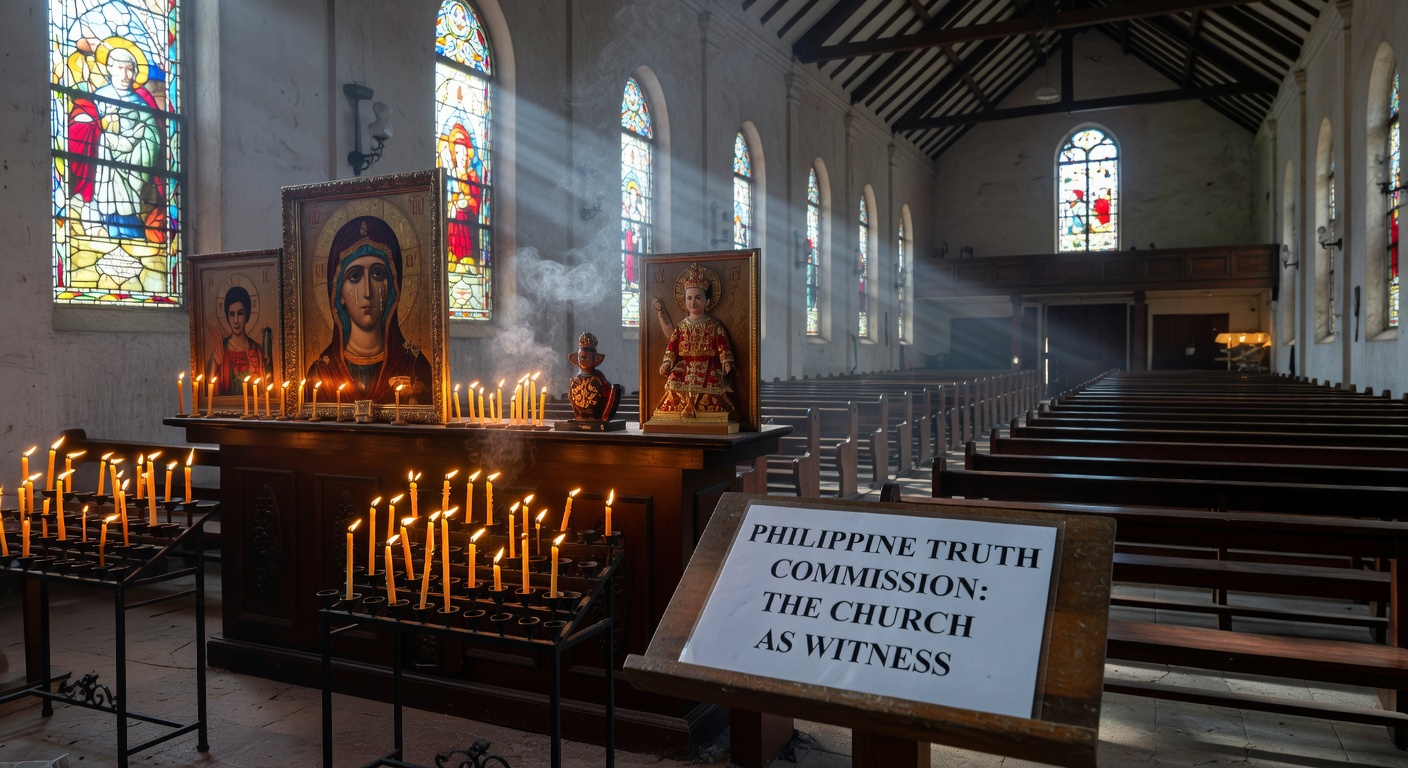
A coalition of religious leaders, civil society organizations, and human rights advocates has launched the Philippine Truth and Reconciliation Commission — a landmark effort to establish a definitive public record of the thousands of killings that occurred during former President Rodrigo Duterte's war on drugs.
The commission's motto speaks to the heart of its mission: "We cannot heal what we do not acknowledge." It is a sentiment that resonates deeply in a country where the full scale of the drug war's human cost remains officially contested, and where accountability has been elusive for years.
A Homegrown Solution to a National Trauma
Unlike the ICC proceedings unfolding simultaneously in The Hague, this commission is a Filipino-led initiative. It is chaired by a Catholic bishop and includes a former ICC judge, legal scholars, and human rights investigators. Its mandate is not punitive but documentary — it seeks to establish a complete, credible, and authoritative record of what happened during the drug war.
"We cannot leave this history to be written only by foreign courts," said the bishop leading the commission at the launch event in Manila. "This is our story. These are our dead. We owe it to them and to future generations to tell the truth."
The commission's work is urgent for several reasons. Evidence is degrading — witnesses are aging or afraid to come forward, documents are being lost or destroyed, and institutional memory is fading. The longer the wait, the harder it becomes to piece together what happened.
The Scale of What Must Be Documented
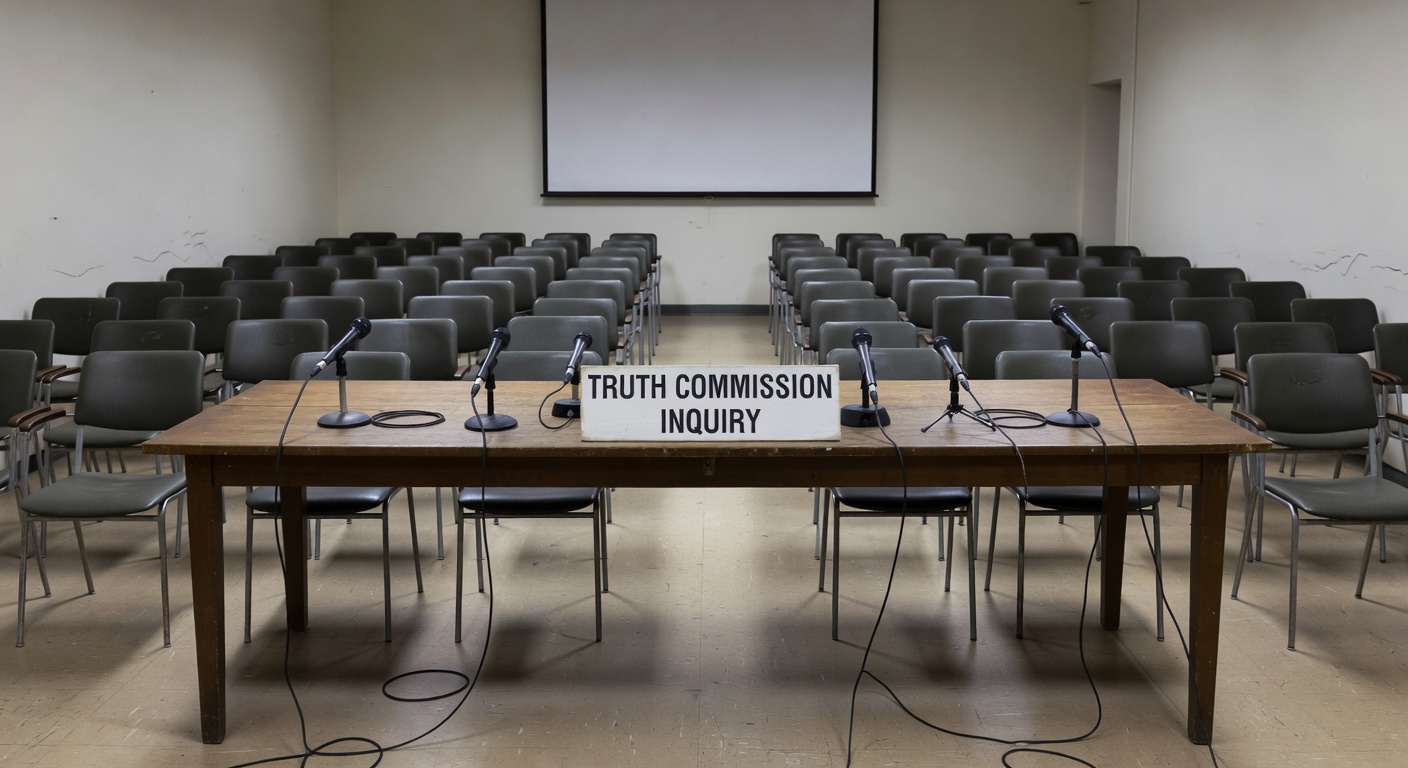
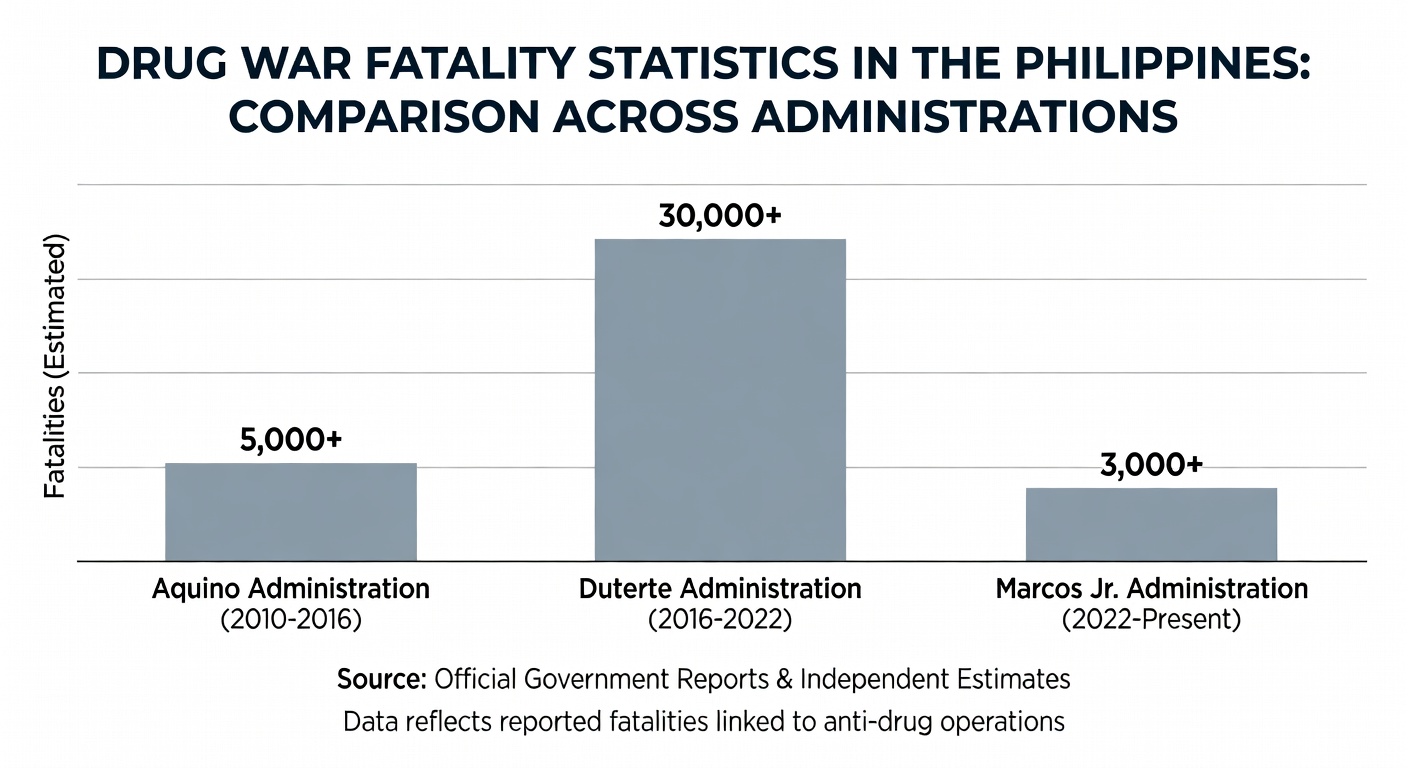
Official government figures put the drug war death toll at approximately 6,000. But human rights groups, including Amnesty International and Human Rights Watch, have long argued that the actual figure is far higher — potentially as high as 30,000. The discrepancy is so large that it suggests not just undercounting but active obfuscation.
The commission will attempt to reconcile these numbers through a painstaking process of cross-referencing police reports, hospital records, news reports, and testimony from families and witnesses. It will also examine the broader system that enabled the killings — including the "nanlaban" (he fought back) reporting system that critics say was used to justify extrajudicial executions.
The Challenge of Memory and Politics
The truth commission faces significant obstacles. The Philippine government has not cooperated with the ICC investigation and has been hostile to independent documentation efforts. Police records may be incomplete or falsified. Witnesses may be reluctant to come forward, fearing reprisal. And the political climate remains deeply divided, with a significant portion of the public continuing to support Duterte and his drug war.
Despite these challenges, the commission's organizers believe that establishing the truth is a necessary precondition for any meaningful reconciliation. "Justice may come from The Hague or it may not," one of the commissioners said. "But the truth — that is ours to discover and preserve, no matter what."
Key Takeaways
- The Philippine Truth and Reconciliation Commission launches to document drug war killings under Duterte.
- Led by a Catholic bishop and a former ICC judge, the commission is a Filipino-led initiative.
- Official death toll is 6,000, but human rights groups estimate up to 30,000 killed.
- The commission will gather testimony, review records, and create a definitive public record.
- It faces significant political and practical obstacles but organizers say truth is a prerequisite for healing.
Conclusion
The Philippine Truth and Reconciliation Commission represents a courageous attempt by civil society to confront a painful national history. Whether it succeeds in establishing a complete record — and whether that record leads to accountability — remains to be seen. But the act of beginning the work is itself significant. In a country where silence has been the default response to atrocity, speaking truth is an act of defiance.
This is Bella Reyes for Global1 News, reporting from Manila. 🇵🇭
Why a Truth Commission When the ICC Already Exists?
Some observers have questioned the need for a domestic truth commission when the ICC is already pursuing criminal prosecutions. The answer lies in the different purposes of the two institutions. The ICC is focused on individual criminal liability — proving that specific individuals bear responsibility for specific crimes. A truth commission, by contrast, is focused on establishing a comprehensive historical record of systemic patterns and institutional responsibility.
"The ICC can convict Duterte, but it cannot document every death or give every family a voice," explained a transitional justice expert. "A truth commission can do what a criminal court cannot: create a space for victims to tell their stories, acknowledge the full scale of the harm, and recommend systemic reforms to prevent recurrence."
Truth commissions have been established in dozens of countries emerging from periods of violence or repression, including South Africa, Peru, and Canada. Their track record is mixed — some have produced lasting reconciliation, while others have been criticized as toothless exercises in symbolic acknowledgment. The Philippine commission's organizers are determined to avoid the latter fate.
The International Dimension
The truth commission is not operating in isolation. Its work will intersect with the ICC proceedings in potentially significant ways. Evidence gathered by the commission — including witness testimony and documentary records — could be shared with ICC prosecutors, strengthening the international case against Duterte. Conversely, evidence that emerges in The Hague could inform the commission's findings.
"We are not a branch of the ICC," one commissioner emphasized. "But we are part of the same ecosystem of accountability. What happens in The Hague affects us, and what we discover may affect the trial. That is not a conflict. It is synergy."
The Challenge of Implementation
Even if the truth commission succeeds in producing a comprehensive report, the question of implementation remains. Will its recommendations be adopted by the government? Will there be a political will to pursue the reforms it proposes? History suggests that truth commissions without strong implementation mechanisms often produce reports that gather dust on shelves.
The commission's organizers are aware of this risk and have built follow-up mechanisms into the structure. They are also engaging with international partners — including the United Nations and foreign governments — to ensure that the commission's findings carry weight beyond Philippine borders.
Lessons from Other Truth Commissions
The Philippine commission can draw lessons from predecessors around the world. South Africa's Truth and Reconciliation Commission, established after apartheid, is the most famous example. It succeeded in creating a national reckoning with the crimes of the apartheid era but was criticized for trading amnesty for truth. Peru's truth commission documented the atrocities of the Shining Path and government forces during the internal conflict, producing a comprehensive final report that became the foundation for subsequent accountability efforts. Canada's Truth and Reconciliation Commission addressed the legacy of residential schools and produced 94 calls to action, many of which have yet to be fully implemented.
The lesson from these examples is clear: truth commissions are most effective when they have a clear mandate, adequate resources, and strong follow-up mechanisms. The Philippine commission has the first two. Whether it will have the third depends on political will that is currently in short supply.
Civil Society as the Backbone
The truth commission would not exist without the tireless work of Filipino civil society organizations. Human rights groups, church organizations, and legal aid societies have been documenting drug war killings since 2016, creating the evidentiary foundation that the commission will now build upon. These organizations have operated under difficult conditions — facing harassment, threats, and limited resources — and their persistence has kept the issue alive.
The commission is a testament to the power of civil society to hold states accountable when official institutions fail. But it is also a reminder of the burden that falls on ordinary citizens when their government refuses to confront its own past. The victims of the drug war deserve more than a truth commission. But a truth commission is better than silence.
A Template for Other Nations
The Philippine Truth Commission could serve as a model for other countries grappling with similar legacies of state violence. Several nations across Asia, Africa, and Latin America are struggling with how to document and acknowledge human rights abuses committed by past governments. The Philippine experiment — a civil society-led initiative with international support and a clear documentary mandate — offers a potential blueprint. If it succeeds, it will not only help the Philippines heal but provide a template for truth-seeking efforts around the world.
The Philippine Truth Commission faces an uphill battle, but its creation is itself a victory for those who believe that truth matters. The commission will face obstacles — political opposition, limited resources, and the sheer difficulty of documenting crimes that were designed to be invisible. But its work is essential, because a nation that cannot face its past cannot build a just future.
The work of truth-telling is never easy. But it is always necessary. The Philippine Truth Commission has begun that work. History will judge whether we supported it.
This article was produced with AI-assisted research and editorial support. Reporting is based on sources cited in the article.
What's Your Reaction?
 Like
0
Like
0
 Dislike
0
Dislike
0
 Love
0
Love
0
 Funny
0
Funny
0
 Wow
0
Wow
0
 Sad
0
Sad
0
 Angry
0
Angry
0

Philippines/Southeast Asia Correspondent at Global1.News. Manila-based journalist covering Philippine politics, environment, maritime security, and social issues. Passionate about marine conservation and the communities protecting the Philippines' natural heritage.









Comments (0)