
ILA Haifa Sanctions: A Year After the Sail Tower Missile Strike
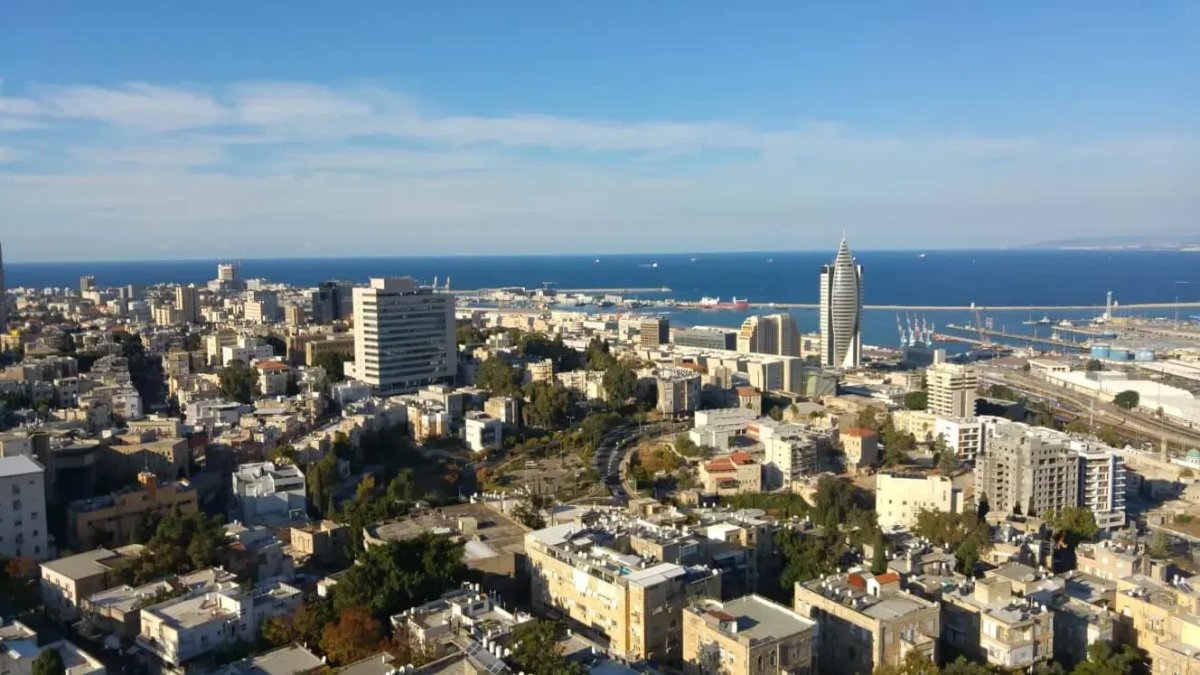
<h2>The Strike on Sail Tower and Its Lingering Effects</h2> <p>One year after an Iranian missile struck the Sail Tower in Haifa during the 2025 escalation between Iran and Israel, the building remains a symbol of unresolved disruption for government operations in northern Israel. The prominent Haifa landmark housed multiple agencies, and the attack forced immediate relocation of staff to temporary facilities across the city. Recovery in Haifa has proceeded unevenly, with daily life in neighborho

The Strike on Sail Tower and Its Lingering Effects
One year after an Iranian missile struck the Sail Tower in Haifa during the 2025 escalation between Iran and Israel, the building remains a symbol of unresolved disruption for government operations in northern Israel. The prominent Haifa landmark housed multiple agencies, and the attack forced immediate relocation of staff to temporary facilities across the city. Recovery in Haifa has proceeded unevenly, with daily life in neighborhoods near the port and bay area still reflecting security concerns tied to the northern front.
Haifa residents continue to navigate the practical consequences of that strike, including altered commuting patterns and strained public services. The Israel Land Authority office in Haifa, one of the key tenants, has been particularly affected by decisions made at the national level in Jerusalem. These developments connect directly to broader questions about how Israeli institutions manage the aftermath of missile threats from Iran and its proxies.
ILA Haifa Staff Relocation and Adaptation Period
Following the missile impact, ILA Haifa employees were moved to temporary offices, often farther from their original locations in the Sail Tower. The agency had relied on a half-hour adaptation period, a flex-time measure that allowed staff to adjust to longer commutes without immediate penalties. This arrangement supported continuity in a region where many workers travel from surrounding communities in the north.
The Finance Ministry later cancelled this adaptation period for the relocated ILA personnel. Officials in the ministry cited standard civil service rules that apply once temporary arrangements extend beyond initial emergency phases. ILA Haifa management responded by noting that the change created scheduling conflicts for employees balancing family responsibilities and extended travel times amid ongoing regional tensions.
Suspension of Public Reception Services
The cancellation of the adaptation period directly contributed to ILA Haifa suspending public reception services. Without the flex-time buffer, staff shortages during core hours made it impossible to maintain consistent walk-in access for land registration, leasing inquiries, and other administrative tasks. Residents in Haifa and nearby settlements who depend on these services have faced delays in processing applications.
This suspension highlights the ripple effects on everyday governance in northern Israel. The ILA plays a central role in managing state land resources, and interruptions in Haifa affect planning decisions that influence housing and development in the Galilee and coastal areas. Local officials have expressed concern that prolonged service gaps could slow recovery projects in communities still adjusting to the security situation.
Displaced Government Tenants and Shared Workspaces
Prosecutors and other government tenants who shared space in the Sail Tower continue to operate without permanent offices months after the strike. Some teams have resorted to sharing desks in borrowed facilities or working from cafés while awaiting new assignments. These arrangements reflect the slow pace of rebuilding or reallocating space in Haifa's government infrastructure following the 2025 escalation.
The situation extends beyond the ILA to multiple agencies that lost operational bases in the tower. Coordination between the Finance Ministry and local Haifa authorities has focused on identifying suitable long-term sites, yet progress remains limited by competing priorities in the north. Workers describe fragmented routines that complicate collaboration on cases and projects tied to regional security and economic matters.
Haifa's Recovery Amid Missile Damage and Regional Context
The Iranian missile strike on the Sail Tower forms part of wider damage sustained in Haifa during the 2025 escalation, including impacts on the Bazan refinery complex in the bay area. Recovery efforts have involved repairs to critical infrastructure while addressing civilian displacement and economic strain in port-adjacent neighborhoods. Israeli security assessments continue to weigh the risk of renewed threats from Iran against the need to restore normal operations.
Northern Israel's recovery intersects with national debates over resource allocation between defense needs and civil service support. Haifa, as a major hub linking the north to central Israel, faces particular pressure to maintain administrative functions that underpin daily life for residents and businesses. The ILA's challenges illustrate how decisions in Jerusalem influence local resilience in areas exposed to cross-border tensions.
Implications for Civil Service and Northern Recovery
The events surrounding ILA Haifa point to ongoing strains within Israel's civil service as agencies adapt to post-escalation realities. Temporary relocations and policy adjustments on work conditions have tested the balance between employee welfare and operational demands in a region still processing the effects of Iranian missile activity. Northern communities rely on stable government presence for land management and legal processes that support long-term stability.
Observers note that sustained attention from the Prime Minister's Office and relevant ministries will be required to resolve office shortages and restore full services. The experience in Haifa offers lessons for how Israel manages institutional continuity when facing threats from Iran and groups such as Hezbollah, ensuring that public administration keeps pace with security and reconstruction priorities.
By Hannah Berg, Staff WriterWhat's Your Reaction?
 Like
0
Like
0
 Dislike
0
Dislike
0
 Love
0
Love
0
 Funny
0
Funny
0
 Wow
0
Wow
0
 Sad
0
Sad
0
 Angry
0
Angry
0












Comments (0)