
Over 1,000 Arrested in Global Human Trafficking Crackdown
Global Operation Exposes Trafficking Networks Targeting Latin America This week, coordinated efforts across 59 countries led to more than 1,000 arrests in a major crackdown on human trafficking, according to Interpol. The operation, known as Global Chain, involved 40,000 officers and identified 2,070 victims or potential victims, with the vast majority being women subjected to
Global Operation Exposes Trafficking Networks Targeting Latin America
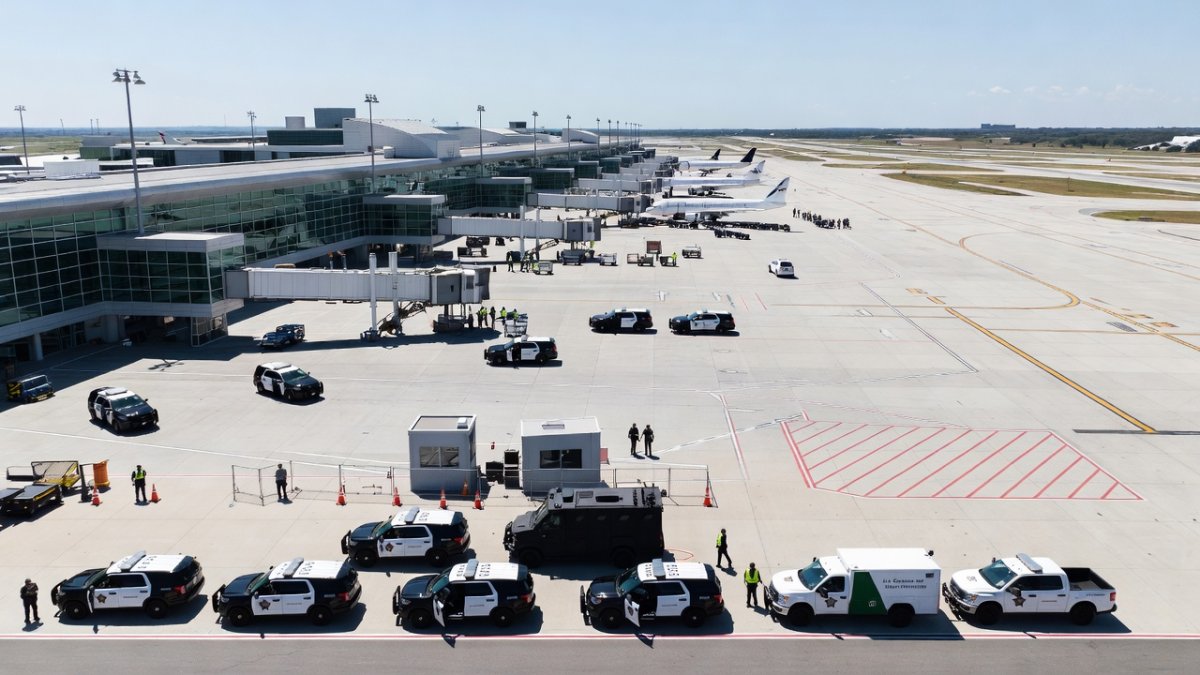
This week, coordinated efforts across 59 countries led to more than 1,000 arrests in a major crackdown on human trafficking, according to Interpol. The operation, known as Global Chain, involved 40,000 officers and identified 2,070 victims or potential victims, with the vast majority being women subjected to sexual exploitation. Brazilian national Valdecy Urquiza, serving as Interpol Secretary, highlighted how the results reveal the crime's profitability and the severe harm inflicted on victims from regions including Latin America.
(Global 1 News)
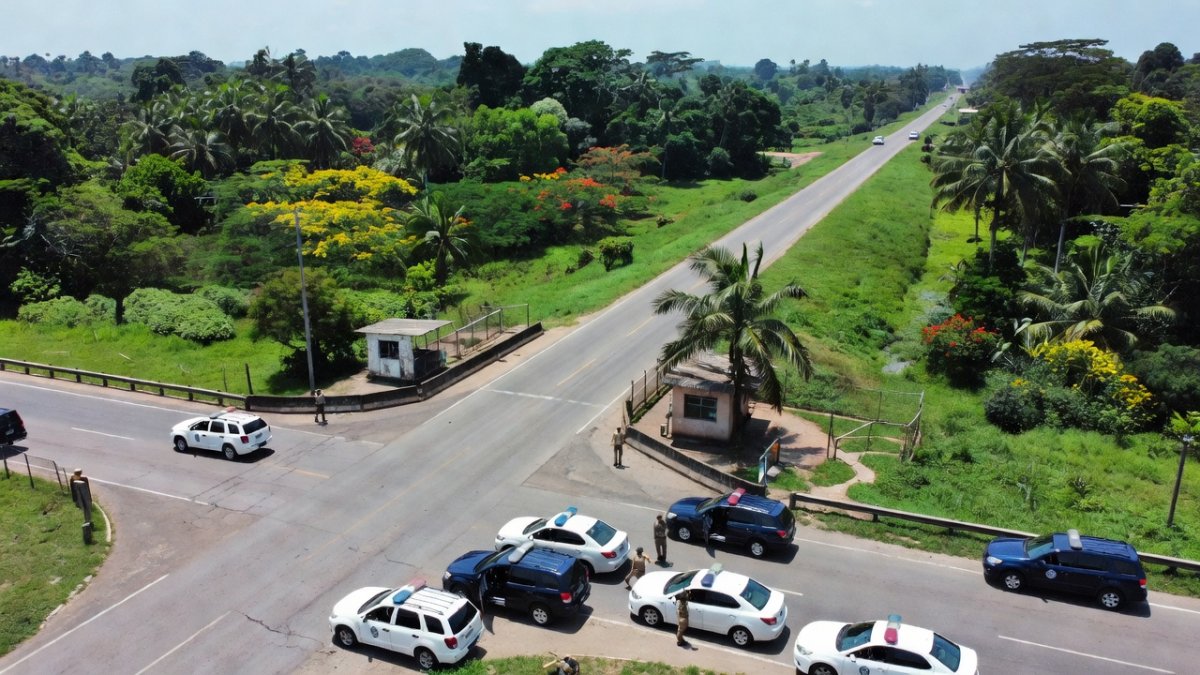
Authorities focused on routes involving sexual exploitation, forced labor, criminality, and coerced begging. In Latin America, patrols along open-border areas in Brazil formed a key part of the effort, while Colombia launched an airport prevention campaign to warn travelers about fraudulent job offers. These actions connect directly to daily economic pressures in countries where migration for work often intersects with organized crime.
Brazilian Federal Police Uncover Path to Cambodia Scams
Brazil's Federal Police identified 406 victims as part of the transnational network sending people to Cambodia for forced online scamming, according to Interpol. Of these, 83 were Brazilian nationals and 323 were foreign nationals transiting through the country. The operation dismantled this network, which exploited vulnerabilities tied to economic instability and limited job opportunities in Brazilian states bordering neighboring nations.
Local communities in Brazil often face recruitment through social media or false promises of high-paying overseas work. The Federal Police's involvement underscores how Brazil serves as both a source and transit point, with victims referred to national protection services after rescue. Interpol notices have since targeted additional suspects linked to these routes.
(Global 1 News)
Emerging Routes Send Latin American Victims to Europe for Labor
Interpol reported an emerging trend of Latin American victims trafficked for forced labor in Europe, alongside about 10 percent of identified victims being minors from the Americas subjected to sexual exploitation. This shift reflects changing criminal methods that prey on economic migration from countries like Brazil, Colombia, and Bolivia, where poverty and lack of formal employment drive risky decisions.
In daily life across Latin American cities and rural areas, families encounter fraudulent offers that promise stability abroad but lead to exploitation. The data from the operation shows 20 percent of victims forced into criminality and 11 percent into labor, highlighting how these patterns disrupt communities and strain local economies already challenged by inequality.
Colombian Airport Campaign and Regional Prevention Efforts
Colombian authorities implemented an airport prevention campaign during the operation to raise awareness about the risks of fraudulent job offers abroad, according to Interpol. This initiative targeted travelers at major hubs, connecting directly to cultural and economic realities where many Colombians seek opportunities in Europe or Asia amid domestic unemployment.
Such campaigns address social vulnerabilities like limited access to verified employment information, which traffickers exploit through online platforms. The effort aligns with broader regional strategies involving agencies like Brazil's Federal Police to disrupt recruitment before victims leave their home countries.
Argentinian Rescue of Bolivian Children Highlights Cross-Border Risks
Argentinian police rescued two Bolivian child victims forced to work in a grocery store, resulting in arrests as part of the global action, according to Interpol. This case illustrates trafficking routes within South America that affect minors from neighboring countries, often tied to informal labor sectors in border regions.
In Latin American contexts, such exploitation impacts family structures and local economies in places like Bolivia and Argentina, where children from vulnerable households face heightened risks. The rescues demonstrate how coordinated policing across borders can interrupt these cycles, though authorities note ongoing challenges in monitoring informal work sites.
Implications for Latin American Societies and Future Cooperation
The operation's findings, including the dismantling of a European network that recruited underage girls via social media for sex work in Belgium and France, point to evolving tactics affecting the Americas. Belgian authorities arrested 17 suspects in that case, showing how Latin American minors become entangled in international rings.
For Brazil and its neighbors, these results emphasize the need for stronger ties between law enforcement like the Federal Police and international bodies. Victims identified received referrals to support services, while 465 investigations launched overall. Valdecy Urquiza noted that such collaboration disrupts networks generating billions in illicit revenue and strengthens protections for communities facing these threats.
Countries including the UK, US, France, Germany, Spain, Nigeria, Thailand, and Vietnam participated alongside Latin American nations, fostering exchanges that could influence policies on migration and labor rights in the region. The focus remains on addressing root causes like economic disparities that make residents susceptible to traffickers.
By Elena Vasquez, Staff WriterThis article was produced with AI-assisted research and editorial support. Reporting is based on sources cited in the article.
What's Your Reaction?
 Like
0
Like
0
 Dislike
0
Dislike
0
 Love
0
Love
0
 Funny
0
Funny
0
 Wow
0
Wow
0
 Sad
0
Sad
0
 Angry
0
Angry
0

Latin America Correspondent at Global1.News. Based in Mexico City, covering politics, economics, energy, and culture across the region. Brings an on-the-ground perspective to stories spanning from the Rio Grande to Patagonia.













Comments (0)