
Trump Calls Ref 'Suspect' as Balogun Controversy Engulfs...
The Balogun red card reversal after Donald Trump's direct intervention with FIFA has set the World Cup alight, and here in South Africa it feels like another painful reminder of how political power can twist the beautiful game we love so much. Bafana Bafana fans watching from shebeens in Soweto know exactly what this smells like, the same interference that has dogged SAFA for y
The Balogun red card reversal after Donald Trump's direct intervention with FIFA has set the World Cup alight, and here in South Africa it feels like another painful reminder of how political power can twist the beautiful game we love so much. Bafana Bafana fans watching from shebeens in Soweto know exactly what this smells like, the same interference that has dogged SAFA for years and left our national team fighting uphill battles against bigger nations with deeper pockets and louder voices. Tonight's USA versus Belgium clash at Lumen Field carries extra weight because it shows how quickly the rules bend when presidents get involved.
Trump Calls Ref 'Suspect' as Balogun Controversy Engulfs World Cup 2026
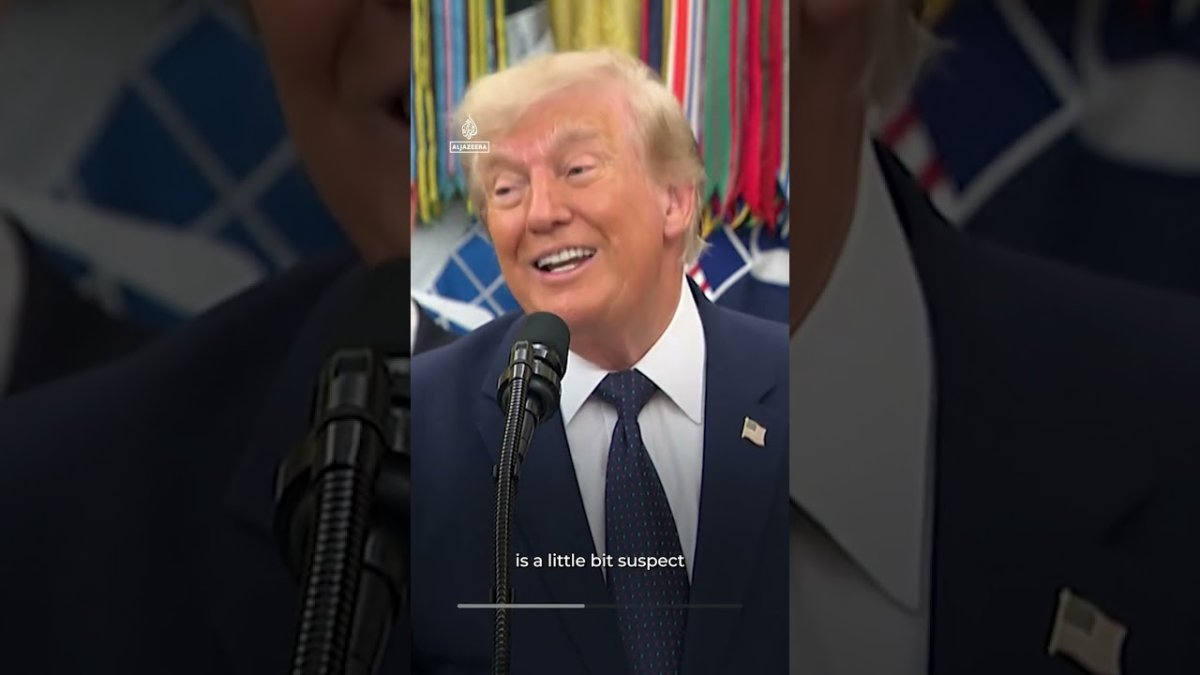
Seattle, United States – July 6, 2026 — Donald Trump phoned FIFA president Gianni Infantino to defend US striker Folarin Balogun after the forward's red card against Bosnia-Herzegovina, leading to the unprecedented suspension of his one-match ban under Article 27 of the disciplinary code. The decision has left Belgium fuming ahead of tonight's last-16 meeting, with their coach Rudi Garcia branding it an April Fools joke and the Belgian FA expressing astonishment that their formal challenge was ruled inadmissible. For South African supporters this echoes the frustration when political figures meddle in CSA or SAFA affairs, undermining the grassroots development that SuperSport and local clubs work so hard to protect.
The Trump Call That Shook World Football
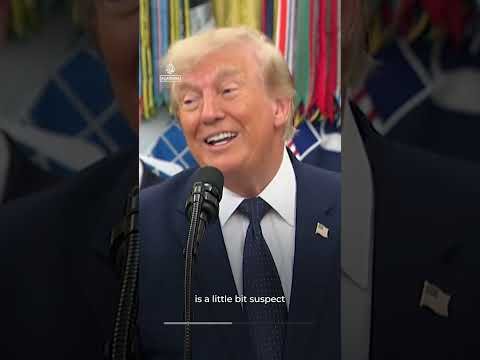
Trump publicly called the referee a little bit suspect after the phone call to Infantino, marking the first time Article 27 has been applied at a World Cup to place Balogun's ban on probation for one year. This move joins only two exceptions in 189 red cards across World Cup history, alongside Brazil's Garrincha from 1962, and it has left fans wondering how a sitting president can influence FIFA's disciplinary process so directly. South African sports lovers at the shebeen see this as the same toxic interference that has plagued our own game, where politicians have repeatedly tried to dictate selections or funding for Bafana Bafana instead of letting SAFA focus on building talent from the townships upward.
The unprecedented nature of the ruling has drawn sharp criticism because it bypasses the standard one-match suspension that every other player in similar circumstances would serve. Pochettino, the USA coach, stated that 99.9 percent of people in football viewed the original punishment as unfair, yet the intervention came from the highest political office rather than through proper channels. This kind of top-down pressure reminds us in South Africa of the battles SARU and CSA have fought to keep rugby and cricket free from government overreach, where political meddling has often stalled progress for our national teams and left grassroots programs underfunded.
Infantino's decision to act on the call has exposed cracks in FIFA's governance that smaller nations like ours have long suspected exist. With Balogun now cleared to start tonight against Belgium, the integrity of the entire tournament feels compromised in ways that echo the governance scandals that have hit SAFA over the years. Our fans know that when politics enters the dressing room, the beautiful game suffers, and tonight's match will test whether the USA can capitalise on this advantage without further damaging the sport's reputation.
Belgium's Fury and a Ruled-Inadmissible Challenge
Belgium lodged a formal challenge against the FIFA ruling, only for it to be declared inadmissible, prompting Garcia to declare it April Fools at the World Cup and the Belgian FA to state they were astonished by the lack of transparency. The team that reached the quarterfinals in 2018 now faces an opponent with an extra key striker available, and their fury centres on the ethics of allowing a head of state to influence disciplinary outcomes. In South Africa this mirrors the outrage when external forces have tried to dictate terms to Bafana Bafana, leaving SAFA to defend the integrity of our own competitions against similar pressures from political quarters.
The Belgian statement emphasised their commitment to football's integrity and ethics, highlighting how the decision undermines trust in the process that governs every nation equally. With 189 red cards in World Cup history and only Garrincha previously escaping suspension, the ruling sets a dangerous precedent that could affect future tournaments where developing nations like ours compete. Our shebeen conversations often turn to how SAFA must stay vigilant against such interference if Bafana Bafana is ever to reach the knockout stages again and compete on fair terms.
Garcia's comments about defending ethics resonate deeply with South African supporters who have watched political figures attempt to influence CSA selections or SARU funding decisions. The inadmissible appeal leaves Belgium preparing for tonight's match knowing the odds have shifted, yet their protest stands as a warning that smaller federations must band together to protect the rules. This episode strengthens the case for African nations to demand greater accountability from FIFA so that teams from our continent are not disadvantaged by similar high-level interventions.
USA vs Belgium: What's at Stake Tonight
Tonight at Lumen Field in Seattle the USA and Belgium kick off at 7pm PT with the winner advancing to face Japan or Morocco in the quarterfinals in Los Angeles on Friday. The USA has not reached the quarterfinals since 2002 while Belgium last achieved it in 2018, and Opta gives the Americans a 37.2 percent chance of victory compared to Belgium's 36.5 percent with extra time at 26.3 percent. Key players for the USA include Balogun, Pulisic, McKennie, Dest and Adams, while Belgium relies on De Bruyne, Lukaku, Courtois, Trossard and Tielemans, and the USA has lost each of their last six meetings against Belgium since 1930.
Balogun's availability changes the tactical landscape for Pochettino's side, allowing them to deploy their attacking threat without the shadow of a suspension hanging over the squad. South African fans understand the importance of such momentum because Bafana Bafana has often been hampered by inconsistent disciplinary rulings that disrupt preparation and team morale. The head-to-head history shows Belgium's dominance, yet the current form and home support at Lumen Field could shift the balance in ways that parallel how grassroots passion has occasionally lifted SA teams against stronger opposition.
The stakes extend beyond the scoreline because a USA victory would mark their first quarterfinal appearance in over two decades, something that would inspire developing football nations worldwide. Belgium's experience from 2018 gives them an edge in knockout football, but the controversy has added an emotional layer that could affect both teams' focus. For viewers in Soweto this match highlights the need for SAFA to secure better pathways so that Bafana Bafana can one day compete at this level without external distractions derailing their campaigns.
What This Means for South African Football
The Trump intervention serves as a stark warning for SAFA and Bafana Bafana about the dangers of political involvement in sport, a battle our federations have fought repeatedly against government overreach in cricket and rugby alike. When presidents influence FIFA decisions it erodes the level playing field that smaller nations require to develop talent through grassroots programs supported by SuperSport and local leagues. South African supporters know that integrity must come first if we are ever to see Bafana Bafana challenge at World Cups without fearing similar manipulation.
SAFA's relationship with FIFA has always required careful navigation to avoid the kind of direct political pressure now on display, and this episode reinforces why our administrators must prioritise independence. Parallels with CSA governance struggles show how quickly sport can become a political tool, leaving players and fans to pick up the pieces. The message for our beautiful game is clear: political interference weakens everyone except those already in power, and Bafana Bafana deserves protection from such forces.
Grassroots development in South Africa relies on fair rules that reward on-field performance rather than off-field connections, and tonight's controversy threatens that foundation. Fans in Soweto understand that when the system bends for one nation it risks breaking for others, including our own. This is why calls for stronger safeguards within African football have grown louder in recent years.
Fair Play Under Threat: A Warning for African Football
CAF nations have long pushed for equitable treatment at FIFA events, yet this decision undermines trust in the disciplinary process that is meant to apply equally across continents. The ruling sends a message to developing football nations that political access can override standard sanctions, a reality that hits African teams hardest because they often lack the same lobbying power. South African sports culture, built on resilience and community passion, stands against such practices because they contradict the values we teach in township fields every weekend.
The precedent set by Article 27's first World Cup use could affect future tournaments where Bafana Bafana or other African sides compete, making it vital that SAFA and CAF demand transparency. Belgium's rejected appeal highlights how even established federations can be sidelined, leaving smaller voices like ours even more vulnerable. Our fury stems from years of watching similar dynamics play out in domestic sport, where political interference has repeatedly stalled progress for national teams and clubs alike.
African football's growth depends on rules that protect the underdog, and this controversy threatens to reverse hard-won gains in governance and development. Fans across the continent will watch tonight's match with one eye on the score and another on whether FIFA restores balance before the next cycle. The warning is clear for every shebeen conversation in Soweto: protect the integrity of the game or risk losing what makes it beautiful.
What to Watch For
Tonight's match will reveal whether the USA can turn the Balogun reprieve into a quarterfinal berth or if Belgium's experience prevails despite the controversy. Key battles between Pulisic and De Bruyne, or Balogun against Courtois, will decide the outcome, and extra time remains a strong possibility according to Opta projections. South African viewers should note how both teams handle the emotional weight of the off-field drama, because mental resilience often separates winners from the rest in knockout football.
The quarterfinal implications stretch beyond these two sides, potentially shaping paths for Japan or Morocco and setting precedents for how future disciplinary matters are handled. Fans should watch whether the USA's attacking freedom leads to open play or if Belgium's organisation neutralises the advantage. This match offers lessons for Bafana Bafana on maintaining focus amid external noise, something our national team has needed to master in past campaigns.
Whether this sets a lasting precedent will depend on FIFA's response in coming days, but tonight provides the first test of how teams adapt to such rulings. South African supporters will be looking for signs of fair competition that they can apply to their own hopes for Bafana Bafana's next World Cup cycle.
This controversy reminds every South African sports fan why we must guard the beautiful game against political interference at every level, from SAFA boardrooms to FIFA headquarters, because the integrity of the sport is what gives Bafana Bafana and grassroots players a genuine chance to shine on the world stage. Tonight's clash carries meaning far beyond the scoreline as a test of whether football can still belong to the players and the people who love it most.
By Dante Williams, Staff Writer
This article was produced with AI-assisted research and editorial support. Reporting is based on sources cited in the article.
What's Your Reaction?
 Like
0
Like
0
 Dislike
0
Dislike
0
 Love
0
Love
0
 Funny
0
Funny
0
 Wow
0
Wow
0
 Sad
0
Sad
0
 Angry
0
Angry
0

Breaking News and Investigations Correspondent at Global1.News. Based in London, covering global breaking news, security, and investigative stories. Known for digging deeper and connecting the dots across continents.









Comments (0)