
US-Iran Doha Talks: $3B Release, Hotline for 14-Point MoU
The indirect US-Iran technical talks held in Doha on July 1-2, 2026, arrive at a pivotal moment for Middle East stability. Following weeks of tit-for-tat military strikes in May and June, the two sides are now testing whether a mid-June 14-point Memorandum of Understanding can move from paper to practice. Qatar and Pakistan mediated the session, reflecting their distinct levera
The indirect US-Iran technical talks held in Doha on July 1-2, 2026, arrive at a pivotal moment for Middle East stability. Following weeks of tit-for-tat military strikes in May and June, the two sides are now testing whether a mid-June 14-point Memorandum of Understanding can move from paper to practice. Qatar and Pakistan mediated the session, reflecting their distinct leverage with both Washington and Tehran.
Doha Talks Advance US-Iran 14-Point Agreement as Both Sides Test De-escalation
Beirut, Lebanon - July 7, 2026 - US envoys Jared Kushner and Steve Witkoff arrived in Doha for meetings with regional leaders, while Iranian Deputy Foreign Minister Kazem Gharibabadi led Tehran's delegation for two days of indirect technical talks. An initial agreement emerged to release $3 billion in frozen Iranian assets in phases, linked to verifiable progress on MoU implementation. The sides also consented to establish a direct communication hotline to monitor compliance. Qatar's foreign ministry spokesman described the outcome as "positive progress." President Trump publicly stated that the United States and Iran were "getting along very well." The next round is expected after the funeral of Iran's late supreme leader, Ayatollah Ali Khamenei, with Islamabad being the potential venue for subsequent sessions.

The 14-Point MoU: Implementation Challenges
The 14-point agreement addressed immediate ceasefire terms, lifting of the naval blockade, restoration of navigation in the Strait of Hormuz within 30 days, phased sanctions relief, a $300 billion development fund for Iran, and a new nuclear inspection regime. Iran's enrichment program remains the most contentious element. While the Doha session produced the $3 billion phased release and the hotline agreement, translating the broader MoU into verifiable steps will require sustained technical work. Both sides must demonstrate that commitments on inspections and navigation are being met before larger sanctions relief or fund disbursements can proceed. Al Arabiya English, which first published the full MoU text on June 17, 2026, reported that the phased asset release itself serves as an early test of whether trust can be built incrementally between the two adversaries.
Geopolitical Context: Gulf States, Israel, and Turkey
Gulf states hold vital interests in these talks. Saudi Arabia, the UAE, and Qatar all depend on secure access through the Strait of Hormuz for their export revenues and economic diversification strategies, including Saudi Vision 2030 and UAE's post-oil economic transition. Israel, operating within the Abraham Accords framework, monitors how any US-Iran understanding might affect Iranian regional proxies and long-term nuclear constraints. Prime Minister Benjamin Netanyahu's government has expressed reservations about sanctions relief without verifiable nuclear rollback. Turkey, balancing its own energy imports and regional ambitions in Syria and Iraq, has maintained parallel channels with Tehran and will assess whether the Doha process alters Ankara's leverage in Sunni-Shia dynamics. Pakistan's role as co-mediator underscores its unique position - one of the few Muslim-majority nuclear powers with diplomatic ties to both Washington and Tehran.
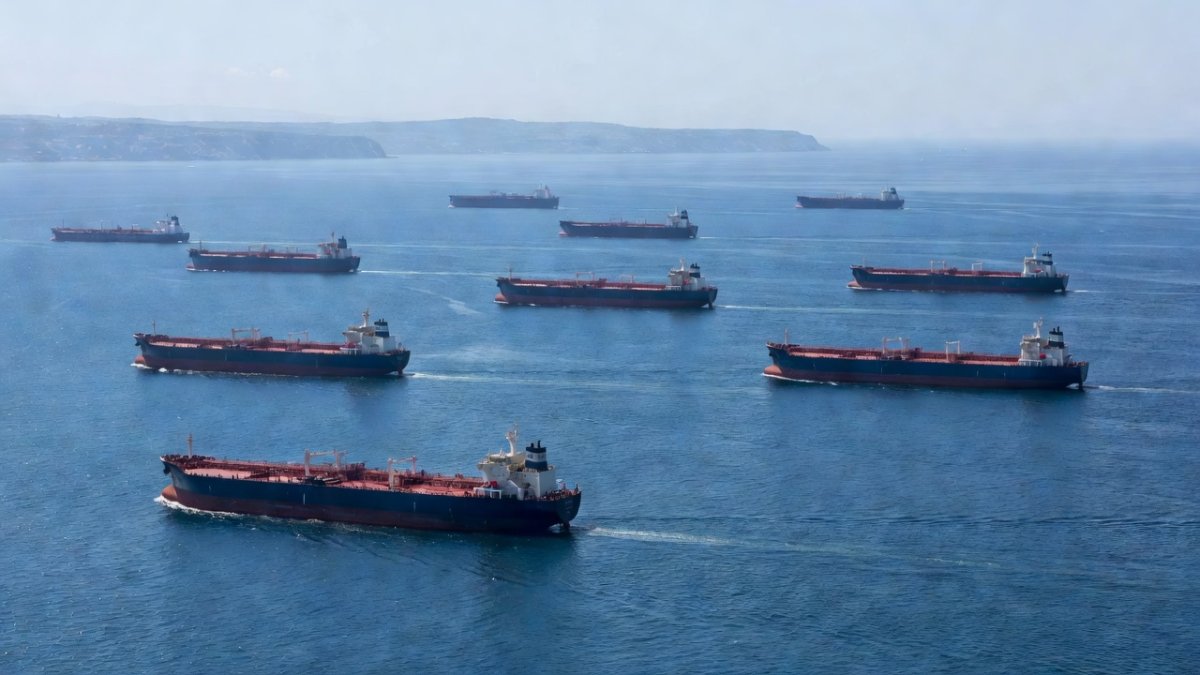
Energy Markets and the Strait of Hormuz
Restoring reliable navigation in the Strait of Hormuz within the MoU's 30-day target directly influences global oil and LNG flows. Approximately 20% of the world's oil passes through the 33-kilometer-wide chokepoint, making it one of the most strategically significant waterways on earth. Any sustained improvement in navigation security would ease pressure on energy prices and support Gulf diversification away from pure hydrocarbon dependence. Conversely, delays or renewed incidents could tighten markets and strengthen the hand of Russia and China in offering alternative energy partnerships and security guarantees. The $3 billion phased release, while modest compared with the proposed $300 billion development fund, signals that Washington and Tehran are prepared to link financial incentives to concrete maritime and nuclear compliance steps.
Strategic Calculus: What Each Side Wants
The United States seeks verifiable limits on Iran's nuclear activities and a reduction in regional proxy activity without committing to a full return to the JCPOA structure that President Trump abandoned in 2018. Iran aims to secure phased sanctions relief and access to frozen funds while preserving core elements of its enrichment program and regional influence. Gulf Arab states want stability that protects their diversification timelines and avoids being drawn into renewed conflict. Israel prioritizes preventing Iranian nuclear breakout and containing Hezbollah and other proxies operating from Lebanon and Syria. Russia and China prefer a managed US-Iran accommodation that does not fully restore American dominance in energy markets or security arrangements across the Middle East. Each actor's leverage - US sanctions power, Iranian maritime disruption capacity, Gulf financial resources estimated at over $3 trillion in sovereign wealth funds, and Israeli military reach - will shape whether the hotline and phased releases evolve into durable implementation.
Regional Implications
If the hotline functions and the initial $3 billion release proceeds without disruption, the July Doha talks could mark the start of a cautious de-escalation track. Success would hinge on transparent nuclear inspection protocols and sustained Strait of Hormuz access. Failure risks renewed strikes and tighter energy markets. The involvement of Qatar and Pakistan as mediators illustrates how secondary powers can facilitate dialogue when direct US-Iran contact remains politically difficult. Over the coming months, the interplay between the 14-point MoU's technical provisions and broader regional dynamics - Abraham Accords normalization, Gulf diversification under Vision 2030, and accelerating great power competition between the United States, China, and Russia - will determine whether this round of indirect talks produces lasting strategic adjustment or merely another temporary pause in the Middle East's longest-running geopolitical confrontation.
By Malik Hassan, Staff Writer
This article was produced with AI-assisted research and editorial support. Reporting is based on sources cited in the article.
What's Your Reaction?
 Like
0
Like
0
 Dislike
0
Dislike
0
 Love
0
Love
0
 Funny
0
Funny
0
 Wow
0
Wow
0
 Sad
0
Sad
0
 Angry
0
Angry
0
Middle East Correspondent at Global1.News. Based in Beirut, covering politics, conflict, energy, and society across the Middle East. Brings context and depth to a region often reduced to headlines.









Comments (0)