
America's Wallet Is Shrinking — Retail Sales Drop 1% in March as Consumers Pull Back
America's Wallet Is Shrinking — Retail Sales Drop 1% in March as Consumers Pull Back Retail Sales Drop Beats Worst Expectations The Commerce Department reported retail sales fell 1% in March, far worse than the 0.4% decline economists had predicted. This sharp pullback signals consumers are feeling the squeeze from higher prices and tighter credit. Analysts note the drop exceed
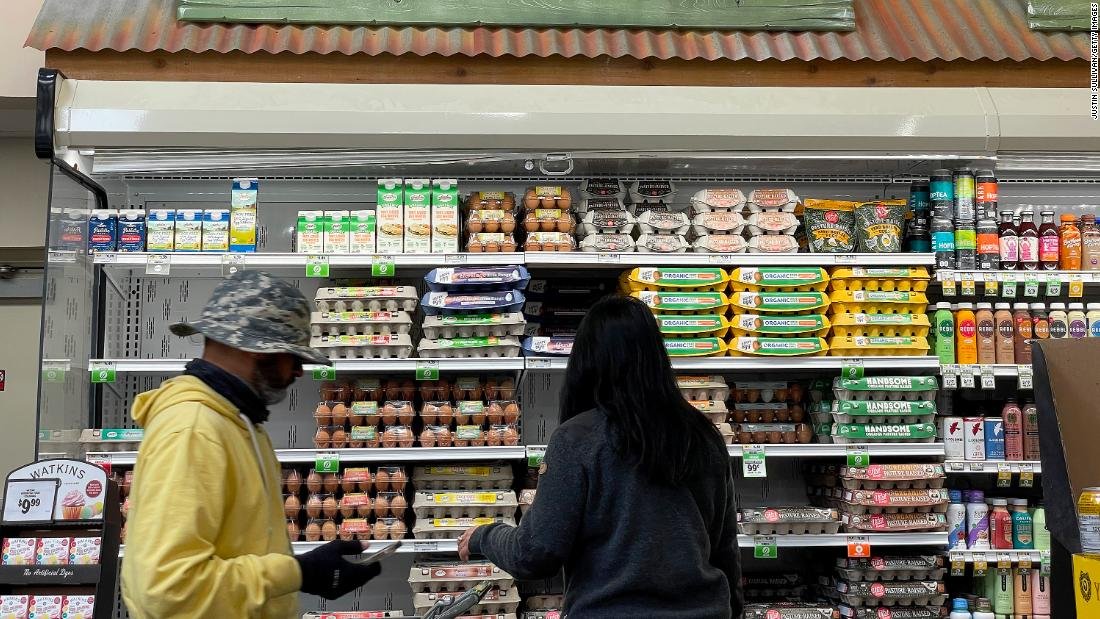
Retail Sales Drop Beats Worst Expectations
The Commerce Department reported retail sales fell 1% in March, far worse than the 0.4% decline economists had predicted. This sharp pullback signals consumers are feeling the squeeze from higher prices and tighter credit. Analysts note the drop exceeds forecasts by a wide margin, highlighting growing caution among households. The data paints a picture of an economy where spending momentum is fading quickly. Such a steep decline raises red flags for growth in the coming months as families reassess their budgets amid persistent inflation pressures.
Retail sales data from the Commerce Department serves as a key barometer for consumer health. The 1% drop in March surprised markets expecting only a modest 0.4% decline. This miss underscores how quickly sentiment can shift when wages fail to keep pace with costs. Experts view the report as evidence that the post-pandemic spending boom has run its course. Policymakers will likely scrutinize these figures closely when weighing future interest rate decisions amid signs of cooling demand.
March's retail sales contraction of 1% against a forecasted 0.4% decline reveals deeper cracks in consumer resilience. The Commerce Department figures show Americans dialing back purchases across multiple categories. This outcome exceeds pessimistic projections and suggests external shocks are hitting household finances hard. Retailers may face inventory gluts if trends continue. The report adds urgency to debates over whether the Federal Reserve's tightening cycle has gone too far.
Significance of the Commerce Department report lies in its breadth and timeliness. A 1% retail sales decline versus the expected 0.4% drop indicates broad-based weakness rather than isolated factors. Consumers appear to be conserving cash as uncertainty mounts. This data point could influence corporate earnings outlooks and hiring plans. Markets reacted swiftly, with investors pricing in higher recession odds following the release.
Tax Refund Shock Hits Household Budgets
The IRS issued just $84 billion in tax refunds during March, a sharp $25 billion shortfall compared to the same period last year. This gap leaves many families with less disposable income than anticipated. Aditya Bhave of Bank of America noted March typically delivers peak refund season, making the shortfall particularly painful. Households counting on these funds for big purchases or debt payments now face tough choices. The reduced payouts compound existing pressures from inflation and rising borrowing costs.
Lower tax refunds this March have rippled through the economy in unexpected ways. With $84 billion distributed versus $109 billion in 2022, the $25 billion difference represents real money missing from consumer pockets. Aditya Bhave emphasized how critical these refunds are for spring spending patterns. Many Americans use them to catch up on bills or fund vacations. The shortfall helps explain why retail sales disappointed so dramatically last month.
Families across income levels felt the tax refund squeeze in March. The IRS delivered $84 billion, down $25 billion from the prior year, according to fresh data. Bank of America's Aditya Bhave highlighted that March refunds usually provide a vital boost to household budgets. Without that cushion, discretionary spending has taken a hit. This development adds another layer of stress for consumers already navigating higher grocery and energy bills.
The $25 billion tax refund gap between this March and last year has forced many households to revise spending plans. Aditya Bhave from BofA stressed the importance of these payments during peak refund season. With only $84 billion issued, the shortfall is noticeable in everything from car purchases to home improvements. Consumers are prioritizing essentials over wants. This shift could linger into summer if refund patterns do not rebound.
Where Consumers Cut Back Most
General merchandise stores saw sales plunge 3% in March while gas stations dropped 5.5%. These steep declines reflect deliberate belt-tightening by consumers facing elevated prices. Durable goods purchases also slowed noticeably as shoppers delayed big-ticket items. The expiration of enhanced SNAP benefits in February removed another support layer for lower-income households. Together these factors paint a clear picture of selective retrenchment across key spending categories.
Department stores and gas stations bore the brunt of March's consumer pullback. Sales at general merchandise outlets fell 3% while gas station revenue dropped 5.5%. Higher fuel costs and reduced driving contributed to the latter figure. Meanwhile, the end of extra SNAP benefits in February hit grocery budgets for millions. Shoppers are choosing cheaper alternatives or cutting non-essential trips. Retailers in these segments will need to adapt quickly to survive the slowdown.
Ex-gas retail sales declined 0.6% in March even as they rose 2.9% year-over-year. This mixed picture shows underlying weakness masked by earlier gains. Consumers cut back sharply on general merchandise and fuel purchases amid tighter budgets. The February expiration of SNAP benefits further reduced food spending power for vulnerable families. Analysts see these trends as early warnings of broader economic softening ahead.
Durable goods and discretionary categories suffered most as households prioritized necessities. Gas stations posted a 5.5% sales drop while general merchandise stores fell 3%. SNAP benefit changes in February removed critical support for many families. Combined with higher interest rates, these forces are reshaping spending habits. Retailers report more cautious behavior across income brackets as uncertainty grows.
Wage Growth Slows as Labor Market Cools
Annual wage growth slowed to 4.2% in March, the smallest increase since June 2021. The Bureau of Labor Statistics reported 236,000 jobs added during the month, a solid but moderating pace. This combination suggests the labor market is gradually cooling without collapsing. Employers remain cautious about aggressive hiring as recession signals multiply. Workers may see smaller raises going forward if these trends persist.
The Bureau of Labor Statistics data shows wage growth at 4.2%, marking the slowest pace in nearly two years. Meanwhile, 236,000 jobs were added in March, indicating resilience but also a shift from earlier frenzy. Fed officials have cited such cooling as necessary to tame inflation. However, slower wage gains could further pressure household spending power. The balance between employment and compensation remains delicate.
With wage growth at 4.2% annually, the smallest since June 2021, workers are losing ground to inflation. The Bureau of Labor Statistics also tallied 236,000 new jobs in March. This labor market softening aligns with the Federal Reserve's recession forecast. Companies are hiring selectively while holding back on pay increases. Consumers feeling the pinch may cut spending even more in coming quarters.
The Banking Crisis Aftermath
The collapse of SVB intensified recession fears among consumers and businesses alike. Joanne Hsu from the University of Michigan noted that recent bank turmoil has left many households wary about the economic outlook. Sentiment surveys show rising anxiety over job security and financial stability. The banking stress adds another headwind to an already fragile spending environment. Policymakers must address these concerns to restore confidence.
SVB's failure amplified existing worries about a potential recession. University of Michigan's Joanne Hsu reported that consumer sentiment has deteriorated further in the wake of banking sector turbulence. Families are questioning the safety of deposits and the broader financial system. This uncertainty translates into reduced spending and increased saving. The aftermath could weigh on growth for several quarters.
Banking sector shocks like the SVB collapse have heightened recession probabilities in the eyes of consumers. Joanne Hsu of the University of Michigan highlighted how these events erode trust and prompt defensive financial behavior. Households are cutting back on big purchases while monitoring news closely. The Federal Reserve's dual mandate now includes restoring calm in addition to fighting inflation.
What the Experts Are Watching
Mastercard's Michelle Meyer pointed to income growth as the critical variable for future consumer strength. Without faster wage gains, spending may remain subdued even if jobs stay plentiful. Bank of America card data shows a clear slowdown in discretionary purchases. Experts are tracking these metrics closely for signs of stabilization. The year-over-year context remains important but monthly trends tell a more concerning story.
BofA card spending figures reveal a noticeable deceleration in consumer activity. Michelle Meyer from Mastercard emphasized that income growth must accelerate to support retail sales. Current wage trends suggest households will stay cautious. Analysts compare March data against last year's stronger baseline to gauge true momentum. These indicators will guide forecasts through the second half of the year.
Year-over-year retail sales rose 2.9% excluding gas, yet the monthly 0.6% drop signals fading momentum. Michelle Meyer of Mastercard and Aditya Bhave of BofA are monitoring income and card trends for clues. Slower spending growth could prompt businesses to scale back expansion plans. The experts agree that consumer resilience has limits in the current environment.
The Bottom Line for American Families
American families face tougher choices as retail sales weaken and refunds shrink. The Federal Reserve's recession outlook means interest rates may stay elevated longer than hoped. Practical steps include building emergency savings and delaying major purchases. Households should review budgets carefully to weather potential job market softening. These developments affect everyday decisions from groceries to vacations.
The Fed expects a recession that could bring higher unemployment and slower wage growth. Families need to prepare by cutting non-essential spending now. Practical implications include focusing on debt reduction and essential goods only. Joanne Hsu warned that many consumers are simply waiting for the other shoe to drop. This mindset could prolong the current slowdown in economic activity.
Readers should watch their own spending patterns against the national data showing a 1% retail sales drop. With the Fed forecasting recession, preparing for higher costs and possible layoffs makes sense. Building cash reserves and avoiding new debt are wise moves. The combination of lower refunds and cooling wages leaves little room for error in household planning.
Ultimately, the data points to prolonged caution among consumers. The Federal Reserve's recession call reinforces the need for prudent financial management. Families can protect themselves by tracking expenses closely and prioritizing necessities. Joanne Hsu captured the mood by noting many are waiting for the other shoe to drop. That uncertainty will shape spending well into the year ahead.
By Jessica Ali, Staff WriterThis article was produced with AI-assisted research and editorial support. Reporting is based on sources cited in the article.
What's Your Reaction?
 Like
0
Like
0
 Dislike
0
Dislike
0
 Love
0
Love
0
 Funny
0
Funny
0
 Wow
0
Wow
0
 Sad
0
Sad
0
 Angry
0
Angry
0

Editor-in-Chief at Global1.News. Atlanta-based journalist who cuts through the BS and tells it like it is. Lead anchor, host, and the voice you hear when the spin stops and the truth starts.














Comments (0)