
DOJ Clarifies Plunder Can Involve Private Funds
DOJ Clarifies Plunder Can Involve Private Funds The Department of Justice held a press briefing on Monday, July 6, to address questions arising from the arrest of Sen. Rodante Marcoleta in connection with an alleged plunder case. The case centers on an undeclared P75 million campaign donation from former congressman Mike Defensor and businessmen Joseph Espiritu and Aristotle Vi
DOJ Clarifies Plunder Can Involve Private Funds
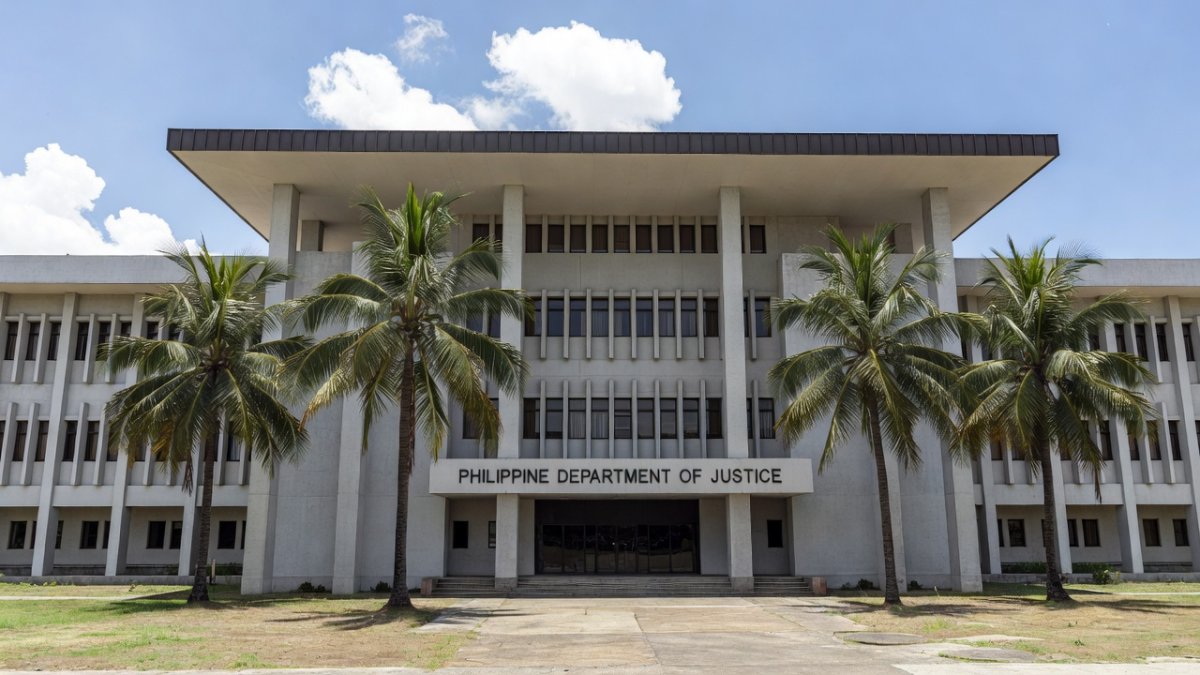
The Department of Justice held a press briefing on Monday, July 6, to address questions arising from the arrest of Sen. Rodante Marcoleta in connection with an alleged plunder case. The case centers on an undeclared P75 million campaign donation from former congressman Mike Defensor and businessmen Joseph Espiritu and Aristotle Viray during the 2025 midterm elections. Justice officials used the briefing to state that funds involved in a plunder case do not have to be public funds for prosecutors to pursue charges against a public officer.
This clarification came directly after the senator's arrest and the detention of the other individuals linked to the donation. The DOJ emphasized that the nature of the funds does not block the application of the law when a public officer is involved. The briefing provided the first official response to public questions about whether private campaign contributions could trigger plunder proceedings.
Ordinary Filipinos in barangays across the country feel the weight of such cases because campaign funds often influence which local projects reach their sari-sari stores or tricycle routes. When rules apply even to private money, residents see a signal that accountability reaches beyond government budgets and into the resources that shape daily services.
The Anti-Plunder Law and Six Forms of Ill-Gotten Wealth
Justice Undersecretary Nicholas Felix Ty explained the Anti-Plunder Law's definition of ill-gotten wealth during the same Monday briefing. He noted that the law identifies six instances that may be considered ill-gotten, including the direct or indirect receipt of any form of pecuniary benefits from any person in connection with any government contract or project or by reason of the office or position of the public officer. Ty stressed that a plain reading of the law shows public funds are not required for a prosecution on plunder.
The explanation focused on how benefits tied to a public position can qualify under the statute regardless of the money's origin. This reading allows prosecutors to examine transactions that occur because of the official's role rather than limiting review to state coffers. The six forms provide a broader framework for evaluating whether wealth was acquired improperly.
Jeepney operators and small vendors notice when enforcement broadens because local government contracts for routes or market stalls can involve similar benefit questions. Clearer standards help ensure that decisions affecting daily commutes or store permits rest on merit instead of undisclosed exchanges.
Presidential Decree 46 and Liability for Givers
Justice Undersecretary Ian Norman Dato added that the plunder law also covers gifts, commissions, and other benefits received by public officials by reason of their office under Presidential Decree 46. He described the 1972 anti-graft measure as still very much in force and noted that liability runs both ways, the giver and the receiver. Each separate transaction may be charged as a separate count.
The remarks highlighted how PD 46 extends scrutiny to both sides of a transaction when the benefit stems from an official position. This dual liability means prosecutors can examine the actions of donors alongside those of the public officer. The approach treats each instance as potentially distinct for charging purposes.
OFWs who send remittances that support family businesses watch these rules because local officials sometimes handle permits tied to overseas earnings. When both giver and receiver face exposure, residents gain reassurance that transactions involving barangay-level approvals carry consequences for everyone involved.
Article 211: No Specific Favor Required
Undersecretary Dato further cited Article 211 of the Revised Penal Code to outline liability that may arise even without a deal for a specific favor. He stated that a public officer who accepts a gift because of the office held can face charges. The elements are simple: the offender is a public officer, he accepts a gift, and the gift is given because of his office, not for any one identifiable favor.
This standard removes the need to prove a direct quid pro quo for every gift-related allegation. It focuses instead on the connection between the gift and the position itself. Prosecutors can therefore build cases around patterns of acceptance linked to official status.
Tricycle drivers who rely on local franchises see the practical effect when rules focus on the office rather than a single favor. Consistent enforcement at the barangay level can reduce situations where operators feel pressure to offer gifts simply to keep their routes active.
Three Suspects in Custody at Payatas
As of Monday, Sen. Rodante Marcoleta, former congressman Mike Defensor, and businessman Joseph Espiritu were in the custody of authorities. They were set to be detained at Payatas City Jail. The DOJ confirmed these three individuals were already under detention following the arrests tied to the campaign donation case.
The detention arrangements reflect the immediate steps taken after the charges were filed. Authorities moved quickly to secure the suspects at the designated facility. This development marks the current status of the individuals named in the proceedings.
Residents near Payatas and similar communities track detention outcomes because they illustrate how cases move from filing to custody. When public officials face the same facilities used for other detainees, it reinforces that legal processes apply evenly across different levels of society.
Marcoleta's Defense and Allegations
Sen. Rodante Marcoleta has denied the accusations against him. He alleges that the charges were meant to silence him and prevent him from exposing personalities linked to flood control corruption. The denial was issued as the three suspects prepared for detention at Payatas City Jail.
The senator's statement frames the case as an attempt to halt his public disclosures rather than a straightforward application of anti-graft statutes. This response came on the same day authorities confirmed the custody arrangements. The allegations introduce a political dimension to the legal proceedings.
Local government workers handling flood-related projects in provinces often see how such disputes affect community trust. When officials claim silencing, residents weigh whether ongoing infrastructure work in their areas will face delays or renewed scrutiny from both sides.
What This Means for Anti-Graft Enforcement
The DOJ's clarifications on Monday consolidate several legal provisions into a single enforcement message. By linking the Anti-Plunder Law, Presidential Decree 46, and Article 211 of the Revised Penal Code, officials have outlined a framework that treats private donations and gifts as potential subjects of scrutiny when tied to public office. The approach signals continued use of existing statutes without requiring new legislation.
Filipino citizens encounter these rules most directly through local transactions that determine access to services. When enforcement covers both public and private funds and holds givers accountable, barangay-level decisions on markets, transport, or permits gain an added layer of review that can protect household budgets and small enterprises from hidden costs.
By Bella Reyes, Staff WriterThis article was produced with AI-assisted research and editorial support. Reporting is based on sources cited in the article.
What's Your Reaction?
 Like
0
Like
0
 Dislike
0
Dislike
0
 Love
0
Love
0
 Funny
0
Funny
0
 Wow
0
Wow
0
 Sad
0
Sad
0
 Angry
0
Angry
0

Philippines/Southeast Asia Correspondent at Global1.News. Manila-based journalist covering Philippine politics, environment, maritime security, and social issues. Passionate about marine conservation and the communities protecting the Philippines' natural heritage.













Comments (0)