
India's Shield MCD Multi-Cancer Blood Test Launch 2026
India recorded 1.41 million new cancer diagnoses and over 900,000 deaths in 2022, accounting for roughly 9% of all non-communicable disease fatalities. On 3 July 2026, Zydus Lifesciences of Ahmedabad and Apollo Hospitals introduced the Shield MCD multi-cancer early detection test, marking the country's first commercially available blood-based screen for ten cancers from a singl
India recorded 1.41 million new cancer diagnoses and over 900,000 deaths in 2022, accounting for roughly 9% of all non-communicable disease fatalities. On 3 July 2026, Zydus Lifesciences of Ahmedabad and Apollo Hospitals introduced the Shield MCD multi-cancer early detection test, marking the country's first commercially available blood-based screen for ten cancers from a single draw. This development arrives at a time when India's cancer burden is rising sharply, with limited population-wide screening programmes reaching only a fraction of eligible adults.
The Shield MCD Test: What It Detects and How It Works
The Shield MCD test, developed by US-based Guardant Health under an exclusive agreement with Zydus Lifesciences, analyses methylation patterns on cell-free DNA fragments shed by tumours into the bloodstream. Unlike conventional screening methods that examine one cancer at a time through mammography, colonoscopy, or Pap smears, this test screens simultaneously for bladder, breast, colorectal, liver, lung, oesophageal, gastric, ovarian, pancreatic, and prostate cancers. It is indicated for adults aged 45 years and above who are at average risk of developing cancer. Apollo Cancer Centres became the first network to deploy the assay across its facilities, while Dr Dang's Lab in Delhi has also begun preparations to offer the test to patients.
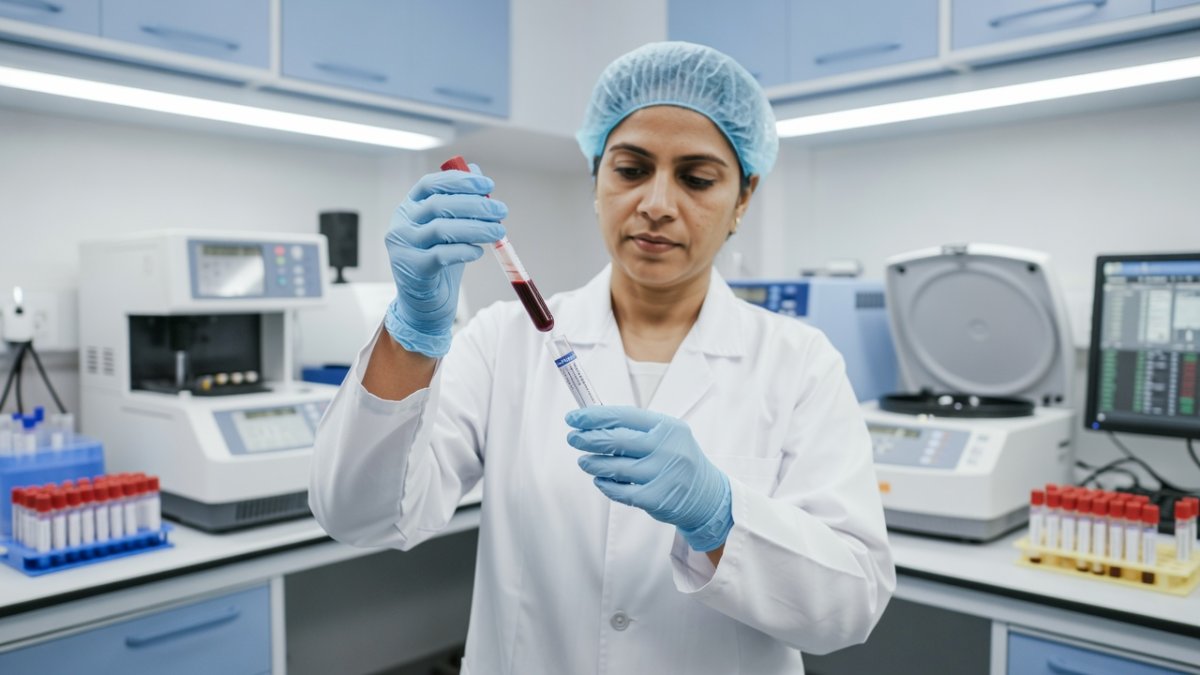
The technology requires approximately 10 millilitres of blood and returns results within 10 to 14 days. Because it targets epigenetic signatures rather than specific genetic mutations, the test can identify malignancies that currently lack organised screening programmes — particularly pancreatic, ovarian, and gastric cancers, which together account for a disproportionately high share of cancer deaths in India due to late-stage diagnosis. Zydus executives have stated that the assay will initially be positioned as a complement to existing screening modalities rather than a replacement for established protocols.
Performance Data: What the Studies Show
Guardant Health's US pivotal studies demonstrated 98% specificity for the Shield MCD test, translating to an exceptionally low false-positive rate. At the July 2026 ASCO Breakthrough meeting, investigators presented data from the SPOT-MAS study, one of the largest real-world evaluations of multi-cancer early detection technology. The study, involving more than 84,000 participants across six Asian countries, reported an overall sensitivity of 79% for confirmed cancers, a specificity of 99.9% in identifying individuals without cancer, and approximately 80% accuracy in predicting the organ of origin. These figures compare favourably with existing single-cancer screening tests and suggest that the technology can meaningfully reduce unnecessary follow-up procedures while catching cancers at earlier, more treatable stages.
[Watch India Today's coverage of multi-cancer blood tests featuring oncologist Dr Pritha Aravind HERE — https://www.youtube.com/watch?v=rCMO0rveFos]
However, real-world performance specifically within India's genetically diverse population remains to be validated through post-marketing surveillance coordinated with the Indian Council of Medical Research (ICMR). The SPOT-MAS study included participants from multiple Asian countries, but India-specific sub-group analyses have not yet been published. Researchers have emphasised that local validation is essential before the test can be integrated into national screening guidelines.
India's Cancer Burden: 1.41 Million Cases and Rising
Breast cancer remains the leading cause of cancer-related deaths among Indian women, while oral cancer continues to be the most common malignancy among men, driven largely by tobacco consumption. The 1.41 million incident cases recorded in 2022 are projected to rise significantly by 2030 due to population ageing, increasing tobacco use, and shifting dietary patterns. Alarmingly, only an estimated 5 to 10% of eligible adults currently undergo any form of organised cancer screening, according to Ministry of Health data. The introduction of a blood-based multi-cancer test could help address this critical detection gap by providing a less invasive, more accessible entry point into the diagnostic pathway.
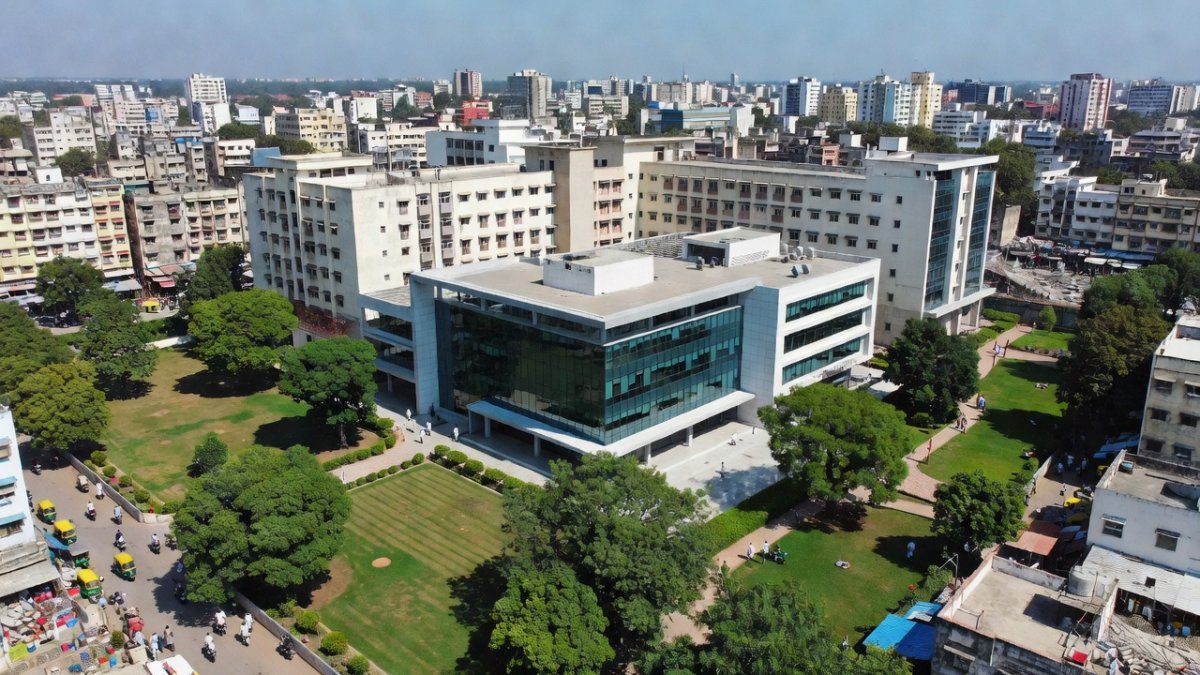
ICMR data reveal stark differences in stage at diagnosis across states. Southern and western states report 30 to 35% of breast cancers detected at stage I or II, whereas northern and northeastern states record fewer than 15% at early stages. These disparities translate directly into survival outcomes — patients diagnosed at stage I have five-year survival rates exceeding 90% for most cancers, while those diagnosed at stage IV face survival rates below 10%. The Shield MCD test could therefore have its greatest impact precisely in regions where screening infrastructure is weakest.
Regional Disparities in Cancer Screening Access
Screening coverage across Indian states remains highly uneven despite decades of policy attention. Tamil Nadu, Maharashtra, and Kerala have implemented state-level screening programmes achieving 25 to 40% coverage among women aged 30 to 69 for cervical and breast screening. In contrast, Uttar Pradesh, Bihar, and several northeastern states report coverage below 8%. Infrastructure shortages, low health literacy, inadequate primary-care workforce, and high out-of-pocket costs perpetuate these gaps. Multi-cancer blood tests, if priced competitively and deployed through existing primary health centre networks, could circumvent many of the logistical barriers that have prevented traditional screening from scaling in underserved regions.
Ayushman Bharat's Pradhan Mantri Jan Arogya Yojana currently reimburses cancer treatment but offers only limited support for preventive screening. Integration of Shield MCD into the programme's wellness component could produce substantial downstream savings — treating a stage IV cancer patient costs approximately three to five times more than treating a stage I patient, according to Ministry of Health estimates. However, state-level adoption will depend on negotiated pricing, supply-chain logistics, and formal endorsement by ICMR's screening guidelines committee.
Implications for Patients, Policy, and Public Health
For Indian patients, a single blood test capable of flagging ten different cancers offers unprecedented convenience and the possibility of earlier intervention. For families already bearing the catastrophic costs of late-stage cancer care — which frequently exhaust life savings and push households below the poverty line — even a modest improvement in early detection rates could have profound financial and emotional consequences. Dr Prathap C. Reddy, Chairman of Apollo Hospitals Group, stated, "The future of medicine lies not only in treating disease but in preventing it and detecting it at its earliest, most treatable stages. Our collaboration with Zydus Lifesciences marks an important milestone in advancing accessible, patient-friendly cancer screening solutions for the people of India."
From a policy perspective, the government must now decide whether to subsidise the test for high-risk populations and how to incorporate results into existing Ayushman Bharat digital health records. Long-term modelling by health economists suggests potential savings of ₹8,000 to ₹12,000 crore annually if stage migration improves by even 15% across the most common cancers. These estimates, while preliminary, underscore the transformative potential of blood-based screening if deployed at scale through public health infrastructure.

Limitations: Screening vs Diagnosis
Dr Pankaj Shah, a senior oncologist quoted in India Today's coverage, described the single-test concept as the "holy grail of diagnostics" while cautioning that "technological barriers" remain significant. Shield MCD is explicitly a screening tool and cannot replace mammography, colonoscopy, Pap smears, or tissue biopsy — the gold standard for definitive cancer diagnosis. A positive result does not confirm cancer, and a negative result cannot rule it out entirely. The test cannot determine cancer stage, grade, or molecular subtype, all of which are essential for treatment planning.
Like all screening tests, Shield MCD carries the risk of false positives, which can lead to unnecessary anxiety, invasive follow-up procedures, and increased healthcare costs. False negatives may provide false reassurance, potentially delaying diagnosis in symptomatic individuals. The undisclosed price of the test — comparable multi-cancer blood tests in India cost up to ₹1,00,000 — may initially limit access to affluent urban populations, raising equity concerns that the government will need to address through targeted subsidies or inclusion in public health programmes.
What This Means for India's Healthcare Future
The July 2026 launch signals a significant shift toward proactive, blood-based oncology in India's healthcare landscape. If Ayushman Bharat eventually covers Shield MCD, uptake could accelerate rapidly in states with stronger primary-care networks. AIIMS New Delhi and regional cancer centres are expected to lead implementation research to generate India-specific efficacy data. Over a five-year horizon, the test could help narrow the survival gap between India and high-income countries, where five-year survival for screen-detectable cancers already exceeds 70%. This launch also positions Zydus Lifesciences and Apollo Hospitals at the forefront of India's emerging precision diagnostics market, which analysts project will grow at 18-20% annually over the next decade.
The Bottom Line
India's first multi-cancer blood test represents both extraordinary promise and considerable responsibility. With 98% specificity, robust Asian performance data from the SPOT-MAS study involving over 84,000 participants, and strategic partnerships between Zydus Lifesciences and Apollo Hospitals, Shield MCD has the potential to transform early cancer detection in India. Success will ultimately hinge on three factors: affordable pricing that makes the test accessible beyond elite urban hospitals; rigorous India-specific validation through ICMR-coordinated studies; and deliberate integration with Ayushman Bharat and state-level health programmes to ensure equitable access across all states and socioeconomic strata. The technology exists — now the policy framework must follow.
— By Dr. Raj Patel, Staff Writer
This article was produced with AI-assisted research and editorial support. Reporting is based on sources cited in the article.
What's Your Reaction?
 Like
0
Like
0
 Dislike
0
Dislike
0
 Love
0
Love
0
 Funny
0
Funny
0
 Wow
0
Wow
0
 Sad
0
Sad
0
 Angry
0
Angry
0

India/South Asia Correspondent at Global1.News. Analytical voice with a background in science and health journalism. Based in New Delhi, covering Indian politics, education, healthcare, technology, and policy. Breaks down complex data into clear, actionable reporting.















Comments (0)