
Is Putin on the Back Foot? Ukraine War Enters Critical Phase as Fuel Crisis Grips Russia
In a recent BBC News report from The Global Story programme, host Asma Khalid examines whether Vladimir Putin finds himself on the back foot as the war in Ukraine enters a critical new phase, with Ukrainian drones now striking deep inside Russian territory and fuel shortages spreading across the country. Is Putin on the Back Foot? Ukraine War Enters Critical Phase as Fuel Crisi
In a recent BBC News report from The Global Story programme, host Asma Khalid examines whether Vladimir Putin finds himself on the back foot as the war in Ukraine enters a critical new phase, with Ukrainian drones now striking deep inside Russian territory and fuel shortages spreading across the country.
Is Putin on the Back Foot? Ukraine War Enters Critical Phase as Fuel Crisis Grips Russia
Moscow – 7 July 2026 — The NATO summit in Ankara comes at a pivotal moment as European leaders prepare to deliver a unified message to President Trump: the battlefield balance has shifted against Russia, and Vladimir Putin's rare admission of wartime problems signals a potential turning point in the conflict.
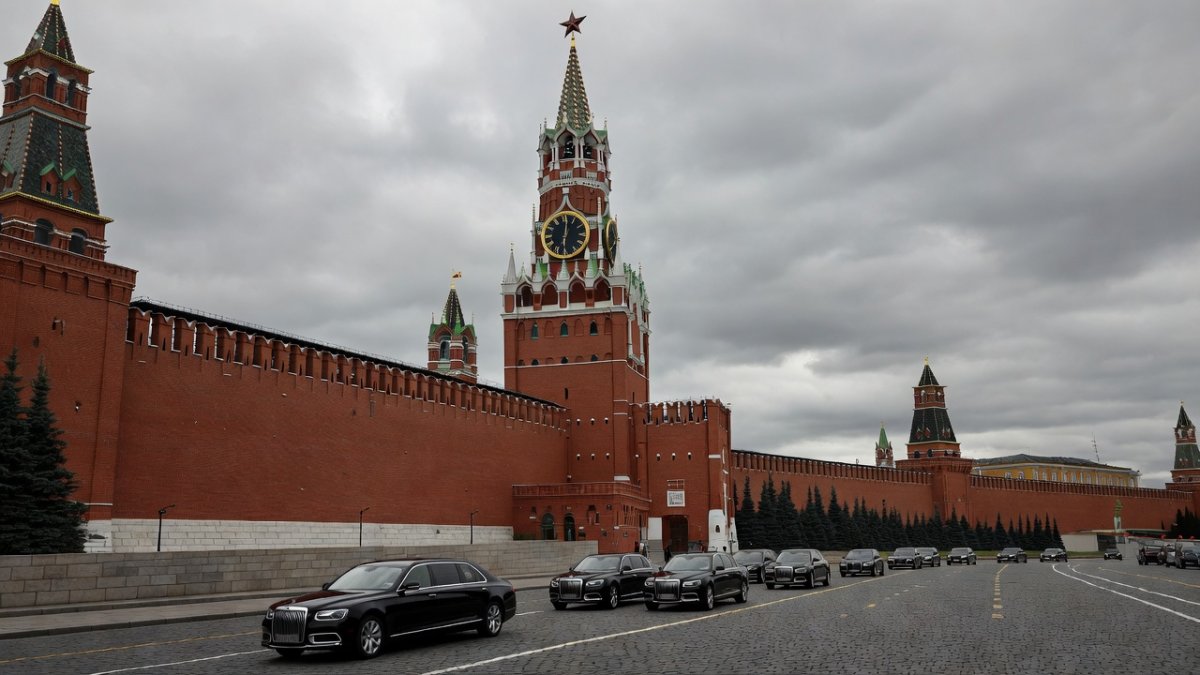
Putin's Rare Admission of Wartime Problems
Russian President Vladimir Putin made a rare public admission in late June that the country faces serious problems stemming directly from the conflict in Ukraine. Speaking during a meeting with regional governors, Putin acknowledged that Ukrainian drone strikes on energy infrastructure have created fuel shortages and broader economic strain. The Kremlin leader stopped short of detailing the full scope of the damage but confirmed that supply chains for refined petroleum products have been disrupted. Official statements from the Kremlin framed the difficulties as temporary, yet the admission itself marked a departure from the usual narrative of resilience promoted by the presidential administration.
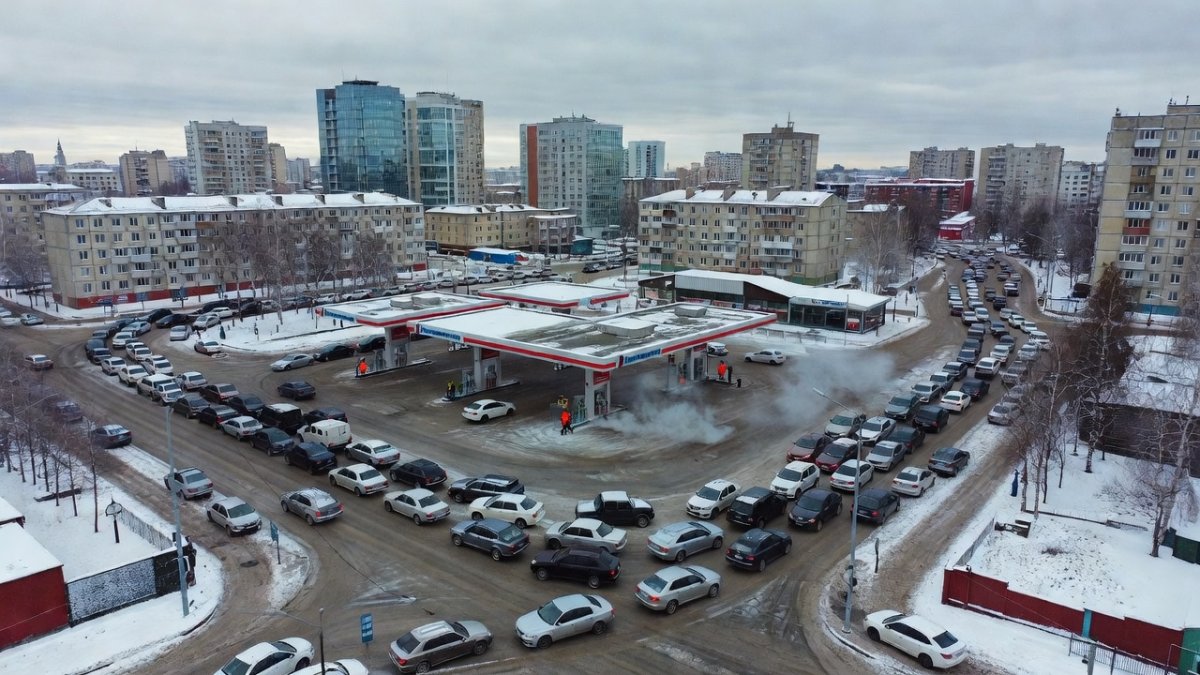
The fuel crisis has now spread across two-thirds of Russia’s regions, according to reporting by Politico. Long queues have formed at gas stations in multiple cities, while commercial trucks have been abandoned along highways when drivers could no longer obtain diesel. Several regional administrations have introduced rationing measures for agricultural and transport sectors. These developments represent confirmed facts on the ground, even as analysts interpret the shortages as evidence that Ukraine’s long-range drone campaign is beginning to affect daily life inside Russia in ways not seen since the early months of the invasion.
Analysts suggest that Putin’s willingness to acknowledge these strains publicly may reflect internal pressures within the Kremlin power structure, where competing factions could interpret any sign of hesitation as an opportunity to influence resource allocation decisions. This interpretation points to a possible recalibration among security and economic elites who have long balanced loyalty to the presidential administration with their own institutional interests.
Further analysis indicates that Russia’s economic relationship with China, while substantial in energy exports, may offer limited short-term relief for domestic fuel disruptions. Observers interpret Beijing’s cautious approach as a signal that Chinese policymakers prioritize stable long-term trade ties over immediate interventions that could draw secondary sanctions or complicate their own energy security calculations.
The Drone Campaign: Ukraine Takes the War to Russian Soil
Ukrainian drones have struck multiple oil refineries and storage facilities deep inside Russian territory in recent weeks. Facilities in regions far from the border have caught fire, forcing temporary shutdowns and reducing domestic fuel output. Russian air-defense systems have struggled to intercept the increasing number of low-cost, long-range drones launched by Ukraine. The frequency and reach of these strikes have grown steadily, according to the BBC Global Story episode, directly targeting the energy infrastructure that sustains both military logistics and civilian supply.
For most of the past four years, many Russians outside frontline-adjacent areas could treat the war as distant. That separation has narrowed. Drone alerts now sound in cities previously untouched, while fuel shortages force ordinary citizens and businesses to confront the conflict’s domestic costs. Putin’s admission that Russia is facing real problems reflects this shift. Observers suggest the change in public perception could gradually erode the sense of insulation that has allowed the Kremlin to maintain broad support for the military operation.
Interpretations from regional analysts frame the evolving public mood as a gradual shift rather than an abrupt reversal, with urban populations in particular beginning to weigh the visible costs of fuel rationing against earlier narratives of strategic success. This perception change could influence how regional governors communicate central directives to local populations in the months ahead.
Energy market implications extend beyond immediate shortages, as analysts suggest sustained pressure on Russian refining capacity may encourage European buyers to accelerate diversification away from any remaining indirect Russian product flows, even as global prices remain sensitive to supply uncertainty.
NATO Summit in Ankara: A Pivotal Moment
President Trump is scheduled to attend the NATO summit in Ankara on 7-8 July 2026 at the Presidential Complex. European leaders plan to convey that the balance on the battlefield has tilted against Russia, citing Ukraine’s successful drone strikes and Russia’s emerging fuel difficulties. The agenda includes defense spending targets, additional support packages for Ukraine, and expanded transatlantic industrial production of munitions and air-defense systems. Reuters reporting indicates that Trump intends to press European allies to increase their own defense budgets during the meetings.
Ukraine continues to face acute shortages of air-defense interceptors. President Zelensky has urged NATO members to release Patriot missiles from stockpiles, stating that leaving them in warehouses only encourages further Russian ballistic-missile attacks on Kyiv. In the most recent barrage, none of the 23 ballistic missiles fired were intercepted. This gap between battlefield requirements and political decision-making remains a central tension ahead of the Ankara discussions.
European and NATO perspectives, as interpreted by diplomatic observers, emphasize the importance of presenting a coordinated front that links Russia’s domestic economic strains to the broader argument for sustained collective defense commitments. This framing allows European capitals to position additional support for Ukraine as a matter of shared strategic interest rather than unilateral requests.
Analysts suggest that the summit’s outcomes on industrial production targets could shape whether European defense manufacturers gain the long-term contracts needed to reduce reliance on fluctuating political will in Washington, thereby affecting the durability of any new aid packages.
Crimea and the Strategic Picture
Putin’s difficulties extend to Crimea, where Ukrainian strikes have repeatedly targeted military and logistics sites. The vulnerability of the Kerch Bridge, already damaged in earlier attacks, continues to complicate Russian supply lines to the peninsula. These pressures affect Russia’s overall posture in the Black Sea and limit the operational freedom of the Black Sea Fleet. Simon Shuster, staff writer at The Atlantic and author of “The Showman,” noted during the BBC episode that sustained Ukrainian pressure on Crimea forces Moscow to divert resources that might otherwise support operations elsewhere.
Russia has maintained its own missile campaign against Kyiv even while confronting domestic fuel and infrastructure problems. Both sides are now striking deep into each other’s territory, creating a more symmetrical conflict than existed in earlier phases. This dynamic suggests a strategic stalemate in which neither side can achieve decisive gains without significant external support or changes in political will.
Interpretations of the Black Sea theater highlight how logistical constraints in Crimea may compel Russian planners to reassess force posture across the southern theater, potentially creating ripple effects on operations that depend on secure maritime resupply routes.
Peace Negotiations: Where Does This Leave Diplomacy?
Putin has previously rejected direct talks with President Zelensky, most recently in early June. The Kremlin continues to insist that any negotiations must address what Moscow describes as the “root causes” of the conflict, including NATO expansion and Ukrainian neutrality. President Trump has repeatedly signaled his desire to broker a settlement, yet the recent battlefield developments may alter the leverage each side brings to any future table. European officials at the Ankara summit are expected to argue that Russia’s economic vulnerabilities strengthen Ukraine’s negotiating position.
Simon Shuster’s reporting emphasizes the generational devastation affecting both countries. Demographic losses, economic dislocation, and infrastructure damage will shape the parameters of any settlement. A negotiated outcome would need to account for these long-term realities rather than simply freezing current lines of contact, according to analysts familiar with the region’s post-Soviet dynamics.
Analysts interpret Russia’s insistence on addressing broader geopolitical grievances as a negotiating posture that may become harder to sustain if domestic economic pressures continue to mount, potentially narrowing the window for Moscow to extract maximalist concessions.
Further analysis suggests that European perspectives at the summit may stress the value of linking any diplomatic process to verifiable measures that address Ukraine’s security concerns, thereby aligning negotiation parameters with the demonstrated battlefield shifts.
Analysis and Implications
The NATO summit in Ankara represents a potential inflection point. Russia’s economic vulnerabilities have been exposed more clearly than at any previous stage, while Ukraine has demonstrated resilience through its drone campaign despite critical air-defense shortages. President Trump’s role remains a wildcard; his approach to defense spending and Ukraine support will influence whether additional resources reach Kyiv in time to sustain recent momentum. European capitals will watch closely for signals that Washington intends to maintain or reduce its commitment.
Putin’s rare admission of wartime problems may mark a turning point in how the conflict is perceived inside Russia. The war is now felt in Russian cities with an intensity previously reserved for Ukrainian ones. What follows will depend on NATO’s decisions in Ankara and Ukraine’s ability to maintain pressure through its drone operations. The coming weeks will test whether these converging pressures translate into meaningful shifts at the negotiating table or simply prolong the current attrition.
Interpretations of the broader strategic picture suggest that Russia’s exposure to fuel and logistics constraints could influence how Chinese economic partners calibrate future energy deals, weighing commercial opportunities against the risk of entanglement in secondary sanctions regimes.
Overall analysis indicates that the convergence of domestic economic strain, Ukrainian operational reach, and allied diplomatic coordination may create conditions in which both sides reassess the costs of continued attrition, though the precise timing and form of any diplomatic movement remain subject to decisions taken in Ankara and beyond.
By Irina Volkov, Staff Writer
This article was produced with AI-assisted research and editorial support. Reporting is based on sources cited in the article.
What's Your Reaction?
 Like
0
Like
0
 Dislike
0
Dislike
0
 Love
0
Love
0
 Funny
0
Funny
0
 Wow
0
Wow
0
 Sad
0
Sad
0
 Angry
0
Angry
0

Russia/Eastern Europe Correspondent at Global1.News. Covering Russian politics, energy, security, and the shifting dynamics of the post-Soviet space. Provides clear-eyed analysis on one of the world's most opaque regions.











Comments (0)