
Inside Israel's Torture Prison Camps
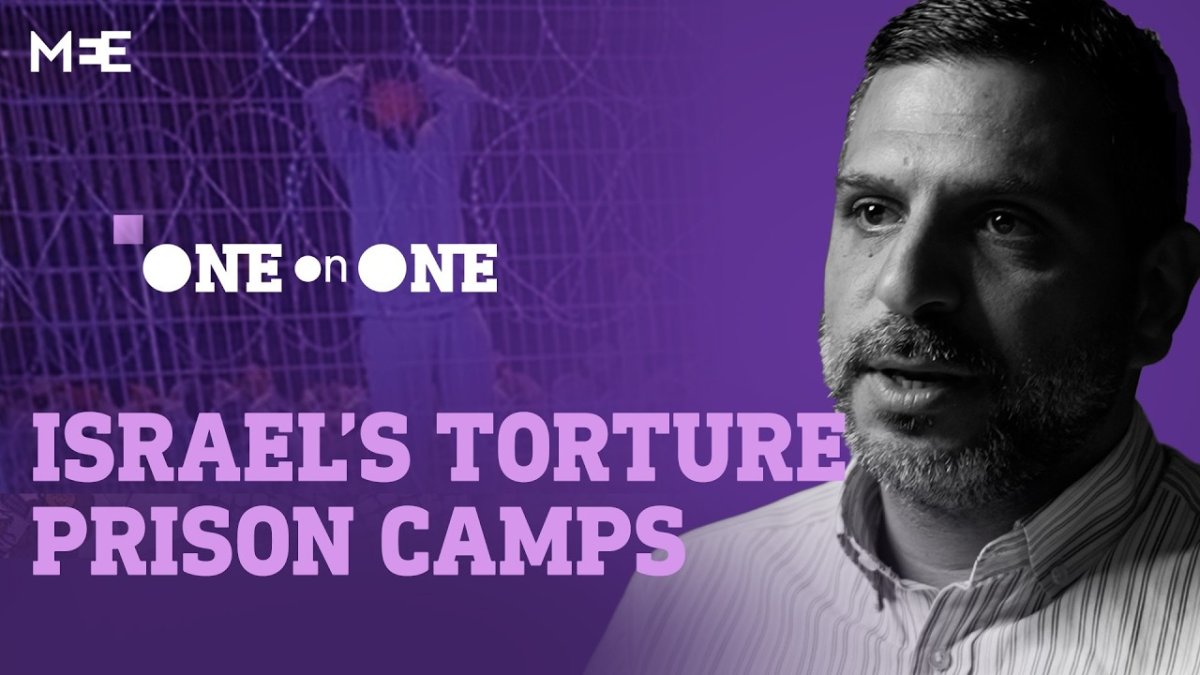
In a recent Middle East Eye report, lawyer Khaled Mahajna describes conditions inside Israeli detention facilities where Palestinian detainees have faced systematic torture and sexual violence since October 2023. The interview draws on his direct visits to multiple sites and conversations with dozens of survivors, revealing patterns of abuse that extend across at least 30 known
In a recent Middle East Eye report, lawyer Khaled Mahajna describes conditions inside Israeli detention facilities where Palestinian detainees have faced systematic torture and sexual violence since October 2023. The interview draws on his direct visits to multiple sites and conversations with dozens of survivors, revealing patterns of abuse that extend across at least 30 known prisons and military camps holding between 9,000 and 10,400 Palestinians.
Inside Israel's Torture Prison Camps: Palestinian Testimonies of Systematic Abuse
Occupied Palestine – 6 July 2026 — The accounts gathered by Mahajna, a lawyer with the Commission of Detainees and Ex-Detainees Affairs, are part of a growing body of evidence that human rights groups say points to a systematic policy of abuse against Palestinian prisoners.
The Scale of Detention Since October 2023
Israeli authorities have expanded the use of existing prisons and converted additional facilities into military camps under the Unlawful Combatants Law. This legislation, broadened in recent years, permits extended detention without judicial oversight or formal charges. Current figures indicate at least 9,000 Palestinians remain in custody, many classified under administrative detention provisions that allow indefinite holding based on secret evidence. These numbers reflect arrests from Gaza, the West Bank, and East Jerusalem, affecting families across Palestinian society and disrupting local economies already strained by movement restrictions.
B'Tselem's January 2026 report titled Living Hell documented consistent accounts of overcrowding, denial of medical care, and physical violence in these facilities. The organization recorded cases where detainees received no access to lawyers or family visits for months, leaving communities in Gaza and the West Bank without information about missing relatives.
Documented Patterns of Sexual Violence
Euro-Med Monitor's April 2026 report concluded that sexual violence against Palestinian detainees constitutes organized state policy endorsed at the highest political, military, and judicial levels. Field researcher Khaled Ahmed noted that survivors described events with precision, as though the scenes remained etched in memory despite the passage of time. Many victims hesitated to speak publicly due to fears of reprisals and social stigma attached to sexual abuse in Palestinian communities.
One 42-year-old woman detained at Sde Teiman recounted being bound naked to a metal table and subjected to repeated rape by masked soldiers over two days, with the assaults filmed. A 35-year-old man identified as Amir described soldiers forcing him to strip before military dogs urinated on him and penetrated his anus in a trained manner while he was beaten. Another survivor, 43-year-old Wajdi, reported being shackled to a metal bed and raped repeatedly by soldiers and a trained dog, stating he wished for death amid the bleeding.
Conditions Inside Sde Teiman and Other Camps
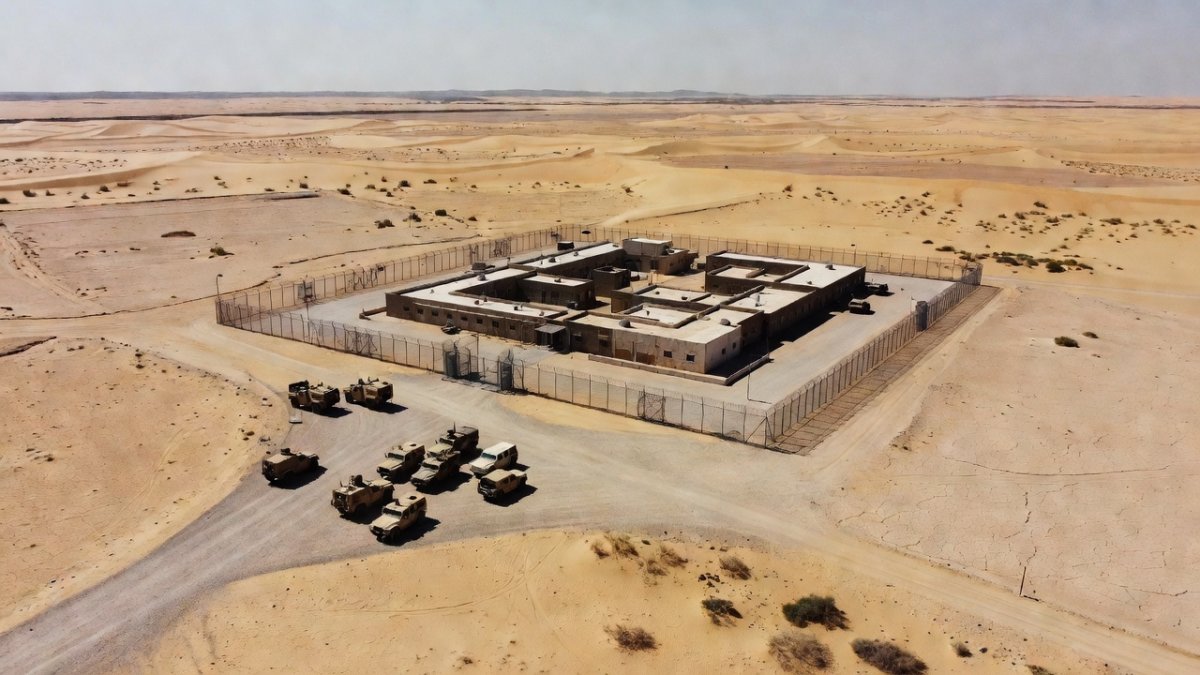
Khaled Mahajna characterized Sde Teiman as more horrific than Abu Ghraib and Guantanamo based on survivor accounts he collected. He described one incident in which a soldier inserted a fire extinguisher nozzle into a prisoner's anus and discharged its contents. These practices occurred alongside routine beatings, forced nudity, and prolonged shackling in positions that caused lasting physical damage.
Testimonies indicate that soldiers filmed assaults and later used the recordings for blackmail and intimidation. Detainees reported being threatened with distribution of the videos to family members or online platforms if they resisted further abuse or attempted to file complaints. Such tactics compounded the isolation already imposed by the lack of legal representation under the expanded Unlawful Combatants Law.
Absence of Accountability Mechanisms
Israeli authorities have denied that systematic abuse occurs inside the facilities. Mahajna observed that soldiers operate with near-total immunity, as internal investigations rarely result in prosecutions even when medical evidence and multiple witness statements exist. The legal system, he stated, has lost its moral compass by treating Palestinian detainees as outside the protections of ordinary criminal procedure.
Euro-Med Monitor documented how complaints filed by survivors or their families encounter repeated delays and demands for additional evidence that victims cannot safely provide. This pattern leaves individuals released from detention without recourse while still bearing physical and psychological injuries that affect their ability to work or care for dependents in Gaza and West Bank villages.
Effects on Palestinian Families and Society
Prolonged detention without charge removes breadwinners from households already navigating checkpoints, permit systems, and economic blockades. Women detainees who survive sexual violence often return to communities where stigma limits access to medical and psychological support. Children grow up with absent parents, while elderly relatives manage households under the added strain of medical costs from untreated injuries sustained in custody.
Mahajna emphasized that the cumulative effect extends beyond individual suffering to reshape daily life across the occupied territories. Families in Gaza report constant anxiety over possible arrest during raids, while West Bank communities adjust work and school schedules around the risk of sudden detention. These pressures reinforce existing patterns of displacement and economic fragmentation tied to the broader occupation.
Broader Implications for International Standards
The documented practices raise direct questions about compliance with international prohibitions on torture and cruel treatment. Reports from B'Tselem and Euro-Med Monitor provide detailed evidence that could support future legal proceedings, though no immediate mechanisms for enforcement have been activated. Palestinian civil society organizations continue to collect additional testimonies to preserve records for potential accountability efforts.
Survivors such as Amir and Wajdi have chosen to speak despite the risks, underscoring the determination within Palestinian communities to document events even when official channels remain closed. Their accounts, alongside those gathered by Mahajna, form part of an ongoing record of conditions inside the detention system as of mid-2026.
By Fatima Al-Rashid, Staff WriterThis article was produced with AI-assisted research and editorial support. Reporting is based on sources cited in the article.
What's Your Reaction?
 Like
0
Like
0
 Dislike
0
Dislike
0
 Love
0
Love
0
 Funny
0
Funny
0
 Wow
0
Wow
0
 Sad
0
Sad
0
 Angry
0
Angry
0
Gulf/MENA Correspondent at Global1.News. Based in Doha, covering Gulf politics, energy markets, diplomacy, and development across the Middle East and North Africa. Tracks the economic transformation of the Gulf states.












Comments (0)