
Bangkok Taxi Driver Blind After Assault Over 50-Baht Toll
Section One — The Assault at the Hotel in Samut Prakan On 12 April Supachai accepted a booking through his ride-hailing app to collect five Myanmar nationals from Bangkok's Mo Chit Bus Terminal and drive them to a hotel in Bang Phli district, Samut Prakan province. The passengers consisted of three men and two women who had just arrived in the capital and needed transport acros
Section One — The Assault at the Hotel in Samut Prakan
On 12 April Supachai accepted a booking through his ride-hailing app to collect five Myanmar nationals from Bangkok's Mo Chit Bus Terminal and drive them to a hotel in Bang Phli district, Samut Prakan province. The passengers consisted of three men and two women who had just arrived in the capital and needed transport across the busy northern routes. In keeping with Bangkok traffic culture, Supachai asked whether they wished to use the expressway to avoid heavy congestion that often builds along ordinary roads. The group appeared reluctant at first but eventually agreed, so Supachai paid the 50-baht toll in advance out of his own pocket, trusting that the passengers would reimburse him at the end of the trip. When they reached the hotel the app displayed a fare of 720 baht, and Supachai requested a total of 770 baht to cover the toll he had already paid. The passengers refused to pay the additional 50 baht and accused him of overcharging, breaking the basic trust known in Thai society as kwam wang jai that drivers extend to strangers every day. A male passenger in the front seat who could speak Thai tried to photograph Supachai, an argument broke out, and Supachai was repeatedly punched in the face until he lost consciousness while all five passengers fled without paying the fare.
The setting of Mo Chit Bus Terminal reflects the daily rhythm of Bangkok's gig economy, where thousands of ride-hailing drivers wait for bookings from travellers arriving from upcountry or abroad. Supachai, like many ordinary working people in the capital, relies on these short journeys to earn a living and support his household. The decision to take the expressway was made in good faith to spare the passengers the frustration of Bangkok traffic, yet it led directly to the dispute over the 50-baht toll. Community values in Thailand emphasise mutual respect during such transactions, and the sudden refusal to settle the small amount shattered that expectation. The presence of five passengers against one driver created an imbalance that left Supachai vulnerable in the confined space of his vehicle outside the hotel in Bang Phli district. Witnesses later noted that the group left the scene immediately after the confrontation, taking with them any chance for an on-the-spot resolution. This incident highlights how quickly a routine ride can turn into a matter requiring the Buddhist principle of yutitham, or justice, to restore balance for the injured party.
Supachai had extended the same courtesy he offers all passengers, asking about the expressway route in a polite manner that reflects Thai hospitality toward visitors. The 720-baht fare shown on the app represented the base cost for the journey from Mo Chit Bus Terminal to Bang Phli, while the extra 50 baht was simply the toll he had covered to keep the trip efficient. When the passengers rejected the total of 770 baht, the situation escalated beyond a simple payment disagreement into physical violence. The attempt by one passenger to photograph Supachai without consent further inflamed the moment, leading to the punches that caused him to lose consciousness. All five Myanmar nationals then abandoned the vehicle and the unpaid fare, leaving Supachai alone outside the hotel in Samut Prakan province. Such events test the community bonds that Thai society relies upon, especially when ordinary drivers like Supachai depend on the goodwill of passengers in the fast-paced gig economy of Bangkok. The location in Bang Phli district, a busy area with many hotels serving travellers, underscores how these incidents can occur in plain view yet still require formal intervention to achieve yutitham.
Section Two — Permanent Injuries at Bang Phli Hospital
Supachai regained consciousness at Bang Phli Hospital in Samut Prakan province, where doctors immediately diagnosed a fractured right eye socket, head trauma, and bleeding in the brain. Medical staff conducted further examinations that revealed severe damage to his right eye, resulting in permanent loss of vision in that eye. He continues to suffer from persistent headaches and dizziness that prevent him from performing even light tasks. Because of these injuries Supachai is no longer able to work as a ride-hailing driver, removing his primary source of income in Bangkok's competitive gig economy. He has since been officially registered as a person with a disability, a status that brings formal recognition but does not replace his lost earnings. The hospital in Bang Phli district provided the initial care after the assault that occurred just outside a nearby hotel, yet the long-term effects remain with him every day. This outcome affects not only Supachai but also his family, who depend on his daily contributions as an ordinary working person in the capital.
The diagnosis at Bang Phli Hospital confirmed that the repeated punches to the face caused irreversible harm to Supachai's right eye socket and surrounding tissues. Head trauma and brain bleeding required careful monitoring, and the permanent vision loss means he can no longer safely operate a vehicle in Bangkok traffic. Supachai's registration as a person with a disability followed directly from these medical findings, marking a permanent change in his life circumstances. Ordinary drivers in Thailand's ride-hailing sector rarely anticipate such life-altering consequences from a single booking, yet the 50-baht dispute on 12 April produced exactly that result. The hospital staff documented the injuries thoroughly, providing the evidence Supachai later presented to authorities. Community organisations in Thai society often step in to support individuals facing such sudden disabilities, reflecting the collective value placed on caring for those who can no longer work. Supachai's headaches and dizziness persist as daily reminders of the assault that began with a simple question about using the expressway from Mo Chit Bus Terminal.
At Bang Phli Hospital Supachai learned that the damage to his right eye could not be reversed, leaving him with only one functioning eye for the rest of his life. The combination of a fractured eye socket, head trauma, and brain bleeding created a medical situation that ended his ability to continue driving for ride-hailing platforms. Registration as a person with a disability came after discharge, granting him certain legal protections but not restoring his previous livelihood in Bangkok's gig economy. Many ordinary working people in the capital face similar vulnerabilities when disputes escalate without warning, and Supachai's case illustrates the human cost involved. The hospital in Samut Prakan province became the first place where the full extent of his injuries was understood, shifting his focus from earning fares to seeking recovery and justice. Thai cultural values rooted in compassion encourage communities to rally around individuals like Supachai during such times of hardship. The permanent nature of his vision loss underscores why thorough investigation of the incident remains essential for achieving yutitham.
Section Three — A Complaint at Bang Kaew Police Station
After being discharged from Bang Phli Hospital, Supachai reported the incident to Bang Kaew Police Station in Samut Prakan province. Investigators collected only the suspects' names and passport numbers from the ride-hailing app records. They did not obtain addresses, workplaces, or contact details that would allow further tracing of the five Myanmar nationals. Nearly three months after the 12 April assault, the case has shown little progress because police have yet to locate the suspects. Supachai filed his complaint through official channels, expecting the Royal Thai Police structure to follow standard procedures for such reports. The limited information gathered at Bang Kaew Police Station has left the investigation stalled at an early stage. This situation affects Supachai's ability to move forward while living with the permanent injuries sustained outside the hotel in Bang Phli district.
Supachai approached Bang Kaew Police Station with the details of the booking from Mo Chit Bus Terminal and the events that unfolded at the hotel in Samut Prakan. The officers recorded the names and passport numbers of the three men and two women but stopped short of gathering additional identifying information. Without addresses or workplaces, efforts to contact immigration authorities and recruitment agencies have produced no results. The nearly three-month delay since 12 April has left Supachai waiting for updates that do not arrive, testing his trust in the investigative process. Bangkok traffic culture often places drivers in close contact with passengers from many backgrounds, yet when disputes arise the lack of complete police records can hinder resolution. Community values in Thailand encourage reliance on formal institutions like the Royal Thai Police to uphold yutitham, yet incomplete documentation at Bang Kaew Police Station has prevented that from occurring. Supachai's complaint remains open, but the absence of key details continues to block progress toward locating the suspects.
Section Four — The Investigation That Stopped Before It Began
The investigation at Bang Kaew Police Station gathered only the suspects' names and passport numbers, leaving out addresses, workplaces, and contact details essential for locating the five Myanmar nationals. Inquiries with immigration authorities yielded no further information because the basic records were incomplete from the start. Recruitment agencies contacted by investigators also found nothing, as they lacked the necessary details to match the passengers to any employment records. This gap in procedure meant the case could not advance beyond the initial report filed after Supachai's discharge from Bang Phli Hospital. The 12 April incident at the hotel in Bang Phli district required prompt collection of full passenger information, yet that step was not taken. Ordinary working people in Bangkok's gig economy depend on thorough police work when disputes turn violent, and the missing details have left Supachai without resolution. The Royal Thai Police structure relies on accurate initial documentation to pursue justice under the principle of yutitham.
Supachai's experience shows how the absence of addresses and workplaces from the Bang Kaew Police Station report created an immediate barrier to tracking the suspects. Immigration authorities could not assist without these specifics, and recruitment agencies similarly had no way to identify the three men and two women involved. The investigation effectively stopped before meaningful steps could begin, despite the availability of the ride-hailing app data from the Mo Chit Bus Terminal booking. Nearly three months later, the lack of progress continues to affect Supachai's daily life in Samut Prakan province. Thai community values place importance on reliable institutions that protect citizens and visitors alike, yet incomplete records undermine that expectation. The failure to document full contact information at the outset has prolonged the uncertainty surrounding the 50-baht toll dispute that led to permanent injury. Supachai and others in similar situations look to proper police procedure as a foundation for restoring balance through yutitham.
Section Five — The Sai Mai Tong Rod Assistance Centre
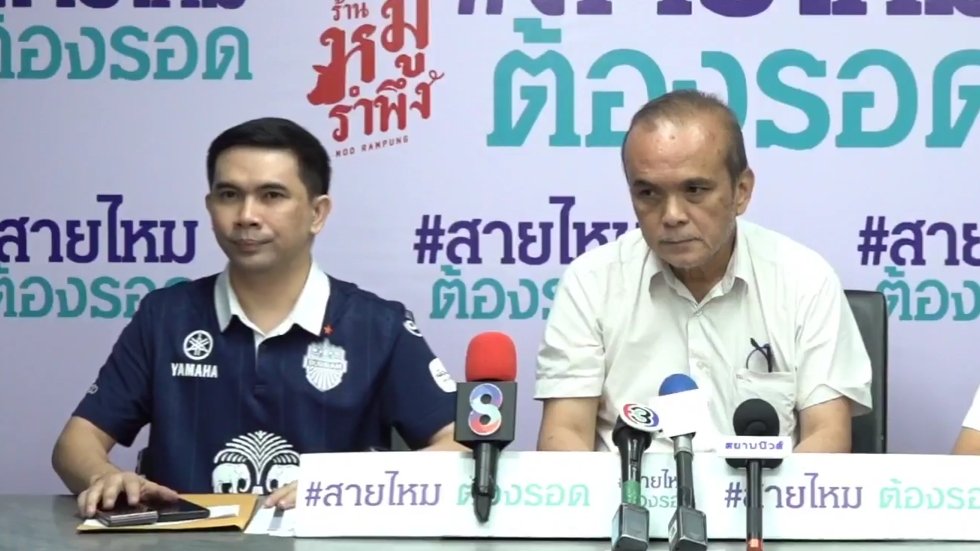
Supachai turned to the Sai Mai Tong Rod assistance centre in Bangkok after the stalled investigation at Bang Kaew Police Station left him without answers. Ekkapop Luangprasert, founder of the Sai Mai Tong Rod page, agreed to contact the superintendent of Bang Kaew Police Station to follow up on the case. The centre operates as a community assistance model that helps ordinary working people navigate official channels when individual efforts fall short. Ekkapop noted that CCTV cameras at the hotel in Bang Phli district could help identify the five Myanmar nationals involved in the 12 April incident. He urged police to expedite the investigation and bring those responsible to justice under the principle of yutitham. Supachai's registration as a person with a disability made the need for resolution even more urgent, as he can no longer earn income from ride-hailing work. The Sai Mai Tong Rod centre reflects Thai societal values of collective support for those facing hardship in the capital's gig economy.
Through the Sai Mai Tong Rod assistance centre, Supachai gained access to advocacy that directly addresses gaps in the Bang Kaew Police Station investigation. Ekkapop Luangprasert plans to speak with the station superintendent about obtaining the missing addresses and contact details of the suspects. The centre emphasises the use of available evidence, such as hotel CCTV footage from Bang Phli district, to move the case forward. This approach aligns with community expectations that organisations like Sai Mai Tong Rod will assist when formal processes stall. Supachai's situation, involving permanent vision loss and ongoing headaches, demonstrates why such community support remains vital for ride-hailing drivers in Bangkok. The founder has called for swift action to locate the three men and two women who fled without paying the 770-baht fare. By engaging the Royal Thai Police structure through established channels, the centre works to uphold trust and justice for affected individuals.
Section Six — Three Months Without Answers
Nearly three months have passed since the 12 April incident at the hotel in Bang Phli district, yet no arrests or charges have been made in Supachai's case. The investigation at Bang Kaew Police Station remains at a standstill because the suspects' addresses and workplaces were never recorded. Supachai lives each day with permanent vision loss in his right eye, persistent headaches, and dizziness that prevent any return to ride-hailing work. His registration as a person with a disability provides formal acknowledgment of his condition but does not ease the financial strain on his household in Samut Prakan province. Community support through the Sai Mai Tong Rod assistance centre has offered some assistance, yet the lack of progress from police continues to weigh heavily. Ordinary working people in Bangkok's gig economy face similar risks when disputes over small amounts like the 50-baht toll escalate without resolution. The timeline from the Mo Chit Bus Terminal booking to the present highlights the human impact of delayed justice under the principle of yutitham.
Supachai's daily life has changed completely since the assault, with vision loss and ongoing symptoms making even simple tasks difficult. Three months without updates from Bang Kaew Police Station have left him uncertain about whether the five Myanmar nationals will ever be located. The Sai Mai Tong Rod centre continues to advocate for use of hotel CCTV evidence, but concrete results have not materialised. This prolonged wait affects not only Supachai but also the broader community of ride-hailing drivers who rely on trust during passenger interactions. Bangkok traffic culture often requires quick decisions about routes and tolls, yet when those decisions lead to violence the absence of thorough investigation prolongs suffering. Supachai's case illustrates how incomplete police records can prevent the achievement of yutitham for ordinary working people. Community organisations remain essential in filling these gaps while formal processes lag behind.
Section Seven — The Vulnerability of Ride-Hailing Drivers in Bangkok
Bangkok traffic culture places ride-hailing drivers like Supachai in constant interaction with passengers from diverse backgrounds, requiring quick judgments about routes such as the expressway from Mo Chit Bus Terminal. The 50-baht toll dispute on 12 April shows how a small amount can escalate when trust, or kwam wang jai, is broken by refusal to pay the full 770-baht fare. Independent drivers in Thailand's capital gig economy often lack formal protections compared with employees of larger companies, leaving them exposed during disagreements at locations like the hotel in Bang Phli district. Supachai's permanent injuries and subsequent disability registration demonstrate the life-changing consequences that can follow from a single booking. The Royal Thai Police structure is expected to provide thorough follow-through in such cases, yet the limited collection of suspect details at Bang Kaew Police Station has hindered that process. Many ordinary working people in Bangkok depend on ride-hailing income, and incidents like this one reveal the need for stronger safeguards. Community values encourage mutual respect between drivers and passengers to prevent such outcomes.
The gig economy in Bangkok's capital relies on drivers extending courtesy to passengers, including questions about expressway use to avoid heavy traffic. When five Myanmar nationals refused the additional 50 baht after the app showed 720 baht, the situation moved beyond negotiation into violence that ended Supachai's ability to work. This vulnerability affects thousands of similar drivers who accept bookings without knowing how disputes might unfold. The lack of addresses and contact details in the Bang Kaew Police Station report has left Supachai without the justice he seeks through yutitham. Thai society places importance on protecting those who contribute daily to the city's movement and economy. Supachai's experience at the hotel in Samut Prakan province serves as a reminder that small payment disagreements can carry heavy costs when police investigation falls short. Community assistance models like Sai Mai Tong Rod help bridge these gaps for affected drivers.
Section Eight — Seeking Justice Through Community and the Law
The core facts of Supachai's case remain clear: on 12 April he accepted a booking from Mo Chit Bus Terminal to a hotel in Bang Phli district, paid a 50-baht toll, requested 770 baht total, and suffered permanent vision loss after an argument with five Myanmar nationals. Community organisations such as the Sai Mai Tong Rod assistance centre play a vital role in Thai society by supporting ordinary working people when official investigations stall at stations like Bang Kaew Police Station. Ekkapop Luangprasert has called for the superintendent to expedite the case using hotel CCTV evidence, reflecting the collective effort to achieve yutitham. Supachai's registration as a person with a disability and ongoing medical issues underscore the personal stakes involved in bringing those responsible to justice. The Royal Thai Police structure holds the authority to locate the suspects through proper documentation that was missing from the initial report. Bangkok's ride-hailing drivers continue to navigate traffic and passenger interactions daily, relying on trust and fair treatment to sustain their livelihoods. Community values in Thailand emphasise that justice for one individual strengthens the entire society.
Supachai's turn to the Sai Mai Tong Rod centre after nearly three months without progress illustrates how Thai communities rally around those facing hardship from gig economy work. The founder’s plan to contact Bang Kaew Police Station directly aims to address the incomplete records of names and passport numbers alone. This effort connects to broader societal expectations that police investigations will uphold the principle of yutitham for all parties. The impact on Supachai, who can no longer drive after injuries sustained outside the Bang Phli hotel, extends to his family and others in similar positions across Bangkok. By combining community advocacy with formal legal channels, the case highlights the importance of complete police procedures from the outset. Ordinary working people depend on both institutional reliability and collective support to recover from incidents that begin with routine bookings. The pursuit of justice in this matter remains essential for restoring balance in Thai society.
By Ann Srisawat, Staff Writer.This article was produced with AI-assisted research and editorial support. Reporting is based on sources cited in the article.
What's Your Reaction?
 Like
0
Like
0
 Dislike
0
Dislike
0
 Love
0
Love
0
 Funny
0
Funny
0
 Wow
0
Wow
0
 Sad
0
Sad
0
 Angry
0
Angry
0

Southeast Asia Correspondent at Global1.News. Based in Bangkok, covering Thai and Southeast Asian politics, economy, technology, and culture. Deep regional perspective on one of the world's most dynamic regions.














Comments (0)