
Japan's High-Tech Manufacturing Powers Olympic Athletes
**Meta Description:** Explore how Toray carbon fiber, Mizuno blades, and monozukuri precision give Japanese athletes an edge in track cycling, figure skating, snowboarding, and bobsled ahead of the 2026 Milan-Cortina Games. **Keywords:** Toray carbon fiber, Japanese manufacturing, Olympic sports equipment, monozukuri, Mizuno figure skating blades, 2026 Winter Olympics, Society
**Meta Description:** Explore how Toray carbon fiber, Mizuno blades, and monozukuri precision give Japanese athletes an edge in track cycling, figure skating, snowboarding, and bobsled ahead of the 2026 Milan-Cortina Games.
**Keywords:** Toray carbon fiber, Japanese manufacturing, Olympic sports equipment, monozukuri, Mizuno figure skating blades, 2026 Winter Olympics, Society 5.0, technology transfer, METI materials strategy, T800 carbon fiber, bobsled composites, track bike technology, aerospace materials, high-performance sports gear
Japan's manufacturing sector continues to redefine the boundaries of elite athletic performance through advanced materials and precision engineering. Companies such as Toray Industries and Mizuno leverage decades of aerospace-derived expertise to produce equipment that delivers measurable competitive advantages. This technological edge will prove especially critical as athletes prepare for the 2026 Winter Olympics in Milan-Cortina.
**Japan's Manufacturing Edge Powers Olympic Success** **Tokyo, July 2026**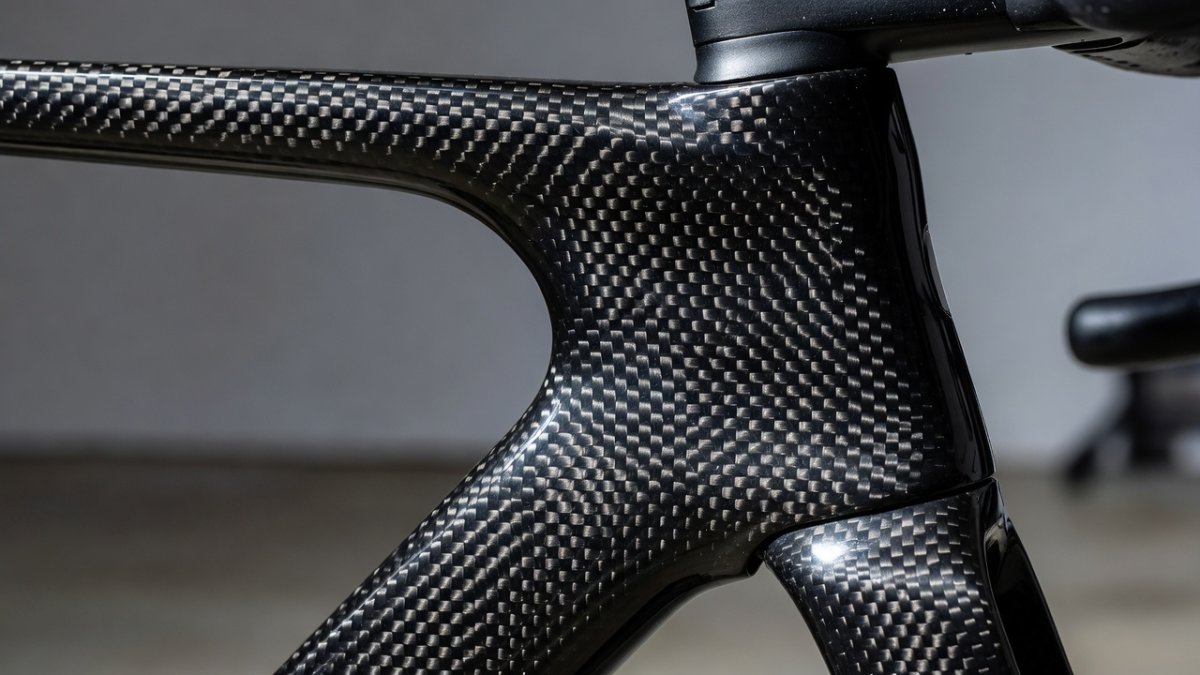
**Japan's Manufacturing Edge Powers Olympic Success** **Tokyo, July 2026**
Japan Manufacturing Edge in Elite Sports
Japanese firms have established an unmatched position in supplying high-performance equipment across multiple Olympic disciplines. Their dominance stems from integrated supply chains that combine raw material innovation with meticulous component fabrication. Athletes in track cycling, bobsled, figure skating, and snowboarding increasingly rely on these products to shave fractions of seconds or gain stability under extreme conditions. The competitive margin often comes down to weight reduction and structural rigidity. Carbon-fiber composites developed in Japan routinely achieve 30-50 percent weight savings compared with traditional metals while maintaining or exceeding strength requirements. This advantage translates directly into higher speeds on the track or greater maneuverability on snow and ice. Japanese Olympic track bikes, for instance, frequently exceed the price of a Porsche 911 due to their bespoke construction and exotic materials. Government support through the Ministry of Economy, Trade and Industry (METI) further strengthens this ecosystem. Strategic roadmaps prioritize advanced materials development that serves both sporting and industrial applications. The result is a virtuous cycle where Olympic demands accelerate material science breakthroughs that later benefit broader manufacturing sectors.Carbon Fiber Leadership from Toray Industries
Toray Industries commands approximately 34 percent of the global carbon fiber market, a position built on decades of continuous process improvement. Its T800 and T700 grade fibers have become standard in Olympic track bikes, bobsled runners, and adaptive sports wheelchairs. These fibers offer exceptional tensile strength-to-weight ratios that allow designers to create frames and components previously impossible with aluminum or steel. Production begins with polyacrylonitrile precursor fibers that undergo controlled oxidation and carbonization at temperatures exceeding 1,000 degrees Celsius. Toray's proprietary surface treatments enhance matrix adhesion, enabling composite parts to withstand the repeated high-impact loads encountered in bobsled runs or velodrome sprints. Each batch undergoes rigorous nondestructive testing to meet the exacting tolerances demanded by Olympic federations. The economic scale of Toray's operations allows consistent quality at volumes that smaller competitors cannot match. Long-term supply agreements with national Olympic committees and equipment manufacturers lock in material availability years in advance. This reliability has made Toray the default choice for teams seeking every possible performance increment ahead of Milan-Cortina 2026.
Precision Engineering for Winter Olympic Disciplines
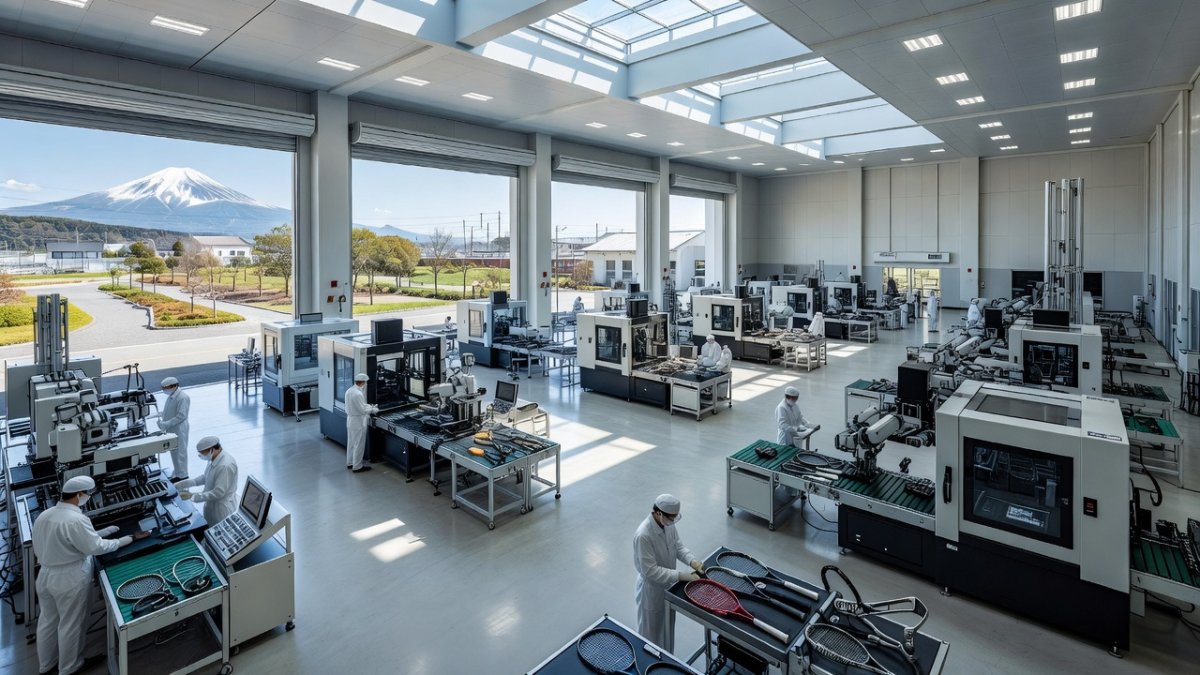
Mizuno applies similar rigor to winter sports equipment, particularly figure skating blades and snowboarding components. Its blades feature laser-cut profiles and cryogenic heat treatments that maintain edge sharpness across temperature fluctuations on the ice. The company's snowboarding gear incorporates carbon-fiber laminates tuned for specific flex patterns that enhance control during aerial maneuvers and high-speed carving. These products emerge from iterative prototyping cycles that combine computer-aided design with athlete feedback. Finite element analysis predicts stress distribution, while on-ice or on-snow testing validates real-world performance. The resulting equipment often incorporates micro-adjustment mechanisms that allow athletes to fine-tune setup between runs or programs. Japan's involvement extends beyond finished goods to the underlying production machinery. Specialized CNC mills and autoclaves developed domestically ensure that composite layups achieve void-free consolidation. This vertical integration reduces lead times and protects intellectual property critical to maintaining technological superiority.The Monozukuri Tradition in Modern Manufacturing
The Japanese concept of monozukuri, artisan manufacturing, remains central even as production incorporates digital controls and automation. Craftspeople oversee critical steps such as fiber alignment and resin infusion, applying tacit knowledge accumulated over generations. This human element complements robotic precision, catching subtle defects that sensors might miss. In Olympic equipment workshops, monozukuri manifests as obsessive attention to surface finish and dimensional accuracy. A single misplaced fiber tow can compromise an entire bike frame or bobsled cowling. Workers document every deviation and feed data back into process improvements, embodying continuous refinement. This cultural approach aligns naturally with the demands of elite sports, where marginal gains determine medal outcomes. Manufacturers treat each piece of equipment as a unique artifact rather than a commodity, even when producing small batches for national teams.
Technology Transfer Across Industries
Materials and processes refined for Olympic use migrate rapidly into automotive, aviation, and medical sectors. Toray's carbon fiber expertise, honed through sports applications, now appears in next-generation aircraft fuselages and lightweight electric vehicle battery enclosures. The same quality-control protocols developed for racing wheelchairs inform production of high-performance prosthetics. Conversely, aerospace-derived simulation tools accelerate sports equipment development. Computational fluid dynamics originally created for jet engine components now optimize snowboard aerodynamics. This bidirectional flow shortens innovation cycles and spreads development costs across multiple high-value markets. Society 5.0 initiatives further integrate digital twins and real-time sensor data into manufacturing workflows. Olympic prototypes can be virtually tested under thousands of loading scenarios before physical production begins, reducing waste and time-to-market.Economic and Policy Implications for Japan
METI's advanced materials strategy positions sports equipment as both an export driver and a technology showcase. Success at the Olympics generates global brand visibility that supports broader industrial sales. Japanese carbon fiber and composite exports have grown steadily, supported by the reputation earned in elite competition. Policy frameworks encourage collaboration between universities, national research institutes, and private firms. Joint projects targeting 2026 performance goals also generate intellectual property applicable to defense and renewable energy sectors. This coordinated approach maximizes return on public investment while maintaining commercial confidentiality. Challenges remain, including rising raw material costs and competition from Korean and Chinese producers. Japan counters these pressures through continued process innovation and emphasis on ultra-high-performance niches where quality trumps price.What to Watch For
Leading into Milan-Cortina 2026, expect further integration of embedded sensors that provide real-time feedback on equipment stress and athlete biomechanics. Toray and Mizuno are already piloting systems that transmit data via low-power wireless networks during training sessions. Watch for expanded use of recycled carbon fiber in lower-tier competition gear, preserving virgin material for Olympic-level applications. Regulatory scrutiny of equipment specifications will intensify, requiring manufacturers to demonstrate compliance without sacrificing performance. Finally, monitor technology transfer announcements linking Olympic programs to commercial aviation and automotive launches. These crossovers often signal the next wave of material advancements reaching wider markets. Japan's fusion of traditional craftsmanship with cutting-edge materials science ensures its manufacturers will remain indispensable partners for athletes chasing Olympic glory. The same expertise that produces world-record track bikes and championship blades continues to drive innovation across Japan's industrial landscape, reinforcing the nation's global leadership in advanced manufacturing.By Kenji Tanaka, Staff Writer
This article was produced with AI-assisted research and editorial support. Reporting is based on sources cited in the article.
What's Your Reaction?
 Like
0
Like
0
 Dislike
0
Dislike
0
 Love
0
Love
0
 Funny
0
Funny
0
 Wow
0
Wow
0
 Sad
0
Sad
0
 Angry
0
Angry
0

Kenji Tanaka
Japan Correspondent at Global1.News. Tokyo-based voice covering Japanese politics, technology, economy, and culture. Tracks the intersection of tradition and innovation in one of the world's most dynamic societies.















Comments (0)