
Gadi Eisenkot Challenges Netanyahu: Former IDF Chief Surges in Israeli Election Polls
In a revealing interview aired on the i24NEWS English YouTube channel on July 5 2026, Senior Correspondent Shai Israel sat down with Gadi Eisenkot at his party headquarters near the Morasha Interchange to discuss the upcoming October 27 national election. Eisenkot declared that his new Yashar party would open a new chapter in Israel's history, one far better than the current tr
In a revealing interview aired on the i24NEWS English YouTube channel on July 5 2026, Senior Correspondent Shai Israel sat down with Gadi Eisenkot at his party headquarters near the Morasha Interchange to discuss the upcoming October 27 national election. Eisenkot declared that his new Yashar party would open a new chapter in Israel's history, one far better than the current trajectory marked by division and institutional strain. The conversation highlighted Eisenkot's determination to position Yashar as the largest party within 120 days, emphasizing a Zionist and state-focused government built on the broadest national consensus that avoids paralysis in decision-making. This election marks the first nationwide vote since the October 7 attacks, placing security credentials and leadership trust at the forefront of voter considerations.
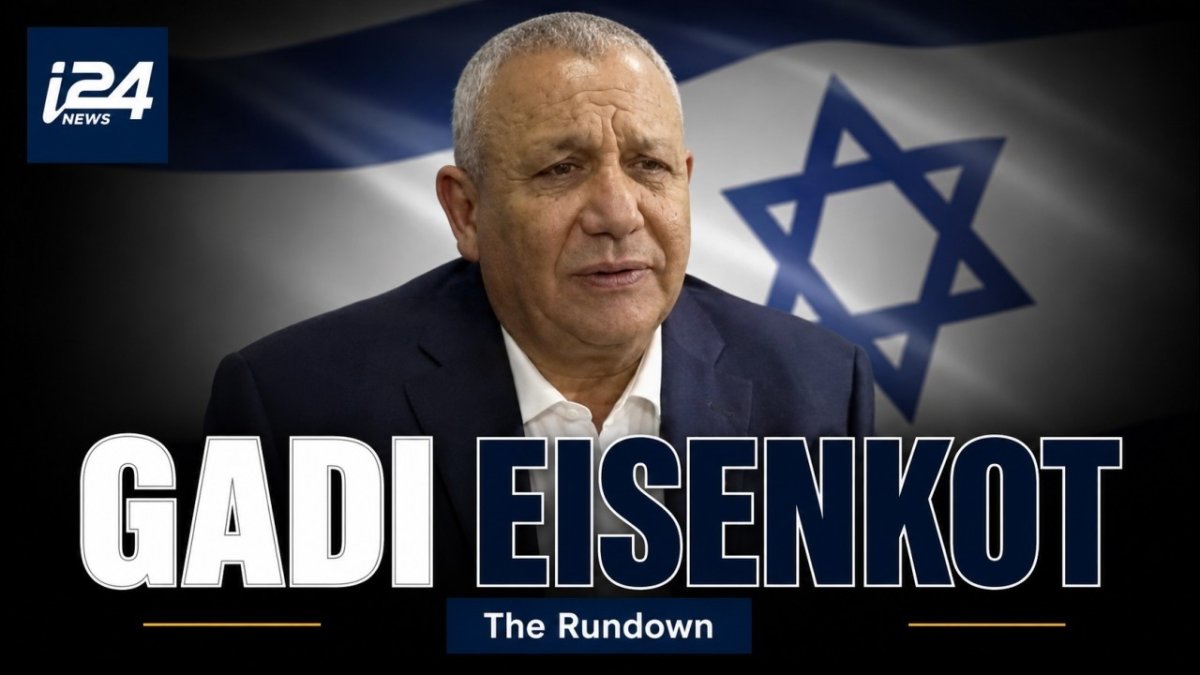
The i24NEWS Interview
Eisenkot stressed that what guides him above all is the explicit goal of winning the October 27 contest outright. He noted that partners would be required to assemble the broadest possible coalition yet refused to name potential allies at this early stage. The former IDF chief framed his approach as pragmatic rather than ideological, aiming to attract voters disillusioned by both the current coalition's survival tactics and the fragmented opposition. Analysts following the interview observed that Eisenkot's measured tone avoided alienating right-leaning security voters while signaling openness to centrist and moderate religious Zionist factions.
The interview also touched on the mechanics of forming a functional government. Eisenkot argued that any new administration must prioritize operational effectiveness over narrow sectoral interests. He pointed to recent legislative gridlock in the Knesset as evidence that consensus-based governance is essential for addressing long-term challenges such as military readiness and economic resilience. By focusing on victory metrics rather than immediate coalition math, Eisenkot positioned Yashar as a vehicle for institutional renewal rather than another iteration of existing political blocs.
Who Is Gadi Eisenkot?
Gadi Eisenkot served as IDF Chief of Staff from 2015 to 2019 after commanding the Northern Command, where he developed the Dahiyeh doctrine that applies disproportionate force against Hezbollah infrastructure to deter future attacks. His military record includes direct oversight of operations along the Lebanon border, giving him firsthand expertise in managing threats from Iranian-backed groups. This background becomes particularly relevant as Operation Roaring Lion continues against Iran and Hezbollah maintains pressure from Lebanon.
Eisenkot's personal losses during the Gaza campaign underscore his stake in the current security debate. His son, Master Sergeant Gal Eisenkot of the 551st Brigade's 699th Battalion from Herzliya, was killed in December 2023, along with two nephews. These tragedies prompted his resignation from the war cabinet and eventual split from Benny Gantz's National Unity party in September 2025. He then founded Yashar, whose name meaning straight, upright, and honest in Hebrew draws inspiration from hostage Eli Sharabi's call for politics focused on integrity rather than left-right divides.
The party's founding members bring institutional weight from across the security and bureaucratic spectrum. They include Shir Siegel, daughter of former hostage Keith Siegel, former Shin Bet chief Yoram Cohen, retired general Tal Russo, former Netanyahu director general Yoav Horowitz, ex-budget division head Shaul Meridor, and Orit Farkash-Hacohen. This roster signals an effort to rebuild public trust through figures with proven records in intelligence, military planning, and economic administration. The party headquarters at the Morasha Interchange serves as the operational base for the October 27 campaign.
Polling Surge and Political Landscape
A Channel 13 poll released July 2 showed Likud still leading but Yashar trailing by only one seat, marking a rapid rise for the new party. The Maariv poll conducted June 19 by Lazar Research among 501 respondents with a 4.4 percent margin of error found Yashar tied with Likud at 21 seats each. This result represented the first time Yashar overtook Naftali Bennett's Together party in national surveys. The opposition bloc excluding Arab parties reached a 61-seat majority while the current coalition held just 49 seats.
Likud has lost seven seats since the start of Operation Roaring Lion against Iran, reflecting voter fatigue with prolonged conflict management. Together, formed by the late April merger of Bennett and Yair Lapid's parties, has shed eleven seats since that consolidation. When combining Eisenkot's support with Together's numbers under his potential leadership, the total reaches 37 seats, four more than Bennett commanded alone. These shifts indicate growing dissatisfaction among voters seeking alternatives to both Likud and the Bennett-Lapid alignment.
Survey data also reveals that 49 percent of Israelis express concern over the Netanyahu-Trump rift and its implications for U.S. support. This anxiety amplifies Eisenkot's appeal as a security figure untainted by recent diplomatic tensions. The polling momentum suggests that four months of campaigning could further erode support for established parties if Eisenkot maintains focus on military reform and institutional credibility.
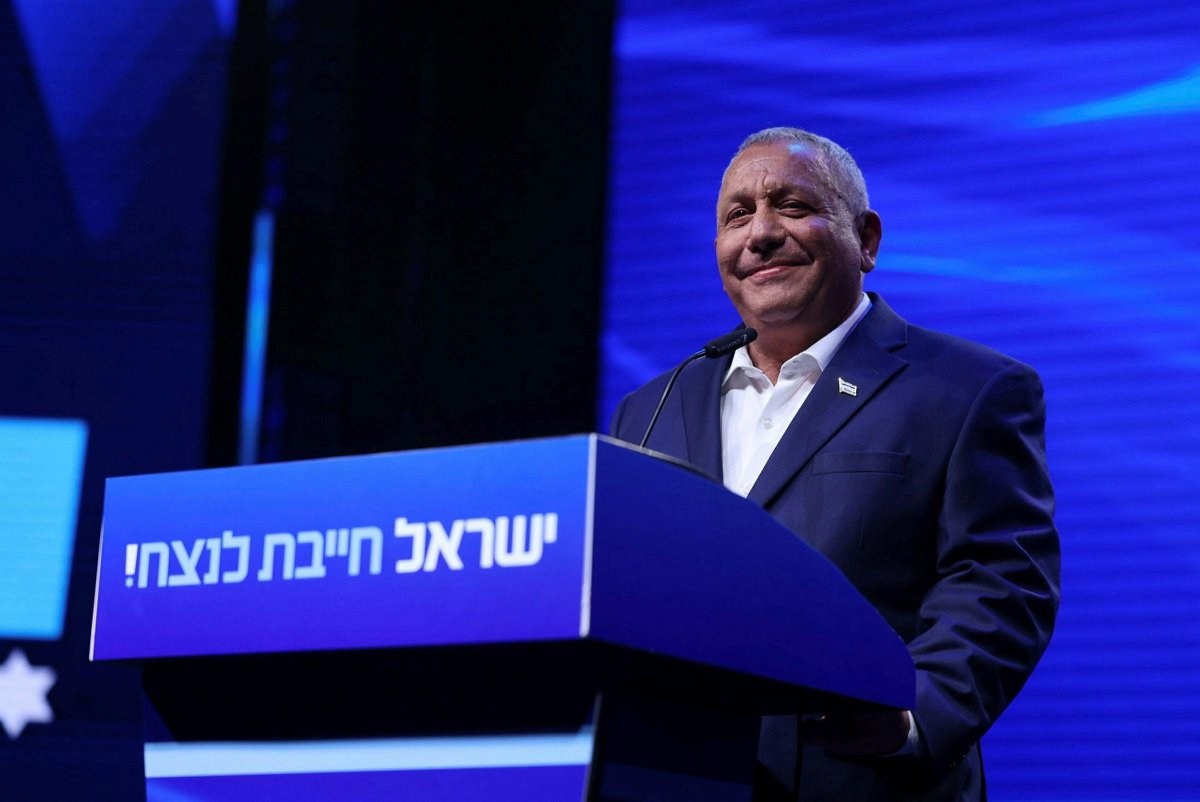
Campaign Platform — "Israel Must Win"
Yashar launched its campaign on July 1 at the D-ONE hall in the South Sharon Regional Council under the slogan Israel must win. The platform calls for an immediate state commission of inquiry into the October 7 intelligence and operational failures. Eisenkot has proposed expanding IDF ranks while easing the burden on active soldiers and reservists through a strict cap of 50 reserve duty days per year and 150 days over any three-year period. He has repeatedly stated that Israel possesses no privilege to repeat past mistakes in security planning.
The platform anchors itself in the principles of a Jewish and democratic state as outlined in the Declaration of Independence. It includes specific legislation to enforce haredi military service, contrasting with the Knesset Committee's recent approval of the Basic Law on Torah Study that would formalize exemptions. Eisenkot has criticized the current government for choosing its own survival at the expense of IDF strength, pointing to recruitment shortfalls and equipment delays as direct consequences.
Beyond security, the platform addresses PTSD care for veterans, expanded national service options, education system overhaul, economic stabilization measures, and immigration policies aimed at strengthening demographic balance. Each element ties back to the central theme that effective governance requires broad consensus rather than narrow coalition maintenance. Eisenkot argues these reforms are essential to restore deterrence and public confidence ahead of ongoing regional threats.
Rhetoric and Strategy
During the July 1 campaign speech Eisenkot avoided naming Benjamin Netanyahu directly yet delivered pointed criticism of the current leadership. He accused it of lying about the absence of alternatives to ongoing chaos and of fueling societal division without regard for the resulting costs. Eisenkot further charged that the government's sole method of maintaining power involves separating citizens from one another and that responsibility and personal example remain foreign concepts to those in charge.
His rhetoric also highlighted years of incitement and moves that contradict the national interest. This approach allows Eisenkot to critique without appearing overly partisan, preserving appeal among right-wing voters who prioritize security outcomes over personal attacks. The strategy centers on becoming the largest party first, then negotiating a broad consensus government rather than pre-committing to specific partners or mergers.
Eisenkot has stated he will only take steps that contribute to victory and refuses to discuss coalition scenarios prematurely. This flexibility aims to attract secular and religious Zionist parties wary of both Likud dominance and Bennett's recent merger. By focusing on shared national goals rather than ideological litmus tests, Yashar seeks to convert polling gains into a mandate for institutional reform over the next four months.
Regional and International Dynamics
Operation Roaring Lion against Iran remains active, creating a fluid security environment where Eisenkot's Northern Command experience with Hezbollah threats from Lebanon offers a direct contrast to Netanyahu's diplomatic track record. The ongoing conflict has intensified international pressure from the UN, EU, and other bodies regarding Gaza operations and civilian impacts. These external dynamics intersect with domestic debates over haredi exemptions, as the Knesset continues to weigh military service legislation amid recruitment shortfalls.
The strained Netanyahu-Trump relationship, which worries 49 percent of Israelis according to recent surveys, underscores questions about U.S. reliability during prolonged regional confrontations. Eisenkot's credentials as a former IDF chief provide voters with an alternative focused on operational deterrence rather than personal diplomacy. Regional developments, including Hezbollah positioning and Iranian responses, will likely shape voter priorities around institutional trust and military effectiveness in the October 27 contest.
First post-October 7 election dynamics place security performance and governance competence at the center of the race. Eisenkot's platform directly engages these issues by linking military reform to broader economic and social stability. How regional threats evolve between now and election day could determine whether his centrist security message resonates more strongly than established party narratives.
Analysis and What This Means
The central question remains whether Eisenkot can convert current polling momentum into an outright lead as the largest party by October 27. His inclusion of figures such as former Shin Bet chief Yoram Cohen and retired general Tal Russo provides institutional credibility that could help rebuild public trust eroded by recent governance failures. Coalition mathematics will hinge on whether secular and religious Zionist parties can unite under his leadership without fracturing along traditional lines.
Four months of campaigning will likely center on military reform details, economic recovery measures, and renewed deterrence strategies against Iran and Hezbollah. These themes carry direct implications for Israel's security posture, relations with the United States, and long-term policy toward Iranian nuclear ambitions. Success in attracting Bennett's former voters while maintaining right-wing support could reshape the opposition landscape.
The election outcome will influence Israeli politics for years by determining whether consensus-based governance becomes the norm or whether narrow coalitions persist. Eisenkot's emphasis on winning first and negotiating later offers a potential model for transcending existing divides, though execution will depend on sustained polling gains and effective outreach across ideological spectrums. Regional stability and institutional reforms will remain intertwined regardless of the final result.
By Hannah Berg, Staff WriterThis article was produced with AI-assisted research and editorial support. Reporting is based on sources cited in the article.
What's Your Reaction?
 Like
0
Like
0
 Dislike
0
Dislike
0
 Love
0
Love
0
 Funny
0
Funny
0
 Wow
0
Wow
0
 Sad
0
Sad
0
 Angry
0
Angry
0
Israel Correspondent at Global1.News. Based in Tel Aviv, covering Israeli politics, security, technology, and society. Provides balanced, deeply-sourced reporting on one of the most closely-watched regions in the world.













Comments (0)