
Iran Fires Missiles at Hormuz Ships US Considers Retaliation
The Attack: What We Know Listen up, because this one landed like a thunderclap in the middle of the night. Iran's Revolutionary Guards launched two missiles at commercial vessels threading the Strait of Hormuz on Monday, and the first confirmed target was a Qatari LNG tanker struck near the Omani coast. The second commercial ship took a direct hit as well, leaving both with ser
The Attack: What We Know
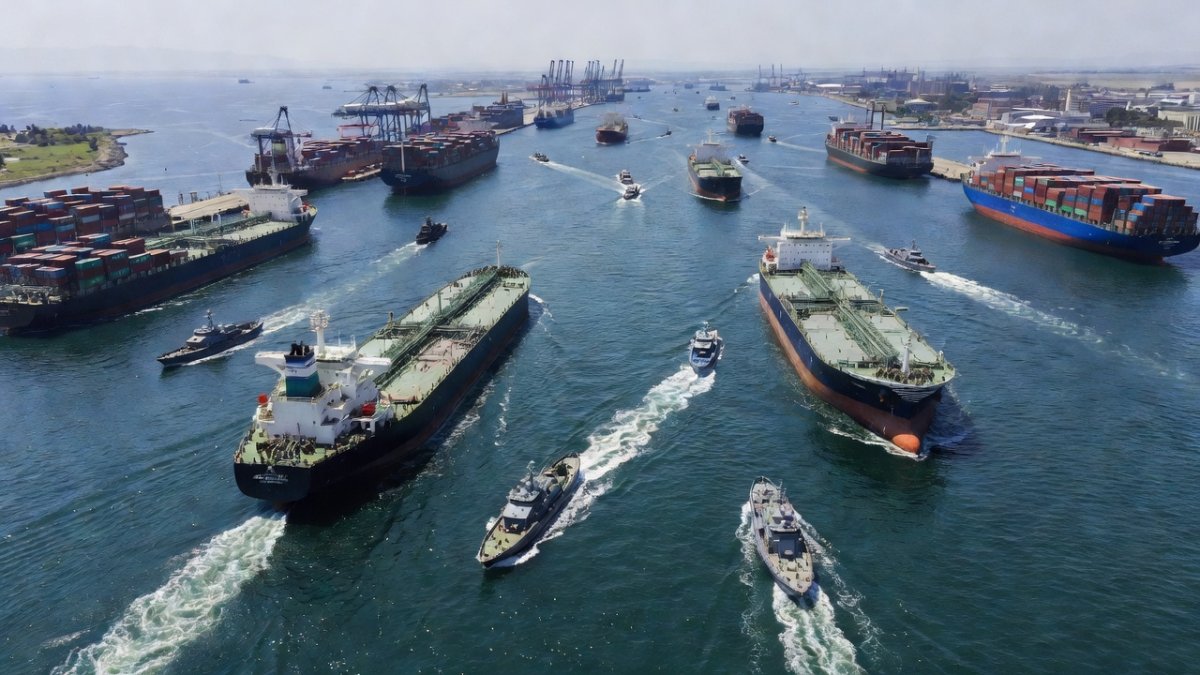
Listen up, because this one landed like a thunderclap in the middle of the night. Iran's Revolutionary Guards launched two missiles at commercial vessels threading the Strait of Hormuz on Monday, and the first confirmed target was a Qatari LNG tanker struck near the Omani coast. The second commercial ship took a direct hit as well, leaving both with serious hull damage but miraculously zero casualties reported so far. Axios, citing two senior US officials, broke the details overnight, and Bloomberg, AP, and the BBC quickly confirmed the strikes through maritime tracking data and regional sources. This wasn't some stray warning shot; it was a deliberate escalation right in one of the world's busiest shipping lanes.
What makes this even more brazen is the timing and the choice of targets. The Qatari tanker was carrying liquefied natural gas, a high-value cargo that underscores how Iran is willing to mess with energy flows far beyond just crude oil. The second vessel hasn't been publicly named yet, but The National and the Times of Israel report it was a general cargo ship transiting the same corridor. Both ships managed to limp toward safer waters, but the hull breaches are significant enough that repairs will take weeks and cost millions. No one died this time, yet the message from Tehran is crystal clear: the gloves are off and commercial traffic is now fair game.
I'm not buying the usual Iranian denials that will probably surface by tomorrow. The IRGC has a long track record of these kinds of shadow operations, and the fact that the missiles came from coastal batteries or fast boats operating under Revolutionary Guard command points straight to deliberate state action. This wasn't a rogue actor; it was a calculated show of force meant to rattle nerves from Doha to Washington. The lack of casualties might be the only thing keeping this from exploding into a full-blown crisis already, but don't kid yourself—the damage to confidence in the strait is already done.
A Fragile Truce, Now in Ruins
Here's the part that really sticks in my craw: this attack came literally hours after a one-week US-Iran truce expired. That brief pause in hostilities had been hammered out in back-channel talks, reportedly focused on de-escalating tanker seizures and indirect strikes in the region. Washington had held its fire, Tehran had eased up on provocations, and for a fleeting moment it looked like cooler heads might prevail. Then Monday night happened, and any hope of extending that fragile understanding went up in missile smoke.
The truce was always on life support, let's be honest. It was more of a tactical breather than a genuine diplomatic breakthrough, and the IRGC clearly decided it had served its purpose. Sources at the NY Post and Times of Israel suggest Iranian hardliners viewed the pause as weakness, an opportunity to reassert dominance in the Gulf before any new sanctions or naval deployments could lock in. The expiration timing feels almost theatrical, like someone in Tehran wanted to send the loudest possible signal that negotiations are off the table for now.
What this really exposes is how little leverage quiet diplomacy has when the Revolutionary Guards control the trigger finger. The US side was apparently still assessing next steps when the missiles flew, which tells you everything about how one-sided this so-called truce actually was. Iran got a week of breathing room and immediately used it to reload. That pattern is becoming depressingly familiar, and it leaves any future talks looking like a fool's errand until someone in Tehran decides they actually want stability instead of perpetual crisis.
Why the Strait of Hormuz Matters
Let's talk geography and why this isn't just another Middle East headline. The Strait of Hormuz handles roughly 20 percent of global oil and a huge chunk of LNG traffic every single day. It's a narrow, twisting chokepoint between Iran and Oman where supertankers have almost no room to maneuver if someone starts shooting. When missiles start flying there, the entire global energy supply chain feels it within hours, not days.
This isn't theoretical. We've seen Iran threaten to close the strait before, and every time shipping companies, insurers, and navies around the world scramble. The presence of US and allied warships is supposed to deter exactly this kind of behavior, yet here we are again with commercial vessels taking hits. The fact that one of the targets was a Qatari LNG carrier is especially pointed; Qatar is a major exporter and a US partner, so this feels like Iran testing how far it can push before someone pushes back harder.
The strategic math is brutal. Even a temporary disruption forces tankers to consider longer routes around Africa, driving up costs and tightening supply. Insurance companies hate uncertainty more than anything, and when they jack up war-risk premiums, every barrel of oil and every cubic meter of gas gets more expensive downstream. Iran knows this leverage exists and is clearly willing to use it as a pressure tactic, consequences be damned.
Global Markets React
The numbers don't lie, and they're already ugly. Brent crude jumped several dollars a barrel overnight as traders digested the news, and shipping insurance rates for Hormuz transits are spiking fast according to Bloomberg and industry sources. Energy traders hate surprises like this because they turn predictable routes into high-stakes gambles. The market reaction was swift and unforgiving, exactly what you'd expect when a major chokepoint suddenly looks contested again.
It's not just oil either. LNG cargoes from Qatar and elsewhere now carry an added risk premium that will eventually show up in European and Asian utility bills. The fact that zero casualties occurred might have capped the immediate panic, but the hull damage on two vessels is proof the threat is real and repeatable. AP and BBC reporting shows charterers already rerouting some traffic where possible, which adds days and millions in extra fuel costs per voyage.
What worries me most is how quickly this can cascade. One or two incidents might be absorbed, but if the IRGC decides this is their new normal, we're looking at sustained higher energy prices that feed inflation everywhere else. The markets are pricing in that risk right now, and anyone telling you this is contained is ignoring the data coming out of trading desks in London and Singapore today.
What Happens Next
Washington is reportedly assessing retaliatory options as we speak, and the menu is not pretty. The US has naval assets in the region, sanctions tools that can be tightened further, and the ability to strike IRGC targets if the political decision is made. Axios sources indicate the administration is weighing everything from additional carrier deployments to targeted strikes, but the preference seems to be avoiding a wider war while still restoring deterrence.
The problem is that Iran has shown it can absorb pain and keep probing. Any US response will need to be calibrated to hurt the Revolutionary Guards without giving hardliners in Tehran the excuse they want for even more escalation. Regional partners like Oman and the UAE are watching closely too; their waters were used in this attack, and they have every reason to demand stronger protection for commercial traffic.
Diplomatic channels aren't completely dead, but they're on life support after Monday night. Expect more naval escorts, higher insurance costs, and probably quiet coordination between the US, Europe, and Gulf states on how to keep the strait open. The question is whether Iran sees this as a one-off flex or the start of a longer campaign. If it's the latter, the next few weeks will be extremely tense.
The Bottom Line
At the end of the day, this attack is a reminder that Iran still believes it can use the Strait of Hormuz as a pressure valve whenever it feels cornered. The expired truce, the choice of commercial targets, and the timing all point to a calculated gamble that the West will absorb the hit and keep negotiating. That calculation might prove dangerously wrong this time.
Markets are already voting with their wallets, shipping is getting more expensive, and the risk of miscalculation is rising fast. Zero casualties is the only silver lining, but hull damage and shattered confidence are plenty bad enough. The US and its partners need a response that restores deterrence without spiraling into something bigger, and they need it soon.
I've covered enough of these flare-ups to know that ignoring them never works. Iran just reminded everyone why the strait matters and why letting the IRGC operate with impunity is a recipe for repeated crises. The world is watching what Washington does next, and the clock is already ticking.
By Jessica Ali, Global 1 NewsThis article was produced with AI-assisted research and editorial support. Reporting is based on sources cited in the article.
What's Your Reaction?
 Like
0
Like
0
 Dislike
0
Dislike
0
 Love
0
Love
0
 Funny
0
Funny
0
 Wow
0
Wow
0
 Sad
0
Sad
0
 Angry
0
Angry
0

Editor-in-Chief at Global1.News. Atlanta-based journalist who cuts through the BS and tells it like it is. Lead anchor, host, and the voice you hear when the spin stops and the truth starts.














Comments (0)