
Cape Verde's Blue Sharks: Historic World Cup Run and the Homecoming That United a Nation
The Warm Embrace at Praia Airport As the Blue Sharks touched down in the capital city of Praia on Sunday, tens of thousands of supporters gathered to turn the airport grounds into a vibrant sea of blue. Drums beat steadily, voices rose in chants, and national flags waved like sails catching the island breeze. This homecoming carried the weight of a small nation that had stepped
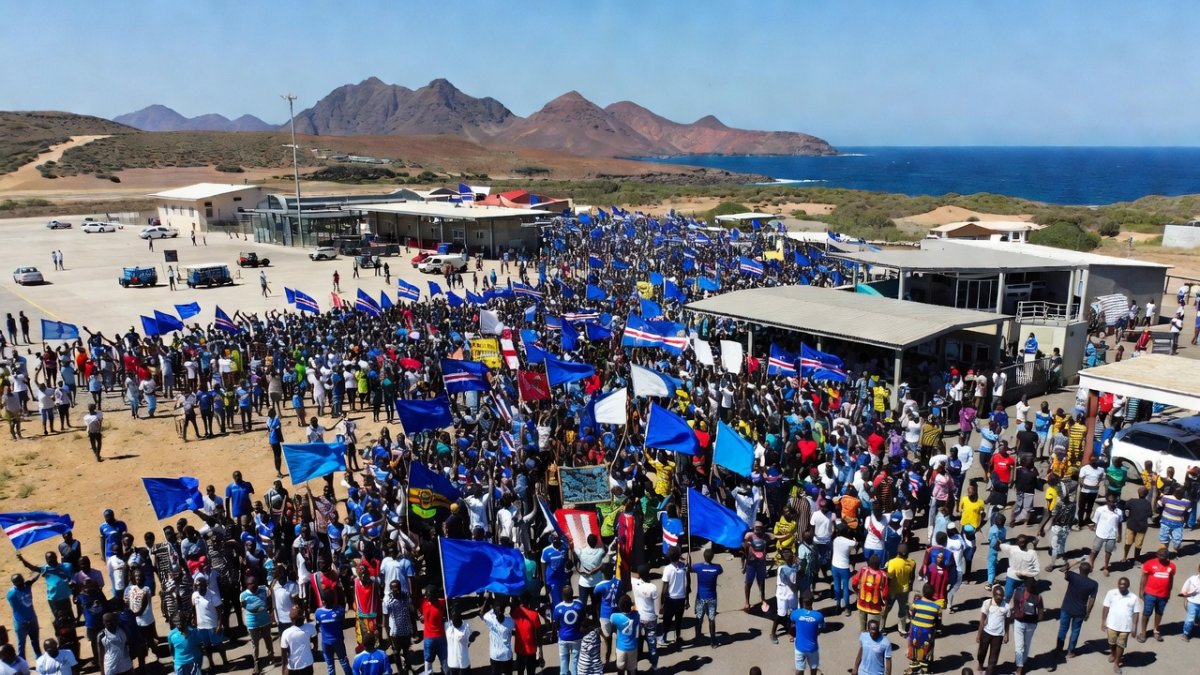
The Warm Embrace at Praia Airport
As the Blue Sharks touched down in the capital city of Praia on Sunday, tens of thousands of supporters gathered to turn the airport grounds into a vibrant sea of blue. Drums beat steadily, voices rose in chants, and national flags waved like sails catching the island breeze. This homecoming carried the weight of a small nation that had stepped onto the global stage for the first time, and the people of Cape Verde responded with open arms and joyful energy.
The carnival atmosphere felt familiar to anyone who has witnessed African communities celebrate their own. In Senegal, we know how a single football match can pull families from their homes and fill streets with song. Here in Praia, the same spirit unfolded as fans danced and waited for glimpses of the players who had carried their hopes.
A Run That Wrote New History
Cape Verde arrived at the tournament ranked 67th in the world, yet they earned three group-stage draws that included a memorable 0-0 result against European champions Spain. They also stood firm against Uruguay before facing Argentina in a match that stretched into extra time. The Blue Sharks showed they belonged among the continent's proud footballing stories, where determination often outweighs size.
Against the reigning champions, they fell behind to a Messi goal, fought back to 1-1, and then equalised again through a stunning strike from Sidny Lopes Cabral. A late deflection off Diney Borges from Cristian Romero's header ended their run, yet the performance left an indelible mark. Manager Pedro Leitao Brito, known as Bubista, later reflected that the team had come within ten minutes of forcing a penalty shootout.
Independence Day and National Pride
The celebrations coincided with Cape Verde's independence day, marking 51 years since the end of Portuguese colonial rule. What began as a football welcome naturally flowed into broader reflections on freedom and identity. The island nation, the World Cup's second-smallest participant, used this moment to honour both sporting achievement and the deeper story of self-determination.
One supporter explained that she came to the airport simply to express gratitude. The players had represented a country that had never appeared at the tournament before, yet they competed with giants and earned respect. This timing with independence day added layers of meaning, turning the homecoming into a living expression of Cape Verdean resilience.
The Players Who Carried the Blue
Goalkeeper Vozinha, whose real name is Josimar Jose Evora Dias, drew attention worldwide with his performances. Wearing a white T-shirt bearing his country's name, he told the BBC that the return represented a very great moment to be with the people. The team had wanted to go further, yet they chose to enjoy the present and celebrate together.
Centre-back Pico Lopes, aged 33, played a starring role throughout the matches. Captain Ryan Mendes took time to sign shirts for fans, as did others. The crowd chanted their names while the players moved among supporters, creating personal connections that will be remembered for years. These moments highlighted the humility that often defines African footballers who rise from modest beginnings.
Football as a Continent-Wide Bond
Across Africa, the beautiful game serves as a thread that links nations from Dakar to Praia and beyond. Cape Verde's run reminded us how smaller countries can inspire larger ones through courage and unity. The love for football here runs deep, rooted in community gatherings, street games, and the shared hope that one team can lift an entire people.
Bubista captured this feeling when he said the team showed that a small country can play against the best in the world. That statement resonates far beyond the islands, echoing in villages and cities where young players dream of similar stages. The Blue Sharks' story adds another chapter to Africa's rich football heritage, one built on pride rather than resources.
Looking Ahead with Quiet Confidence
Even in defeat, the players and supporters carried themselves with grace. The homecoming offered space to reflect on what had been achieved while planting seeds for future generations. Cape Verde may be small in population, yet its passion for the game matches that of any larger nation on the continent.
As the crowds slowly dispersed from the airport, the blue flags continued to flutter. The memory of this historic run will travel through families and schools, encouraging the next wave of talent. In that sense, the celebration in Praia belongs not only to Cape Verde but to all of Africa that cherishes football as a source of joy and unity.
By Amara Diop, Staff WriterThis article was produced with AI-assisted research and editorial support. Reporting is based on sources cited in the article.
What's Your Reaction?
 Like
0
Like
0
 Dislike
0
Dislike
0
 Love
0
Love
0
 Funny
0
Funny
0
 Wow
0
Wow
0
 Sad
0
Sad
0
 Angry
0
Angry
0

West Africa/Sahel Correspondent at Global1.News. Dakar-based journalist covering politics, security, climate, and development across Francophone and Anglophone West Africa. Tells the stories of a region undergoing profound transformation.













Comments (0)