
ICC Chief Prosecutor Karim Khan Suspended: What It Means for Palestine Accountability
In a development that has sent shockwaves through the international justice community, the International Criminal Court (ICC) has suspended its Chief Prosecutor, Karim Khan, following an internal investigation into serious misconduct allegations. A video from Middle East Eye titled "Why was Karim Khan suspended from the ICC?" provides crucial context on the unfolding drama, hig
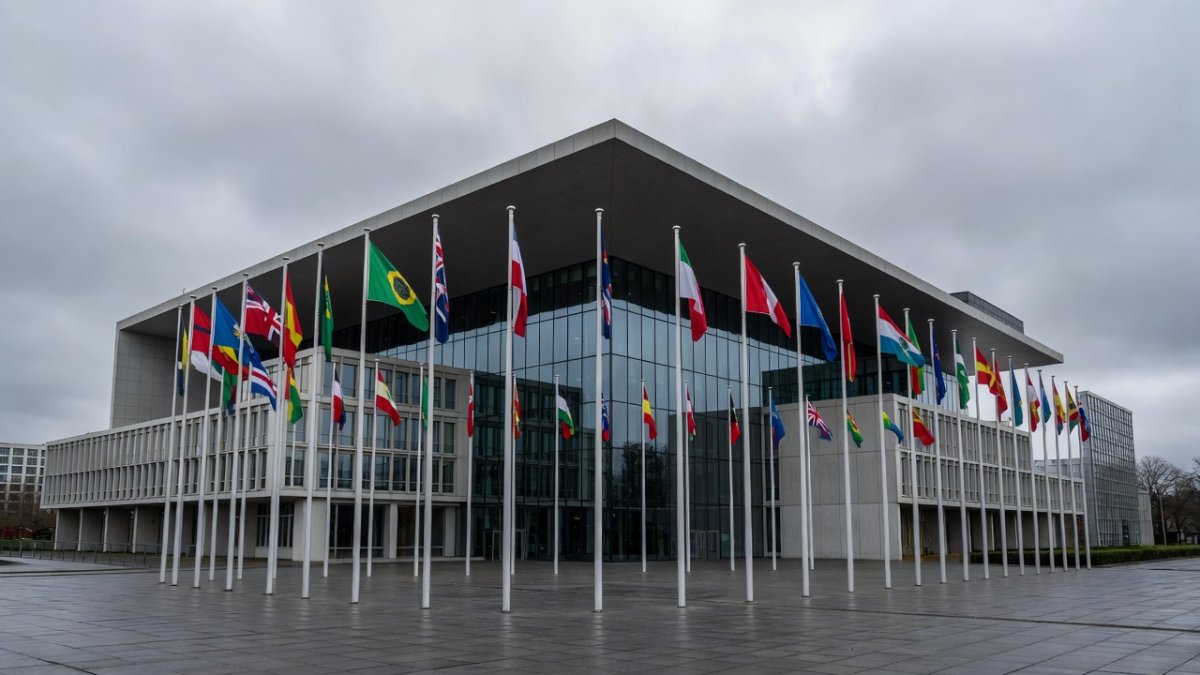
In a development that has sent shockwaves through the international justice community, the International Criminal Court (ICC) has suspended its Chief Prosecutor, Karim Khan, following an internal investigation into serious misconduct allegations. A video from Middle East Eye titled "Why was Karim Khan suspended from the ICC?" provides crucial context on the unfolding drama, highlighting how this suspension intersects with high-stakes geopolitical tensions. As a Palestinian journalist focused on human rights, I examine the layers of this case, from the personal allegations against Khan to the broader implications for accountability in conflicts like Gaza. The suspension raises urgent questions about the integrity of global institutions tasked with pursuing justice for victims of war crimes.
The Allegations and Investigation
Karim Khan, a British barrister who assumed the role of ICC Chief Prosecutor in June 2021, now faces suspension after an internal probe uncovered serious misconduct tied to sexual harassment allegations. The Independent Oversight Mechanism, an independent body within the ICC framework, conducted this thorough investigation, examining claims that have prompted swift institutional action. This mechanism operates under the Rome Statute, the founding treaty of the ICC established in 1998, ensuring that even top officials are held to rigorous standards of conduct. The allegations, while not fully detailed publicly due to confidentiality protocols, involve patterns of behavior that the oversight body deemed incompatible with the prosecutor's duties, leading directly to his suspension pending further review.
The process underscores the ICC's commitment to internal accountability, yet it also exposes vulnerabilities in how such investigations are managed amid politically charged environments. Khan's tenure began with high expectations, as he inherited ongoing cases from his predecessor, Fatou Bensouda, and expanded probes into multiple global conflicts. However, the misconduct findings have overshadowed these efforts, forcing the court to confront issues of workplace culture and power dynamics at the highest levels. Critics argue that the timing amplifies perceptions of selective justice, while supporters of the process emphasize that no individual, regardless of their contributions to international law, stands above scrutiny.
Historical parallels abound, such as past controversies involving other international tribunal leaders where personal allegations intersected with professional responsibilities. The Independent Oversight Mechanism's role mirrors similar bodies in organizations like the United Nations, where independent reviews aim to preserve institutional credibility. With 125 member states comprising the Assembly of States Parties set to decide Khan's final fate through a formal vote, the investigation's outcomes carry weight far beyond The Hague. This vote will determine whether the suspension evolves into permanent removal, highlighting the democratic yet cumbersome nature of multilateral oversight. Expanding on the details, the allegations reportedly surfaced through internal channels, prompting a multi-month review that balanced due process with the need for decisive action to protect the court's reputation.
Furthermore, the suspension disrupts ongoing operations, as an alternate prosecutor may step in to handle active cases during this period. The deputy prosecutor could assume interim duties, ensuring continuity in sensitive investigations. This mechanism prevents total paralysis but raises concerns about potential delays in delivering justice for victims worldwide. In depth, the Independent Oversight Mechanism's findings represent a rare public reckoning for an institution often criticized for opacity, forcing a reevaluation of leadership selection processes that previously favored high-profile legal figures like Khan, known for his work in other tribunals before joining the ICC.
Khan's Palestine Legacy: The Netanyahu Warrants
Karim Khan's most contentious legacy stems from his pursuit of arrest warrant applications against Israeli Prime Minister Benjamin Netanyahu, Defense Minister Yoav Gallant, and several Hamas leaders in May 2024, related to alleged war crimes and crimes against humanity during the Gaza war. The ICC formally issued these warrants in November 2024, marking the first time the court targeted a Western-allied leader in such a direct manner. This action built upon the Palestine investigation that Khan inherited from former Prosecutor Fatou Bensouda, which officially opened in March 2021 and covers alleged crimes in the West Bank, East Jerusalem, and Gaza since June 2014. The probe's scope includes events from the 2014 Gaza conflict onward, encompassing settlement activities, excessive force, and more recent escalations.
Khan's approach demonstrated a willingness to apply the Rome Statute equally, regardless of political alliances, a stance that contrasted with previous hesitations at the ICC. The warrants against Netanyahu and Gallant focused on issues like the blockade of Gaza and military operations causing civilian harm, while those for Hamas leaders addressed attacks on Israeli civilians. This balanced yet bold move drew immediate international attention, positioning Khan as a pivotal figure in efforts to address impunity in one of the world's most protracted conflicts. The Palestine file, active since the 2014 referral by Palestine as a state party, gained momentum under Khan, who advanced it despite intense diplomatic pressures.
Critics from various sides have scrutinized the evidence thresholds and jurisdictional claims, yet the issuance of warrants in November 2024 solidified the ICC's role in documenting atrocities. Khan also issued an arrest warrant for Russian President Vladimir Putin in March 2023 over Ukraine war crimes, another historic first that showcased his prosecutorial reach across continents. Beyond these, he oversaw investigations in Sudan and Darfur, Libya, Myanmar and Bangladesh, and Afghanistan, illustrating a broad mandate that spanned multiple continents and decades of alleged abuses. The Palestine cases, however, stand out due to their direct challenge to a key U.S. ally, amplifying global debates on the ICC's universality.
In historical context, this mirrors earlier ICC efforts in African situations where powerful actors faced scrutiny, though the Netanyahu warrants introduced new dynamics involving NATO partners. Palestinian human rights documentation has long fed into these probes, with groups providing evidence of patterns dating back to 2014. The legacy thus intertwines personal misconduct allegations with professional achievements that reshaped perceptions of accountability in the Middle East, potentially influencing future referrals and state cooperation with the court.
International Reactions and Questions of Timing
The United States has long opposed the ICC, viewing it as an infringement on national sovereignty, a position exemplified when former President Donald Trump sanctioned Fatou Bensouda in 2020 over the Afghanistan investigation. The Biden administration continued elements of this skepticism, explicitly opposing the Netanyahu warrants and expressing reservations about the court's jurisdiction over non-member states like Israel and the United States. Against this backdrop, Khan's suspension has elicited mixed responses, with some questioning whether the timing—immediately following his advancements in the Palestine cases—suggests external influences or internal maneuvering to sideline a prosecutor unafraid of controversial targets.
Israel welcomed the suspension enthusiastically, with officials having previously denounced Khan as biased and antisemitic for his role in the warrants. This reaction aligns with Israel's consistent rejection of ICC authority, arguing that its own judicial system suffices for any accountability needs. Meanwhile, the U.S. expressed support for the ICC's internal process while acknowledging the gravity of the allegations, a nuanced stance that avoids outright endorsement of the suspension's motivations. Critics, including legal scholars and human rights advocates, point to the proximity of the suspension to the May 2024 warrant applications and November 2024 issuances as potentially suspicious, suggesting it could undermine the court's independence at a critical juncture.
Others maintain that the allegations against Khan are credible and that the Independent Oversight Mechanism followed proper procedures, insulating the decision from political interference. This divide reflects broader tensions in international justice, where powerful states like the U.S. have historically sought to limit the ICC's reach, as seen in sanctions and diplomatic campaigns. The Putin warrant from March 2023 similarly drew Western support but highlighted inconsistencies when applied to allies. Expanding on timing concerns, the suspension coincides with heightened global scrutiny of Gaza, where evidence collection remains ongoing, potentially affecting momentum in related proceedings.
Diplomatic cables and public statements reveal how some member states view the episode as a test of the ICC's resilience against external pressures. Historical parallels include past attempts to delegitimize the court during African Union disputes, yet the current case involves Western actors more directly. The reactions underscore that while the process appears procedurally sound, perceptions of politicization could erode trust among the 125 member states, complicating future prosecutions and state party cooperation essential for arrests and evidence sharing.
What Happens Next: The Member States' Decision
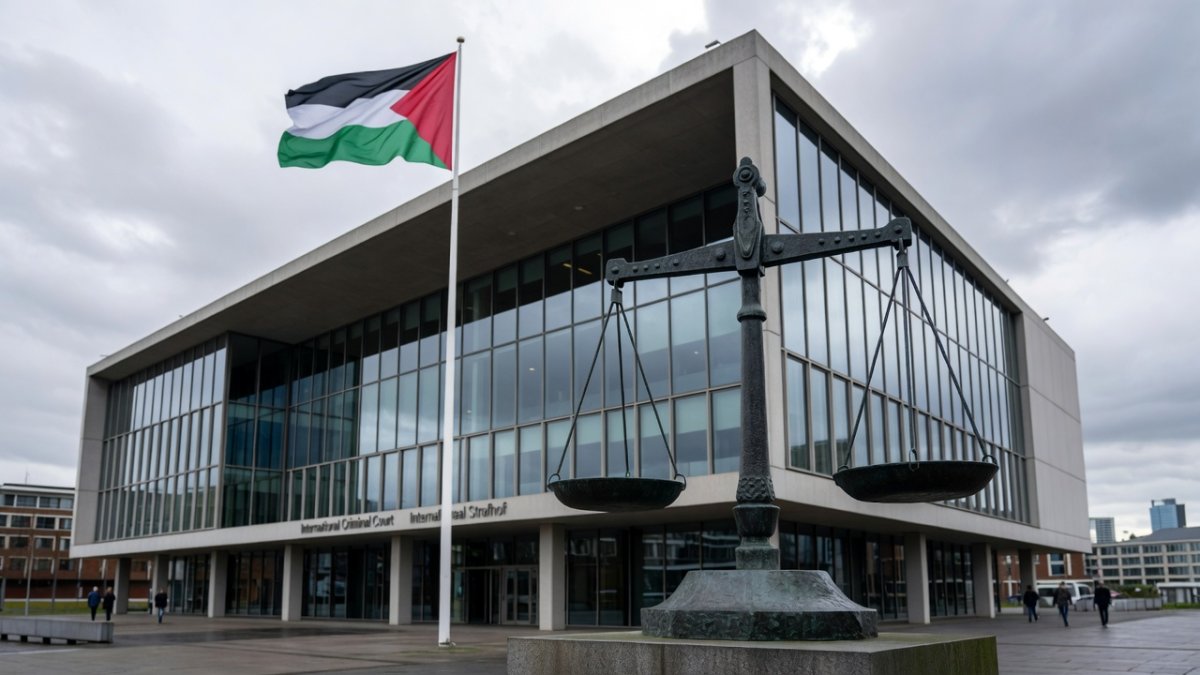
The Assembly of States Parties, representing the ICC's 125 member states, holds the decisive power to determine Karim Khan's final fate through a formal vote on his removal. This body, convened under the Rome Statute, operates on a two-thirds majority requirement for such actions, ensuring broad consensus among diverse nations from Europe, Africa, Latin America, and beyond. During the suspension, an alternate prosecutor may handle ongoing cases to maintain operational continuity, while the deputy prosecutor stands ready to assume interim duties if needed, preventing disruptions in time-sensitive investigations like those in Ukraine or Darfur.
The vote process involves detailed deliberations, potentially spanning multiple sessions where evidence from the Independent Oversight Mechanism is reviewed alongside submissions from Khan's defense. This mechanism allows for appeals or additional hearings, adding layers of due process that could extend the timeline for months. Member states must weigh the misconduct findings against Khan's record, including the historic warrants for Putin in March 2023 and the Netanyahu applications in May 2024, which advanced the Palestine probe opened in March 2021.
Geopolitical considerations will likely influence the outcome, as states aligned with the U.S. or Israel may push for removal, while others prioritize institutional integrity. The suspension's handling sets precedents for future leadership accountability, emphasizing transparency in an era of increasing scrutiny on international bodies. Specific examples from past Assembly votes, such as those on budget approvals or situation referrals, illustrate the body's capacity for measured decisions despite divisions. An alternate prosecutor could prioritize certain cases, such as those involving Myanmar and Bangladesh or Libya, ensuring that victims' rights remain central amid the transition.
Ultimately, the decision will shape the ICC's trajectory, determining whether it emerges stronger or weakened by internal upheaval. With the deputy prosecutor potentially stepping up, the court demonstrates adaptive structures designed for resilience, though the vote's results will test the commitment of the 125 states to impartial justice over political expediency.
Voices from Palestine: Concerns Over Justice Delayed
Palestinian human rights groups including Al-Haq, Al Mezan, and the Palestinian Center for Human Rights have long relied on ICC investigations to document and seek redress for alleged violations in the occupied territories. These organizations, active since the 2014 opening of the preliminary examination, express profound concern that Khan's suspension could delay the Gaza war crimes cases stemming from the warrants issued in November 2024. Their submissions have provided critical evidence on issues like settlement expansion in the West Bank and East Jerusalem, as well as military conduct in Gaza since June 2014, underscoring the investigation's foundational role in their advocacy.
The groups fear that any interim arrangements or leadership changes might slow evidence gathering and victim consultations at a moment when accountability feels most urgent. Al-Haq, for instance, has highlighted how delays compound suffering for families affected by ongoing conflicts, while Al Mezan emphasizes the need for uninterrupted focus on patterns of alleged crimes. The Palestinian Center for Human Rights has voiced similar sentiments, noting that the suspension risks signaling to perpetrators that political maneuvers can obstruct justice mechanisms.
In historical context, these organizations have navigated previous setbacks, such as the 2020 sanctions on Bensouda, yet persisted in pushing for the March 2021 formal opening. Their concerns extend to the broader impact on related probes, including those involving Hamas leaders alongside Israeli officials. Quotes from joint statements underscore a unified call for the Assembly of States Parties to prioritize case continuity over internal politics, ensuring that the deputy prosecutor or alternate maintains momentum. This perspective aligns with the human rights focus of communities directly impacted, where justice delayed equates to justice denied amid daily realities of occupation and conflict.
Expanding further, the groups advocate for enhanced victim participation protocols during any transition, drawing on experiences from other ICC situations like Sudan to propose safeguards. Their work, often conducted under restrictive conditions, represents a vital bridge between local testimonies and international proceedings, making the suspension's ripple effects particularly acute for Palestinian civil society.
Analysis: International Justice at a Crossroads
Karim Khan's suspension places international justice at a critical crossroads, where the interplay of personal accountability, geopolitical interests, and institutional mandates demands careful navigation. As the first prosecutor to target both a Russian leader with the March 2023 Putin warrant and a Western ally through the May 2024 Netanyahu applications, Khan embodied the ICC's aspirational universality, yet his removal process tests whether that vision can withstand internal and external pressures. The 125 member states' upcoming vote will not only resolve his status but also signal the court's willingness to confront powerful actors without fear or favor.
Broader implications include potential shifts in state cooperation, as nations wary of similar scrutiny may withhold support for ongoing investigations in Afghanistan, Libya, Myanmar, and Darfur. The U.S. opposition, rooted in longstanding policies from the Trump-era sanctions on Bensouda to Biden's stance on the Palestine warrants, exemplifies how non-member states influence dynamics despite lacking formal votes. Questions of timing persist, with some viewing the suspension as a safeguard of standards and others as a possible deflection from the Palestine legacy inherited and advanced since March 2021.
Historical parallels to tribunals like the ICTY reveal that leadership controversies often catalyze reforms, such as strengthened oversight or diversified recruitment. Here, the Independent Oversight Mechanism's role could inspire greater transparency, while interim arrangements with alternate prosecutors ensure that warrants issued in November 2024 proceed without indefinite halts. Palestinian voices add urgency, reminding the global community that delays affect real lives shaped by decades of unresolved grievances.
In analysis, this episode challenges the ICC to reaffirm its independence, balancing misconduct resolutions with the imperative to deliver on promises of justice for victims across conflicts. The path forward hinges on the Assembly's wisdom, potentially redefining multilateralism in an age of eroding trust in international institutions. By prioritizing evidence-based processes over expediency, the court can emerge as a more robust defender of human rights, though the risks of politicization remain ever-present.
By Fatima Al-Rashid, Staff Writer
This article was produced with AI-assisted research and editorial support. Reporting is based on sources cited in the article.
What's Your Reaction?
 Like
0
Like
0
 Dislike
0
Dislike
0
 Love
0
Love
0
 Funny
0
Funny
0
 Wow
0
Wow
0
 Sad
0
Sad
0
 Angry
0
Angry
0

Gulf/MENA Correspondent at Global1.News. Based in Doha, covering Gulf politics, energy markets, diplomacy, and development across the Middle East and North Africa. Tracks the economic transformation of the Gulf states.










Comments (0)