
AMRAAM Sale to South Korea Approved; Cheongung-II Exports
The recent decisions involving advanced missile systems underscore South Korea's evolving position within the global defense landscape. The U.S. approval of AIM-120 AMRAAM sales reinforces longstanding alliance commitments, while parallel discussions for the Cheongung-II system signal growing international interest in Korean defense technology. These developments arrive at a ti
The recent decisions involving advanced missile systems underscore South Korea's evolving position within the global defense landscape. The U.S. approval of AIM-120 AMRAAM sales reinforces longstanding alliance commitments, while parallel discussions for the Cheongung-II system signal growing international interest in Korean defense technology. These developments arrive at a time when Seoul balances deterrence needs with ambitions for greater autonomy in arms production.
U.S. Approves AMRAAM Missile Sale to South Korea, as Cheongung-II Advances Export Talks with Indonesia
Seoul, South Korea — June 11, 2026 — The U.S. Defense Security Cooperation Agency has approved a Foreign Military Sale of AIM-120 Advanced Medium-Range Air-to-Air Missiles to South Korea, continuing a pattern of technology transfers that have supported the modernization of Republic of Korea Air Force capabilities since the early 2000s.
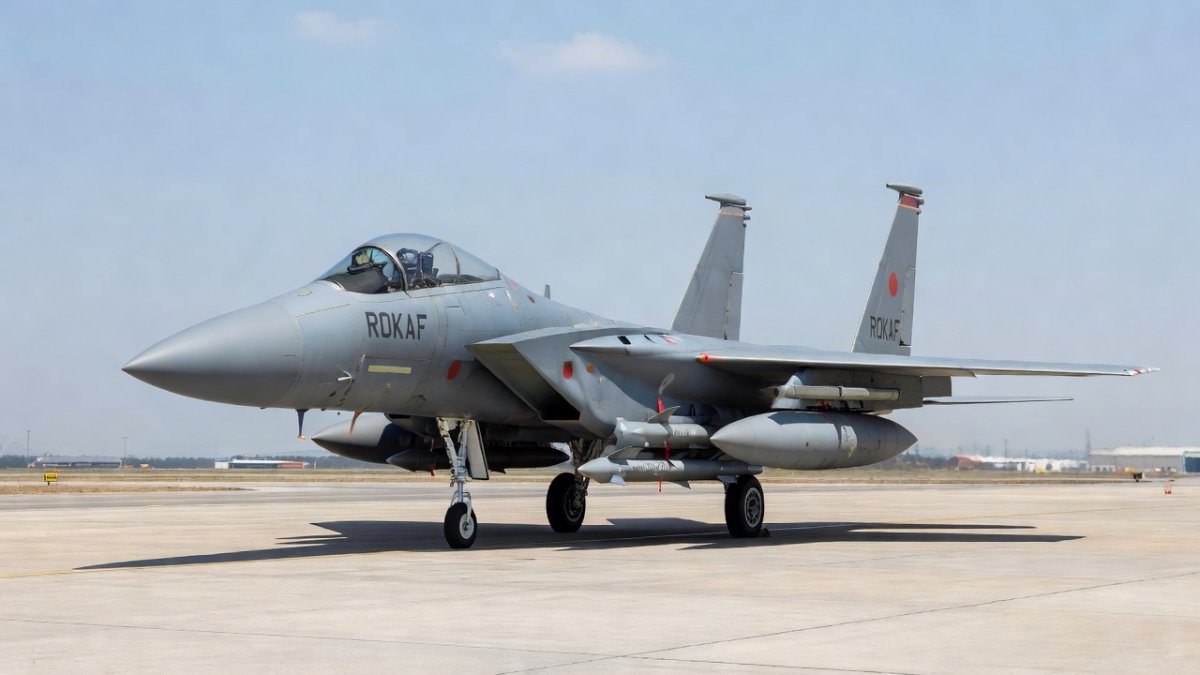
US Missile Sale Approval Marks Milestone for South Korea's Security Architecture
The U.S. Defense Security Cooperation Agency notification regarding the AIM-120 AMRAAM sale represents a continuation of established patterns in bilateral security cooperation. South Korean officials have long sought enhancements to air-to-air capabilities to address evolving aerial threats from the North. This particular transaction aligns with broader efforts by the Ministry of Foreign Affairs to coordinate diplomatic messaging around alliance interoperability. Analysts at the Asan Institute for Policy Studies note that such approvals typically follow extensive reviews involving both Washington and Seoul's defense procurement bodies.
Integration of these missiles into Republic of Korea Air Force inventories will require careful coordination with existing platforms such as the KF-21 Boramae fighter program. The Defense Acquisition Program Administration has emphasized the importance of technology transfer elements in recent Foreign Military Sales cases. Historical precedents from earlier AMRAAM acquisitions demonstrate how these systems contribute to layered air defense strategies designed to counter evolving North Korean aerial capabilities.
Procurement processes overseen by DAPA ensure that new acquisitions complement indigenous developments rather than replace them entirely. The Ministry of Economy and Finance monitors associated budgetary implications to maintain fiscal discipline amid expanding defense outlays. Cultural emphasis on self-reliance in security matters, rooted in decades of post-war reconstruction, informs these strategic choices. Reports from KOREA NOW indicate the sale volume supports sustained operational readiness for ROKAF squadrons operating F-15K, KF-21, and F-35A platforms.
Alliance Implications Strengthen US-ROK Security Partnership
The AMRAAM approval reinforces the mutual defense treaty framework that has anchored Northeast Asian stability since 1953. Joint exercises conducted by ROKAF and U.S. Forces Korea benefit directly from standardized munitions that improve interoperability during combined operations. Ministry of Foreign Affairs statements have consistently framed such sales as evidence of enduring commitment rather than temporary measures. Historical analysis reveals how similar transactions helped South Korea transition from aid recipient to capable contributor within the alliance structure.
Operational planning at the Combined Forces Command incorporates these missile capabilities into contingency scenarios involving potential conflict escalation. The Agency for Defense Development has collaborated with American counterparts on integration studies that maximize system effectiveness across multiple aircraft types. These elements collectively deepen trust between the two capitals at a time when the broader Northeast Asian security environment faces increasing complexity.
North Korean missile tests, including recent launches of solid-fuel ballistic missiles and cruise missiles, have accelerated the perceived urgency of air superiority enhancements on the peninsula. Alliance managers in both countries recognize that visible demonstrations of support can influence adversary calculations regarding the credibility of extended deterrence commitments.
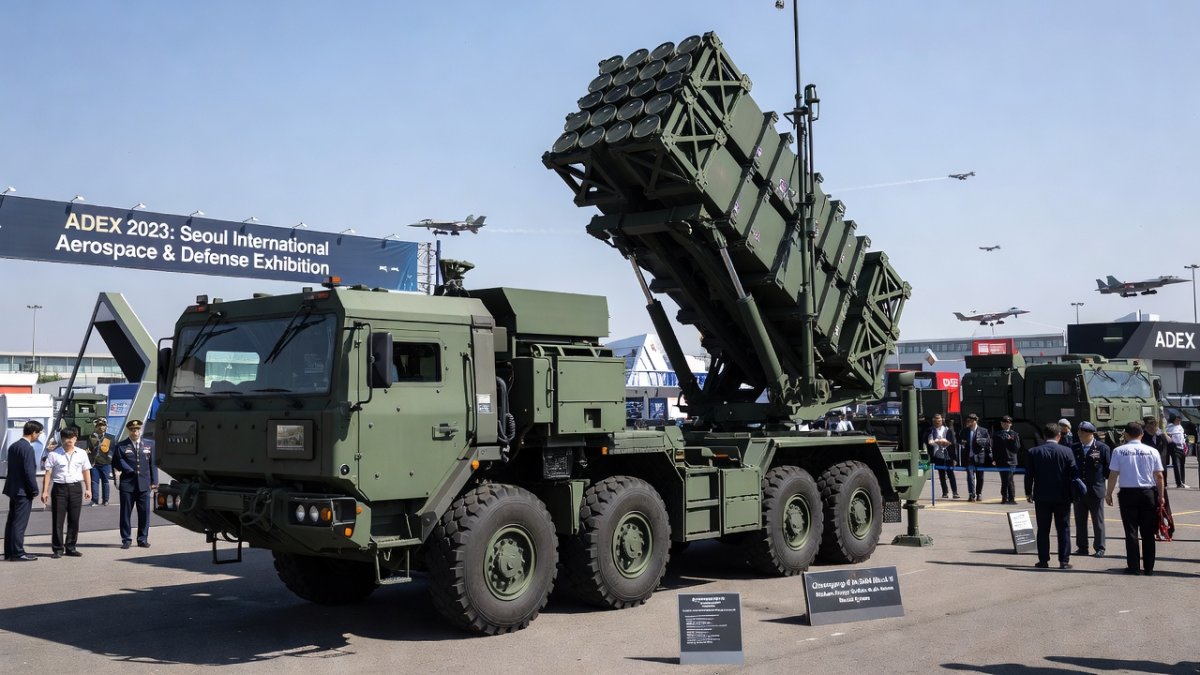
Northeast Asian Security Context Shapes Regional Dynamics
China's growing aerial presence and Japan's parallel modernization efforts create a complex environment for South Korean defense planners. The AMRAAM acquisition provides qualitative advantages that help offset numerical disparities in potential conflict scenarios while preserving interoperability with U.S. forces operating in the region. Inter-Korean relations remain central to these calculations, as Pyongyang continues to prioritize asymmetric capabilities including cruise missiles and ballistic missile systems.
Regional multilateral forums including the ASEAN Regional Forum and the expanded Korea-Japan-China trilateral dialogue have occasionally discussed confidence-building measures, yet progress on arms control remains limited by mutual suspicions. The Agency for Defense Development monitors technological trajectories across neighboring states to inform domestic research priorities. Ministry of Foreign Affairs diplomats engage counterparts in Beijing and Tokyo to manage perceptions around these capability upgrades while maintaining economic interdependence through chaebol supply chains.
Russian activities in the region, including increased air patrols over the Sea of Japan and defense cooperation with North Korea, further complicate threat assessments for South Korean strategists. Layered air defense architectures incorporating both imported and indigenous systems offer resilience against potential saturation attacks. Cultural narratives emphasizing national resilience, forged through centuries of external pressures, continue to resonate in contemporary defense debates.
Defense Export Strategy Advances Through Cheongung-II Discussions
Parallel talks regarding the Cheongung-II system for Indonesia illustrate South Korea's deliberate push into overseas defense markets. LIG Nex1, the lead manufacturer and a key participant in the program's development, stands to benefit significantly from potential production contracts with Jakarta. Government policy coordinated by the Defense Acquisition Program Administration seeks to reduce reliance on traditional chaebol sectors by expanding defense revenues, following the successful export model established by the K9 Thunder self-propelled howitzer.
Indonesia's interest in Cheongung-II stems from shared concerns over maritime security and the need for affordable, high-performance surface-to-air systems to protect territorial airspace across the archipelago. The Agency for Defense Development has invested heavily in the M-SAM Block II variant to meet both domestic air defense requirements and export specifications. Ministry of Economy and Finance incentives encourage technology partnerships that transfer manufacturing know-how to partner nations while maintaining Korean intellectual property protections.
Competitive pricing combined with proven performance in Korean service conditions appeals to emerging market buyers across Southeast Asia and the Middle East. Indonesia's existing defense relationship with Seoul, most prominently through the joint KF-21/IF-X fighter development program, provides a proven framework for expanded cooperation. A Cheongung-II deal would further diversify South Korean defense exports beyond the traditional artillery and naval segments into advanced missile systems.
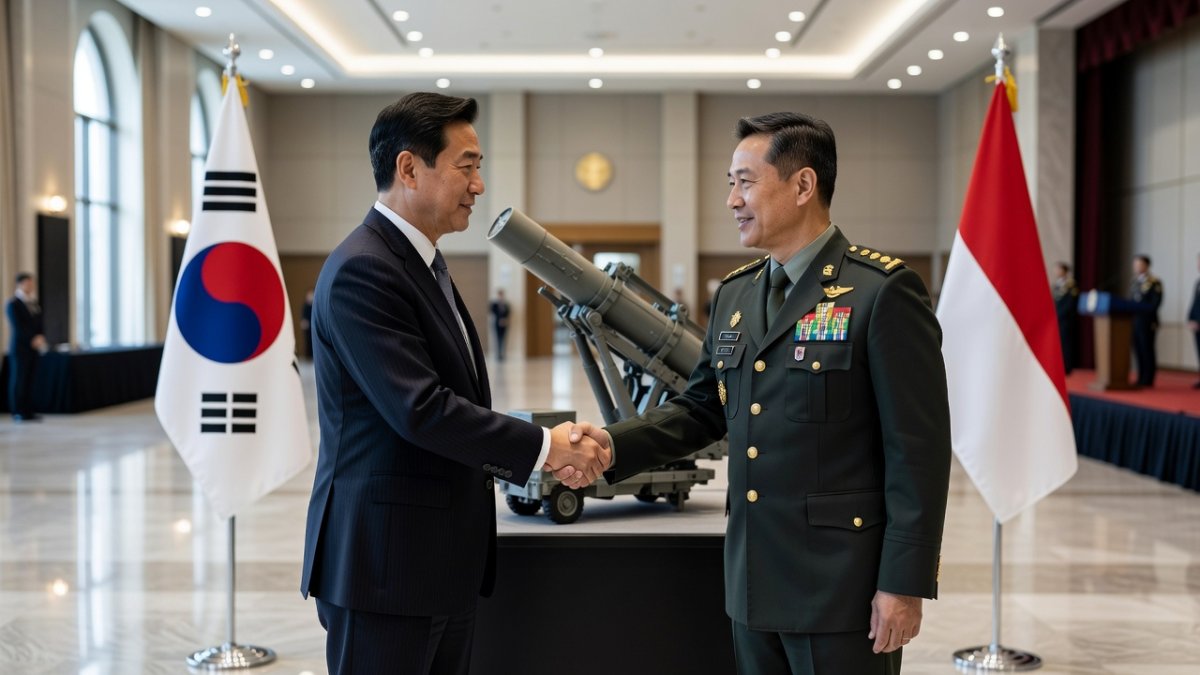
Key Institutions Drive Integrated Defense Policy Execution
The Defense Acquisition Program Administration serves as the central coordinator for both the AMRAAM procurement and Cheongung-II export initiatives. Its dual mandate ensures alignment between alliance obligations and indigenous industry growth objectives. The Agency for Defense Development contributes foundational research that underpins system performance claims in international marketing and certification processes. Ministry of Foreign Affairs involvement guarantees that diplomatic channels remain synchronized with technical negotiations conducted by defense attachés and acquisition specialists.
LIG Nex1's role in Cheongung-II production highlights the importance of private-sector innovation within state-guided defense industrial frameworks. Republic of Korea Air Force operational requirements shape the technical parameters communicated to American suppliers during Foreign Military Sales processes. Fiscal discipline enforced by the Ministry of Economy and Finance prevents cost overruns that could undermine public support for sustained defense modernization. Inter-agency working groups facilitate information sharing across these entities, ensuring coherent policy execution.
Historical institutional reforms following Korea's democratization in the late 1980s strengthened civilian oversight of military procurement decisions. These structures now support ambitious export targets set by successive administrations while maintaining transparency and accountability in international arms transfers.
Technological and Strategic Outlook for Korean Missile Programs
Future iterations of both AMRAAM integration on Korean platforms and Cheongung-II variant development will likely incorporate artificial intelligence enhancements for improved targeting and threat discrimination. The Agency for Defense Development continues to explore domestic alternatives that reduce dependence on foreign components in critical subsystems over time. Export customers such as Indonesia may request customized configurations that further refine system versatility for specific operational environments.
Challenges remain in balancing rapid capability acquisition with the imperative for sovereign control over critical defense technologies. Korea's strong cultural commitment to education and engineering excellence positions the country favorably for sustained innovation in missile and aerospace domains. Regional security dynamics will continue to influence the pace and direction of these programs, with the pace of North Korean weapons development serving as a primary driver of procurement timelines.
Looking Ahead
The convergence of inbound alliance-based acquisitions and outbound indigenous export initiatives positions South Korea at a unique juncture in its defense evolution. The AMRAAM sale contributes to immediate air superiority requirements while the Cheongung-II export talks represent longer-term industrial strategy. Both developments reflect a maturing defense ecosystem capable of simultaneously absorbing advanced foreign technology and producing competitive systems for international markets.
As Seoul continues to navigate between its alliance commitments and its growing global defense industrial presence, the institutional frameworks established over decades of collaboration will face new tests. The outcomes of these parallel processes — AMRAAM integration and Cheongung-II export negotiations — will shape South Korea's defense trajectory well into the next decade.
By Prof. David Park, Staff Writer
This article was produced with AI-assisted research and editorial support. Reporting is based on sources cited in the article.
What's Your Reaction?
 Like
0
Like
0
 Dislike
0
Dislike
0
 Love
0
Love
0
 Funny
0
Funny
0
 Wow
0
Wow
0
 Sad
0
Sad
0
 Angry
0
Angry
0

East Asia/Technology Correspondent at Global1.News. Seoul-based voice covering Korean politics, technology, business, and culture. Analyzes how technology and geopolitics intersect across East Asia.















Comments (0)