
Trump: No USMCA Renewal Yet as Mexico Trade Talks Advance
**Meta Description:** Trump signals no USMCA renewal yet but bilateral talks with Mexico advance. Ebrard seeks 16-year extension to 2042 as US-Mexico goods trade reaches $872.8B, mostly tariff-free under the deal. **Keywords:** USMCA renewal, Trump Mexico trade, USMCA extension, Marcelo Ebrard, Claudia Sheinbaum, maquiladora workers, USMCA talks, Mexico trade, US tariffs, Shein
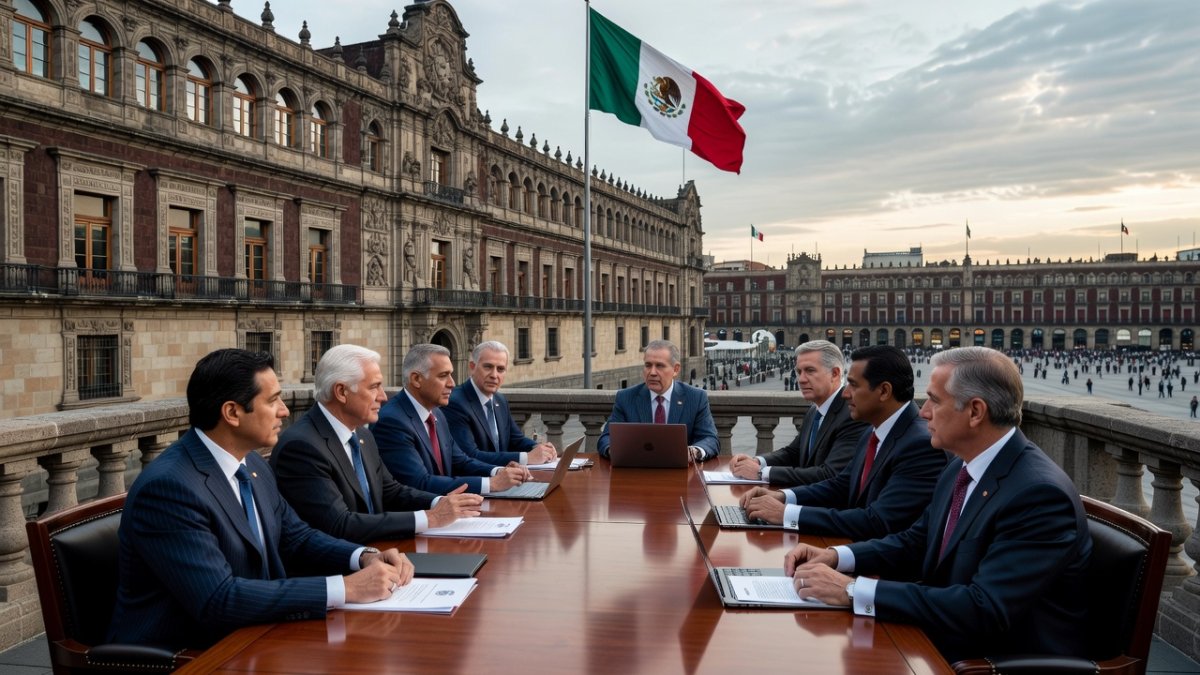
USMCA Trade Volume and Its Roots in Mexican Communities
USMCA governs roughly US $2 trillion in annual trade between the United States, Mexico, and Canada. This agreement shapes the flow of goods that reach tianguis markets and support families in colonias from border towns to central Mexico. Many households depend on the steady movement of parts and produce that keeps jobs available near home.
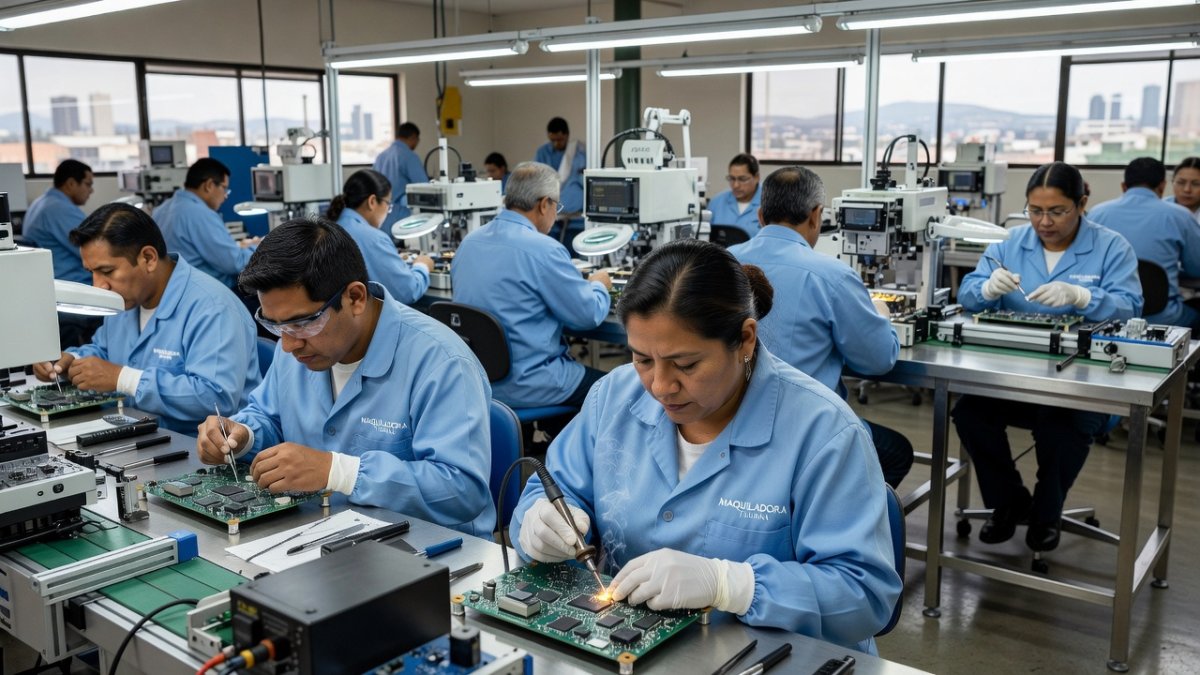
Workers in maquiladoras along the northern border assemble products that cross into the United States every day. These facilities in places like Tijuana and Ciudad Juárez provide paychecks that cover school supplies and groceries for thousands of families. The scale of this trade touches nearly every region through supply chains that begin in small workshops.
Campesinos in Michoacán and Sinaloa grow avocados and tomatoes that travel north under the agreement's terms. Their harvests support ejido communities where land is held collectively and decisions affect entire villages. Without reliable access to US markets, these growers face uncertainty in planning seasons ahead.
Small business owners in Monterrey and Saltillo rely on auto parts production that feeds larger assembly lines. The agreement keeps most US-Mexico goods trade, valued at US $872.8 billion in 2025, largely tariff-free. This volume creates ripple effects that reach IMSS clinics and local schools funded by related economic activity.
Communities across Mexico view the agreement as more than paperwork because it connects daily routines to larger economic patterns. Families discuss these matters at dinner tables, weighing how policy shifts might affect next month's income. The human side of these numbers appears in the steady rhythm of work shifts and harvest cycles.
President Trump's June 10 Remarks in the Oval Office
On June 10, President Trump told reporters in the Oval Office that he was not looking to renew USMCA. His words traveled quickly across the border and sparked conversations in workplaces from assembly plants to packing sheds. Many wondered how such statements might influence ongoing economic ties.
Trump later softened his position, saying he did not know if he would renew the deal and describing it as sort of a good deal because of its exit clause. He also stated that the United States does not need anything Mexico or Canada has. These comments echoed similar remarks he made in January 2026, adding to the sense of unpredictability.
Any country can withdraw from the agreement with six months' notice, meaning the earliest possible lapse would occur in 2036. This timeline gives negotiators room to discuss adjustments without immediate disruption. Mexican officials noted that such flexibility allows time for careful preparation rather than rushed decisions.
Observers in Mexico often interpret these statements as part of broader negotiating tactics aimed at securing better terms. The comments reached maquiladora workers who track news during breaks and farmers who listen to radio updates in the fields. Daily life continues while officials weigh the next steps in formal channels.
Despite the public remarks, the underlying trade relationship remains active and substantial. Families in border colonias continue their routines, aware that policy language can shift while goods still move across checkpoints. The focus stays on maintaining stability for those who depend on steady employment.
Economy Minister Ebrard's Announcements at the Mañanera
Economy Minister Marcelo Ebrard spoke at President Sheinbaum's mañanera at Palacio Nacional on June 10. He shared that Mexico wants a 16-year extension of USMCA that would run through 2042. Canada has expressed similar interest in extending the agreement's duration.
Ebrard stated that Mexico is prepared with arguments ready for the discussions. He described the fact that formal talks are happening as a win, noting that it was not known if these formal talks would take place. This development marks progress after earlier uncertainty about whether structured meetings would occur.
The minister highlighted that trade costs remain cheaper for Mexico compared with alternatives such as Vietnam, the European Union, or South America. These advantages help keep production lines active in facilities that employ residents of nearby neighborhoods. Ebrard credited President Sheinbaum's calls for helping maintain Mexico's favorable position in the talks.
Notifications about the extension request went to US Trade Representative Jamieson Greer and Canadian Trade Minister Dominic LeBlanc. These communications set the stage for continued dialogue between the three countries. Officials emphasized that Mexico approaches the process with clear goals tied to protecting existing trade flows.
Workers in auto plants and agricultural regions followed these updates closely because their livelihoods connect directly to the outcomes. Ebrard's presence at the mañanera brought the discussions into public view, allowing communities to hear updates from the Presidencia itself. The tone remained one of readiness rather than alarm.
Bilateral Meetings and the Schedule in Washington
Bilateral USMCA talks took place in late May, opening channels for direct exchanges. A second round was scheduled in Washington from June 15 to 18. During this period, Ebrard was set to meet Greer on June 18 to advance the conversations.
These meetings build on earlier contacts and allow each side to present positions in a structured setting. Mexican representatives arrived with specific priorities, including relief from duties placed on vehicles, steel, and aluminum in 2025. The schedule reflects a commitment to keep lines of communication open.
Participants understand that the process involves multiple rounds and careful review of data from INEGI and other sources. Each session adds detail to proposals that could shape trade rules for years ahead. Families in production hubs watch for signs that agreements will support continued access to markets.
The involvement of all three countries creates a framework where Mexico can raise concerns alongside its partners. Ebrard has stressed that preparation includes reviewing how current terms affect different sectors. This methodical approach aims to protect the interests of workers and producers across regions.
Communities from Saltillo to Sinaloa recognize that these Washington sessions represent steps in a longer sequence. The focus remains on achieving outcomes that sustain employment and income stability. Regular updates from officials help residents stay informed about developments that matter to their daily routines.
Efforts to Address Tariffs on Vehicles, Steel, and Aluminum
Mexico is seeking tariff relief on vehicles, steel, and aluminum that faced duties in 2025. These products form the backbone of many industrial jobs in northern and central states. Relief would ease pressures on factories that employ residents of local colonias.
Ebrard has pointed out that Mexico's competitive position rests partly on lower overall trade costs than those faced by competitors in other regions. This edge supports continued investment in facilities that provide steady work. Negotiators aim to preserve these advantages during the current round of talks.
Auto workers in Monterrey and Saltillo assemble components that travel under USMCA rules. Any adjustment to tariff structures could influence shift schedules and overtime opportunities. Families plan household budgets around the predictability these jobs provide.
Steel and aluminum producers also track the discussions because their output feeds into larger supply chains. Relief in these areas would benefit both large operations and smaller suppliers that serve them. The goal remains maintaining the tariff-free status that covers most US-Mexico goods trade.
Officials continue to emphasize that formal engagement itself represents progress after periods of uncertainty. Workers and business owners in affected sectors appreciate the focus on practical outcomes. The talks proceed with attention to how changes would reach shop floors and farm fields.
Daily Life for Maquiladora and Agricultural Workers
Maquiladora workers in Tijuana and Ciudad Juárez begin early shifts that contribute to the broader trade totals. Their labor supports products that reach US consumers while sustaining households in border communities. Policy developments can influence hiring patterns and benefit structures at these plants.
Auto workers in Monterrey and Saltillo follow production targets tied to cross-border demand. Many live in neighborhoods where multiple family members hold related jobs. Stability in trade rules helps these households cover expenses such as IMSS contributions and local transportation.
Avocado and tomato farmers in Michoacán and Sinaloa coordinate harvests with export schedules. Ejido members meet to decide planting and distribution plans that depend on reliable market access. Changes in tariff treatment could affect prices received at packing facilities.
Small business owners who supply parts or services to larger exporters also feel the effects. Their enterprises operate within the same economic web that links production centers to northern markets. Community discussions often center on how steady trade supports local commerce and services.
Across these regions, families balance work demands with hopes for continued opportunity. The agreement's framework has allowed many to build routines around predictable income. Negotiators carry these human considerations into each round of meetings.
Community Strength and the Road Ahead for Trade Relations
Mexican communities have shown resilience through previous shifts in trade policy. Residents in maquiladora zones and farming areas draw on local networks to adapt when external conditions change. This strength appears in the continued operation of factories and fields despite public statements from abroad.
President Sheinbaum's engagement through calls and public updates has helped maintain focus on favorable terms. Ebrard's participation in the mañanera and planned meetings in Washington reflects coordinated efforts across government institutions. These steps aim to protect the interests of workers and producers.
The possibility of extension discussions offers a path toward longer-term clarity. Canada and Mexico share interest in extending the agreement, creating space for joint positions. Officials stress that preparation includes reviewing impacts on specific sectors and regions.
Workers and families continue their daily contributions while officials handle the details of talks. The human connections formed through trade remain visible in the movement of goods and the activity at production sites. Communities stay informed through official channels and local conversations.
Looking forward, the emphasis rests on achieving arrangements that support ongoing economic activity. The scale of US-Mexico trade provides a foundation that touches countless households. Mexican voices in the process seek outcomes that honor the contributions of those who keep production moving.
Tags: USMCA, Trump trade policy, Marcelo Ebrard, Claudia Sheinbaum, Mexico US trade, maquiladoras, tariff relief, USMCA extension, Mexico trade talks, Sheinbaum administration
By Rosa Martinez, Staff Writer
This article was produced with AI-assisted research and editorial support. Reporting is based on sources cited in the article.
What's Your Reaction?
 Like
0
Like
0
 Dislike
0
Dislike
0
 Love
0
Love
0
 Funny
0
Funny
0
 Wow
0
Wow
0
 Sad
0
Sad
0
 Angry
0
Angry
0

Latin America/Andes Correspondent at Global1.News. Based in Bogota, covering politics, environment, energy, and social movements across the Andean region. Passionate about environmental journalism and communities protecting their land.













Comments (0)