
US Strikes 80 Iran Targets as Ceasefire Ends at NATO Summit
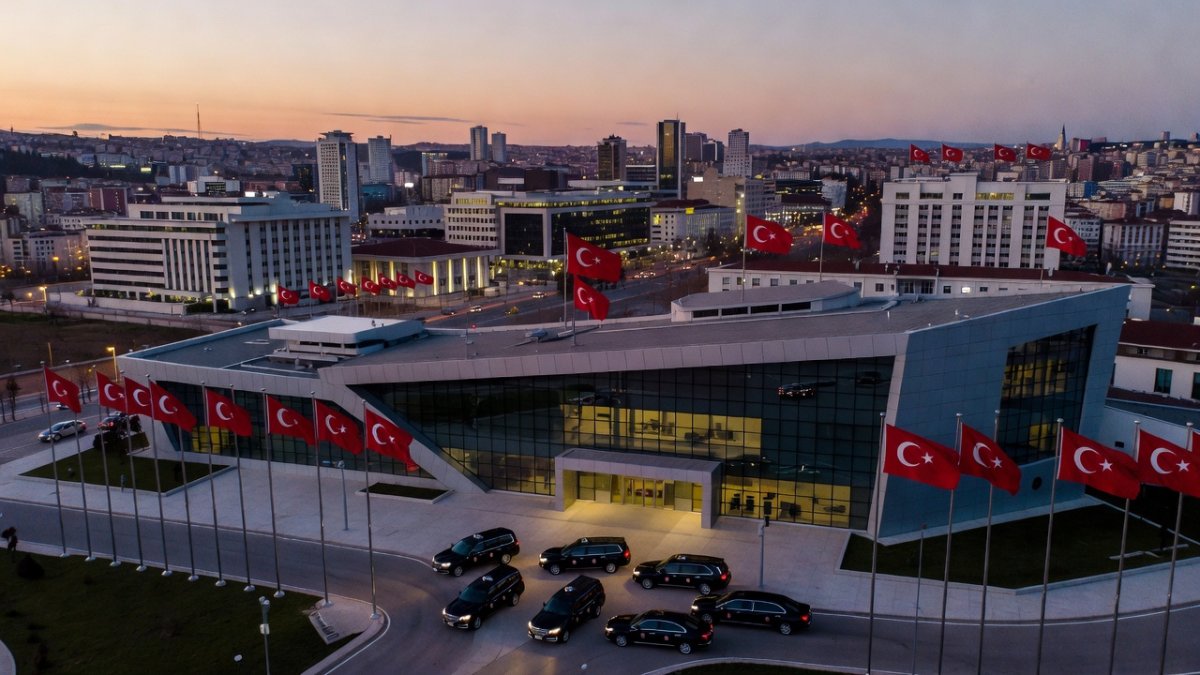
Breaking Point: Trump Declares Iran Ceasefire Over, Orders Strikes on 80 Targets as NATO Summit Explodes in Ankara The Ankara Summit Turns Into a Powder Keg Folks, the 2026 NATO Summit in Ankara was supposed to be a show of unity. Instead, it became ground zero for a fresh explosion of tensions that nobody saw coming this fast. Held July 7-8 in Turkey, the gathering quickly dev
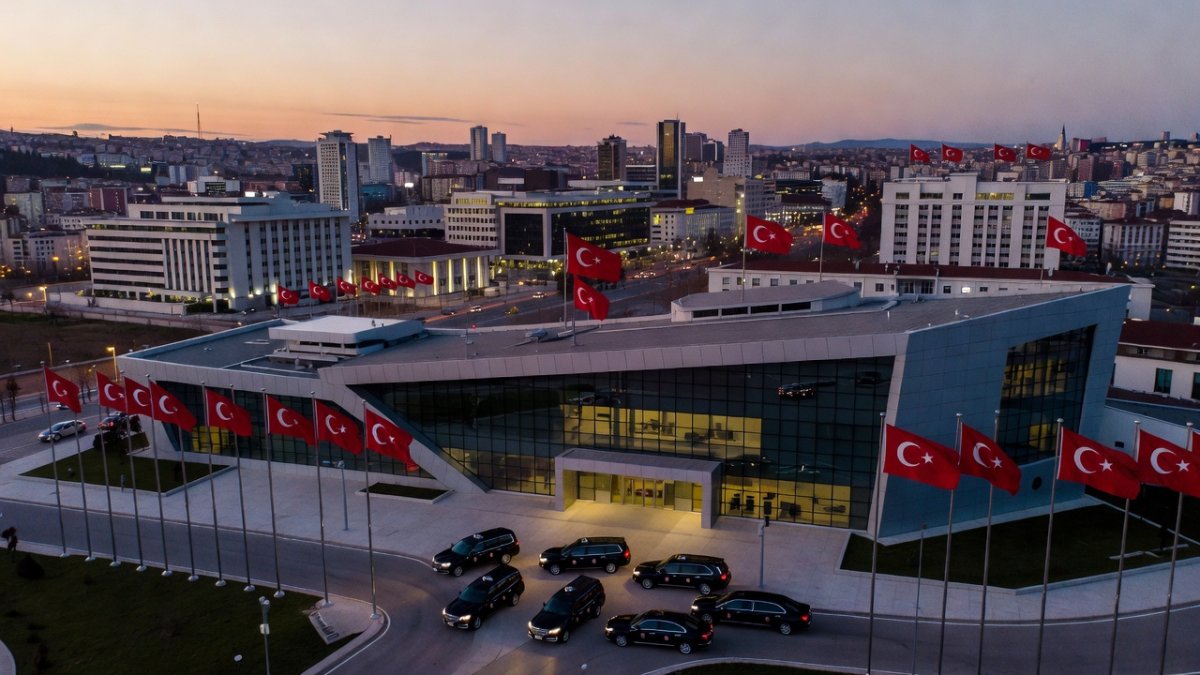
Breaking Point: Trump Declares Iran Ceasefire Over, Orders Strikes on 80 Targets as NATO Summit Explodes in Ankara
The Ankara Summit Turns Into a Powder Keg
Folks, the 2026 NATO Summit in Ankara was supposed to be a show of unity. Instead, it became ground zero for a fresh explosion of tensions that nobody saw coming this fast. Held July 7-8 in Turkey, the gathering quickly devolved into chaos as US President Donald Trump took the stage and ripped up the fragile US-Iran ceasefire with both hands. This isn't diplomatic theater. This is the kind of hard pivot that leaves allies scrambling and adversaries calculating their next move. Sources like Al Jazeera and AP News captured the raw footage of leaders shifting uncomfortably as Trump laid it out plain: the ceasefire is over from his perspective, and continued engagement is a waste of time.
The BS here is the notion that summits like this deliver stability. They don't. They expose fractures. Trump didn't mince words, and the room felt it. While NATO allies expected measured talks on collective defense, they got a front-row seat to a president ready to reset the board entirely. The July 8 declaration landed like a thunderclap, shifting every conversation in the room toward the Strait of Hormuz and what comes next.
Ceasefire Declared Dead in Real Time
Trump didn't wait for the cameras to cool off. He declared the US-Iran ceasefire over on July 8, right there in Ankara, and made it clear that any preliminary peace deal or memorandum of understanding is now in serious jeopardy. This move cuts through the usual diplomatic fog. The president called continued talks a waste of time, signaling that patience had run out after Iranian attacks on three commercial vessels transiting the Strait of Hormuz. CBS News and The Jerusalem Post reported the blunt language that left no room for misinterpretation.
What we're seeing is a leader who views half-measures as surrender. The ceasefire wasn't holding, and Trump said so without apology. This isn't escalation for its own sake. It's a direct response to threats against global shipping lanes that keep oil flowing and economies running. Folks, ignore the spin from certain corners claiming this came out of nowhere. The facts trace straight back to those vessel attacks.
US Forces Hit 80 Iranian Targets in Retaliation
US CENTCOM didn't waste time. Retaliatory airstrikes launched immediately, striking 80 Iranian targets across the south. The goal, as CENTCOM stated, is to reduce Tehran's ability to threaten shipping through the Strait of Hormuz. Iranian state media IRIB confirmed 13 explosions in southern Iran, painting a picture of precision hits that disrupted key capabilities. The War Zone and DEFCONLevel tracked the operational details, showing how quickly the response moved from declaration to execution.
This isn't random bombing. It's targeted degradation of the tools Iran uses to harass commercial traffic. The strikes send a message that attacks on vessels won't go unanswered. Yet the real question remains: does this restore deterrence, or does it lock both sides into a cycle that drags everyone else in? Time Magazine and USA Today laid out the timeline showing how the summit setting amplified every development.
Trump's Warnings Escalate Beyond the Initial Strikes
Trump didn't stop at the 80 targets. He threatened to resume a naval blockade, launch additional strikes, and even "take over" Kharg Island if Iran continues testing limits. This language cuts through the usual hedging we hear from leaders. It's direct, it's confrontational, and it puts Tehran on notice that the US is prepared to control critical oil infrastructure if necessary. Kyiv Independent and New York Post captured the full scope of these statements coming out of Ankara.
The BS narrative that this is all bluster falls apart when you look at the sequence. The ceasefire is over, the strikes happened, and the threats are on the table. Allies at the summit had to absorb this shift in real time while trying to maintain their own talking points. This is the hard reality of power politics: when shipping lanes are threatened, responses get kinetic fast.
Oil Prices Spike Five Percent Amid Fresh Uncertainty
Markets reacted instantly. Oil prices surged 5% on the news, reflecting trader fears that Hormuz disruptions could tighten supply for months. CNBC and Forbes tracked the immediate jump, showing how quickly energy costs ripple through everything from fuel pumps to manufacturing. The preliminary peace deal now hanging by a thread only adds to the volatility.
Folks, this isn't abstract economics. Higher oil prices hit household budgets and global growth. The strikes aim to protect the strait, but the short-term effect is exactly the kind of price shock that makes everyone nervous. The jeopardy facing any US-Iran understanding means uncertainty stays elevated. This is the cost of broken ceasefires playing out in real dollars.
Ukraine Scores Major Wins Despite the Iran Drama
Amid the Iran fireworks, Ukraine secured concrete gains at the same summit. Trump granted Ukraine a license to manufacture Patriot missile interceptors, a move that strengthens Kyiv's air defenses without waiting for endless approvals. NATO allies also pledged $80 billion in defense aid for Ukraine in 2026. The Kyiv Independent and AP News highlighted how these commitments stood out even as the room focused on the Middle East.
This dual-track reality shows the summit wasn't a total loss for every player. Ukraine turned the chaos into leverage, locking in production rights and fresh funding. It's a reminder that opportunities emerge even when headlines scream about one crisis. The $80 billion figure represents real hardware and support that could shift battlefield dynamics next year.
NATO Allies Face Trump's Wrath Over Spending Shortfalls
Trump also unloaded on NATO partners for defense spending shortfalls, zeroing in on Spain as a prime example. The push for a 5% GDP defense spending target by 2035 dominated side conversations, with the president making clear that current levels won't cut it. Al Jazeera and Time Magazine noted the pointed criticism that left several delegations defensive.
The 5% goal by 2035 is ambitious, but Trump's rage exposes the gap between rhetoric and reality. Allies talk collective defense while many still lean on US capabilities. This confrontation at the Ankara summit forces the issue into the open. Spain and others now face pressure to deliver or explain why they can't. The BS of vague pledges ends when a US president calls it out directly in front of the cameras.
What Comes Next After the Ceasefire Collapse
The combination of 80 strikes, oil spikes, Ukraine's wins, and spending fights leaves the alliance at a crossroads. Trump's declaration that engagement is a waste of time closes one chapter and opens another defined by force protection and economic pressure. CENTCOM's focus on Hormuz shipping remains the operational priority, while the $80 billion Ukraine pledge and Patriot license show parallel tracks still moving.
Folks, this is the moment where words meet consequences. The ceasefire is over, targets were hit, and threats are live. Whether this restores stability or accelerates confrontation depends on how Iran responds and how NATO manages the spending demands. The 5% target by 2035 isn't optional anymore if the alliance wants credibility.
Stay engaged. Track the next moves on the Strait of Hormuz, the status of any remaining talks, and whether the $80 billion Ukraine commitment actually materializes. The decisions made in Ankara will shape 2026 and beyond. Read the full reporting from our sources, share this breakdown with others who need the unfiltered picture, and hold leaders accountable when the next escalation hits. Global 1 News will keep cutting through the noise.
By Jessica Ali, Lead Anchor — Global 1 News
This article was produced with AI-assisted research and editorial support. Reporting is based on sources cited in the article.
What's Your Reaction?
 Like
0
Like
0
 Dislike
0
Dislike
0
 Love
0
Love
0
 Funny
0
Funny
0
 Wow
0
Wow
0
 Sad
0
Sad
0
 Angry
0
Angry
0

Editor-in-Chief at Global1.News. Atlanta-based journalist who cuts through the BS and tells it like it is. Lead anchor, host, and the voice you hear when the spin stops and the truth starts.













Comments (0)