
Three African Voices Illuminate Cannes: Genevieve Nnaji, Marie-Clémentine Dusabejambo and Laïla Marrakchi Honoured at Women in Cinema Gala
In the sun-drenched days of May 2026, as the world turned its eyes to the French Riviera, three remarkable African women filmmakers took center stage at the Red Sea Film Foundation's Women in Cinema gala during the 79th Cannes Film Festival. This moment underscores the surging global recognition of African cinema, with stories from Lagos to Kigali captivating audiences far beyo
In the sun-drenched days of May 2026, as the world turned its eyes to the French Riviera, three remarkable African women filmmakers took center stage at the Red Sea Film Foundation's Women in Cinema gala during the 79th Cannes Film Festival. This moment underscores the surging global recognition of African cinema, with stories from Lagos to Kigali captivating audiences far beyond the continent's shores. Their honors reflect a vibrant wave of creativity that is reshaping how the world sees our narratives.
Three African Voices Illuminate Cannes: Red Sea Gala Celebrates Women Shaping Global Cinema
Cannes, France — On the evening of May 14, 2026, at the elegant Hotel du Cap-Eden-Roc in Cap d'Antibes, the Red Sea Film Foundation brought together luminaries to honor six women from Africa, Asia, and the Arab world. This year's gala marked a historic first with three African spotlight honorees, highlighting the 79th Cannes Film Festival's milestone for African representation from May 12-23. As the Croisette buzzed with excitement, these women embodied the strength and storytelling prowess of their homelands.
A Historic Night on the Croisette
The Red Sea Film Foundation hosted its annual Women in Cinema gala at Hotel du Cap-Eden-Roc on May 14, 2026 during the 79th Cannes Film Festival, creating an evening filled with warmth and celebration on the French Riviera. Six women from Africa, Asia, and the Arab world were honoured in total, with the foundation using the event to spotlight contributions across continents. For the first time, three African women stood among the spotlight honorees, marking a historic milestone that many in Dakar and beyond had long awaited. The gala celebrates women who have contributed to the film industry as directors, producers, actresses, and industry leaders, drawing from traditions of communal storytelling that echo across Senegal's villages. The atmosphere on the French Riviera glowed under the prestige of Cannes, where the Mediterranean breeze carried conversations about African futures in cinema. Hotel du Cap-Eden-Roc stood as one of the most prestigious venues on the French Riviera, its terraces alive with laughter and shared memories from Lagos to Casablanca.
Guests arrived in elegant attire, the sea views framing discussions on how African cinema continues to gain ground at major festivals worldwide. The Red Sea Film Foundation, which organizes the Red Sea International Film Festival in Saudi Arabia, positioned the gala as a bridge between African, Arab, and Asian film industries. This connection felt especially meaningful for Senegalese viewers who see parallels between their own vibrant cultural scenes and the growing networks across the continent. The evening honored women shaping film in Africa, Asia, and the Arab world, with speeches that highlighted resilience and creativity. Many attendees noted the 79th Cannes marked a milestone year for African representation, with more films and voices present than ever before. The setting at Cap d'Antibes provided a fitting backdrop for these achievements, blending French elegance with the unmistakable energy of African excellence.
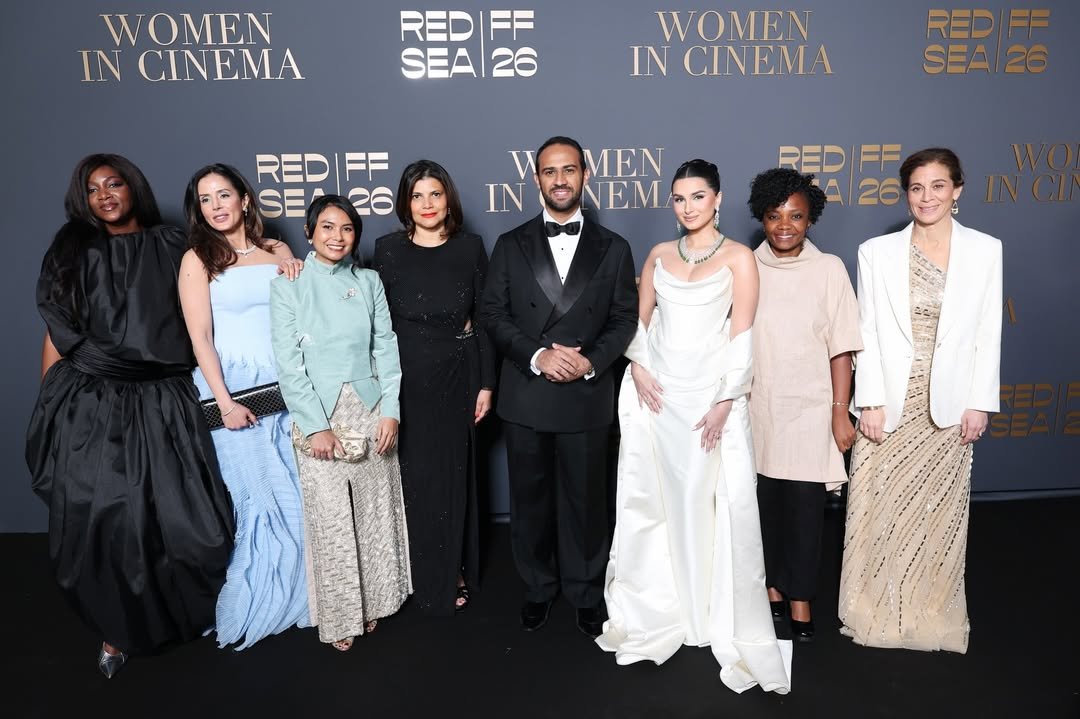
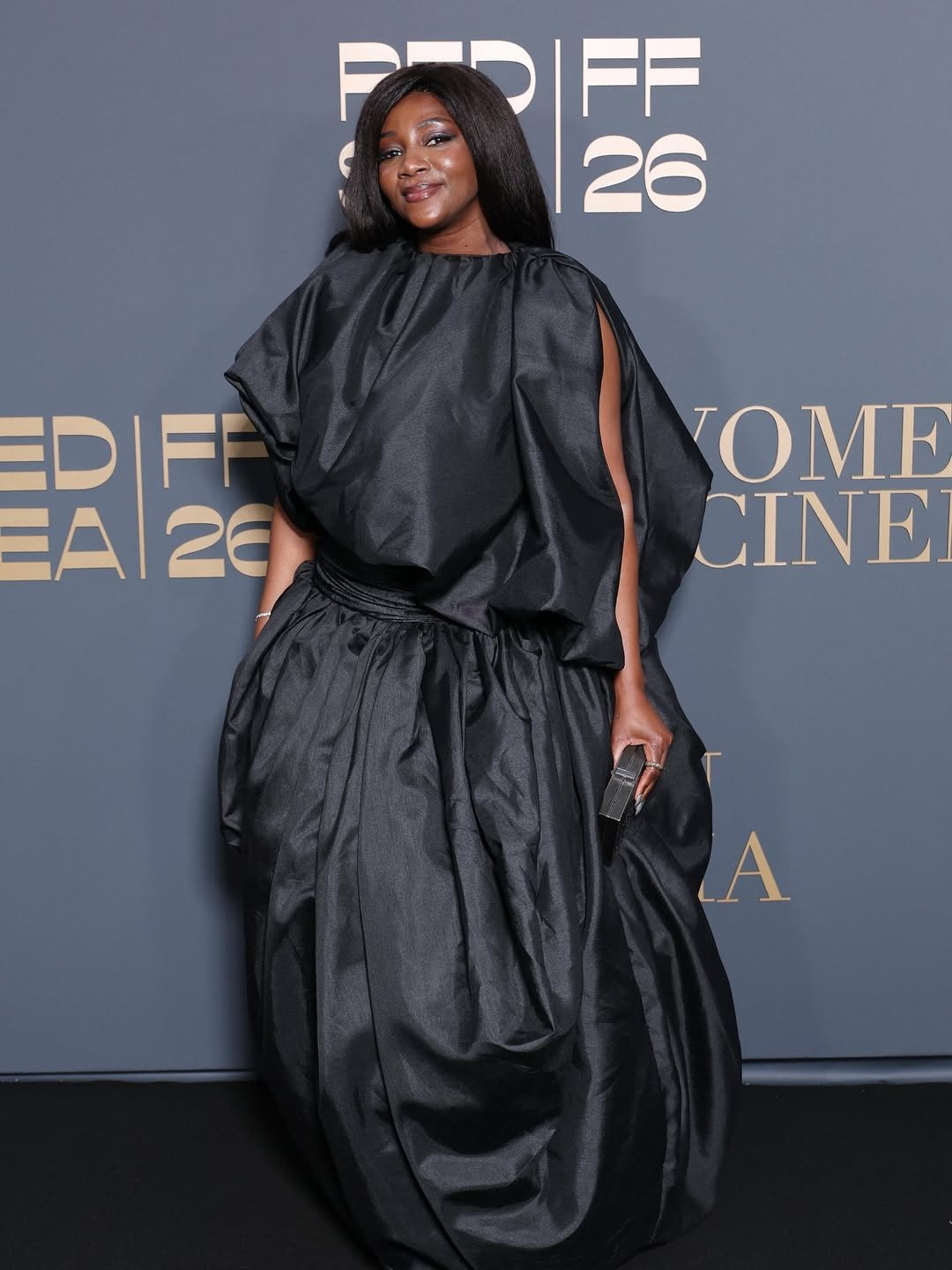
Genevieve Nnaji: Nollywood's Ambassador to the World
Genevieve Nnaji, the Nigerian actress, producer, and director, received her honor with the grace that has defined her decades in the industry. Her 2018 directorial debut "Lionheart" became the first Nigerian film acquired by Netflix, opening doors for countless African stories on global platforms. "Lionheart" was also Nigeria's submission for the Academy Award for Best International Feature, bringing Nollywood's vibrant energy to international awards consideration. Nnaji has spent years producing and starring in countless films that shaped the Nigerian film industry, building a legacy rooted in authentic portrayals of everyday life in Lagos and beyond. Her role as a producer and advocate for high-quality African storytelling continues to inspire young women across West Africa who dream of directing their own narratives. At the gala, she wore an all-black sculptural two-piece outfit that captured both modern sophistication and cultural pride.
Nnaji's status as arguably the most recognisable face of African cinema globally shone through during her interviews at Cannes. She spoke about the growing number of women filmmakers in Nigeria and the importance of bringing authentic African culture to mainstream audiences. Her words resonated with Senegalese audiences who understand the power of cinema to preserve and share our traditions. Through her work, Nnaji has shown how Nollywood can reach beyond entertainment to foster pride in African identities. She emphasized collaboration among African creatives, noting how partnerships across borders strengthen the continent's creative economy. Her presence at the gala reminded everyone that sustained dedication can transform local industries into global forces.
Marie-Clémentine Dusabejambo: Rwanda's Caméra d'Or Winner
Marie-Clémentine Dusabejambo, the Rwandan filmmaker, stood as a beacon of new possibilities when her debut feature "Ben'Imana" premiered in the Un Certain Regard section at Cannes 2026. The film won the coveted Caméra d'Or, awarded to the best first feature film across all sections of Cannes, chosen from 29 competing films. She is the first Rwandan filmmaker to have a film in the Cannes Official Selection and the first to win the Caméra d'Or, achievements that filled Rwandan communities with pride. "Ben'Imana" deals with post-genocide reconciliation in Rwanda, set in 2012 as community-led trials continue, offering a sensitive exploration of healing and memory. Her previous short films include "Lyiza," which premiered at Tribeca Film Festival and won Tanit de Bronze at Carthage Film Festival, establishing her voice early on. The film's co-production by Rwanda, Gabon, France, Norway, and Côte d'Ivoire demonstrates the power of international partnerships rooted in African leadership.
Dusabejambo's production companies, including Ogweli Productions from Gabon, Ejo Cine Ltd from Rwanda, and Les Films du Bilboquet from France, reflect a truly pan-African and global approach. Her work brings forward stories that honor Rwanda's journey while inviting worldwide audiences to witness resilience. At the gala, her quiet strength moved many who gathered to celebrate these milestones. The Caméra d'Or win signals that Rwandan cinema has arrived on the world stage with depth and authenticity. Her journey from short films to this major recognition inspires filmmakers across East Africa to pursue ambitious projects. The details of her production underscore how shared resources across borders can elevate African narratives.
Laïla Marrakchi: Morocco's Cinematic Storyteller
Laïla Marrakchi, the Moroccan director born in Casablanca, brought her distinctive perspective to the evening's honors. Her debut film "Marock" screened in the Un Certain Regard section at Cannes Film Festival in 2005, a coming-of-age story set among Casablanca's elite that captured the complexities of youth and identity. Her second feature "Rock the Casbah" in 2013 featured an international cast including legendary Egyptian actor Omar Sharif in one of his final roles, blending Moroccan and broader Arab sensibilities. She has directed for television, including Netflix's music drama series "The Eddy," expanding her reach into serialized storytelling. At Cannes 2026, she premiered her latest film "Strawberries," continuing her exploration of contemporary Moroccan life. Her work consistently bridges Arab and African cinematic perspectives, exploring identity, class, and social change in Morocco and the wider region.
Marrakchi's films often draw from the rich cultural tapestry of North Africa, resonating with Senegalese viewers who share similar themes of family, tradition, and transformation. Her presence at the gala highlighted how Moroccan cinema contributes to the continent's growing influence. She spoke of the importance of telling stories that reflect lived realities while reaching global viewers. The progression from her early Un Certain Regard screening to multiple Cannes appearances shows a career built on persistence and vision. Her collaborations with international platforms like Netflix illustrate new pathways for African directors. Marrakchi's storytelling continues to open conversations about belonging and change across the region.
A New Era for African Women in Cinema
The broader context of African women filmmakers gaining international recognition came alive through this gala. Other African films at Cannes 2026 included the Esiri twins' "Clarissa," a Nigerian drama set in Lagos that offers a modern reimagining of Virginia Woolf's Mrs Dalloway. The growing presence of African cinema at major festivals signals a shift toward greater inclusion and visibility. The significance of the Red Sea Film Foundation spotlighting Africa lies in its role connecting industries through events like the Red Sea International Film Festival in Saudi Arabia. Previous African honorees at this gala included Rungano Nyoni from Zambia, Ramata-Toulaye Sy from Senegal, and Jade Osiberu from Nigeria, creating a lineage of celebrated voices. These moments carry economic and cultural implications for African creative industries, opening markets and fostering pride.
From Dakar to Kigali, young women now see clearer paths into film because of these trailblazers. The Red Sea Film Foundation's efforts strengthen ties between African, Arab, and Asian creators, building networks that benefit everyone involved. The 79th Cannes marked a milestone year for African representation, with increased programming and attention. "Clarissa" by the Esiri twins adds to this momentum by reimagining classic literature through a Lagos lens. Such projects demonstrate how African filmmakers adapt global forms to local realities. The overall atmosphere at the gala pointed toward sustained growth in the continent's film sectors.
What This Means for Africa's Creative Future
This milestone means the next generation of African women filmmakers will enter the industry with greater confidence and opportunities. Representation on global stages like Cannes validates the power of our stories and encourages investment from international partners. These recognitions can inspire young women across the continent to pursue careers in film and the arts, knowing their voices matter. The growth of film industries across Africa, from Nollywood's scale to the emerging Rwandan film sector and Moroccan cinema's elegance, creates jobs and cultural exports. The potential for more African stories to reach global audiences through streaming platforms, festival circuits, and international co-productions continues to expand. The collaborative spirit between African film industries and international partners promises richer, more diverse cinema for everyone.
Continued investment in African cinema infrastructure, training, and distribution remains essential to sustain this progress. In Senegal, we understand how cultural expression strengthens communities, and these Cannes honors extend that principle continent-wide. The three women celebrated at the gala embody the warmth, resilience, and creativity that define African storytelling. Their achievements open doors for others while reminding the world of Africa's narrative wealth. As the Red Sea Film Foundation continues its work, more connections will form across borders. This era holds promise for a future where African women lead in shaping global cinema.
By Amara Diop, Staff Writer
This article was produced with AI-assisted research and editorial support. Reporting is based on sources cited in the article.
What's Your Reaction?
 Like
0
Like
0
 Dislike
0
Dislike
0
 Love
0
Love
0
 Funny
0
Funny
0
 Wow
0
Wow
0
 Sad
0
Sad
0
 Angry
0
Angry
0

West Africa/Sahel Correspondent at Global1.News. Dakar-based journalist covering politics, security, climate, and development across Francophone and Anglophone West Africa. Tells the stories of a region undergoing profound transformation.













Comments (0)