
Tensions Escalate as Trinidad and Tobago and Venezuela Clash Over May 1 Gulf of Paria Oil Spill
Tensions Escalate as Trinidad and Tobago and Venezuela Clash Over May 1 Gulf of Paria Oil Spill Tensions between Trinidad and Tobago and Venezuela have sharpened following an oil spill in the Gulf of Paria on May 1, with Caracas formally demanding information and compensation from Port of Spain while insisting the incident began in Trinidadian waters and poses a risk of serious
The Details of the May 1 Spill
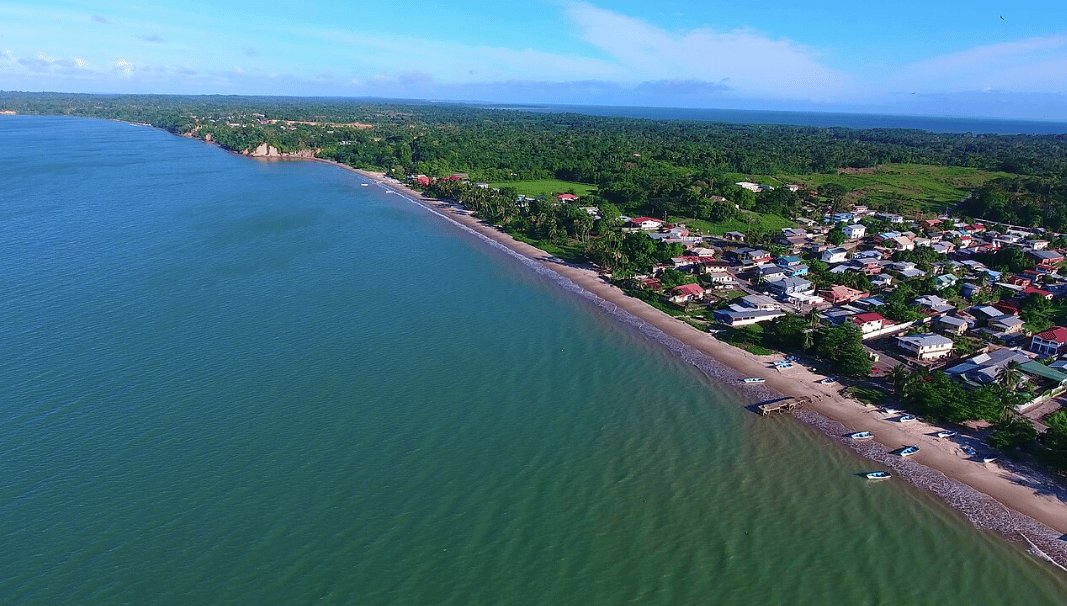
The oil spill took place on May 1 in the Gulf of Paria, a body of water shared directly between Trinidad and Tobago and Venezuela. Reports indicate the incident remained limited in scale according to Trinidadian accounts, yet Caracas has raised formal concerns about its origin and potential reach across the shared marine boundary.
Port of Spain maintains that the event was contained swiftly and did not extend beyond immediate Trinidadian waters. This position stands in direct contrast to the Venezuelan assertion that the spill originated on the Trinidadian side and could affect broader ecosystems in the Gulf.
Both countries now face the task of clarifying what happened in these shared waters, where any spill carries implications for the marine environment that supports communities on both sides of the border.
Venezuela's Formal Demands from Caracas
Caracas has issued a formal request for information and compensation from Trinidad and Tobago, citing the possibility of serious environmental damage to the shared Gulf of Paria ecosystems. The Venezuelan position emphasises the transboundary nature of the waters and the need for accountability when incidents occur near the maritime boundary.
Officials in Caracas argue that even a contained spill requires full disclosure and redress because the Gulf functions as one interconnected system. This stance reflects long-standing sensitivities about resource use and environmental protection in the region.
The demand places immediate pressure on diplomatic channels between the two capitals as they seek to address the claims without escalation.
Port of Spain's Firm Dispute of the Claims
Trinidad and Tobago has rejected the Venezuelan assertion that the spill originated in its waters and insists the event was minor and quickly contained. Port of Spain's description frames the incident as a 10-barrel spill that did not pose wider threats once addressed.
This response highlights the country's commitment to managing its energy infrastructure responsibly while protecting its maritime interests. Officials continue to maintain that the facts do not support the broader accusations coming from Caracas.
The disagreement now sits at the centre of bilateral discussions, with both sides presenting differing accounts of the same event in the Gulf of Paria.
Concerns for Fishing Communities Along the Gulf
Fishing families who depend on the Gulf of Paria for their livelihoods watch the dispute closely because any environmental damage could affect fish stocks and daily catches. The shared waters mean that incidents on one side can influence conditions experienced by communities on the other.
Trinidadian fishers have long navigated these waters alongside their Venezuelan counterparts, and the spill raises practical questions about how quickly marine life recovers after even a small release of oil. Environmental concerns here connect directly to household incomes in coastal villages.
Local markets that rely on fresh seafood from the Gulf could feel ripple effects if confidence in the waters declines, adding another layer of worry for ordinary households already managing rising living costs.
Trinidad's Energy Sector and Export Considerations
The Gulf of Paria forms part of Trinidad and Tobago's wider energy landscape, where oil and gas activities support national exports and regional energy supply. Any dispute over spills can influence how partners view operational standards in these waters.
Trinidad and Tobago has positioned itself as a steady energy provider in the Caribbean, and maintaining that reputation requires clear handling of incidents like the May 1 spill. The current disagreement with Venezuela adds a diplomatic dimension to what might otherwise remain a technical matter.
Energy exports remain vital to the economy, so resolving questions around the spill helps protect both environmental credibility and commercial relationships across the region.
CARICOM Relations and Regional Diplomacy
The situation touches on CARICOM cooperation because environmental incidents in shared waters often require coordinated regional responses. Neighbouring member states watch how Trinidad and Tobago and Venezuela manage the disagreement, as it could set patterns for future cross-border issues.
Port of Spain continues to engage through established diplomatic routes while upholding its account of the spill. This approach aligns with the community's preference for dialogue over confrontation when addressing matters that affect multiple Caribbean nations.
Regional stability benefits when such disputes are handled with transparency, allowing CARICOM partners to focus on shared priorities like economic recovery and disaster preparedness rather than bilateral friction.
Historical Context of TT-Venezuela Relations
Trinidad and Tobago and Venezuela share a long history of interaction across the Gulf of Paria, with maritime boundaries and resource questions forming part of their ongoing relationship. The current spill dispute echoes earlier conversations about how the two nations manage their common marine space.
Both countries have cooperated on energy and environmental matters in the past, yet incidents like the May 1 event test the strength of those ties. The shared waters have always required careful stewardship because what happens on one shore can reach the other.
Communities on both sides remember periods of close collaboration, and many hope the present disagreement can be settled in a manner that preserves practical cooperation in the Gulf.
What This Means for Ordinary Trinidadians and Future Relations
For everyday citizens in Trinidad and Tobago, the dispute brings home the connection between energy activities, environmental health, and household stability. People understand that how the spill is handled affects not only the fishing industry but also the broader perception of the country's energy sector.
The disagreement with Caracas could influence future diplomatic engagement, particularly around joint management of the Gulf of Paria. Clear communication and factual resolution remain essential if both nations are to move forward without prolonged strain.
Looking ahead, the way Trinidad and Tobago and Venezuela address this incident will shape expectations for handling similar challenges. A constructive outcome could strengthen trust in the shared waters, while continued disagreement risks complicating cooperation on energy, environment, and regional matters that matter to communities on both sides of the Gulf.
By Sharon Sahatoo, Staff WriterThis article was produced with AI-assisted research and editorial support. Reporting is based on sources cited in the article.
What's Your Reaction?
 Like
0
Like
0
 Dislike
0
Dislike
0
 Love
0
Love
0
 Funny
0
Funny
0
 Wow
0
Wow
0
 Sad
0
Sad
0
 Angry
0
Angry
0

Caribbean Correspondent at Global1.News. Based in Port of Spain, Trinidad, covering Caribbean politics, economy, energy, climate, and culture. Amplifying the voices and stories of the Caribbean region.










Comments (0)