
Should Russia Brace for a New Mobilization?
As Russian troops endure relentless attrition on the Ukrainian front, mounting evidence points to a manpower crisis that the Kremlin can no longer conceal. Independent tallies and regional leaks reveal monthly losses nearing 30,000 since March, far outpacing recruitment and forcing local authorities into coercive tactics that echo 2022.
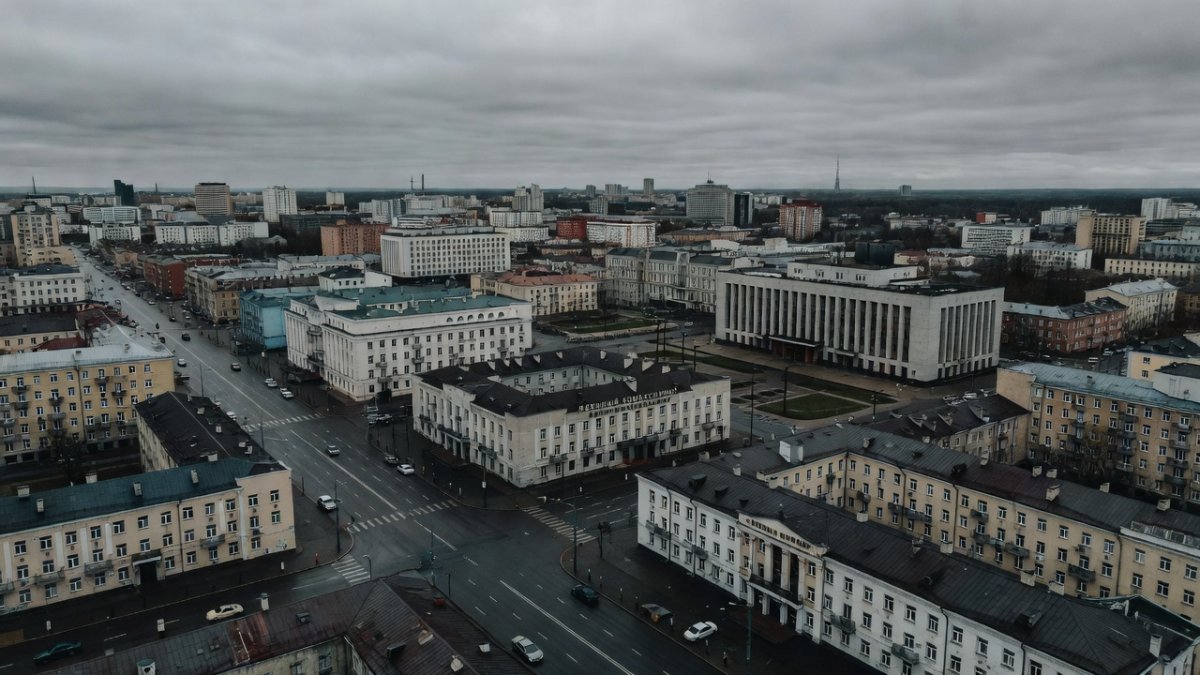
As Russian troops endure relentless attrition on the Ukrainian front, mounting evidence points to a manpower crisis that the Kremlin can no longer conceal. Independent tallies and regional leaks reveal monthly losses nearing 30,000 since March, far outpacing recruitment and forcing local authorities into coercive tactics that echo 2022.
Russia's Manpower Crisis: Kremlin Draft Fears Grow
Moscow, Russia — Russia's military faces a widening gap between catastrophic losses and faltering recruitment, pushing local authorities toward coercive tactics.
The Frontline Manpower Shortfall
Russia's military operations in Ukraine have seen monthly casualties approach 30,000 since March, driven by Ukrainian drone strikes. Contract recruitment has failed to close this gap, leaving units understrength across multiple sectors. Cumulative losses since February 2022 total 500,000 to 600,000, with replacement cycles lagging and formations reduced in capacity to hold lines or rotate troops.
Donetsk sector units of the 3rd Army Corps operate well below authorized strength after repeated assaults near Pokrovsk. Kharkiv and Zaporizhzhia formations report high monthly turnover from drone strikes, exceeding Ukrainian losses of 18,000 in the same period. Rural oblasts supply 65 percent of replacements while urban centers contribute under 20 percent.
Contract Recruitment in Decline
Official recruitment figures show a clear downward trend. The flow of new contract soldiers dropped by roughly one-third during spring compared with the same period a year earlier, according to Verstka and the Kyiv Independent. Kremlin claims of sufficient voluntary enlistment clash with the widening discrepancy between battlefield losses and incoming personnel.
Moscow city recruitment fell 40 percent year-on-year while Buryatia maintained flat numbers through poverty-driven enlistment. War fatigue and civilian wages in oil regions exceeding 120,000 rubles monthly reduced sign-ups.
Forced Mobilization Reports from Penza Oblast
Since mid-June, local sources in Penza Oblast have documented civilians compelled to sign contracts under pressure from regional authorities and military commissariats. These incidents contradict the Kremlin's public denials of any new draft. Current legislation shields regular conscripts from combat deployment, limiting the scope of such measures without new decrees.
Governor Oleg Melnichenko directed commissariats to target Penza State University graduates and factory workers. Similar coercion occurred in Saratov and Nizhny Novgorod oblasts. These actions remain localized to avoid nationwide decree requirements.
Lessons from the 2022 Partial Mobilization
The September 2022 decree triggered an exodus of several hundred thousand Russians and sparked domestic unrest that authorities have not forgotten. That mobilization required a presidential decree and exposed the political costs of large-scale call-ups. Existing laws still protect conscripts from front-line deployment, so any broader effort would require new amendments or another presidential order.
Over 300,000 men crossed into Kazakhstan and Georgia within weeks. Protests erupted in 40 cities including Moscow and St. Petersburg, resulting in 2,000 detentions. These events prompted the shift to incremental recruitment and avoidance of further presidential decrees.
Alternatives the Kremlin Is Testing
Officials have pursued workarounds short of a nationwide draft. The Ministry of Defense has begun recruiting female college students for drone units, according to Semnasem. Higher signing bonuses and expanded recruitment among foreign nationals have also been discussed. These steps aim to offset the shortfall without triggering the social backlash seen in 2022.
Female students recruited for drone units with enhanced incentives. These programs added 12,000 personnel by August without legislative changes.
Economic and Social Consequences of a New Draft
A fresh mobilization on the scale of 2022 would remove tens or hundreds of thousands of working-age men from the economy amid already acute labor shortages. Defense enterprises and civilian industries would face further strain, while renewed emigration waves could accelerate capital flight. Regional governors have signaled concern over the domestic stability risks.
Construction faces a 2.5 million worker deficit per Rosstat. Uralvagonzavod reports 15,000 unfilled positions. June inflation reached 10.6 percent, driven partly by manpower gaps in defense production.
Putin's Political Calculus
Kremlin decision-making centers on avoiding measures that could reignite 2022-style protests. President Putin has relied on incremental recruitment, including the 160,000 men called up in the 2025 spring campaign who were not sent to the front. A full mobilization would only be ordered if battlefield losses threaten to collapse existing formations, a threshold the General Staff has not yet acknowledged.
Security Council factions split between Defense Minister Andrei Belousov favoring continued piecemeal measures and Nikolai Patrushev advocating earlier decree authority.
Outlook for the Coming Months
Without legislative changes or a new presidential decree, large-scale mobilization remains legally constrained. Falling recruitment, persistent high casualties, and localized coercive practices in Penza Oblast indicate mounting pressure on the manpower system. The Kremlin must weigh the political risks of another nationwide call-up against continued piecemeal solutions.
Piecemeal recruitment continues through autumn 2025 unless Ukrainian advances in Donbas force a decree by December. Regional coercion expands to additional oblasts if contract numbers stay below 20,000 monthly.
By Irina Volkov, Staff Writer
This article was produced with AI-assisted research and editorial support. Reporting is based on sources cited in the article.
What's Your Reaction?
 Like
0
Like
0
 Dislike
0
Dislike
0
 Love
0
Love
0
 Funny
0
Funny
0
 Wow
0
Wow
0
 Sad
0
Sad
0
 Angry
0
Angry
0
Russia/Eastern Europe Correspondent at Global1.News. Covering Russian politics, energy, security, and the shifting dynamics of the post-Soviet space. Provides clear-eyed analysis on one of the world's most opaque regions.









Comments (0)